
Dec . 04, 2025 00:48 Back to list
1.5 hp Submersible Well Pump: Benefits, Uses & Global Impact | WellPumpAct
Understanding the 1.5 hp Submersible Well Pump: A Global Perspective
The 1.5 hp submersible well pump might not be a household term, but it plays a quietly crucial role worldwide. This compact, reliable piece of engineering has become a backbone for water access in agriculture, remote industries, and even humanitarian efforts. In an era when water scarcity and energy efficiency are pressing global challenges, understanding how such pumps work—and why they matter—offers insight into sustainable water management across the globe.
Introduction: Why the 1.5 hp Submersible Well Pump Matters Globally
Water pumps are behind the scenes of daily life — though often forgotten until they fail. According to the United Nations, nearly 2.2 billion people worldwide lack safely managed drinking water at home. The 1.5 hp submersible well pump often provides a scalable solution to this crisis by enabling deeper, cleaner water extraction than surface pumps in many settings.
Its moderate power rating strikes a sweet spot between performance and energy consumption, making it a popular choice in rural communities, agriculture, and small industries. Plus, with rising concerns about energy use and the environmental impact of water extraction, this pump’s efficiency is becoming even more important.
What Is a 1.5 hp Submersible Well Pump?
Simply put, a 1.5 hp submersible well pump is an electrically powered pump designed to be submerged in water—usually in wells or boreholes—to push water from underground sources to the surface. The “1.5 hp” refers to its motor power (roughly 1,100 watts), enough to move a decent volume of water without the hefty energy costs associated with larger motors.
Unlike jet pumps that sit above ground and can lose efficiency with depth, these pumps work underwater, pushing water upward efficiently. They’re widely used in farming irrigation systems, municipal water supplies, and even in emergency relief situations where rapid, reliable water access is needed.
Key Components and Factors of the 1.5 hp Submersible Well Pump
Durability
Made with corrosion-resistant stainless steel and heavy-duty polymers, these pumps are engineered for rugged environments. They typically resist sand, silt, and chemicals found in groundwater, ensuring long operational life—even in tough, remote conditions.
Energy Efficiency
With rising electricity costs and environmental policies tightening, energy efficiency matters. The 1.5 hp rating provides enough thrust to pump water efficiently without excessive power consumption, balancing operational cost and performance.
Installation Flexibility
These pumps can fit in wells as narrow as 4 inches in diameter. This flexibility makes them suitable for a wide range of well depths and diameters, ideal for both small-scale farms and larger municipal projects.
Scalability and Maintenance
Thanks to modular designs, pumps can be serviced or upgraded relatively simply. While submersible motors are sealed and designed to be maintenance-free for several years, occasional inspections and servicing extend their life and reliability.
| Specification | Detail |
|---|---|
| Motor Power | 1.5 horsepower (HP) |
| Maximum Flow Rate | Up to 80 gallons per minute (GPM) |
| Maximum Depth | Up to 400 feet |
| Material | Stainless steel, thermoplastic seals |
| Power Source | Electric (AC or DC options available) |
Global Applications and Use Cases
The diversity of use cases for the 1.5 hp submersible well pump is frankly impressive. Around the world, these pumps find themselves underpinning critical water infrastructure:
- Agriculture in Sub-Saharan Africa: Farmers rely on these pumps to irrigate crops from deep wells, improving food security.
- Remote Mining Operations: Portable submersible pumps ensure water supply where traditional systems can't reach.
- Emergency Relief: NGOs deploying clean water access after natural disasters use efficient pumps like these for quick setup.
- Municipal Water Systems: Smaller towns use 1.5 hp pumps in water treatment plants as part of cost-sensitive water distribution.
Oddly enough, you’ll also find them supporting small-scale aquaculture, where water quality and flow are paramount.
Comparing Leading Vendors of 1.5 hp Submersible Pumps
| Vendor | Price Range | Warranty | Energy Efficiency | Customer Ratings |
|---|---|---|---|---|
| PumpCo | $400–$600 | 3 Years | High | 4.5 / 5 |
| WaterFlow Tech | $350–$550 | 2 Years | Moderate | 4.0 / 5 |
| EcoPump Solutions | $450–$700 | 5 Years | Very High (Energy Star Rated) | 4.7 / 5 |
Advantages and Long-Term Value
The value of a 1.5 hp submersible well pump isn’t just in its specs or price — it’s in the long haul reliability and social impact. Economically, these pumps reduce energy bills and maintenance downtime compared to above-ground alternatives. Environmentally, they often mean less groundwater contamination risk, given their sealed operation.
Emotionally speaking—especially in communities where water access determines health and dignity—these pumps can literally be life-changers. Innovative designs ensure long lifespans and user-friendly servicing, building trust among users who might have once faced unreliable, costly water systems.
Future Trends & Innovations
We're seeing exciting innovation in this space. For example:
- Smart Pumps: Integration with IoT for remote monitoring and predictive maintenance improves reliability.
- Green Energy Power Sources: Solar-powered 1.5 hp pumps are gaining traction in off-grid areas, marrying sustainability with necessity.
- Advanced Materials: New composite sealants and corrosion-resistant alloys add durability under harsher water chemistry.
With global commitments to sustainable development (see ISO standards on water management), these trends ensure that such pumps stay relevant and increasingly eco-friendly.
Challenges and Solutions
Like any tech, deploying these pumps isn't without hurdles. Some challenges include:
- Access to Power: In isolated regions, reliable electricity can be patchy. Solar and hybrid systems help mitigate this.
- Maintenance Expertise: Some users may lack technical skills to troubleshoot; thus, supplier training and modular parts improve usability.
- Cost Barriers: Initial investment can be prohibitive for smaller communities, but microfinance and NGO support programs are evolving.
Frankly, overcoming these requires holistic planning beyond just buying equipment — community engagement, training, and infrastructure development must accompany technical deployment.
FAQ: Frequently Asked Questions About 1.5 hp Submersible Well Pumps
- Q: How deep can a 1.5 hp submersible well pump operate effectively?
- A: Typically, these pumps operate efficiently at depths up to 400 feet, but actual performance depends on well and water conditions.
- Q: Can these pumps run on solar power?
- A: Yes, many models are compatible with solar panels, which is great for off-grid or energy-conscious projects.
- Q: What maintenance is required?
- Generally, minimal regular maintenance is needed, but periodic inspections of seals and wiring ensure long life.
- Q: Are 1.5 hp submersible pumps suitable for high sediment water?
- They’re designed to handle moderate sand and silt, but excessive sediment may shorten pump life—proper filtration is recommended.
Conclusion: Empowering Water Access with 1.5 hp Submersible Well Pumps
In real terms, the humble 1.5 hp submersible well pump is a quietly transformative technology bridging water gaps worldwide. Combining efficient power, durability, and flexibility, it addresses many challenges from agriculture to disaster relief. If you’re exploring reliable water solutions—whether in rural development or industrial operations—learning more about these pumps is a smart move.
Visit our website for detailed specifications, vendor recommendations, and expert insights. Because, in the end, water is life, and the right pump makes all the difference.
Mini takeaway: The 1.5 hp submersible well pump balances power, efficiency, and durability to sustainably meet diverse water needs worldwide.
References:
1. United Nations, “Water and Sanitation,” 2023. un.org/water/
2. ISO 14046:2014 - Environmental management — Water footprint — Principles, requirements and guidelines.
3. Pump Industry Suppliers’ Association, 2022 Annual Report.
-
Understanding the Price Submersible Pump and Buyer Guide
NewsApr.16,2026
-
Factors Affecting the Price for Submersible Pump a Buyers Guide
NewsApr.09,2026
-
Choosing the Right Mini Submersible Fountain Pump for Optimal Water Feature Performance
NewsApr.07,2026
-
A Detailed Guide to Installing a Submersible Pump for Optimal Performance
NewsApr.04,2026
-
Comprehensive Guide on How to Test a Submersible Water Well Pump Effectively
NewsMar.31,2026
-
Learn How to Replace a Submersible Well Pump Safely and Effectively
NewsMar.28,2026
-
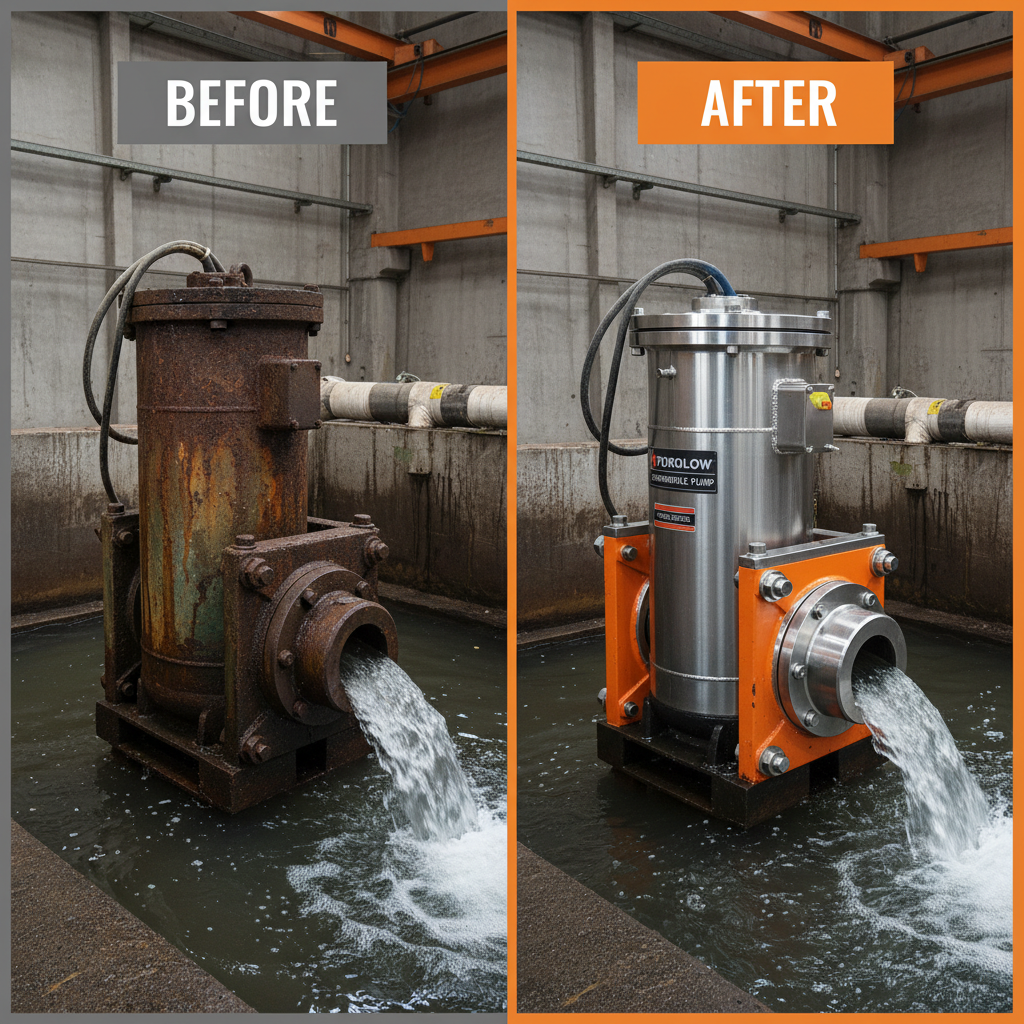 Understanding the Price Submersible Pump and Buyer GuideWhen searching for the ideal water management solution, understanding the price submersible pump options is crucial for balancing budget with performance. Whether you are dealing with a flooded basement, managing agricultural irrigation, or extracting water from a deep well, the cost of a submersible pump can vary significantly based on its build quality and capacity. Investing in a high-quality pump ensures long-term reliability and reduces the frequency of expensive replacements. In this guide, we will break down the factors that influence pricing and help you make an informed decision for your specific needs.Detail
 -
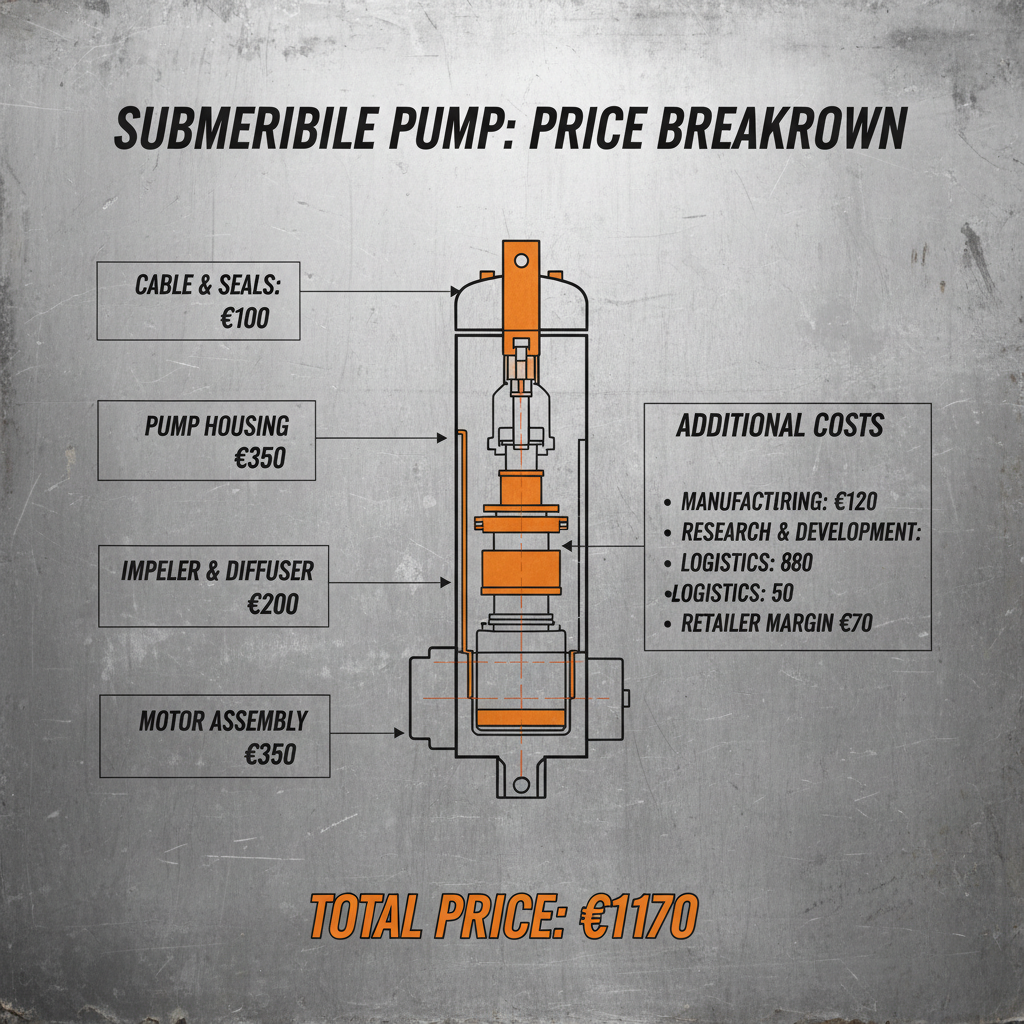 Factors Affecting the Price for Submersible Pump a Buyers GuideWhen investing in water management systems, understanding the price for submersible pump options is essential for balancing performance with budget. Whether you are managing a residential well, an industrial drainage project, or agricultural irrigation, the cost of a pump is rarely a flat fee; it is a reflection of the engineering, materials, and capacity required for your specific environment. In this guide, we will break down the factors that influence pricing and help you determine the best value for your investment to ensure long-term reliability and efficiency.Detail
 -
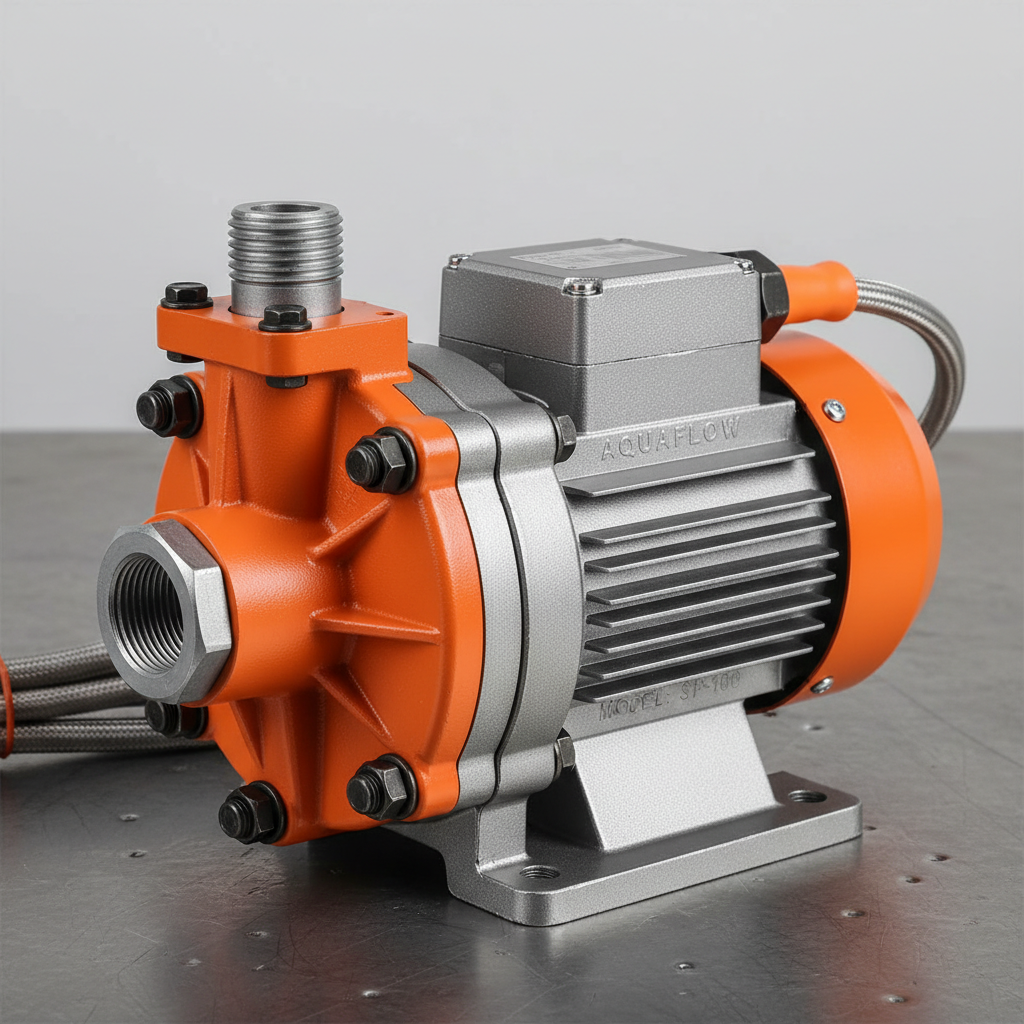 Choosing the Right Mini Submersible Fountain Pump for Optimal Water Feature PerformanceCreating a beautiful and relaxing water feature doesn't have to be complicated. A mini submersible fountain pump is the heart of any indoor or outdoor fountain, and selecting the right one is crucial for optimal performance and longevity. This article will guide you through the key considerations when choosing a mini submersible fountain pump, covering types, features, applications, and how to ensure you get the perfect pump for your project. We’ll also explore how Wellpumpact can provide you with the ideal solution.Detail
 Afrikaans
 Albanian
 Amharic
 Arabic
 Armenian
 Azerbaijani
 Basque
 Belarusian
 Bengali
 Bosnian
 Bulgarian
 Catalan
 Cebuano
 Corsican
 Croatian
 Czech
Czech
 Danish
 Dutch
Dutch
 Esperanto
 Estonian
 Finnish
 French
 Frisian
 Galician
 Georgian
 German
 Greek
Greek
 Gujarati
 Haitian Creole
 Hausa
Hausa
 Hawaiian
 Hebrew
 Hindi
Hindi
 Miao
Miao
 Hungarian
 Icelandic
 Igbo
Igbo
 Indonesian
 Irish
Irish
 Italian
 Japanese
 Javanese
 Kannada
 Kazakh
 Khmer
Khmer
 Rwandese
 Korean
 Kurdish
 Kyrgyz
 Lao
Lao
 Latin
Latin
 Latvian
 Lithuanian
 Luxembourgish
 Macedonian
 Malgashi
 Malay
Malay
 Malayalam
 Maltese
 Maori
Maori
 Marathi
 Mongolian
 Myanmar
 Nepali
 Norwegian
 Norwegian
 Occitan
 Pashto
 Persian
 Polish
 Portuguese
 Punjabi
 Romanian
 Russian
 Samoan
 Scottish Gaelic
 Serbian
 Sesotho
 Shona
Shona
 Sindhi
 Sinhala
 Slovak
 Slovenian
 Somali
 Spanish
 Sundanese
 Swahili
 Swedish
 Tagalog
 Tajik
Tajik
 Tamil
Tamil
 Tatar
Tatar
 Telugu
 Thai
Thai
 Turkish
 Turkmen
 Ukrainian
 Urdu
Urdu
 Uighur
 Uzbek
Uzbek
 Vietnamese
 Welsh
Welsh
 Bantu
Bantu
 Yiddish
 Yoruba
 Zulu
Zulu
 English