
Dec . 01, 2025 22:25 Back to list
Buy Submersible Water Pump - Your Guide to Efficient Water Solutions
Buying a Submersible Water Pump: Why It Matters in Today’s World
If you’ve ever needed to move water efficiently—whether for irrigation, groundwater extraction, or emergency flood control—you probably appreciate what a submersible water pump can do. But buying the right one? That’s a whole different ball game. Globally, the demand to buy submersible water pump models has shot up, driven by water scarcity issues and expanding industries. These pumps are absolute game-changers, making water management faster, cleaner, and safer. Understanding why they matter isn’t just about tech-savvy users; it’s about communities and industries managing one of the planet’s most precious resources.
The Global Landscape: Why More People Are Choosing to Buy Submersible Water Pumps
Water scarcity affects some 2 billion people worldwide, according to the United Nations. Industries like agriculture and mining depend heavily on reliable water access, often underground or underwater. That’s where submersible water pumps come in – they offer a practical solution for extracting, transporting, or draining water without the need for complex aboveground setups. The World Bank estimates that efficient irrigation systems powered by these pumps can boost crop yields by up to 50%. However, many regions still grapple with unreliable water delivery methods or face rising costs of outdated pumping solutions. This practical challenge has pushed governments, NGOs, and private enterprises to buy submersible water pump units tailored for sustainability and efficiency.
Mini Takeaway:
- Growing water demand from industry and agriculture fuels the global growth of submersible water pumps.
- Reliable water management is crucial for food security and infrastructure resilience.
What Does It Mean to Buy a Submersible Water Pump?
Simply put, a submersible water pump is a sealed device designed to be fully submerged in water. Its motor is hermetically sealed to keep out liquid, allowing it to push or pull water from wells, flooded areas, or reservoirs. Unlike surface pumps, these are quieter, more efficient, and less prone to environmental damage. When someone decides to buy a submersible water pump, they are investing in a piece of equipment essential for lifting or draining water effectively without the need for harsh manual labor or energy-hungry devices.
From modern industry settings—think deep mining sites—to humanitarian contexts like post-hurricane flood relief, these pumps prove indispensable. They represent a bridge between necessity and innovation, enabling access to cleaner water faster.
Core Components & Key Factors When Choosing a Submersible Water Pump
1. Durability
These pumps often face harsh, abrasive water, sometimes with sand or debris. Materials like stainless steel or cast iron casings extend lifespan and reduce maintenance needs.
2. Power & Capacity
Measured by horsepower and flow rate (GPM - gallons per minute), the right capacity depends on the application. For irrigation, a higher GPM might be needed, while small well-pumping jobs require less.
3. Energy Efficiency
Energy consumption can rack up costs over time, especially in remote or off-grid locations. Pumps with IE3 or IE4 efficiency ratings significantly lower operational expenses.
4. Sealing Technology
Prevents water from reaching the motor. Mechanical seals and double shaft seals are common — their integrity directly affects pump lifetime.
5. Ease of Installation & Maintenance
Some models are modular, enabling faster deployment and simpler servicing, crucial for emergency situations or locations lacking skilled technicians.
6. Cost Efficiency
Beyond upfront price, consider life-cycle costs and repair availability. Sometimes spending a bit more initially pays off spectacularly long-term.
Mini Takeaway:
- Durability and efficiency often trump initial price when selecting a pump.
- Understanding your water and power source is key to matching pump specs effectively.
Global Applications: Where and How Are Submersible Pumps Being Used?
The versatility of submersible water pumps means they’re found across continents and sectors. In India and Africa, farmers increasingly buy submersible water pumps to irrigate crops sustainably, raising local incomes. Post-natural disasters, agencies use these pumps to quickly drain flooded areas and restore access to clean water.
In industrial zones across Australia and Canada, pumps extract groundwater to cool machinery or manage waste. Even urban construction sites in Europe rely on these devices to dewater hazardous areas during building.
International NGOs have adopted these pumps as core components of disaster relief kits—portable, reliable, and capable of immediate deployment.
Advantages & Why They Still Matter in the Long Run
- Cost Savings: Efficient pumping reduces energy bills and downtime.
- Durability: High-quality materials ensure pumps last for years, even under tough conditions.
- Environmental Impact: Lower energy use and contamination risk mean a greener footprint.
- Social Benefits: Water access improves health, dignity, and economic stability for communities.
- Reliability: Minimal manual intervention and robust design mean trustworthy operation.
Many engineers and field experts will tell you that a well-chosen submersible pump is the unsung hero of water management—working silently yet massively impacting lives.
Spec Table: Typical Features of Popular Submersible Water Pumps
| Feature | Model A | Model B | Model C |
|---|---|---|---|
| Power (HP) | 1.5 | 3.0 | 5.0 |
| Max Flow Rate (GPM) | 40 | 80 | 120 |
| Material | Stainless Steel | Cast Iron | Stainless Steel |
| Energy Efficiency Class | IE3 | IE2 | IE4 |
| Max Depth (m) | 30 | 50 | 75 |
| Weight (kg) | 12 | 25 | 40 |
Comparing Top Vendors: Quick Vendor Overview
| Vendor | Industry Focus | Geo Coverage | Unique Selling Point | Support/Warranty |
|---|---|---|---|---|
| PumpCo Global | Agriculture, Mining | North America, Asia | Customizable pumps, IoT enabled | 5-year warranty, 24/7 tech support |
| Hydro Solutions | Municipal, Disaster Relief | Europe, Africa | Robust build, quick deployment kits | 3-year warranty, onsite service |
| AquaTech Pumps | Industrial, Construction | Global Reach | High efficiency motors, recyclable materials | 4-year warranty, extended service plans |
Where Technology Is Moving: Trends & Innovations
Submersible pump makers have embraced green energy by integrating solar-powered drive systems and advanced battery packs—meaning off-grid applications just got easier. IoT connectivity allows for remote monitoring, predictive maintenance, and automated performance tuning. New composite materials reduce weight while maintaining strength and corrosion resistance, a boon for shipping and field repairs. As climate unpredictability grows, these innovations aren't just nice-to-have; they’re becoming essentials to stay ahead.
Facing the Hurdles: Challenges & Smart Fixes
Not everything is smooth sailing. Pump clogging due to sand or debris remains a headache. Variable power sources in rural areas can cause motor burnout. Plus, cost barriers sometimes prevent smaller farmers or NGOs from installing modern pumps. Yet, many manufacturers are tackling these with modular designs allowing easy seal replacements and motor upgrades, alongside flexible payment or lease systems. Some clever communities have pooled resources or rely on local technicians trained by manufacturers—quite the grassroots innovation.
FAQs About Buying Submersible Water Pumps
- Q: How do I know which submersible pump size suits my needs?
A: It depends on your required flow rate and depth of water source. For residential wells, smaller pumps with around 1-2 HP might suffice, while agricultural fields need bigger ones. It's best to consult with experts or use calculators based on volume and depth. - Q: Can I operate a submersible pump with solar power?
A: Yes, solar-powered submersible pumps are growing in popularity. They’re cost-effective for remote areas with abundant sunlight and reduce reliance on grid electricity. - Q: What maintenance do these pumps typically require?
A: Regular inspection of seals, cleaning filters, and checking electrical connections are key. Many models now feature modular parts for easier servicing. Scheduled maintenance prevents costly breakdowns. - Q: Are submersible pumps noisy or do they cause vibrations?
A: They are generally quieter than surface pumps because they operate underwater, which muffles sound and vibrations. You’ll barely notice them running.
Conclusion: The Long Game on Buying Submersible Pumps
Deciding to buy a submersible water pump isn’t just about pumping water—it’s a long-term investment in reliability, sustainability, and community resilience. Whether you’re managing a farm, running a factory, or responding to emergencies, the right pump keeps things flowing smoothly. Curious or convinced yet? Take a peek and buy submersible water pump from specialists who get your specific needs. Because at the end of the day, water is life—making the right choice matters.
References & Further Reading:
-
Understanding the Price Submersible Pump and Buyer Guide
NewsApr.16,2026
-
Factors Affecting the Price for Submersible Pump a Buyers Guide
NewsApr.09,2026
-
Choosing the Right Mini Submersible Fountain Pump for Optimal Water Feature Performance
NewsApr.07,2026
-
A Detailed Guide to Installing a Submersible Pump for Optimal Performance
NewsApr.04,2026
-
Comprehensive Guide on How to Test a Submersible Water Well Pump Effectively
NewsMar.31,2026
-
Learn How to Replace a Submersible Well Pump Safely and Effectively
NewsMar.28,2026
-
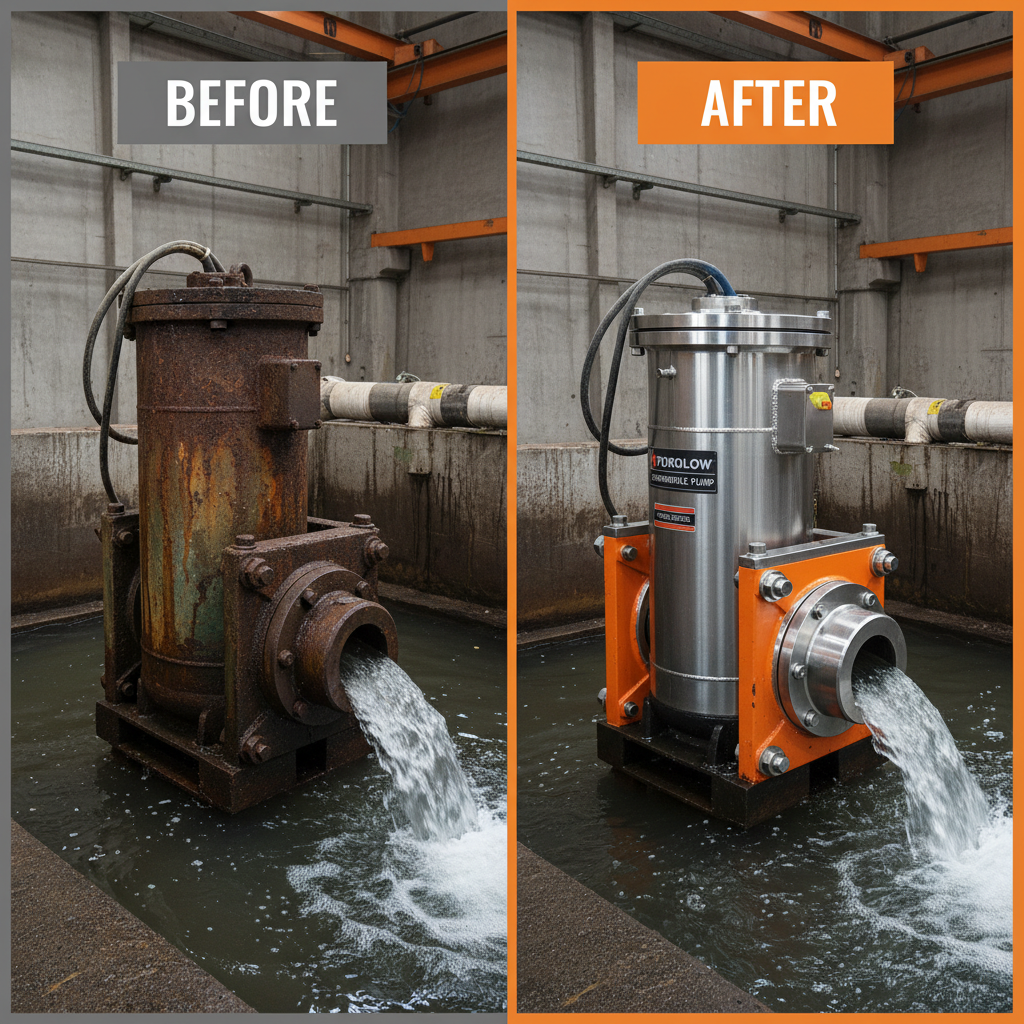 Understanding the Price Submersible Pump and Buyer GuideWhen searching for the ideal water management solution, understanding the price submersible pump options is crucial for balancing budget with performance. Whether you are dealing with a flooded basement, managing agricultural irrigation, or extracting water from a deep well, the cost of a submersible pump can vary significantly based on its build quality and capacity. Investing in a high-quality pump ensures long-term reliability and reduces the frequency of expensive replacements. In this guide, we will break down the factors that influence pricing and help you make an informed decision for your specific needs.Detail
 -
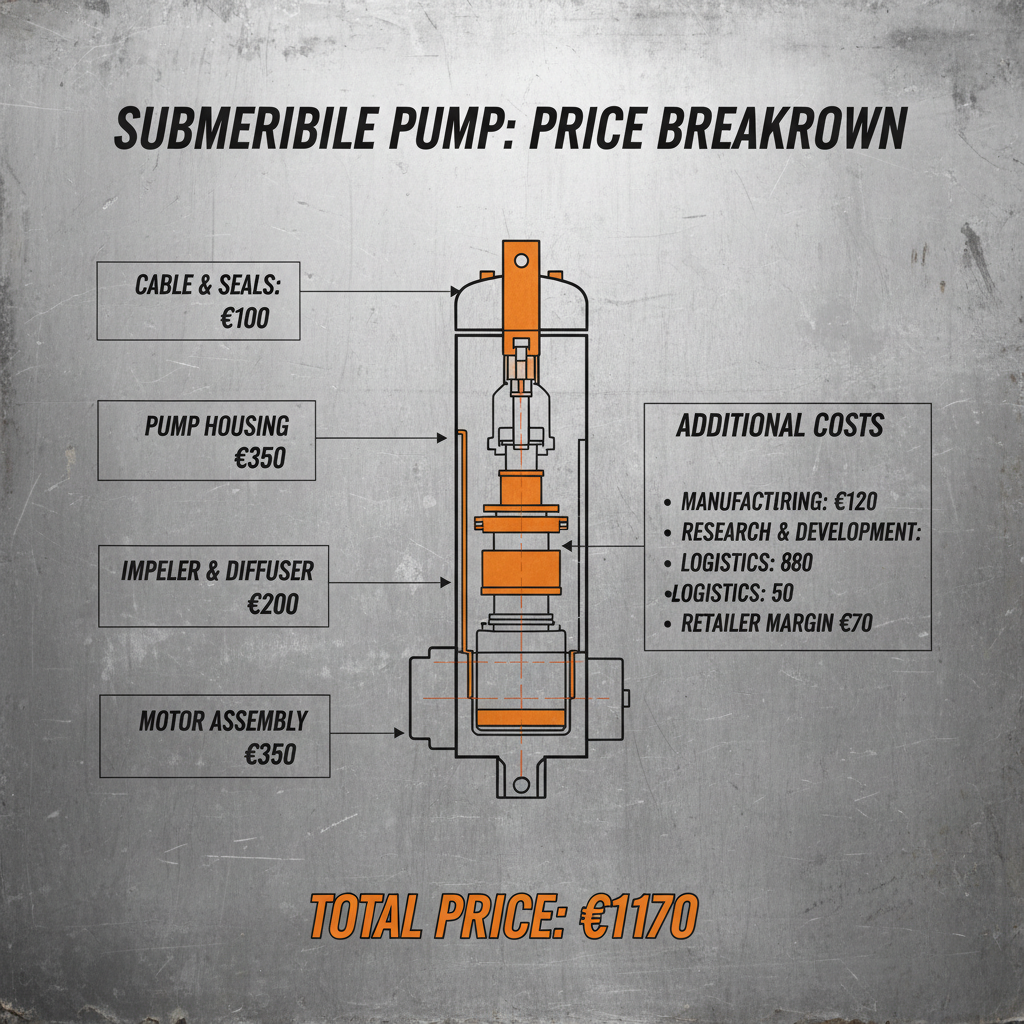 Factors Affecting the Price for Submersible Pump a Buyers GuideWhen investing in water management systems, understanding the price for submersible pump options is essential for balancing performance with budget. Whether you are managing a residential well, an industrial drainage project, or agricultural irrigation, the cost of a pump is rarely a flat fee; it is a reflection of the engineering, materials, and capacity required for your specific environment. In this guide, we will break down the factors that influence pricing and help you determine the best value for your investment to ensure long-term reliability and efficiency.Detail
 -
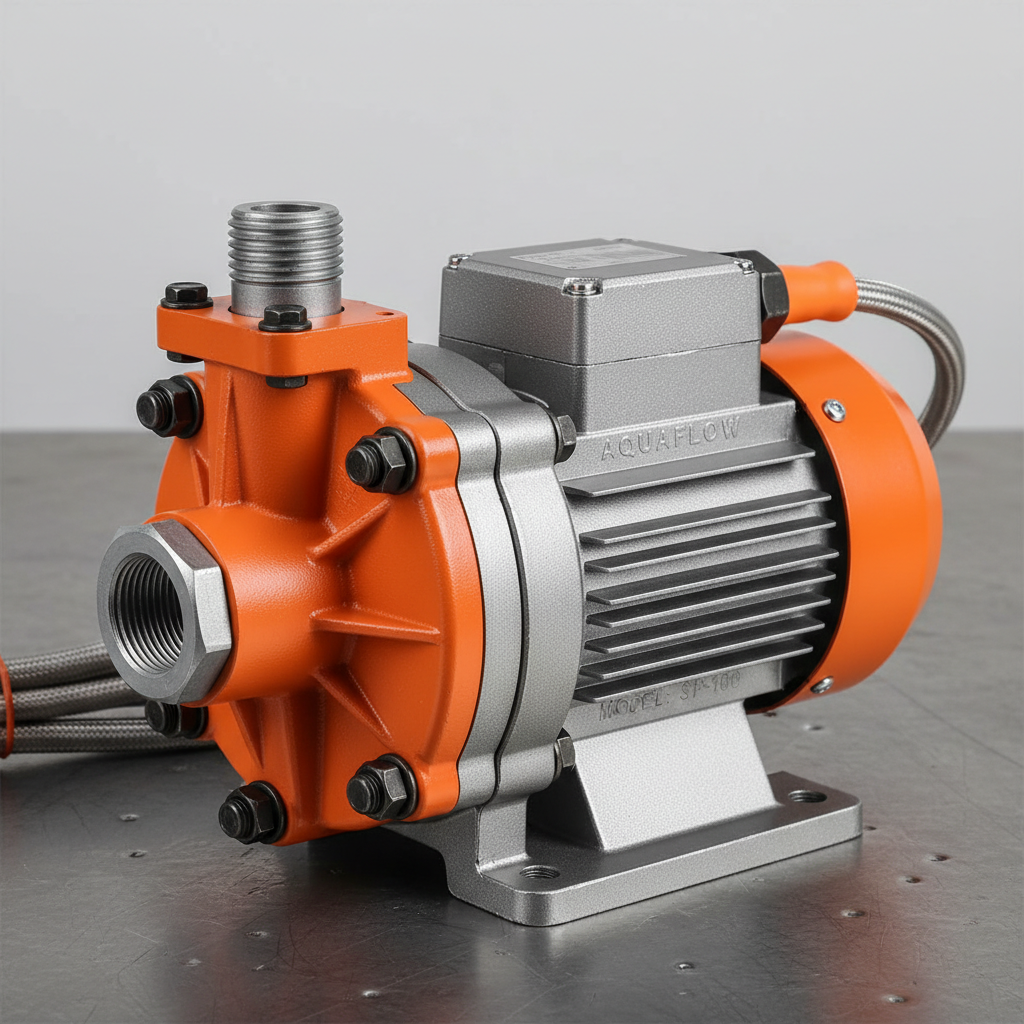 Choosing the Right Mini Submersible Fountain Pump for Optimal Water Feature PerformanceCreating a beautiful and relaxing water feature doesn't have to be complicated. A mini submersible fountain pump is the heart of any indoor or outdoor fountain, and selecting the right one is crucial for optimal performance and longevity. This article will guide you through the key considerations when choosing a mini submersible fountain pump, covering types, features, applications, and how to ensure you get the perfect pump for your project. We’ll also explore how Wellpumpact can provide you with the ideal solution.Detail
 Afrikaans
 Albanian
 Amharic
 Arabic
 Armenian
 Azerbaijani
 Basque
 Belarusian
 Bengali
 Bosnian
 Bulgarian
 Catalan
 Cebuano
 Corsican
 Croatian
 Czech
Czech
 Danish
 Dutch
Dutch
 Esperanto
 Estonian
 Finnish
 French
 Frisian
 Galician
 Georgian
 German
 Greek
Greek
 Gujarati
 Haitian Creole
 Hausa
Hausa
 Hawaiian
 Hebrew
 Hindi
Hindi
 Miao
Miao
 Hungarian
 Icelandic
 Igbo
Igbo
 Indonesian
 Irish
Irish
 Italian
 Japanese
 Javanese
 Kannada
 Kazakh
 Khmer
Khmer
 Rwandese
 Korean
 Kurdish
 Kyrgyz
 Lao
Lao
 Latin
Latin
 Latvian
 Lithuanian
 Luxembourgish
 Macedonian
 Malgashi
 Malay
Malay
 Malayalam
 Maltese
 Maori
Maori
 Marathi
 Mongolian
 Myanmar
 Nepali
 Norwegian
 Norwegian
 Occitan
 Pashto
 Persian
 Polish
 Portuguese
 Punjabi
 Romanian
 Russian
 Samoan
 Scottish Gaelic
 Serbian
 Sesotho
 Shona
Shona
 Sindhi
 Sinhala
 Slovak
 Slovenian
 Somali
 Spanish
 Sundanese
 Swahili
 Swedish
 Tagalog
 Tajik
Tajik
 Tamil
Tamil
 Tatar
Tatar
 Telugu
 Thai
Thai
 Turkish
 Turkmen
 Ukrainian
 Urdu
Urdu
 Uighur
 Uzbek
Uzbek
 Vietnamese
 Welsh
Welsh
 Bantu
Bantu
 Yiddish
 Yoruba
 Zulu
Zulu
 English