
Nov . 27, 2025 08:20 Back to list
Durable and Efficient Submersible Water Pumps for Sale | Global Solutions
Submersible Water Pumps for Sale: Why They Matter Globally
If you've ever wondered how clean water gets pumped from deep wells or flooded zones without the fuss and noise of traditional systems, then submersible water pumps have probably done their magic without you noticing. These nifty devices are literally submerged inside water, pushing fluids rather than pulling them — a design that’s quietly crucial worldwide. In a global context where water scarcity, climate change, and infrastructure challenges hit real hard, understanding submersible water pumps for sale isn’t just a niche hobby. It’s about tapping into a technology that supports agriculture, disaster relief, urban development, and even remote industrial projects. This article will walk you through what they are, why they’re vital, and what trends you should keep an eye on if you’re in the water management game or just mildly curious.
Global Relevance of Submersible Water Pumps
Globally, more than two billion people still lack access to safely managed drinking water services, according to the UN’s latest water reports. This sobering statistic underscores the importance of technologies that make pumping water easier, cleaner, and more reliable. Submersible pumps handle these challenges because their design avoids cavitation — a common problem in surface pumps — by being submerged and pushing water rather than pulling it. The World Bank highlights that in agricultural regions, boosting irrigation efficiency with such pumps can increase crop yields up to 30%. Meanwhile, disaster-relief agencies rely on the speedy installation of submersible pumps to clear floodwaters or provide emergency water supplies almost instantly. So the “pumps for sale” market isn’t just about selling gear; it’s about solutions that tackle global crises from food security to climate impact mitigation.
Mini takeaway: Submersible water pumps aren’t just gadgets; they’re a lifeline for billions and a key player in sustainable water management worldwide.
What Are Submersible Water Pumps?
Simply put, submersible water pumps are electrical pumps designed to be fully submerged within the fluid they’re moving. Unlike traditional pumps that sit above ground and pull water up, submersible pumps push water upward from beneath. Their sealed motor assembly prevents water ingress, making them reliable even in harsh environments. This design is quite popular in modern industry — think irrigation, municipal water supply, and even deep mining operations — where the pump needs to function deep underwater or underground without fail. Humanitarian programs also leverage these pumps to provide safe water access in rural or disaster-stricken communities, where installing surface pumps might be impractical or too slow.
Core Components Matter – What Makes a Quality Submersible Pump?
1. Durability and Materials
Most submersible pumps are crafted from stainless steel or high-grade polymers to resist corrosion and abrasion. Durability is crucial — equipment that fails in harsh environments can cause major delays and extra costs. For example, pumps designed for saltwater environments feature specific coatings to prevent rust.
2. Power & Efficiency
The motor’s capacity — often measured in horsepower or kW — determines how much water the pump can move and how deep it can push it. Energy efficiency is also a hot topic, especially given rising electricity prices. Many modern pumps meet or exceed efficiency standards like those set by ISO.
3. Scalability & Size Options
Whether you need a small unit for a backyard well or a massive pump for industrial wastewater, submersible pumps come in lots of sizes and capacities. This flexibility lets end-users tailor solutions to precise needs without overspending.
4. Control and Automation Features
Increasingly, pumps come equipped with sensors and automation, allowing remote monitoring of flow rates, temperature, and potential failures. In fact, in remote mining sites, integrated IoT technology means operators don’t even have to be on site to manage water levels.
Mini takeaway: You want a pump that lasts, uses power smartly, fits your scale, and ideally talks to you through some app — that’s the formula.
How Are These Pumps Used Around the World?
- In agriculture: In regions like sub-Saharan Africa and Southeast Asia, submersible pumps irrigate crops and help rural households access groundwater efficiently.
- Disaster relief: After floods in South Asia or hurricanes in the Caribbean, these pumps drain dangerous water quickly to prevent further damage.
- Industrial sectors: Mining companies in Australia and Canada use submersible pumps to manage water intrusion underground, ensuring safety and productivity.
- Urban water supply: Municipal water authorities in cities worldwide deploy large submersible pumps for sewage and water treatment plants.
A particularly striking example was during Hurricane Harvey in 2017, when rapid deployment of submersible pumps helped cities like Houston manage record flooding, a feat credited with saving thousands of homes.
Why Choose Submersible Pumps? The Real Benefits
There’s a lot to like — beyond just moving water.
- Cost-Effectiveness: Lower maintenance needs since the motor isn’t exposed to air and contaminants.
- Sustainability: Many new models integrate solar panels or energy-saving tech to reduce environmental footprint.
- Safety: Because they’re sealed and underwater, the risk of electric shock is minimized.
- Reliability: Consistent performance even in tough, muddy, or debris-filled water bodies.
- Social impact: Access to clean water uplifts quality of life, improving health, education, and dignity worldwide.
Product Specification Table
| Model | Power (kW) | Max Flow (m³/h) | Max Head (m) | Material | Price Range (USD) |
|---|---|---|---|---|---|
| AquaPump X100 | 1.5 | 20 | 50 | Stainless Steel | $400 - $600 |
| HydroFlow 500 | 3.0 | 50 | 80 | High-Grade Polymer | $900 - $1,200 |
| EcoPump SolarWave | 0.75 | 15 | 30 | Mixed Polymers | $750 - $950 |
Comparing Popular Vendors
| Vendor | Warranty | Global Reach | Tech Support | Customization Options |
|---|---|---|---|---|
| PumpTech International | 3 Years | Worldwide | 24/7 Phone & Email | Yes |
| AquaDynamics | 2 Years | North America, Europe | Business Hours Only | Limited |
| EcoPump Solutions | 4 Years | Focused on Asia-Pacific | Dedicated Onsite Teams | Highly Customizable |
Looking Ahead: The Future of Submersible Water Pumps
Oddly enough, these pumps, which might seem like basic mechanical fixtures, are getting smarter and greener by the minute. Solar-powered submersible pumps are capturing attention in regions without reliable grid access. Meanwhile, digital transformations bring pumps connected to IoT networks, enabling predictive maintenance and remote diagnostics — no guessing games about whether a pump is about to fail. Some designs even explore biodegradable materials or modular parts that simplify repairs in the field, a game-changer for humanitarian logistics. The intersection of energy efficiency, digital control, and eco-friendliness is definitely where the future of water pumping is headed.
Common Challenges and How They’re Tackled
Not everything about submersible pumps is rosy, of course. One major issue is sealing: if water seeps into the motor, equipment failure is near. That’s why quality manufacturing coupled with rigorous testing standards like ISO 9906 certification is essential. Another challenge lies in access: remote areas sometimes struggle with spare parts or tech know-how. Here’s where vendor support and training programs make a real difference. Finally, the upfront cost can discourage smallholders, but subsidies and micro-financing schemes have helped close the gap in many countries.
FAQ: Your Top Questions on Submersible Water Pumps for Sale
Q1: What factors should I consider when buying a submersible pump?
A: Look at the depth you need to pump from, flow rate requirements, power source availability, and pump material compatibility with water type. Also, consider warranty and vendor support for peace of mind.
Q2: Can these pumps work with solar panels?
A: Absolutely. Many models now come adapted for solar power, especially smaller and medium-sized pumps ideal for remote rural locations without electricity grids.
Q3: How long does a typical submersible pump last?
A: With proper maintenance and quality components, these pumps usually last 7–10 years, sometimes longer. Harsh environments can shorten lifespan, so regular checks are recommended.
Q4: Are submersible pumps easy to install?
A: Generally, yes. They require lowering into the water source and connecting the power supply. Some applications need professional assistance, but many models are designed for simple DIY installation.
Q5: Where can I find reliable submersible water pumps for sale?
A: Trusted vendors often have regional distributors or online marketplaces. For tailored advice, check out submersible water pumps for sale, which offers detailed options and expert consultation.
Wrapping It Up
In real terms, submersible water pumps are more than machines — they’re enablers of modern life, agricultural productivity, and emergency response. The blend of durability, efficiency, and growing tech innovation ensure this market keeps expanding to reach areas that need it most. Whether you’re a farmer, an engineer, or someone interested in water tech, understanding the options for submersible water pumps for sale means you’re better equipped to make decisions that matter. Curious? Dive deeper — because water waits for no one.
Explore, learn, and maybe soon, install one of these reliable helpers. Visit submersible water pumps for sale to get started.
References:
1. UN Water Statistical Briefing, 2023.
2. World Bank Report on Irrigation and Water Use, 2022.
3. ISO Certification Standards for Pump Testing (ISO 9906).
-
Understanding the Price Submersible Pump and Buyer Guide
NewsApr.16,2026
-
Factors Affecting the Price for Submersible Pump a Buyers Guide
NewsApr.09,2026
-
Choosing the Right Mini Submersible Fountain Pump for Optimal Water Feature Performance
NewsApr.07,2026
-
A Detailed Guide to Installing a Submersible Pump for Optimal Performance
NewsApr.04,2026
-
Comprehensive Guide on How to Test a Submersible Water Well Pump Effectively
NewsMar.31,2026
-
Learn How to Replace a Submersible Well Pump Safely and Effectively
NewsMar.28,2026
-
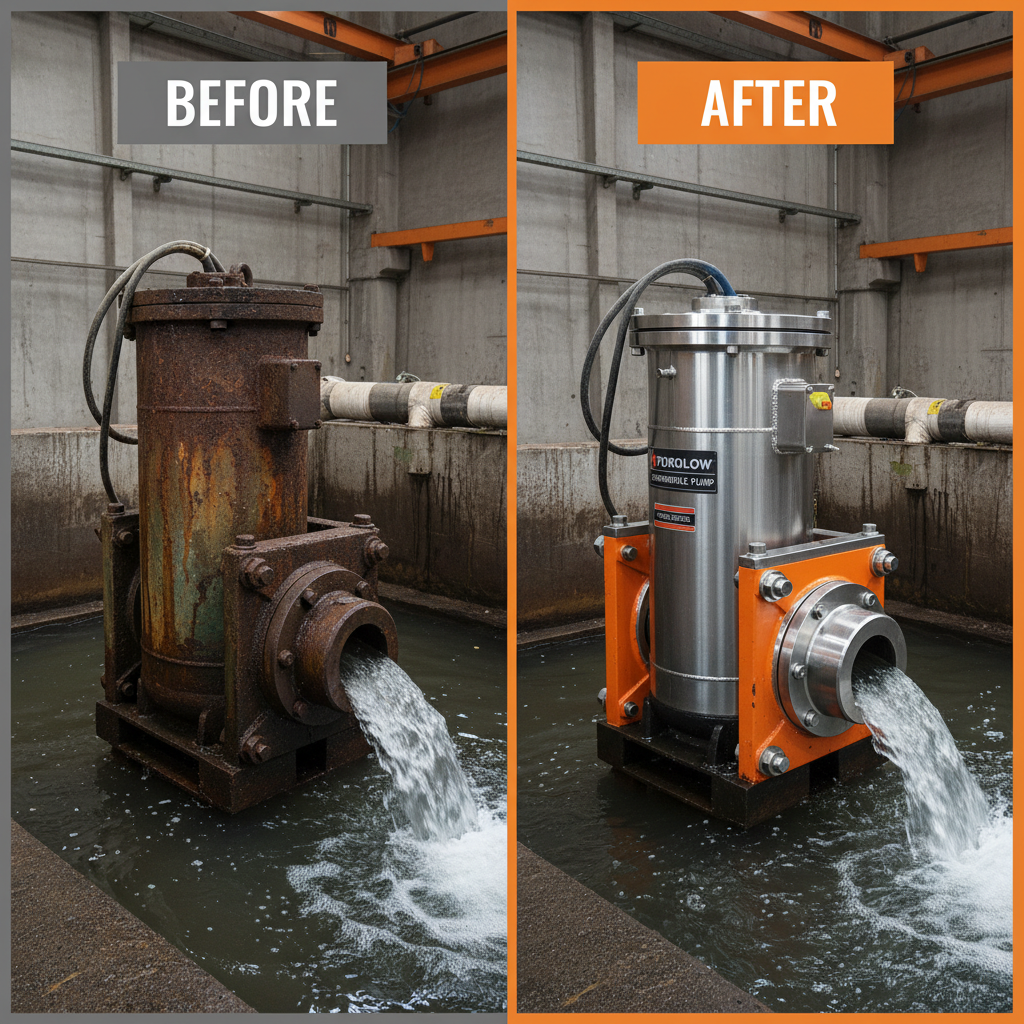 Understanding the Price Submersible Pump and Buyer GuideWhen searching for the ideal water management solution, understanding the price submersible pump options is crucial for balancing budget with performance. Whether you are dealing with a flooded basement, managing agricultural irrigation, or extracting water from a deep well, the cost of a submersible pump can vary significantly based on its build quality and capacity. Investing in a high-quality pump ensures long-term reliability and reduces the frequency of expensive replacements. In this guide, we will break down the factors that influence pricing and help you make an informed decision for your specific needs.Detail
 -
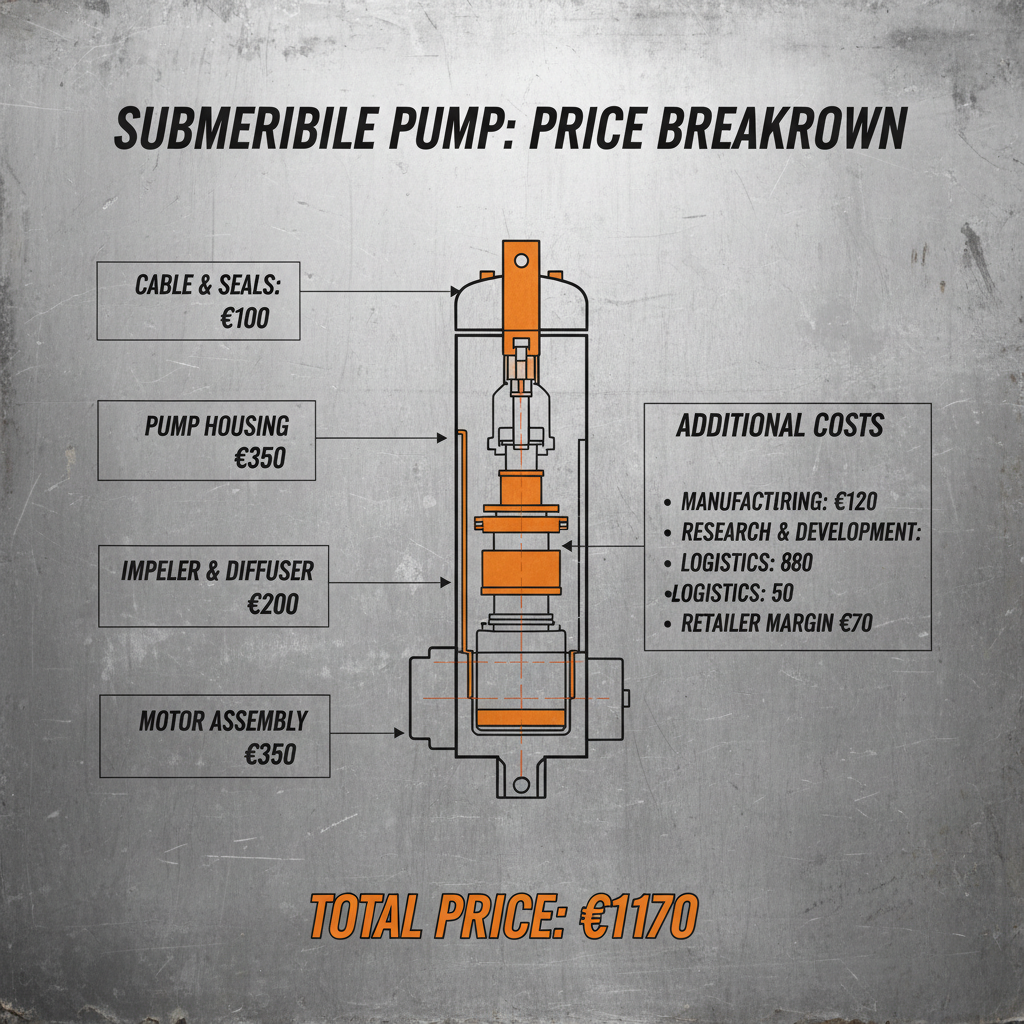 Factors Affecting the Price for Submersible Pump a Buyers GuideWhen investing in water management systems, understanding the price for submersible pump options is essential for balancing performance with budget. Whether you are managing a residential well, an industrial drainage project, or agricultural irrigation, the cost of a pump is rarely a flat fee; it is a reflection of the engineering, materials, and capacity required for your specific environment. In this guide, we will break down the factors that influence pricing and help you determine the best value for your investment to ensure long-term reliability and efficiency.Detail
 -
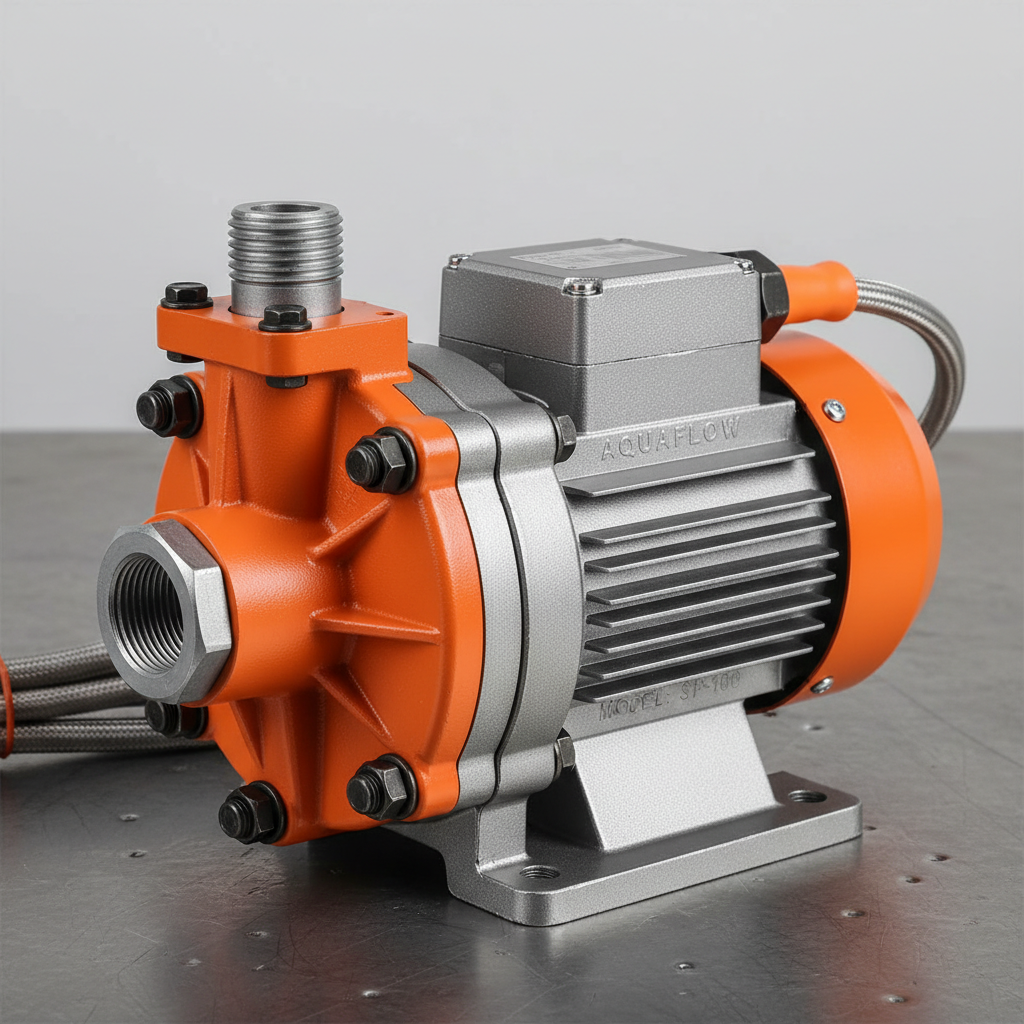 Choosing the Right Mini Submersible Fountain Pump for Optimal Water Feature PerformanceCreating a beautiful and relaxing water feature doesn't have to be complicated. A mini submersible fountain pump is the heart of any indoor or outdoor fountain, and selecting the right one is crucial for optimal performance and longevity. This article will guide you through the key considerations when choosing a mini submersible fountain pump, covering types, features, applications, and how to ensure you get the perfect pump for your project. We’ll also explore how Wellpumpact can provide you with the ideal solution.Detail
 Afrikaans
 Albanian
 Amharic
 Arabic
 Armenian
 Azerbaijani
 Basque
 Belarusian
 Bengali
 Bosnian
 Bulgarian
 Catalan
 Cebuano
 Corsican
 Croatian
 Czech
Czech
 Danish
 Dutch
Dutch
 Esperanto
 Estonian
 Finnish
 French
 Frisian
 Galician
 Georgian
 German
 Greek
Greek
 Gujarati
 Haitian Creole
 Hausa
Hausa
 Hawaiian
 Hebrew
 Hindi
Hindi
 Miao
Miao
 Hungarian
 Icelandic
 Igbo
Igbo
 Indonesian
 Irish
Irish
 Italian
 Japanese
 Javanese
 Kannada
 Kazakh
 Khmer
Khmer
 Rwandese
 Korean
 Kurdish
 Kyrgyz
 Lao
Lao
 Latin
Latin
 Latvian
 Lithuanian
 Luxembourgish
 Macedonian
 Malgashi
 Malay
Malay
 Malayalam
 Maltese
 Maori
Maori
 Marathi
 Mongolian
 Myanmar
 Nepali
 Norwegian
 Norwegian
 Occitan
 Pashto
 Persian
 Polish
 Portuguese
 Punjabi
 Romanian
 Russian
 Samoan
 Scottish Gaelic
 Serbian
 Sesotho
 Shona
Shona
 Sindhi
 Sinhala
 Slovak
 Slovenian
 Somali
 Spanish
 Sundanese
 Swahili
 Swedish
 Tagalog
 Tajik
Tajik
 Tamil
Tamil
 Tatar
Tatar
 Telugu
 Thai
Thai
 Turkish
 Turkmen
 Ukrainian
 Urdu
Urdu
 Uighur
 Uzbek
Uzbek
 Vietnamese
 Welsh
Welsh
 Bantu
Bantu
 Yiddish
 Yoruba
 Zulu
Zulu
 English