
Dec . 02, 2025 15:30 Back to list
Immersible Pumps: Global Solutions for Efficient Water Management
Immersible Pumps: The Engine Beneath Global Water Solutions
At first glance, immersible pumps might seem like just another industrial component—but in reality, these devices hold a remarkable place in addressing a range of global water challenges. From powering irrigation systems in parched farmlands to enabling clean water access in disaster-stricken areas, immersible pumps quietly underpin countless vital processes. Understanding what they are and how they function offers insights into both modern infrastructure and humanitarian efforts.
Globally, water scarcity affects more than 2 billion people (UN, 2023), and energy-efficient water management solutions are increasingly critical. Immersible pumps play a pivotal role here, offering benefits such as reduced contamination risk, energy efficiency, and adaptability to harsh or remote environments.
Global Context: Why Immersible Pumps Matter Now More Than Ever
With urban populations projected to reach 68% by 2050 (World Bank, 2022), the demand for reliable water extraction and management technologies is soaring. Immersible pumps directly address issues of groundwater extraction, sewage disposal, and industrial fluid handling with comparatively lower operational noise and energy consumption.
Yet, challenges persist—like pump longevity under extreme conditions or ease of maintenance in remote zones. These hurdles spur continuous innovation in immersible pumps design and deployment strategies worldwide.
What Are Immersible Pumps?
Simply put, an immersible pump is a mechanical device that moves fluids by being submerged directly in the liquid it pumps. Unlike surface pumps that draw water from above, immersible pumps sit underwater—often deep within wells or tanks—and push water upwards.
This distinction matters because immersible pumps avoid many common issues such as cavitation (which can damage surface pumps), and they typically boast higher efficiency for deep water extraction. They're essential in sectors ranging from agriculture to wastewater treatment to mining operations.
Core Components and Key Factors
Durability
Immersible pumps face constant exposure to water, sediment, and sometimes corrosive elements. Constructing them from materials like stainless steel, thermoplastics, or specialized ceramics ensures they withstand abrasion and chemical attack.
Efficiency
Energy consumption is a big deal. With electric motors housed inside the pump itself, modern immersible pumps minimize energy loss compared to traditional setups. Many engineers highlight improved motor design and hydrodynamic impellers as game-changers.
Scalability
Immersible pumps come in a range of sizes—from small submersible units suitable for household wells to massive models serving industrial sites. This scalability enables tailored solutions across diverse applications.
Maintenance & Reliability
Because immersible pumps are submerged, servicing can be more challenging. Manufacturers often design modular components or employ advanced seals to limit downtime and improve reliability. In certain scenarios, remote monitoring technology is also integrated.
Cost Efficiency
Even though initial investment might be higher than simpler pumps, immersible pumps’ longer lifespan, energy savings, and operational stability often result in favorable total cost of ownership.
Typical Specifications of Leading Immersible Pump Models
| Model | Power (kW) | Max Flow (m³/h) | Max Head (m) | Material |
|---|---|---|---|---|
| AquaPro SPX1000 | 1.5 | 50 | 65 | 316 SS |
| HydroFlow XLT2000 | 2.2 | 80 | 75 | Thermoplastic |
| DeepWell 500 | 3.0 | 110 | 95 | Ceramic Composite |
Global Use Cases for Immersible Pumps
From the arid landscapes of Sub-Saharan Africa to intensively farmed regions in Asia, immersible pumps help farmers irrigate their lands more sustainably and access groundwater that might otherwise be unreachable. In post-disaster environments, such as after floods or earthquakes, NGOs rely on these pumps to restore potable water quickly, essential for public health.
Meanwhile, heavy industries like mining operations in Australia or Chile use large-scale immersible pumps for dewatering mines. Oddly enough, the maritime sector also employs submersible pump tech for bilge and ballast water management.
Vendor Comparison for Common Immersible Pump Providers
| Vendor | Key Feature | Warranty | Price Range | Global Reach |
|---|---|---|---|---|
| HydroTech Solutions | Customizable materials | 3 years | $$ | North America, Europe, Asia |
| SubPump Corp | Energy-efficient motors | 5 years | $$$ | Global |
| AquaCore Pumps | Compact form factors | 2 years | $ | Europe, Africa |
Advantages and Long-Term Value
- Cost Savings: Reduced maintenance and lower energy use pay off over time.
- Sustainability: Many models now incorporate green materials and improved energy profiles.
- Social Impact: Enhancing water access supports health, agriculture, and economic development.
- Reliability: Especially critical in humanitarian operations where failure isn’t an option.
It’s not just about efficiency. Owning an immersible pump often feels like having a trustworthy partner for complex fluid challenges.
Future Trends & Innovations
Looking ahead, immersible pumps are seeing innovations such as smart sensors integrated for real-time monitoring, enabling predictive maintenance. Next-generation materials aim to reduce corrosion and wear further, while solar-powered and hybrid systems push sustainability boundaries.
Policy-wise, standards like ISO 9906 for pump testing promote quality and safety globally — critical as pumps are exported to regions with varying technical requirements.
Challenges & Expert Solutions
Challenges like sediment clogging, seal failure, or electrical faults sometimes plague pump operations—especially in harsh or remote environments. Experts often recommend tailored filtration systems, enhanced mechanical seals, and robust motor insulation to address these issues effectively.
Plus, modular design approaches make field repairs more feasible—a boon in places without easy access to specialized technicians.
FAQ: Frequently Asked Questions About Immersible Pumps
- How do immersible pumps differ from submersible pumps?
Interestingly, the terms are often used interchangeably. Technically, “immersible” emphasizes the pump’s ability to operate underwater, while “submersible” focuses on being fully submerged with motor and pump unit combined. For practical purposes, they function similarly. - What maintenance is required for an immersible pump?
Regular checks include inspecting seals, monitoring motor temperature, and cleaning intake screens. Depending on usage, annual servicing is typical to prolong pump life and ensure peak performance. - Can immersible pumps handle abrasive fluids?
Many models are designed with specialized impellers and coatings to manage abrasive or corrosive liquids, making them suitable for mining or wastewater. However, application-specific consultation is advised. - What factors should I consider when selecting an immersible pump?
Key factors include flow rate, maximum head, liquid characteristics, power source availability, installation environment, and maintenance capability. - Are there energy-efficient immersible pump options?
Yes, many manufacturers now offer pumps with IE3 or IE4 motor efficiency ratings, reducing operating costs and environmental impact significantly.
Wrapping Up: Why Immersible Pumps are Essential Water Management Tools
Whether you’re involved in industrial operations, agriculture, or humanitarian aid, immersible pumps offer a dependable and efficient solution for moving water and other fluids. Their durable engineering, adaptability, and ongoing innovation make them not just machinery, but a key part of sustainable water stewardship worldwide.
Want to learn more or explore specific immersible pumps tailored to your needs? Visit https://www.wellpumpact.com to dive deeper into options that could transform your water systems.
Mini takeaway: Immersible pumps aren’t just underwater movers—they’re lifelines for communities, industries, and ecosystems worldwide.
References
-
Understanding the Price Submersible Pump and Buyer Guide
NewsApr.16,2026
-
Factors Affecting the Price for Submersible Pump a Buyers Guide
NewsApr.09,2026
-
Choosing the Right Mini Submersible Fountain Pump for Optimal Water Feature Performance
NewsApr.07,2026
-
A Detailed Guide to Installing a Submersible Pump for Optimal Performance
NewsApr.04,2026
-
Comprehensive Guide on How to Test a Submersible Water Well Pump Effectively
NewsMar.31,2026
-
Learn How to Replace a Submersible Well Pump Safely and Effectively
NewsMar.28,2026
-
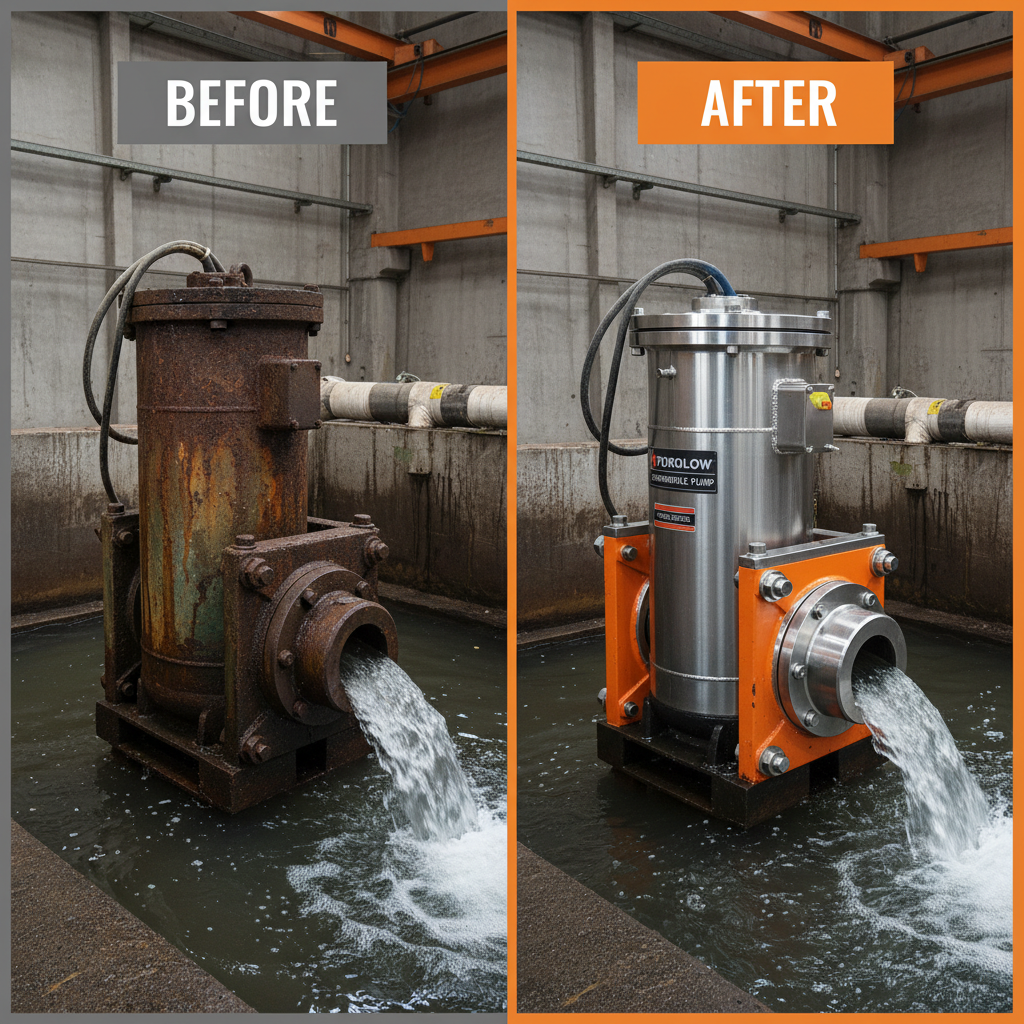 Understanding the Price Submersible Pump and Buyer GuideWhen searching for the ideal water management solution, understanding the price submersible pump options is crucial for balancing budget with performance. Whether you are dealing with a flooded basement, managing agricultural irrigation, or extracting water from a deep well, the cost of a submersible pump can vary significantly based on its build quality and capacity. Investing in a high-quality pump ensures long-term reliability and reduces the frequency of expensive replacements. In this guide, we will break down the factors that influence pricing and help you make an informed decision for your specific needs.Detail
 -
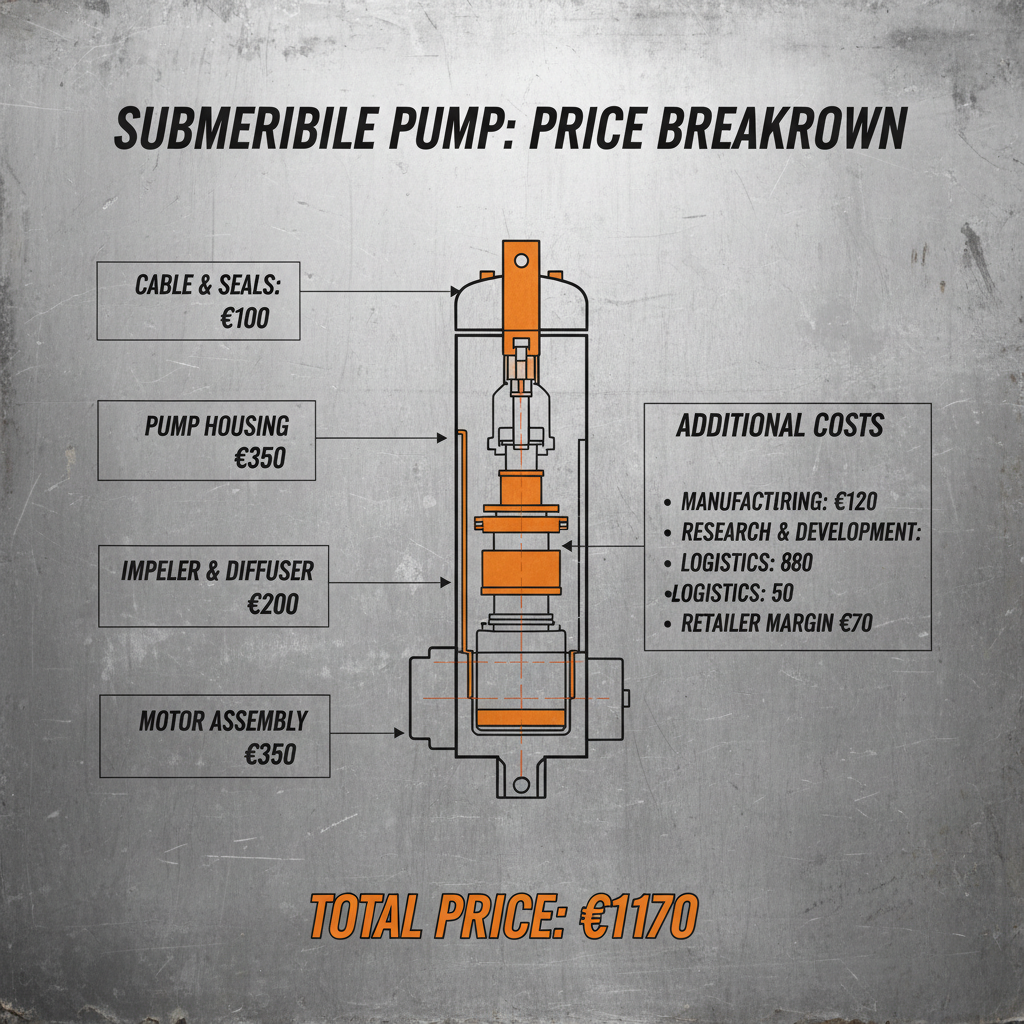 Factors Affecting the Price for Submersible Pump a Buyers GuideWhen investing in water management systems, understanding the price for submersible pump options is essential for balancing performance with budget. Whether you are managing a residential well, an industrial drainage project, or agricultural irrigation, the cost of a pump is rarely a flat fee; it is a reflection of the engineering, materials, and capacity required for your specific environment. In this guide, we will break down the factors that influence pricing and help you determine the best value for your investment to ensure long-term reliability and efficiency.Detail
 -
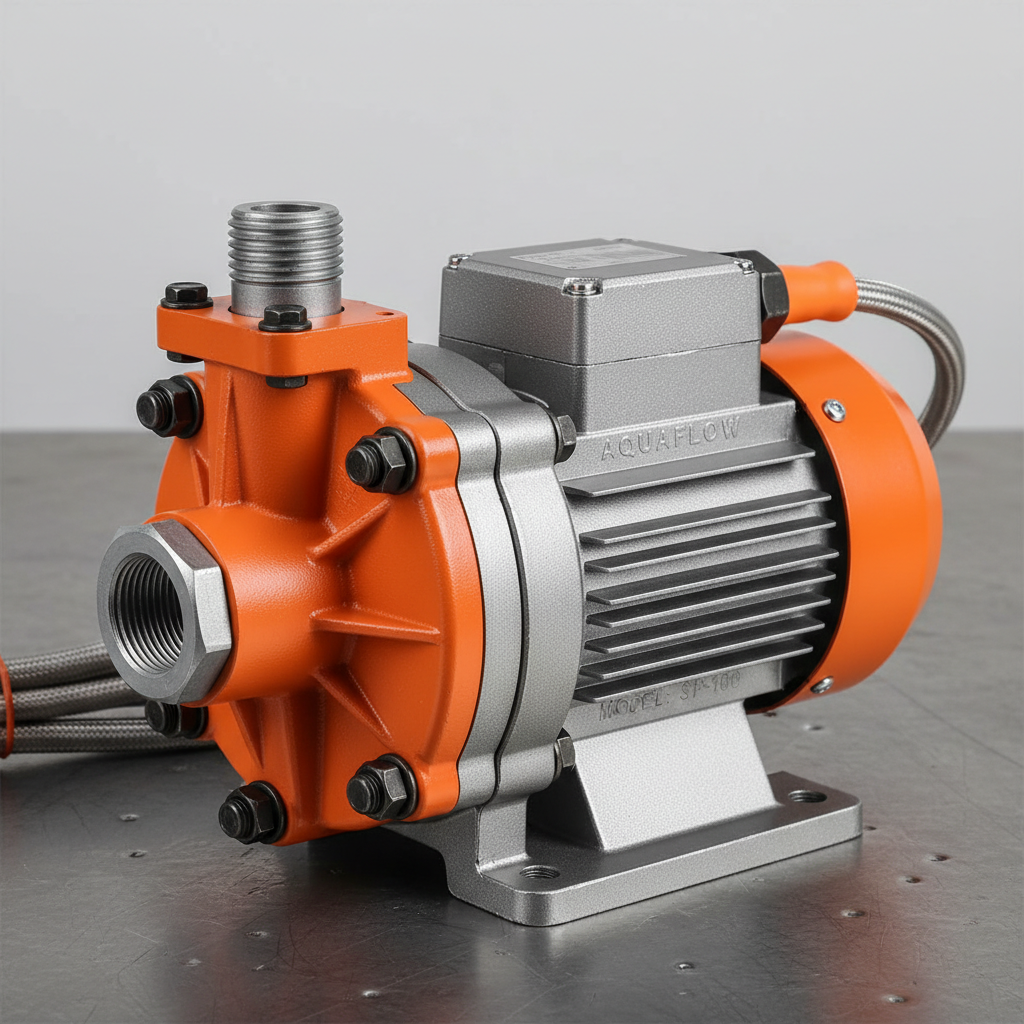 Choosing the Right Mini Submersible Fountain Pump for Optimal Water Feature PerformanceCreating a beautiful and relaxing water feature doesn't have to be complicated. A mini submersible fountain pump is the heart of any indoor or outdoor fountain, and selecting the right one is crucial for optimal performance and longevity. This article will guide you through the key considerations when choosing a mini submersible fountain pump, covering types, features, applications, and how to ensure you get the perfect pump for your project. We’ll also explore how Wellpumpact can provide you with the ideal solution.Detail
 Afrikaans
 Albanian
 Amharic
 Arabic
 Armenian
 Azerbaijani
 Basque
 Belarusian
 Bengali
 Bosnian
 Bulgarian
 Catalan
 Cebuano
 Corsican
 Croatian
 Czech
Czech
 Danish
 Dutch
Dutch
 Esperanto
 Estonian
 Finnish
 French
 Frisian
 Galician
 Georgian
 German
 Greek
Greek
 Gujarati
 Haitian Creole
 Hausa
Hausa
 Hawaiian
 Hebrew
 Hindi
Hindi
 Miao
Miao
 Hungarian
 Icelandic
 Igbo
Igbo
 Indonesian
 Irish
Irish
 Italian
 Japanese
 Javanese
 Kannada
 Kazakh
 Khmer
Khmer
 Rwandese
 Korean
 Kurdish
 Kyrgyz
 Lao
Lao
 Latin
Latin
 Latvian
 Lithuanian
 Luxembourgish
 Macedonian
 Malgashi
 Malay
Malay
 Malayalam
 Maltese
 Maori
Maori
 Marathi
 Mongolian
 Myanmar
 Nepali
 Norwegian
 Norwegian
 Occitan
 Pashto
 Persian
 Polish
 Portuguese
 Punjabi
 Romanian
 Russian
 Samoan
 Scottish Gaelic
 Serbian
 Sesotho
 Shona
Shona
 Sindhi
 Sinhala
 Slovak
 Slovenian
 Somali
 Spanish
 Sundanese
 Swahili
 Swedish
 Tagalog
 Tajik
Tajik
 Tamil
Tamil
 Tatar
Tatar
 Telugu
 Thai
Thai
 Turkish
 Turkmen
 Ukrainian
 Urdu
Urdu
 Uighur
 Uzbek
Uzbek
 Vietnamese
 Welsh
Welsh
 Bantu
Bantu
 Yiddish
 Yoruba
 Zulu
Zulu
 English