Look, I’ve spent the last twenty years breathing concrete dust and arguing with electricians, so when I talk about a reliable power source for getting water out of the ground, I’m not coming at it from a desk. A 110 volt deep well pump is the workhorse for a lot of rural setups, and increasingly, for even some bigger jobs where running three-phase power just isn't feasible or cost-effective. It’s about getting the job done, plain and simple. And a good 110v pump, properly installed, does that.
What I’ve seen over the years is a lot of guys trying to cut corners, thinking any old pump will do. That’s where you run into trouble. You need something that can handle the grit, the fluctuating voltage, and the sheer demand of pulling water from deep down. A 110 volt deep well pump, when you get a quality one, is surprisingly robust. It’s not about fancy features; it’s about dependability.
And it’s becoming more critical. Water tables are dropping in a lot of areas, meaning you need a pump that can pull from greater depths. Regulations are getting tighter about water usage, making efficiency key. And frankly, folks just want a reliable water supply without constant repairs. That’s where a well-built 110 volt deep well pump comes into its own.
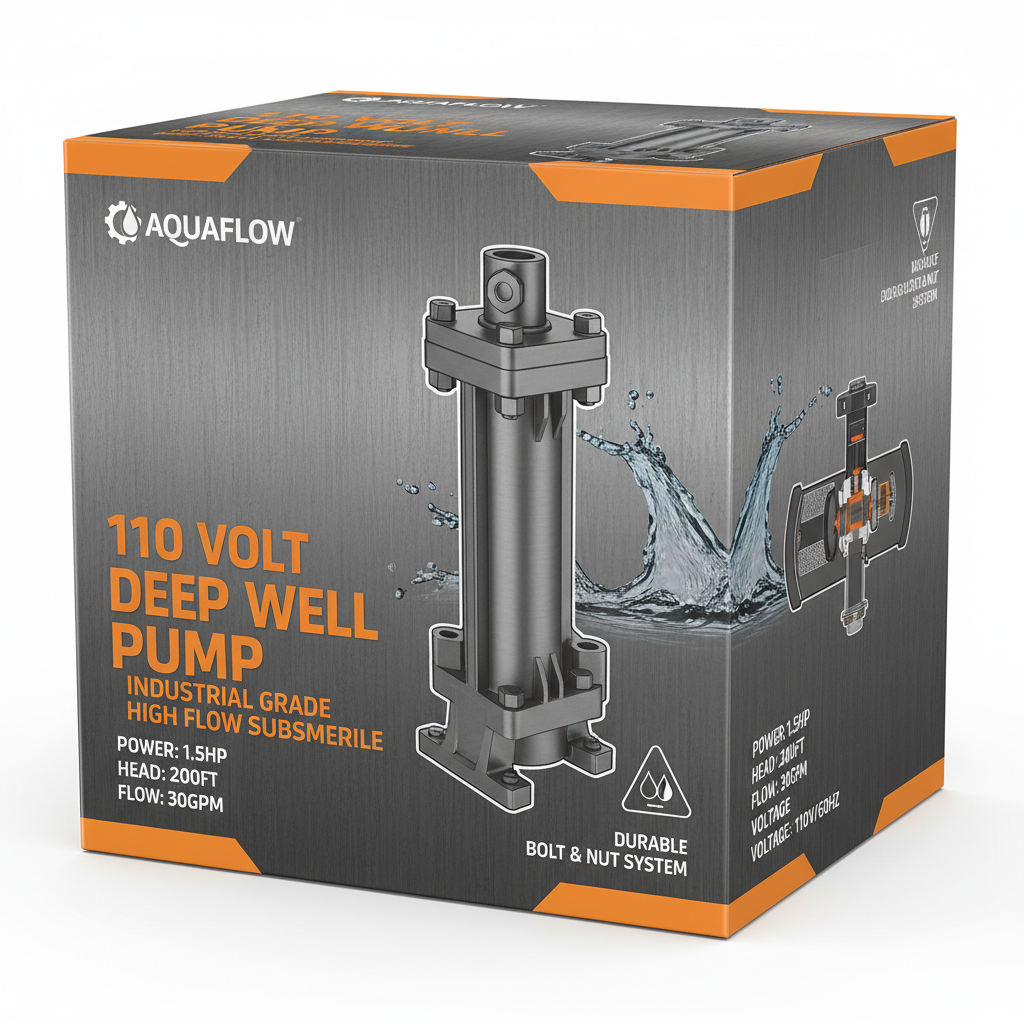
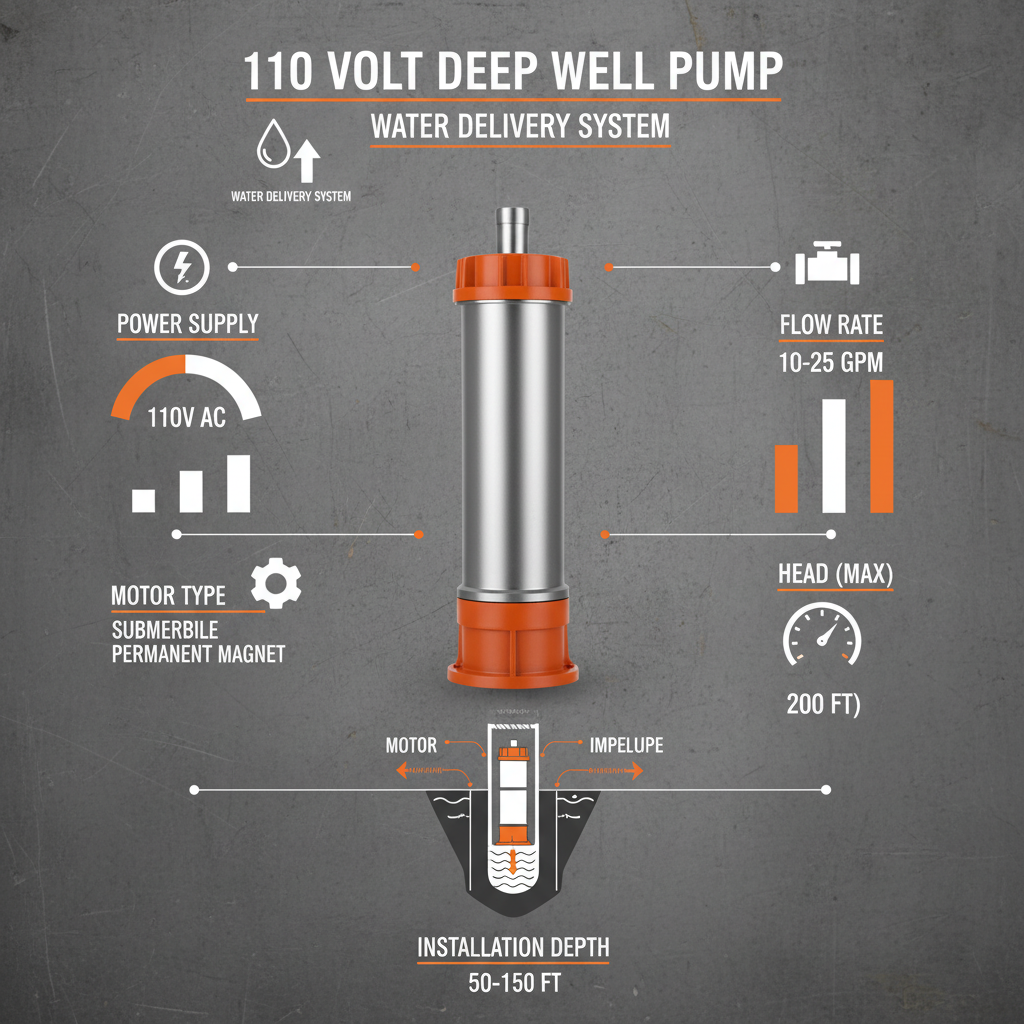
Access to potable water is a fundamental human right, but reliably delivering it is a constant challenge, especially in remote locations. According to the World Health Organization, billions lack access to safe water sources. That’s where a solid 110 volt deep well pump comes into play. It offers a practical, often affordable, solution for tapping into groundwater where municipal supplies aren’t available.
It’s not just about humanitarian aid, though. Think about agriculture. Irrigation is essential for food production, and a reliable water source is paramount. Increasingly, 110v pumps are being used for smaller-scale agricultural operations because they are easy to install and maintain with standard electrical connections. I've seen 'em powering everything from small farms to livestock watering systems.
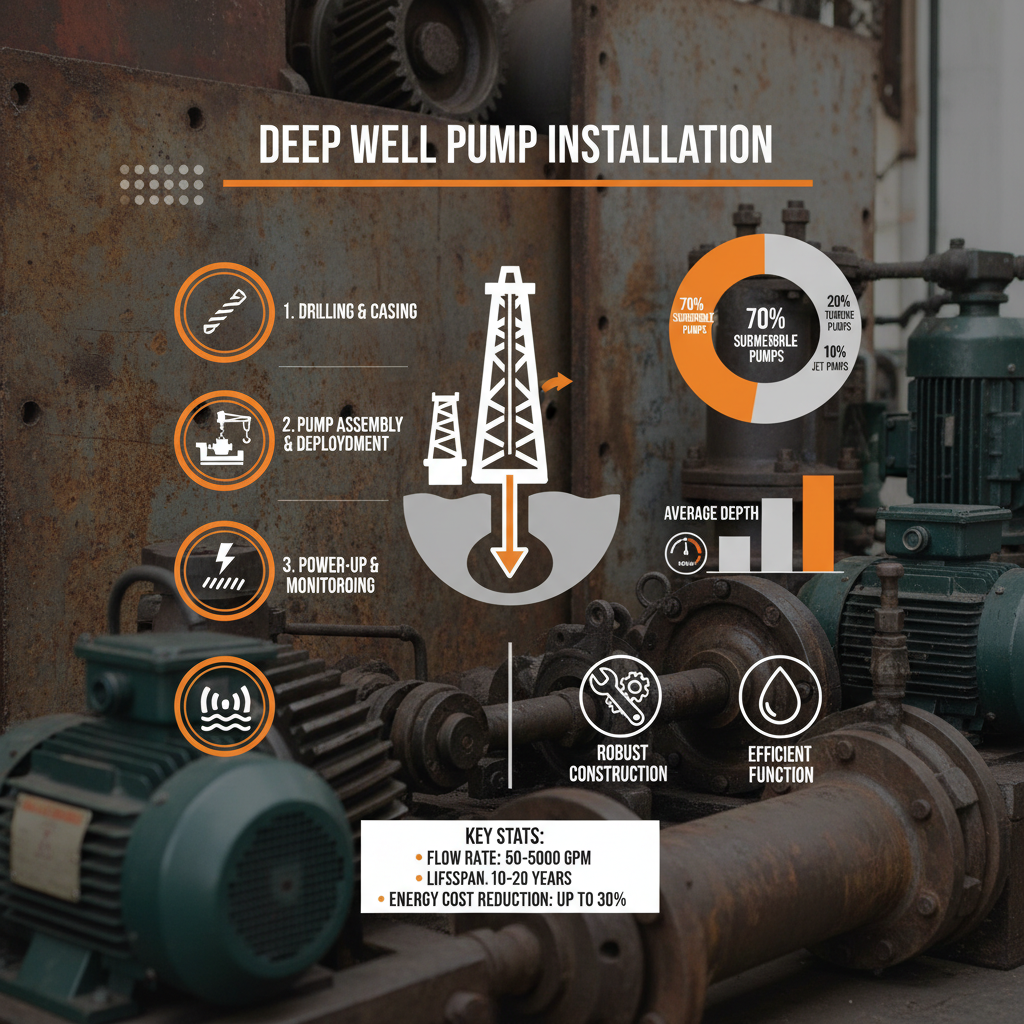
A standard 110 volt deep well pump can usually lift water from depths up to 250 feet, but it really depends on the horsepower of the pump and the diameter of the well casing. Going deeper requires a more powerful pump and careful consideration of friction loss in the piping. We’ve seen some specialized units go to 300ft, but you're pushing it.
That depends on water quality and usage. A well-maintained pump in clean water can last 15-20 years, easily. But if you’ve got a lot of sediment or minerals in your water, you might be looking at replacing it every 5-10 years. Regular inspections and filter changes are key to extending its life.
It depends on the pump’s amperage and the distance from the electrical panel. Generally, 12-gauge wire is sufficient for shorter runs, but for longer distances, you may need 10-gauge or even 8-gauge wire to avoid voltage drop. Always consult a qualified electrician to determine the correct wire size for your specific installation.
Yes, you can, but it's crucial to use a generator that provides clean, stable power. Some generators can produce voltage spikes that can damage the pump motor. It's also important to ensure the generator has enough wattage to handle the pump’s starting and running amperage.
Look for reduced water pressure, cycling on and off frequently, unusual noises (grinding or humming), or a tripped circuit breaker. If you notice any of these signs, it’s best to call a professional to diagnose the problem before it gets worse.
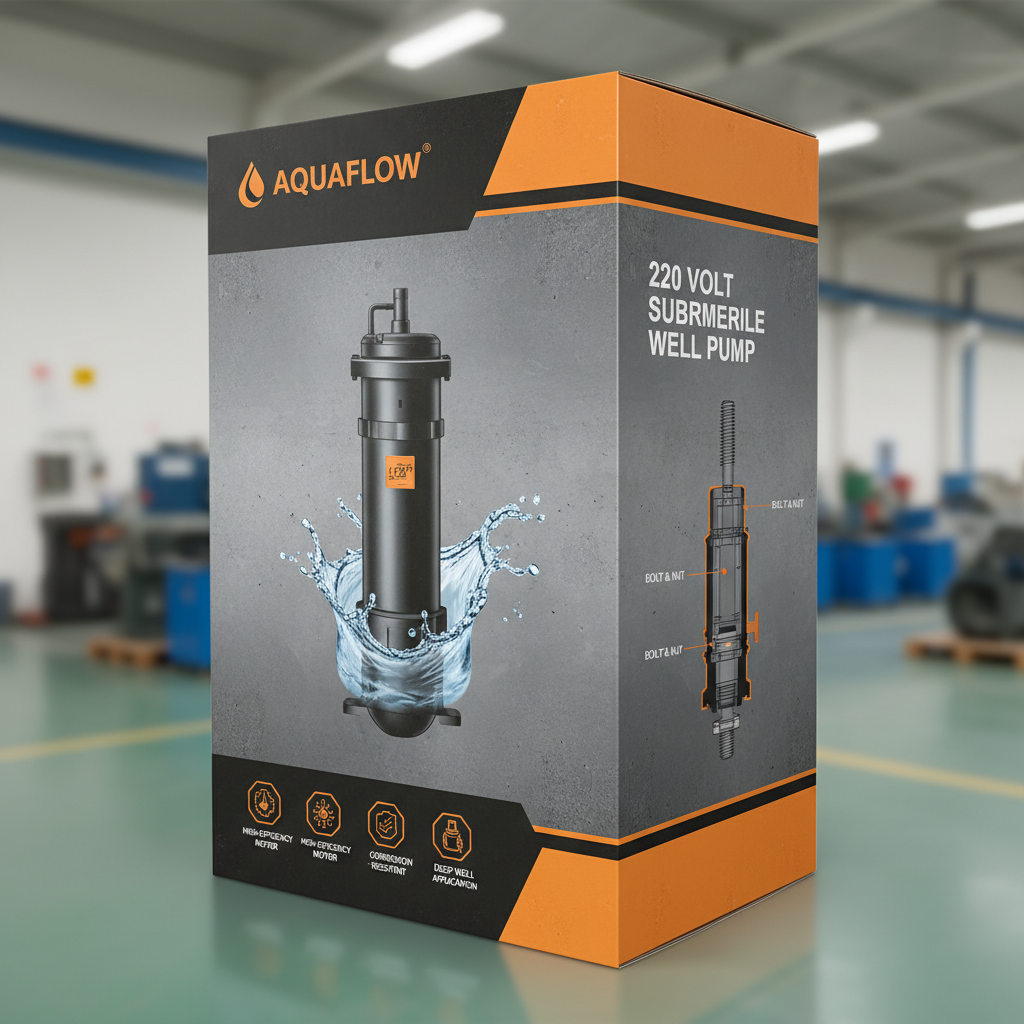
Absolutely. Jet pumps rely on suction, which is limited to around 25 feet. Submersible pumps, like the 110 volt deep well pump, push the water up, making them far more efficient and capable of lifting water from greater depths. They're also generally quieter and more reliable.
The 110 volt deep well pump remains a vital component for accessing groundwater in a multitude of applications, from providing basic necessities to supporting industrial operations. Its accessibility, relatively low installation cost, and reliable performance make it a cornerstone of water sourcing in countless regions. Understanding its components, limitations, and future innovations is crucial for maximizing its benefits and ensuring sustainable water management.
Investing in a quality pump, proper installation, and regular maintenance will pay dividends in the long run. As technology evolves, look for advancements in energy efficiency, remote monitoring, and integration with renewable energy sources to further enhance the value and sustainability of this essential technology. For reliable solutions, visit our website: www.wellpumpact.com

 Afrikaans
 Albanian
 Amharic
 Arabic
 Armenian
 Azerbaijani
 Basque
 Belarusian
 Bengali
 Bosnian
 Bulgarian
 Catalan
 Cebuano
 Corsican
 Croatian
 Czech
Czech
 Danish
 Dutch
Dutch
 Esperanto
 Estonian
 Finnish
 French
 Frisian
 Galician
 Georgian
 German
 Greek
Greek
 Gujarati
 Haitian Creole
 Hausa
Hausa
 Hawaiian
 Hebrew
 Hindi
Hindi
 Miao
Miao
 Hungarian
 Icelandic
 Igbo
Igbo
 Indonesian
 Irish
Irish
 Italian
 Japanese
 Javanese
 Kannada
 Kazakh
 Khmer
Khmer
 Rwandese
 Korean
 Kurdish
 Kyrgyz
 Lao
Lao
 Latin
Latin
 Latvian
 Lithuanian
 Luxembourgish
 Macedonian
 Malgashi
 Malay
Malay
 Malayalam
 Maltese
 Maori
Maori
 Marathi
 Mongolian
 Myanmar
 Nepali
 Norwegian
 Norwegian
 Occitan
 Pashto
 Persian
 Polish
 Portuguese
 Punjabi
 Romanian
 Russian
 Samoan
 Scottish Gaelic
 Serbian
 Sesotho
 Shona
Shona
 Sindhi
 Sinhala
 Slovak
 Slovenian
 Somali
 Spanish
 Sundanese
 Swahili
 Swedish
 Tagalog
 Tajik
Tajik
 Tamil
Tamil
 Tatar
Tatar
 Telugu
 Thai
Thai
 Turkish
 Turkmen
 Ukrainian
 Urdu
Urdu
 Uighur
 Uzbek
Uzbek
 Vietnamese
 Welsh
Welsh
 Bantu
Bantu
 Yiddish
 Yoruba
 Zulu
Zulu
 English