
Nov . 30, 2025 18:05 Back to list
Submersible Effluent Pump – Efficiency and Reliability in Wastewater Management
Understanding the Submersible Effluent Pump: Why It Matters Worldwide
If you’ve ever wondered how wastewater from industries, municipal plants, or even remote sites gets efficiently transported without clogging the system or causing environmental hazards, you’re scratching the surface of what a submersible effluent pump tackles daily. Globally, managing effluent— the outflow of water containing waste products—is a huge challenge affecting everything from urban infrastructure to disaster relief.
Knowing about submersible effluent pumps and their inner workings isn’t just for engineers wearing hard hats in industrial plants. It’s about understanding how cleaner, safer water management directly impacts health, sustainability, and economic resilience. For governments and corporations alike, optimizing this equipment means less downtime, fewer spills, and a smaller environmental footprint. In a world leaning harder into urbanization and climate change, their importance can’t be overstated.
Global Context: Facing the Wastewater Challenge Head-On
Here’s a neat statistic from the United Nations: roughly 80% of the world’s wastewater is discharged untreated into the environment (UN-Water, 2021). That’s a staggering figure when you think about health risks and environmental degradation.
The submersible effluent pump, then, becomes a frontline tool in the global water management battle. It’s used extensively in sewage treatment plants, industrial facilities, and increasingly in decentralized or rural sanitation projects. But problems pop up—pumping thick, solids laden effluent is no small feat. Clogging, corrosion, and access for maintenance can cripple operations, resulting in costly spillovers or system failure.
In many developing regions, where infrastructure is patchy and funding tight, a durable, trouble-free pumping solution isn’t just a luxury—it’s a necessity for public health and environmental compliance.
What Exactly Is a Submersible Effluent Pump?
Simply put, a submersible effluent pump is an electric pump designed to be completely submerged in the liquid it moves—specifically, wastewater that contains moderate solids, like sewage or industrial effluent. Unlike typical pumps, it’s dunked into sumps or pits, pushing waste water safely and efficiently to treatment or disposal points.
Think of it as an underwater workhorse: its motor and impeller are sealed against moisture, and its design enables it to handle grit, fibers, and sludge that would quickly choke standard water pumps.
Thanks to these features, such pumps are integral to modern sanitation systems, helping keep cities running and industries compliant—which ultimately protects both humans and the environment.
Key Features That Make a Good Submersible Effluent Pump
Durability
Since these pumps often work submerged in harsh, abrasive liquids, they must be built with corrosion-resistant materials like stainless steel or cast iron. Seals and insulation systems are engineered to prevent water ingress even under pressure.
Handling Capacity
One crucial aspect is the ability to process solids and fibrous matter without clogging. Pumps come with cutters or vortex impellers to keep things moving smoothly.
Energy Efficiency
Running 24/7 or over extended periods makes power draw a big deal. Efficient motors reduce costs and environmental impact. Newer models feature smart controls that modulate speed according to demand.
Ease of Maintenance
In real-life, you don't want to be pulling a 150-pound pump out of a pit every week. Designs typically include quick-release mechanisms and non-clogging impellers for easier upkeep.
Scalability & Versatility
Whether it’s a small wastewater plant or a sprawling industrial zone, pumps come in modular sizes and power ratings (from under 1 HP up to 30+ HP) to fit the job.
Worldwide Applications: Where Do Submersible Effluent Pumps Really Shine?
- Municipal Wastewater Treatment: Cities from Warsaw to Johannesburg rely on these pumps to move sewage through treatment phases without risking blockages or spillages.
- Industrial Plants: Chemical, paper, and food processing plants use heavy-duty pumps to transfer polluted process water safely.
- Disaster Relief: In post-tsunami or flooding zones (think Indonesia or the Gulf Coast), deploying portable submersible effluent pumps helps manage contaminated floodwaters and prevent disease outbreaks.
- Agriculture & Rural Areas: Remote farms use these to remove organic waste and irrigation runoff with minimal infrastructure.
For instance, a wastewater plant in São Paulo recently upgraded to remote-monitoring enabled pumps, slashing maintenance trips by 40%—pretty impressive for something that usually lurks unseen under murky water.
Advantages & Long-Term Value of Submersible Effluent Pumps
Alright, let’s get to the heart of it — why invest in these pumps? The benefits stack up nicely:
- Cost Effectiveness: Lower maintenance and energy savings add up quickly.
- Environmental Impact: Prevent spillages and reduce untreated discharge, crucial for local ecosystems.
- Reliability: Designed for continuous operation, reducing downtime and emergency repairs.
- Social Benefits: Safer sanitation leads to healthier communities and preserves local water resources.
And frankly, working with better pumps feels like having a trustworthy partner. You don’t have to wake up at 3 am to an alarm beep because a clog turned into a mess.
What’s Next? Innovations and Future Trends in Submersible Effluent Pumps
The tech behind these pumps is evolving with a nudge towards smart, sustainable solutions:
- Digital Controls: IoT-enabled pumps with remote diagnostics to predict failures before they happen.
- Green Power: Solar-powered submersible pumps for off-grid or eco-conscious use.
- Improved Materials: Composite materials and advanced coatings resist corrosion longer.
- Automation: Integration with plant-wide control systems for optimized water management.
All this means we might see pumps that autonomously adjust speed or even clean themselves — reducing the human elbow grease involved.
Common Challenges & How Industry Experts Are Solving Them
It’s not all perfect though — some bumps along the way:
- Clogging: Even the best pumps can jam with heavy solids. New impeller designs and cutter mechanisms help but it's still a risk.
- Energy Consumption: Continuous running means big power draws. Variable frequency drives (VFDs) are chief among solutions here.
- Corrosion: Saline or chemical wastewaters eat away at metals, so material science advances offer hope.
- Cost Barriers: High-quality pumps can be pricey upfront. Leasing or government subsidies are often used in developing regions.
Many engineers I’ve spoken with say balancing upfront investment with long-term cost savings is key. Sometimes the “premium” pump pays for itself twice over in reliability.
FAQ: Common Questions about Submersible Effluent Pumps
Q1: What’s the difference between a submersible effluent pump and a sewage pump?
A: While often used interchangeably, sewage pumps generally handle raw wastewater with higher solid content, including human waste, while effluent pumps typically manage treated wastewater or process water with less solid load. Effluent pumps are optimized to handle fibrous and slurry materials but aren’t suited for raw sewage solids.
Q2: How do I choose the right horsepower for my effluent pump?
A: Horsepower depends on the flow rate and lift height required. Roughly, small residential systems might use 0.5–1 HP, whereas municipal or industrial setups need 5 HP or more. Consulting pump curves and professional assessments is crucial for choosing the right size.
Q3: Can submersible effluent pumps be used in cold climates?
A: Yes, but freezing conditions require proper insulation or submersion below frost lines to prevent damage. Some designs include heating elements or are built to withstand temperature fluctuations.
Q4: What maintenance is typically required?
A: Regular inspections for seal integrity, impeller clogging, and motor health are standard. Remote monitoring helps reduce manual checks but physical inspection remains important to catch wear or corrosion early.
Q5: Are there eco-friendly options available?
A: Increasingly, yes. Solar-powered pumps and units manufactured with recyclable materials are gaining traction, supporting sustainability goals in remote or green-sensitive projects.
Product Specification Table: Typical Submersible Effluent Pump Model
| Specification | Details |
|---|---|
| Power | 5 HP (3.7 kW) |
| Max Flow Rate | 500 gallons per minute (GPM) |
| Max Solids Diameter | 2 inches (50 mm) |
| Material | Cast Iron with Stainless Steel Impeller |
| Weight | 65 lbs (29.5 kg) |
| Power Supply | 230V / 60Hz, single phase |
| Protection | IP68 Waterproof, Thermal Overload Protection |
Vendor Comparison Table: Market Leaders for Submersible Effluent Pumps
| Brand | Power Range | Key Feature | Typical Price (USD) |
|---|---|---|---|
| Grundfos | 0.5 - 15 HP | Energy-saving motors, intelligent controls | $3,000 - $12,000 |
| Flygt (Xylem) | 1 - 30 HP | Robust anti-clogging impellers, corrosion resistance | $4,000 - $15,500 |
| ITT Goulds | 2 - 25 HP | High efficiency, modular design | $3,500 - $14,000 |
| Zoeller | 0.75 - 7.5 HP | Durable cast iron housing, budget-friendly | $1,200 - $6,000 |
Wrapping It Up: The Long-Term Gains (and Why It’s Worth Knowing)
So, the submersible effluent pump may not be the flashiest piece of equipment in infrastructure, but it’s probably one of the most essential. Whether you’re in wastewater management, agriculture, industrial processing, or disaster mitigation, these pumps quietly do their job—24/7, largely unnoticed—keeping things flowing and contamination contained.
Understanding their design, deployment, and future potential gives you a bit of a leg up in navigating the complex world of water treatment and environmental stewardship.
Next time you hear about wastewater treatment or off-grid sanitation, remember there’s a submersible effluent pump doing the heavy lifting under the surface — literally.
Ready to explore more or find the right submersible effluent pump for your needs? Visit our website at WellPumpAct.com for detailed specs, expert advice, and tailored solutions.
References
-
Understanding the Price Submersible Pump and Buyer Guide
NewsApr.16,2026
-
Factors Affecting the Price for Submersible Pump a Buyers Guide
NewsApr.09,2026
-
Choosing the Right Mini Submersible Fountain Pump for Optimal Water Feature Performance
NewsApr.07,2026
-
A Detailed Guide to Installing a Submersible Pump for Optimal Performance
NewsApr.04,2026
-
Comprehensive Guide on How to Test a Submersible Water Well Pump Effectively
NewsMar.31,2026
-
Learn How to Replace a Submersible Well Pump Safely and Effectively
NewsMar.28,2026
-
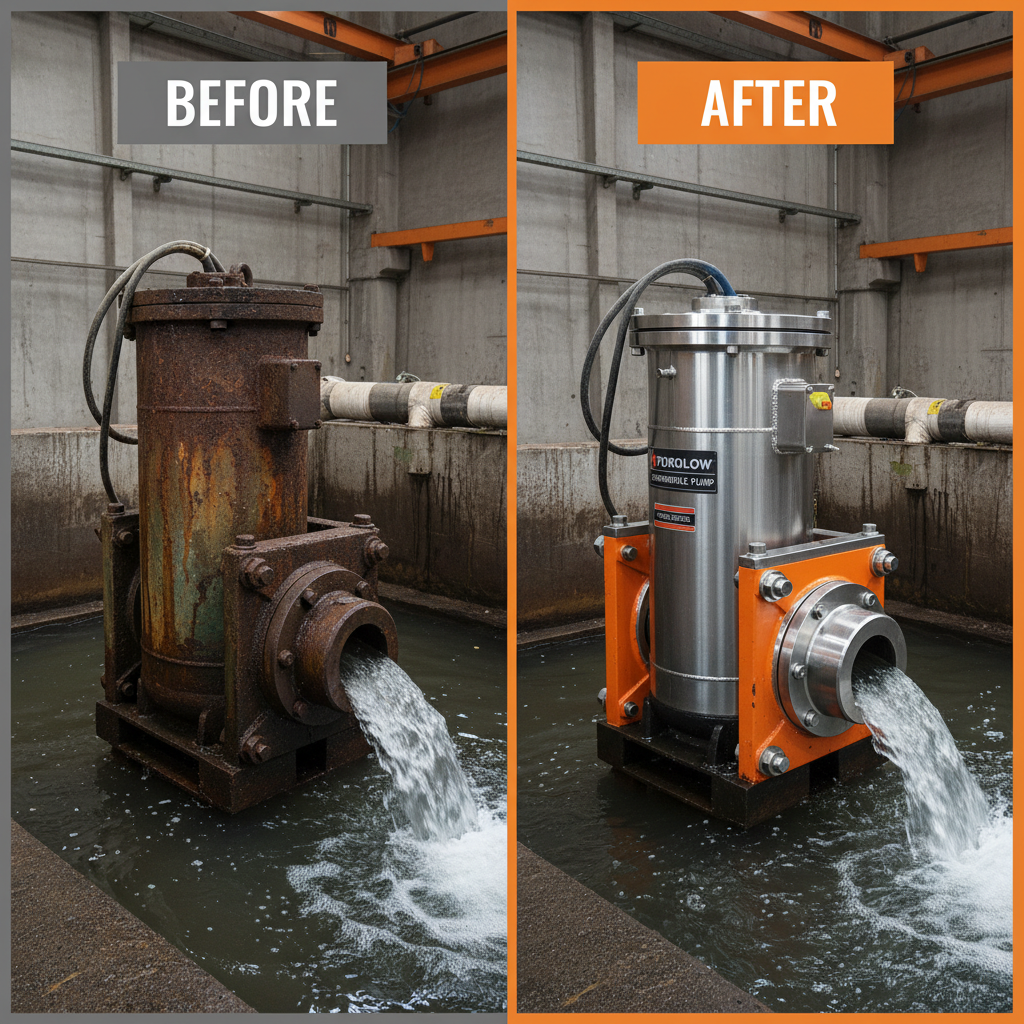 Understanding the Price Submersible Pump and Buyer GuideWhen searching for the ideal water management solution, understanding the price submersible pump options is crucial for balancing budget with performance. Whether you are dealing with a flooded basement, managing agricultural irrigation, or extracting water from a deep well, the cost of a submersible pump can vary significantly based on its build quality and capacity. Investing in a high-quality pump ensures long-term reliability and reduces the frequency of expensive replacements. In this guide, we will break down the factors that influence pricing and help you make an informed decision for your specific needs.Detail
 -
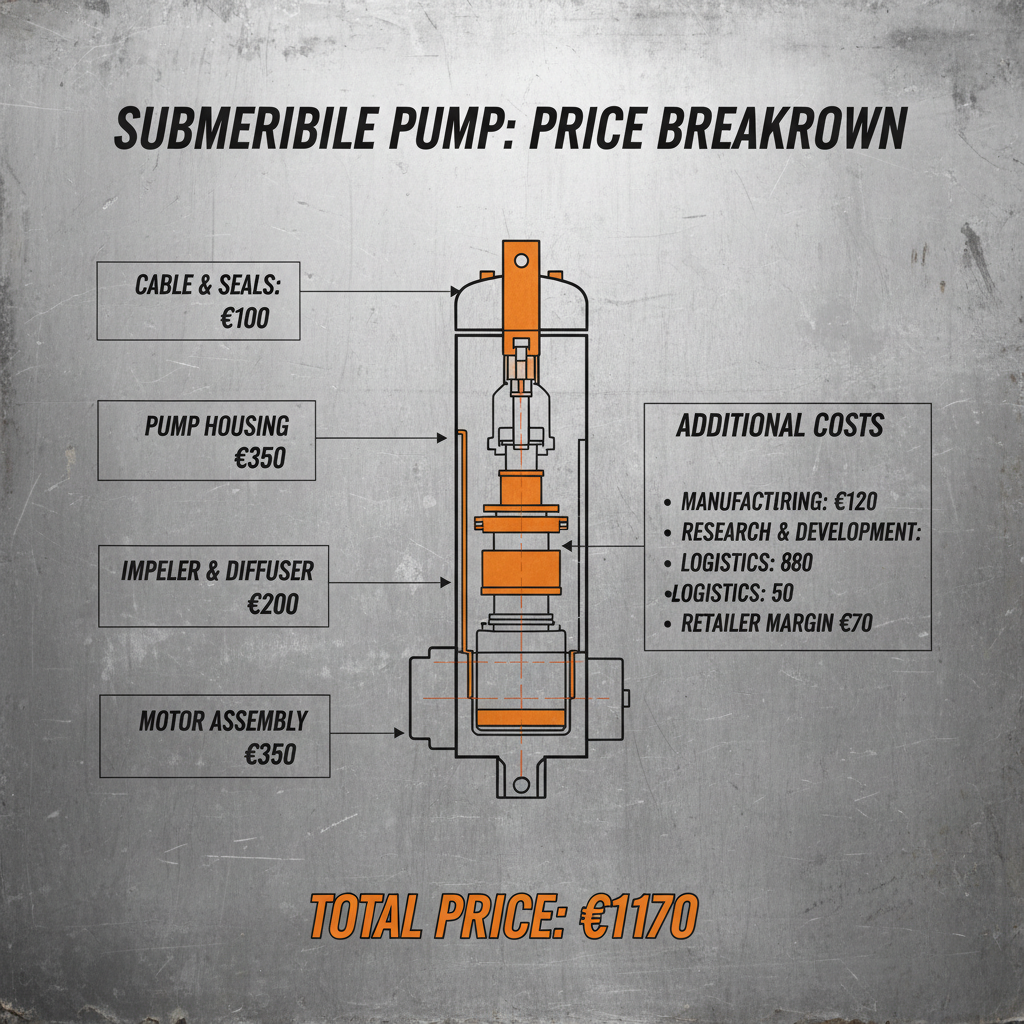 Factors Affecting the Price for Submersible Pump a Buyers GuideWhen investing in water management systems, understanding the price for submersible pump options is essential for balancing performance with budget. Whether you are managing a residential well, an industrial drainage project, or agricultural irrigation, the cost of a pump is rarely a flat fee; it is a reflection of the engineering, materials, and capacity required for your specific environment. In this guide, we will break down the factors that influence pricing and help you determine the best value for your investment to ensure long-term reliability and efficiency.Detail
 -
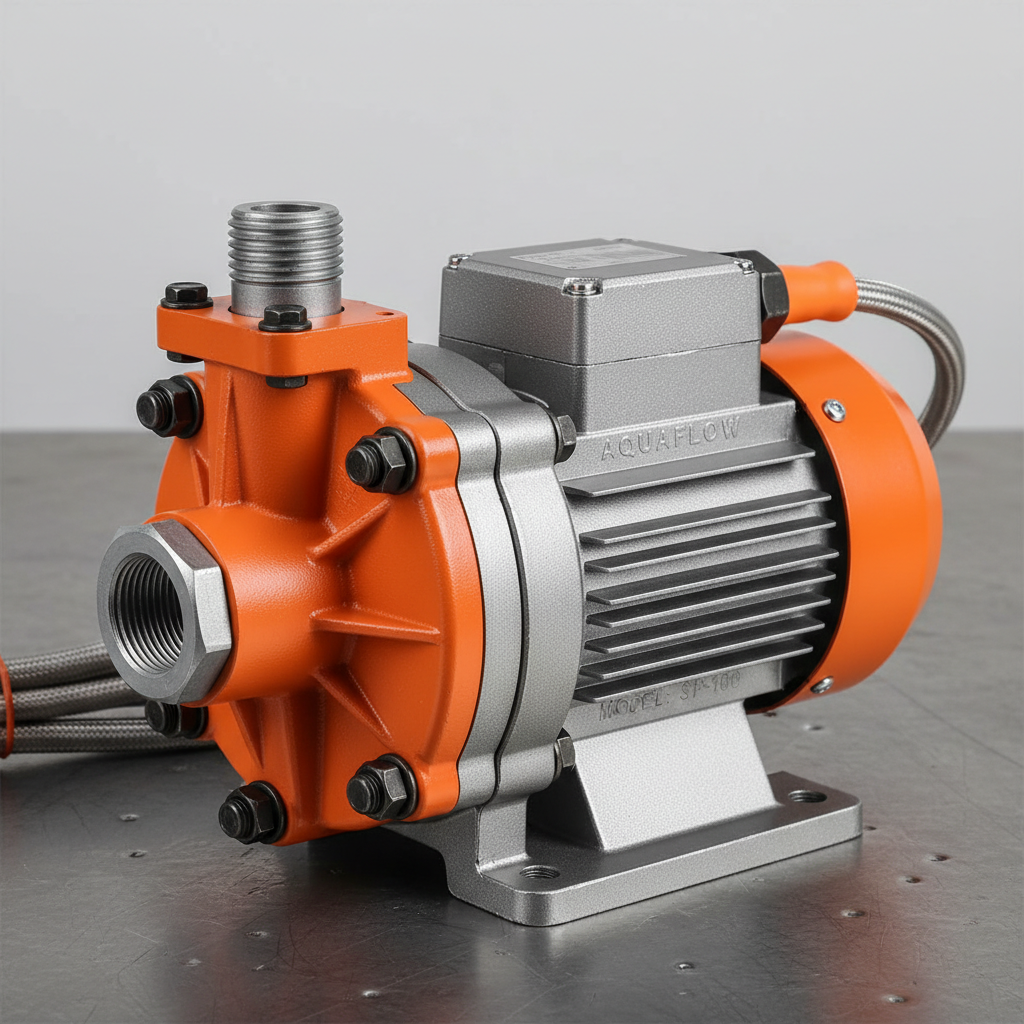 Choosing the Right Mini Submersible Fountain Pump for Optimal Water Feature PerformanceCreating a beautiful and relaxing water feature doesn't have to be complicated. A mini submersible fountain pump is the heart of any indoor or outdoor fountain, and selecting the right one is crucial for optimal performance and longevity. This article will guide you through the key considerations when choosing a mini submersible fountain pump, covering types, features, applications, and how to ensure you get the perfect pump for your project. We’ll also explore how Wellpumpact can provide you with the ideal solution.Detail
 Afrikaans
 Albanian
 Amharic
 Arabic
 Armenian
 Azerbaijani
 Basque
 Belarusian
 Bengali
 Bosnian
 Bulgarian
 Catalan
 Cebuano
 Corsican
 Croatian
 Czech
Czech
 Danish
 Dutch
Dutch
 Esperanto
 Estonian
 Finnish
 French
 Frisian
 Galician
 Georgian
 German
 Greek
Greek
 Gujarati
 Haitian Creole
 Hausa
Hausa
 Hawaiian
 Hebrew
 Hindi
Hindi
 Miao
Miao
 Hungarian
 Icelandic
 Igbo
Igbo
 Indonesian
 Irish
Irish
 Italian
 Japanese
 Javanese
 Kannada
 Kazakh
 Khmer
Khmer
 Rwandese
 Korean
 Kurdish
 Kyrgyz
 Lao
Lao
 Latin
Latin
 Latvian
 Lithuanian
 Luxembourgish
 Macedonian
 Malgashi
 Malay
Malay
 Malayalam
 Maltese
 Maori
Maori
 Marathi
 Mongolian
 Myanmar
 Nepali
 Norwegian
 Norwegian
 Occitan
 Pashto
 Persian
 Polish
 Portuguese
 Punjabi
 Romanian
 Russian
 Samoan
 Scottish Gaelic
 Serbian
 Sesotho
 Shona
Shona
 Sindhi
 Sinhala
 Slovak
 Slovenian
 Somali
 Spanish
 Sundanese
 Swahili
 Swedish
 Tagalog
 Tajik
Tajik
 Tamil
Tamil
 Tatar
Tatar
 Telugu
 Thai
Thai
 Turkish
 Turkmen
 Ukrainian
 Urdu
Urdu
 Uighur
 Uzbek
Uzbek
 Vietnamese
 Welsh
Welsh
 Bantu
Bantu
 Yiddish
 Yoruba
 Zulu
Zulu
 English