
Dec . 02, 2025 01:45 Back to list
Understanding the 300 GPM Submersible Pump: Uses, Benefits & Global Impact
Understanding the 300 GPM Submersible Pump: A Vital Industrial Workhorse
Around the world, water management is a fundamental pillar of industry, agriculture, disaster relief, and even daily living in remote communities. Among the tools that quietly but decisively support this vast ecosystem is the 300 gpm submersible pump. Why exactly does this device matter? Because it combines capacity and reliability in a way that addresses some of humanity’s trickiest challenges—moving large volumes of water efficiently, safely, and sustainably. For professionals in sectors like mining, municipal water, or irrigation, understanding this pump’s capabilities can translate directly into smarter infrastructure investment, improved operations, and, dare I say, more resilient communities.
Introduction: A Global Perspective on Pioneering Water Solutions
Water scarcity and management are ongoing global concerns. According to the United Nations, over 2 billion people live in water-stressed countries, with the demand for clean, accessible water rising sharply year-on-year. From the arid plains of Africa to booming industrial zones in Asia, the need for efficient water pumping technologies is urgent. The 300 gpm (gallons per minute) submersible pump emerges as a practical hero, especially for scenarios requiring medium-to-high flow rates with durability. It directly addresses challenges like effective groundwater extraction, flood management, and industrial effluent handling.
However, plenty of challenges exist: traditional pumps struggle with energy inefficiencies and frequent maintenance, especially in harsh settings. That’s where modern 300 gpm submersible pumps come in, balancing power, durability, and ease of deployment.
Defining the 300 GPM Submersible Pump
Simply put, a 300 gpm submersible pump is a water-moving device submerged underwater and capable of pumping up to 300 gallons per minute. Unlike surface pumps, it operates underwater, which limits issues with cavitation and allows direct contact with the water source. These pumps are typically used in wells, boreholes, or flooded sections requiring large volumes of liquid to be transferred, often over considerable vertical distances.
Beyond the simple math of flow rate and design, these pumps connect deeply with modern industrial and humanitarian needs—ensuring consistent water flow amidst environmental stresses or critical relief operations.
Key Components & Core Features of the 300 GPM Submersible Pump
1. Durability: Built to Last (and Endure)
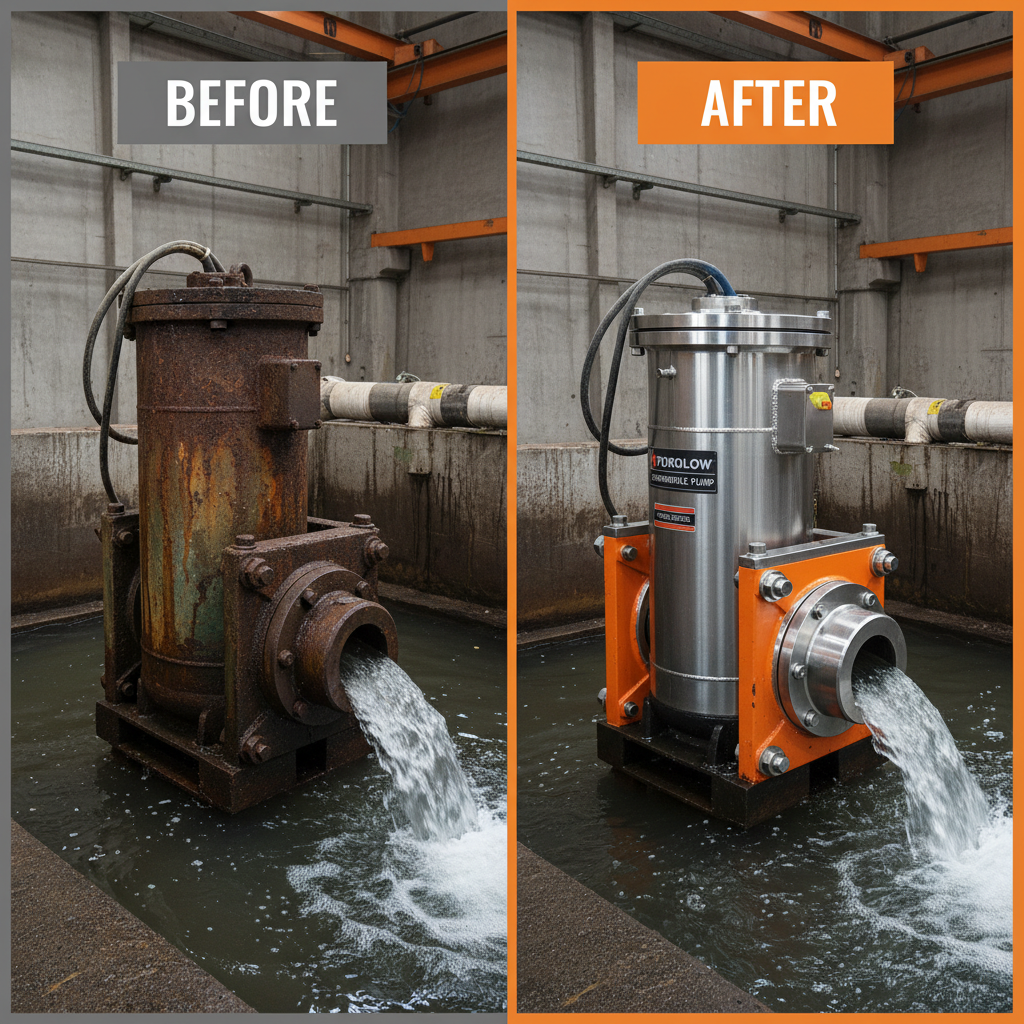
These pumps often face harsh conditions: abrasive silt, corrosive chemicals, or extreme pressure. Manufacturers use materials like stainless steel or durable polymers to ensure long service windows — sometimes exceeding 10 years with proper maintenance. The motor’s sealed design also prevents ingress of water or solids, key for reliability.
2. Efficiency: Power Meets Economy
Operating large pumps underwater means energy consumption can explode if inefficient designs are used. Modern 300 gpm submersible pumps optimize impeller design and motor efficiency to reduce operating costs significantly. Some models reach motor efficiencies above 90%, which you’d be surprised isn’t universal.
3. Scalability: One Size Doesn’t Fit All
While 300 gpm is a specific flow rate, many vendors offer modular designs or multiple sizes to accommodate varying depths and application demands. So, whether you’re pumping from a 50-foot borehole or a 300-foot well, there’s usually a configuration that fits.
4. Portability & Deployment Ease
Oddly enough, because these pumps are submerged, deployment logistics can be a challenge in remote or disaster-stricken areas. Many models are designed to be lightweight relative to power and include integrated cable management and guides for quick setup, reducing downtime in urgent situations.
300 GPM Submersible Pump: Product Specifications
| Specification | Details |
|---|---|
| Flow Rate | 300 gallons per minute (gpm) |
| Maximum Head (Vertical Lift) | Up to 500 feet |
| Motor Power | 30 – 60 HP (Horsepower) |
| Material | Stainless Steel, Cast Iron, Composite Options |
| Voltage | 220V / 380V / 480V (Customizable) |
| Cooling Method | Water-cooled submersible motor |
Vendor Comparisons: Choosing the Right 300 GPM Submersible Pump Supplier
| Vendor | Price Range | Warranty | Lead Time | Customization Options |
|---|---|---|---|---|
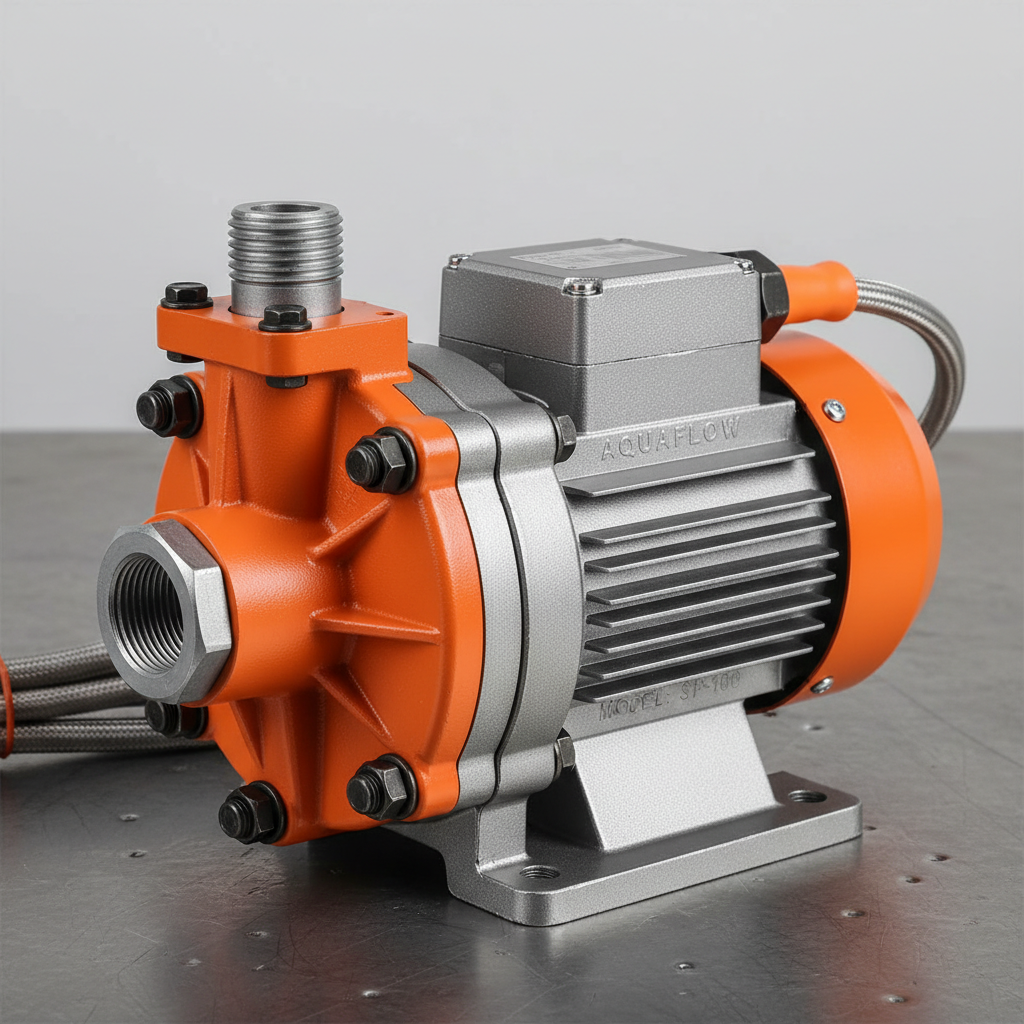
| AquaFlow Solutions | $12,000 - $18,000 | 3 years | 4-6 weeks | Full material & motor specs |
| DeepWater Tech | $10,500 - $15,000 | 2 years | 3-5 weeks | Limited customization |
| HydroMax Corp. | $14,000 - $20,000 | 5 years | 6-8 weeks | Extensive customization |
Global Applications & Real-World Use Cases
You’ll find the 300 gpm submersible pump playing critical roles across diverse scenarios:
- Agriculture: Irrigating vast fields in countries like India and Brazil where large water volumes are required consistently.
- Mining: Dewatering mines in Australia’s remote outback - keeping operations safe and productive.
- Emergency & Disaster Relief: Used by NGOs to pump floodwaters or provide potable water in post-disaster Haiti or Southeast Asia.
- Municipal Water Systems: Pumping water in urban centers under heavy demand, for example across parts of the USA or Europe.
A colleague once shared that in a flood response in Louisiana, the ability to deploy a high-capacity, reliable submersible pump quickly literally made the difference between days or weeks of downtime for critical infrastructure. Sort of a lifeline, if you will.
Advantages & Long-Term Value of 300 GPM Submersible Pumps
From a bottom-line perspective, these pumps often deliver significant cost savings over time due to better energy efficiency and reduced maintenance. You gain peace of mind too—knowing your operation has a tried-and-tested, reliable system that won’t buckle under pressure. Perhaps more importantly, they contribute to sustainability goals by reducing electric consumption and minimizing water loss, not an insignificant factor as industries worldwide adopt greener policies.
And on a human level, consistent water supply is synonymous with safety and dignity—something that resonates beyond spreadsheets.
Future Trends & Innovations in the Submersible Pump Industry
Looking ahead, the shift towards digital and IoT-enabled pumps is gaining momentum. Smart monitoring for real-time data on performance and predictive maintenance can reduce unexpected failures. Materials science continues to evolve, with composite components enhancing corrosion resistance and weight reduction. Moreover, integrating renewable energy sources like solar direct-drive pumps for remote areas is becoming increasingly feasible—an exciting prospect for sustainable water management.
Challenges & Expert Solutions
No technology is without challenges. For 300 gpm submersible pumps, the biggest often relate to installation complexity, wear from abrasive particles, and power source availability in remote areas. Experts recommend choosing high-quality sealed motors and incorporating filtration when pumping silt-laden water. For hard-to-access sites, modular, easier-to-handle pump designs and local operator training improve reliability and operation.
FAQ: Practical Questions About 300 GPM Submersible Pumps
-
Q: What is the typical lifespan of a 300 gpm submersible pump?
A: With good maintenance, these pumps generally last 7–10 years or more. Factors like water quality and operating hours affect longevity. -
Q: Can these pumps handle sand or sediment?
A: Many 300 gpm models are designed to tolerate moderate sand content up to 100 ppm. For heavy sediment, additional filtration or specialized slurry pumps are advised. -
Q: How difficult is it to install a 300 gpm submersible pump in remote locations?
A: Installation can be straightforward with local technicians given proper documentation and tools. Some vendors offer deployment training and modular designs to ease this process. -
Q: What energy sources power these pumps?
A: Most run on electric power (220 - 480V), but hybrid solar-electric variants are gaining traction for off-grid or unreliable grid settings.
Conclusion & Call to Action
To sum up, the 300 gpm submersible pump remains a crucial, adaptable technology that supports industries and communities worldwide by moving vast amounts of water efficiently and reliably. Whether you are managing an irrigation network, running a mining operation, or responding to a flood emergency, investing attention and resources into understanding these pumps can yield real, long-term dividends.
Explore more detailed resources and specifications by visiting our website.
In a nutshell: investing in the right 300 gpm submersible pump can transform water management from a daily challenge into a dependable asset.
References:
-
Understanding the Price Submersible Pump and Buyer Guide
NewsApr.16,2026
-
Factors Affecting the Price for Submersible Pump a Buyers Guide
NewsApr.09,2026
-
Choosing the Right Mini Submersible Fountain Pump for Optimal Water Feature Performance
NewsApr.07,2026
-
A Detailed Guide to Installing a Submersible Pump for Optimal Performance
NewsApr.04,2026
-
Comprehensive Guide on How to Test a Submersible Water Well Pump Effectively
NewsMar.31,2026
-
Learn How to Replace a Submersible Well Pump Safely and Effectively
NewsMar.28,2026
-
 Understanding the Price Submersible Pump and Buyer GuideWhen searching for the ideal water management solution, understanding the price submersible pump options is crucial for balancing budget with performance. Whether you are dealing with a flooded basement, managing agricultural irrigation, or extracting water from a deep well, the cost of a submersible pump can vary significantly based on its build quality and capacity. Investing in a high-quality pump ensures long-term reliability and reduces the frequency of expensive replacements. In this guide, we will break down the factors that influence pricing and help you make an informed decision for your specific needs.Detail
 -
 Factors Affecting the Price for Submersible Pump a Buyers GuideWhen investing in water management systems, understanding the price for submersible pump options is essential for balancing performance with budget. Whether you are managing a residential well, an industrial drainage project, or agricultural irrigation, the cost of a pump is rarely a flat fee; it is a reflection of the engineering, materials, and capacity required for your specific environment. In this guide, we will break down the factors that influence pricing and help you determine the best value for your investment to ensure long-term reliability and efficiency.Detail
 -
 Choosing the Right Mini Submersible Fountain Pump for Optimal Water Feature PerformanceCreating a beautiful and relaxing water feature doesn't have to be complicated. A mini submersible fountain pump is the heart of any indoor or outdoor fountain, and selecting the right one is crucial for optimal performance and longevity. This article will guide you through the key considerations when choosing a mini submersible fountain pump, covering types, features, applications, and how to ensure you get the perfect pump for your project. We’ll also explore how Wellpumpact can provide you with the ideal solution.Detail
 Afrikaans
 Albanian
 Amharic
 Arabic
 Armenian
 Azerbaijani
 Basque
 Belarusian
 Bengali
 Bosnian
 Bulgarian
 Catalan
 Cebuano
 Corsican
 Croatian
 Czech
Czech
 Danish
 Dutch
Dutch
 Esperanto
 Estonian
 Finnish
 French
 Frisian
 Galician
 Georgian
 German
 Greek
Greek
 Gujarati
 Haitian Creole
 Hausa
Hausa
 Hawaiian
 Hebrew
 Hindi
Hindi
 Miao
Miao
 Hungarian
 Icelandic
 Igbo
Igbo
 Indonesian
 Irish
Irish
 Italian
 Japanese
 Javanese
 Kannada
 Kazakh
 Khmer
Khmer
 Rwandese
 Korean
 Kurdish
 Kyrgyz
 Lao
Lao
 Latin
Latin
 Latvian
 Lithuanian
 Luxembourgish
 Macedonian
 Malgashi
 Malay
Malay
 Malayalam
 Maltese
 Maori
Maori
 Marathi
 Mongolian
 Myanmar
 Nepali
 Norwegian
 Norwegian
 Occitan
 Pashto
 Persian
 Polish
 Portuguese
 Punjabi
 Romanian
 Russian
 Samoan
 Scottish Gaelic
 Serbian
 Sesotho
 Shona
Shona
 Sindhi
 Sinhala
 Slovak
 Slovenian
 Somali
 Spanish
 Sundanese
 Swahili
 Swedish
 Tagalog
 Tajik
Tajik
 Tamil
Tamil
 Tatar
Tatar
 Telugu
 Thai
Thai
 Turkish
 Turkmen
 Ukrainian
 Urdu
Urdu
 Uighur
 Uzbek
Uzbek
 Vietnamese
 Welsh
Welsh
 Bantu
Bantu
 Yiddish
 Yoruba
 Zulu
Zulu
 English