
Apr . 16, 2026 02:15 Back to list
Understanding the Price Submersible Pump and Buyer Guide
Understanding the Price Submersible Pump: A Buyer's Guide
When searching for the ideal water management solution, understanding the price submersible pump options is crucial for balancing budget with performance. Whether you are dealing with a flooded basement, managing agricultural irrigation, or extracting water from a deep well, the cost of a submersible pump can vary significantly based on its build quality and capacity. Investing in a high-quality pump ensures long-term reliability and reduces the frequency of expensive replacements. In this guide, we will break down the factors that influence pricing and help you make an informed decision for your specific needs.
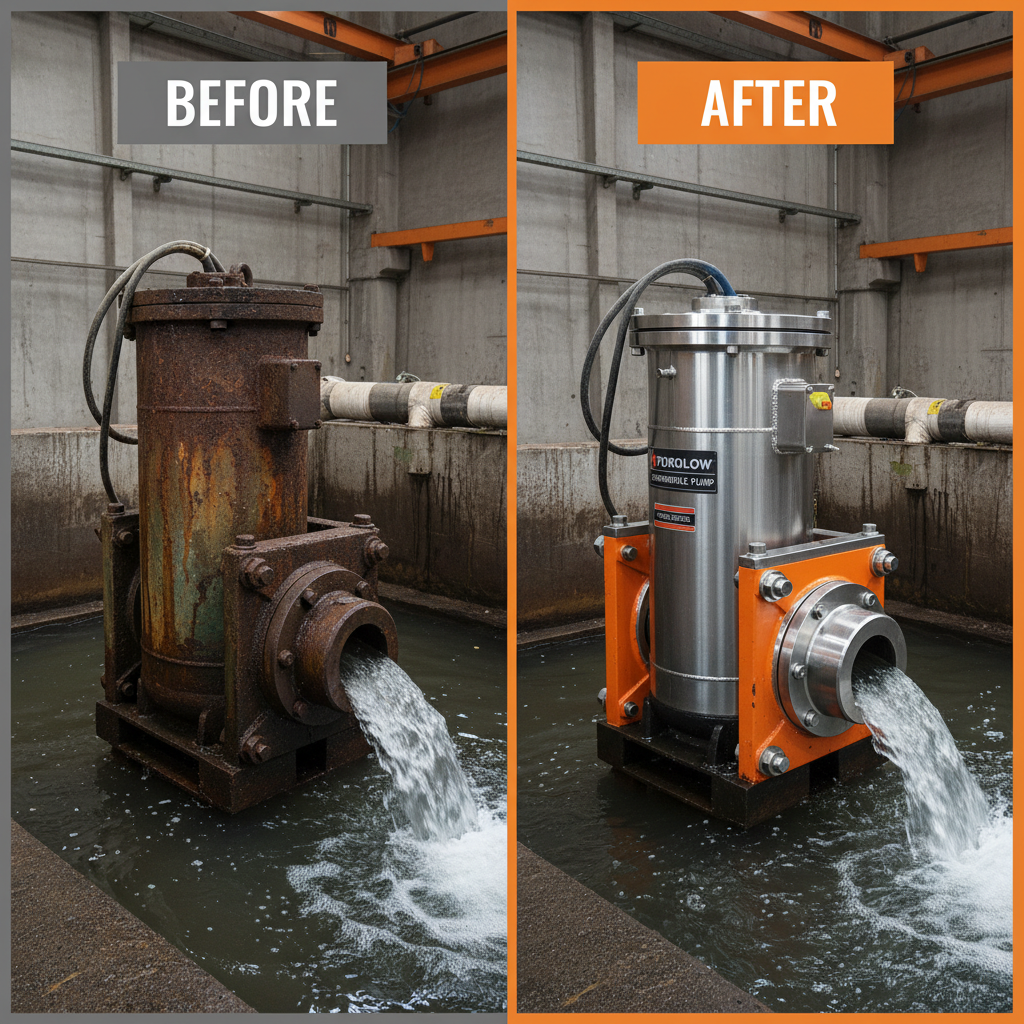
Factors Influencing the Price Submersible Pump Market
Several key variables determine the final price submersible pump quotes you receive. First is the material construction; pumps made from stainless steel are more expensive than plastic or cast iron but offer superior corrosion resistance. Second is the horsepower (HP); higher horsepower allows the pump to move more water at greater heights (total dynamic head), which naturally increases the cost. Finally, the brand reputation and warranty play a significant role, as premium manufacturers provide better energy efficiency and longer service lives, justifying a higher initial investment.
Pro Tip: Always consider the "Total Cost of Ownership." A cheaper pump with low energy efficiency may cost more in electricity bills over three years than a premium, high-efficiency model.
Comparing Submersible Pump Types and Costs
Not all submersible pumps are created equal. Depending on whether you need a pump for clean water, sewage, or deep-well extraction, the technology—and thus the price—differs. Clean water pumps are generally the most affordable, while sewage pumps with "grinder" mechanisms for solids are priced higher. Below is a comparison to help you estimate the price submersible pump ranges based on application.
How to Optimize Your Budget for a Price Submersible Pump
To get the best value when analyzing the price submersible pump, avoid the temptation to buy the cheapest model available. Instead, focus on spec-matching. Buying a pump with excessive horsepower for a small job wastes energy and money, while an underpowered pump will burn out quickly, costing you more in the long run. Look for pumps with automatic cut-off switches and thermal protection; these features might add a small amount to the initial price but prevent catastrophic motor failure.
Installation Costs vs. Product Price
When calculating the total price submersible pump expenditure, remember that the hardware is only part of the equation. Installation—especially for deep-well systems—requires professional labor, piping, and electrical wiring. A pump that is "plug-and-play" may have a higher unit price but lower installation costs. Conversely, industrial-grade pumps often require a dedicated control panel and circuit breaker, which adds to the overall project cost. Always request a comprehensive quote that includes both the unit and the labor.
Technical Specifications for Price Comparison
To accurately compare the price submersible pump of different models, you must look at the technical data sheet. The most critical metrics are the Flow Rate (GPM) and the Maximum Head. A pump that can push water 200 feet high will always be more expensive than one limited to 50 feet. Below is a specification table for common residential and commercial tiers.
Conclusion: Finding the Right Value for Your Pump
Choosing the right price submersible pump is about more than just finding the lowest number on a price tag. It is about aligning the pump's technical capabilities—such as material, horsepower, and head height—with your actual environment. By prioritizing energy efficiency and durable materials, you ensure a lower cost of operation over the pump's lifetime. Whether for home or industry, quality equipment is always the most economical choice in the long run.
Frequently Asked Questions (FAQs)
Why is there such a big difference in the price submersible pump options?
The price variation is primarily driven by the materials used and the engineering requirements. A basic plastic pump designed for temporary drainage is significantly cheaper than a stainless steel pump designed to stay submerged in a deep well for 20 years. Additionally, pumps with advanced features like variable speed drives (VSD) allow for energy savings and constant pressure, which increases the initial cost but reduces monthly utility bills. The application—whether it is clean water, sandy water, or sewage—also dictates the type of impeller and seals required, impacting the price.
Can I save money by installing the pump myself?
While DIY installation can reduce the immediate cost, it can be risky for deep-well or high-voltage systems. Improper installation—such as incorrect wiring or failing to seat the pump properly—can lead to premature motor failure, effectively voiding your warranty. For simple sump pumps, DIY is common and cost-effective. However, for permanent water supply systems, hiring a professional ensures the pump is optimized for your well's specific flow rate, which prevents "dry running" and extends the life of the equipment, saving you money in the long term.
How does energy efficiency affect the overall cost of a pump?
Energy efficiency is one of the most overlooked aspects of the price submersible pump calculation. A pump with a high-efficiency motor may cost 20% more upfront, but if it reduces power consumption by 15-30%, it will pay for itself within the first year or two of operation. This is especially true for agricultural or industrial pumps that run for several hours a day. When comparing models, always look for the energy rating or the wattage required to achieve the desired flow rate.
What is the average lifespan of a quality submersible pump?
A high-quality submersible pump typically lasts between 10 to 20 years, depending on the water quality and maintenance. Pumps operating in highly corrosive or sandy environments will have a shorter lifespan unless specifically designed for those conditions. To maximize the life of your investment, ensure you have a proper pressure tank to prevent the pump from "short-cycling" (turning on and off too frequently), and conduct annual checks on the electrical connections and water levels. Quality builds from reputable manufacturers generally offer the best longevity.
-
Understanding the Price Submersible Pump and Buyer Guide
NewsApr.16,2026
-
Factors Affecting the Price for Submersible Pump a Buyers Guide
NewsApr.09,2026
-
Choosing the Right Mini Submersible Fountain Pump for Optimal Water Feature Performance
NewsApr.07,2026
-
A Detailed Guide to Installing a Submersible Pump for Optimal Performance
NewsApr.04,2026
-
Comprehensive Guide on How to Test a Submersible Water Well Pump Effectively
NewsMar.31,2026
-
Learn How to Replace a Submersible Well Pump Safely and Effectively
NewsMar.28,2026
-
Understanding the Price Submersible Pump and Buyer GuideWhen searching for the ideal water management solution, understanding the price submersible pump options is crucial for balancing budget with performance. Whether you are dealing with a flooded basement, managing agricultural irrigation, or extracting water from a deep well, the cost of a submersible pump can vary significantly based on its build quality and capacity. Investing in a high-quality pump ensures long-term reliability and reduces the frequency of expensive replacements. In this guide, we will break down the factors that influence pricing and help you make an informed decision for your specific needs.Detail
-
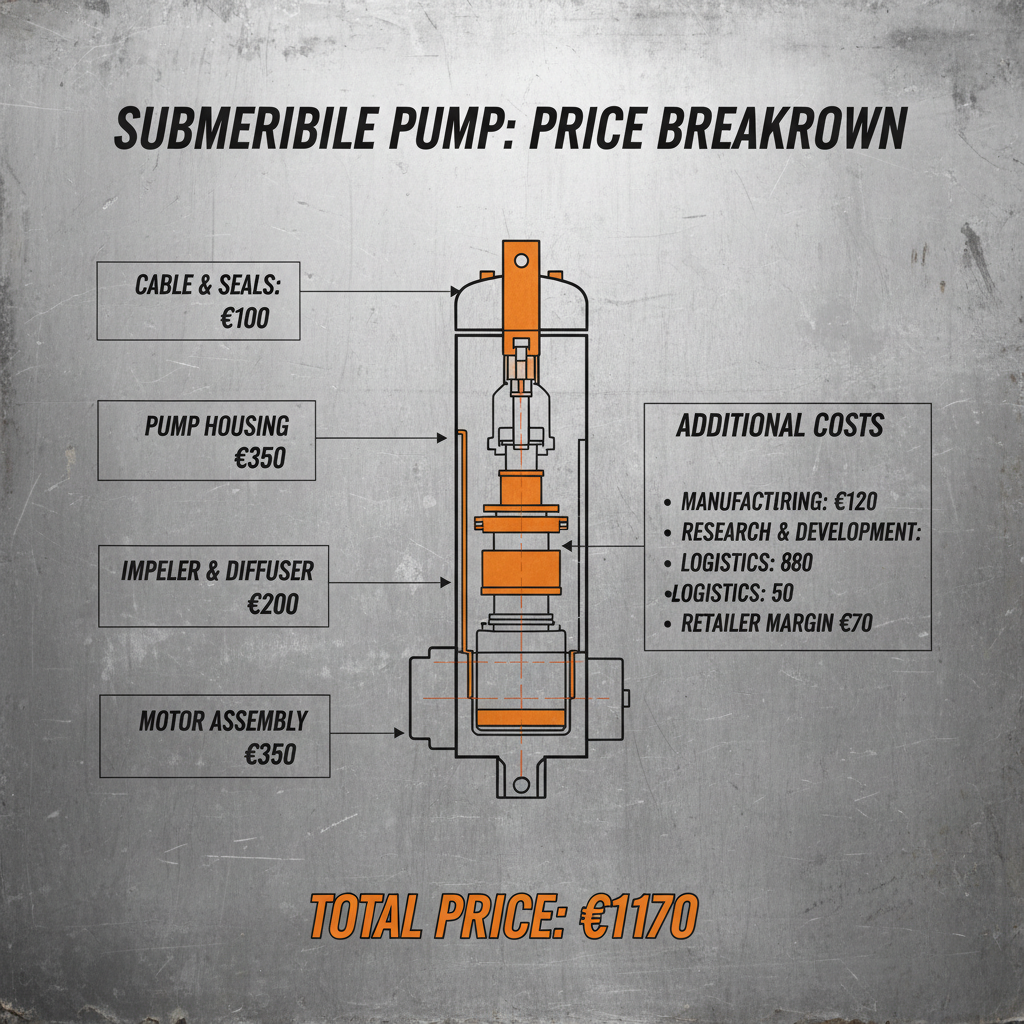 Factors Affecting the Price for Submersible Pump a Buyers GuideWhen investing in water management systems, understanding the price for submersible pump options is essential for balancing performance with budget. Whether you are managing a residential well, an industrial drainage project, or agricultural irrigation, the cost of a pump is rarely a flat fee; it is a reflection of the engineering, materials, and capacity required for your specific environment. In this guide, we will break down the factors that influence pricing and help you determine the best value for your investment to ensure long-term reliability and efficiency.Detail
 -
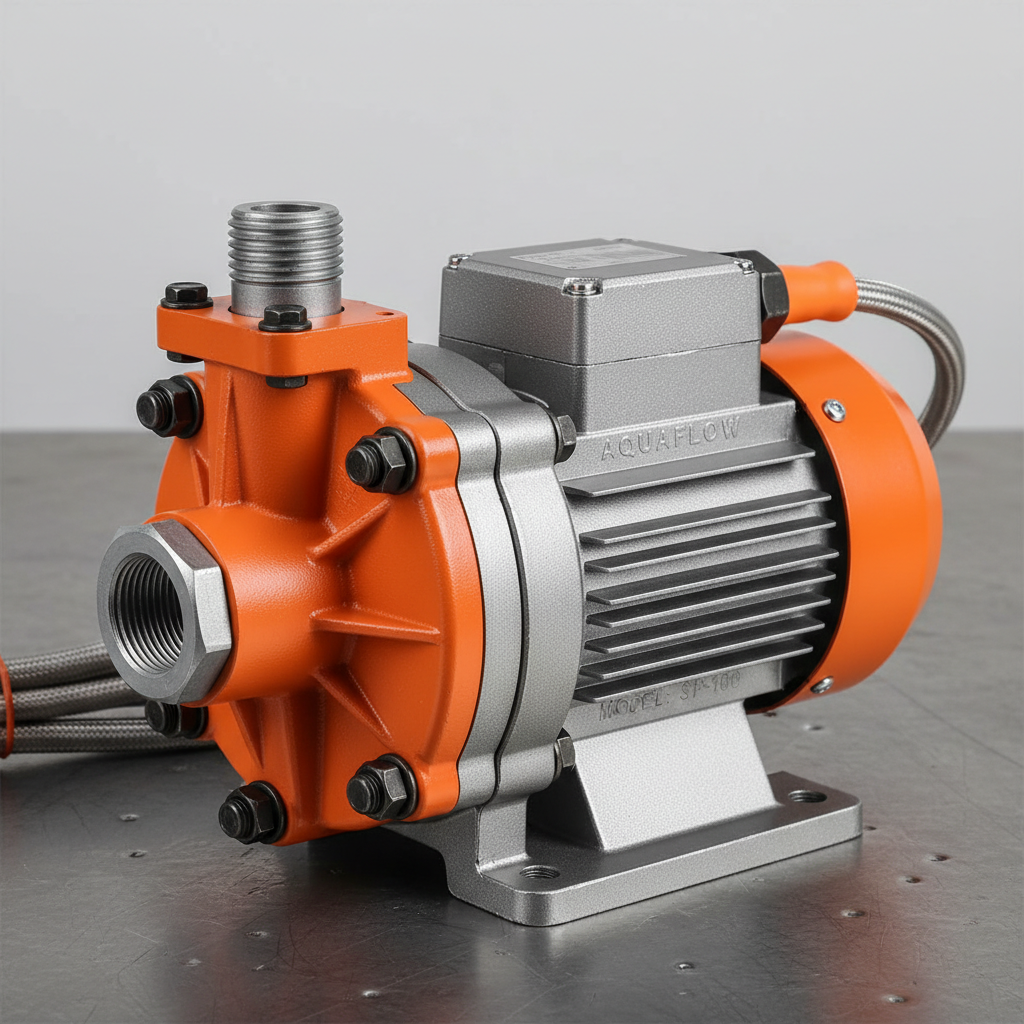 Choosing the Right Mini Submersible Fountain Pump for Optimal Water Feature PerformanceCreating a beautiful and relaxing water feature doesn't have to be complicated. A mini submersible fountain pump is the heart of any indoor or outdoor fountain, and selecting the right one is crucial for optimal performance and longevity. This article will guide you through the key considerations when choosing a mini submersible fountain pump, covering types, features, applications, and how to ensure you get the perfect pump for your project. We’ll also explore how Wellpumpact can provide you with the ideal solution.Detail
 Afrikaans
 Albanian
 Amharic
 Arabic
 Armenian
 Azerbaijani
 Basque
 Belarusian
 Bengali
 Bosnian
 Bulgarian
 Catalan
 Cebuano
 Corsican
 Croatian
 Czech
Czech
 Danish
 Dutch
Dutch
 Esperanto
 Estonian
 Finnish
 French
 Frisian
 Galician
 Georgian
 German
 Greek
Greek
 Gujarati
 Haitian Creole
 Hausa
Hausa
 Hawaiian
 Hebrew
 Hindi
Hindi
 Miao
Miao
 Hungarian
 Icelandic
 Igbo
Igbo
 Indonesian
 Irish
Irish
 Italian
 Japanese
 Javanese
 Kannada
 Kazakh
 Khmer
Khmer
 Rwandese
 Korean
 Kurdish
 Kyrgyz
 Lao
Lao
 Latin
Latin
 Latvian
 Lithuanian
 Luxembourgish
 Macedonian
 Malgashi
 Malay
Malay
 Malayalam
 Maltese
 Maori
Maori
 Marathi
 Mongolian
 Myanmar
 Nepali
 Norwegian
 Norwegian
 Occitan
 Pashto
 Persian
 Polish
 Portuguese
 Punjabi
 Romanian
 Russian
 Samoan
 Scottish Gaelic
 Serbian
 Sesotho
 Shona
Shona
 Sindhi
 Sinhala
 Slovak
 Slovenian
 Somali
 Spanish
 Sundanese
 Swahili
 Swedish
 Tagalog
 Tajik
Tajik
 Tamil
Tamil
 Tatar
Tatar
 Telugu
 Thai
Thai
 Turkish
 Turkmen
 Ukrainian
 Urdu
Urdu
 Uighur
 Uzbek
Uzbek
 Vietnamese
 Welsh
Welsh
 Bantu
Bantu
 Yiddish
 Yoruba
 Zulu
Zulu
 English