
Dec . 01, 2025 03:55 Back to list
Reliable 110v Well Pumps for Efficient and Sustainable Water Access
Understanding 110v Well Pumps: Why They Matter in Today’s Water Solutions
Water – it’s just about the most critical resource life demands and, honestly, we take for granted how we get it. But in so many parts of the world, tapping into clean, reliable water sources means depending on small, sturdy pumps that can run off limited electricity. Enter the 110v well pump. This device isn’t just a pump; it’s a vital technology that’s quietly powering homes, farms, and even emergency relief operations worldwide. Given the global push toward sustainable water management and rural electrification, understanding how these pumps work and why they matter globally is surprisingly important — whether you’re a builder, aid worker, or a homeowner eyeing a well setup for the future.
110v Well Pumps in the Global Context: A Quiet Backbone for Water Access
It’s kind of interesting how something as simple as a 110v well pump links directly to global development trends. According to the United Nations Water for Life Decade initiatives, millions still lack access to clean water, with the challenge most acute in rural and off-grid areas. Many of these spots don’t have the luxury of stable high-voltage power infrastructure, meaning a 110v solution—compatible with common electrical outlets—is not just handy but often the only choice.
Roughly 2.2 billion people worldwide don’t have safely managed drinking water at home (source: WHO/UNICEF 2023), which means tech like this can dramatically impact quality of life. Whether it’s a family well in Nebraska or a community borehole in Sub-Saharan Africa, these pumps keep the water flowing where it’s needed most.
Mini Takeaway:
110v well pumps serve as vital water delivery tools, especially where infrastructure limits power options, bridging a crucial gap in global water access.
What Exactly Is a 110v Well Pump?
In simple terms, a 110v well pump is a device designed to extract groundwater from wells, springs, or boreholes, powered by a standard 110-volt electrical supply—typical in North American households and many developing region setups. Unlike larger pumps demanding higher voltages (220v and above), these units can run off more accessible power sources, making them versatile for residential, agricultural, and small industrial uses.
Connecting technology and humanitarian needs, 110v pumps have been the quiet champions in many water projects. Their relatively low power requirement means they can marry well with solar panels, generators, or off-grid systems, lending themselves beautifully to remote settings or emergency conditions.
Core Components Behind an Efficient 110v Well Pump
Durability
Many engineers say a well pump’s lifespan depends heavily on rugged construction—corrosion-resistant materials like stainless steel and thermoplastic components help pumps fend off rust and mineral deposits, often a real threat underground.
Flow Rate & Pressure
In practice, you’ll want a pump that balances adequate flow (gallons per minute, or GPM) with enough pressure to push water across pipelines or irrigation systems. Oftentimes, 110v pumps might range from 5 to 25 GPM, suitable for smaller scale use but—you guessed it—pretty efficient at their niche task.
Energy Efficiency
Given the low-voltage design, these pumps tend to draw less power, meaning lower operating costs and the ability to run on alternative energy sources, a win-win in sustainability-conscious projects.
Ease of Installation & Maintenance
You don’t want an overly complex setup when you’ve got limited technical support nearby. Many 110v pumps come with plug-and-play features, sealed motor upgrades, and simple user guides — critical when time or expertise is short.
Compatibility with Power Sources
As mentioned, whether it’s a standard household socket, portable generator, or solar inverter, compatibility is key. This flexible power input is why 110v pumps are favored in off-grid locations or where full electrical upgrades aren’t feasible.
Mini Takeaway:
The strength of 110v well pumps lies in their balance of performance, low power demands, and sturdy design tailored for real-world, often remote, environments.
Product Specification Table: Typical 110v Well Pump Models
| Feature | Model A | Model B | Model C |
|---|---|---|---|
| Voltage | 110V | 110V | 110V |
| Max Flow Rate (GPM) | 8.5 | 12 | 20 |
| Max Head (ft) | 150 | 200 | 230 |
| Motor Type | Permanent Magnet | Induction | Brushless DC |
| Warranty | 2 years | 3 years | 5 years |
| Approx. Price | $250 | $400 | $600 |
Where Are 110v Well Pumps Making a Difference?
Oddly enough, these pumps pop up all over the map—quite literally. In North America, many households tap into private wells with compact 110v units because their electrical system is suited to it. In sub-Saharan Africa and parts of South Asia, NGOs rely heavily on these pumps in rural water schemes where electricity is limited but water needs are high.
For instance, in post-disaster relief operations, a quick deployable 110v well pump setup can restore water access within days, not weeks. One remarkable story is from Nepal after the 2015 quake, where portable 110v pumps powered near-field boreholes, allowing communities to avoid long trips for water and reducing health risks.
It’s also a staple in small-scale agriculture, where farms might have solar panels paired with 110v pumps to irrigate crops sustainably without paying hefty electric bills.
Mini Takeaway:
From disaster zones to backyard farms, 110v well pumps support an array of real-world water needs by combining power flexibility and practical performance.
Advantages & Long-Term Value You Might Not Have Considered
Let’s be frank: When you’re choosing a water pump, you look for a few key things — reliability, running costs, and how it impacts people’s lives. With 110v well pumps, the lower power draw means most users enjoy reduced electric bills and can even integrate green energy options effortlessly. Socially, this tech improves access to water — and that’s dignity, safety, and chance for progress packed into one machine.
What strikes me is the peace of mind they offer. For a small community, having a dependable water pump reduces health risks, frees up time (no more long water hauls), and sparks innovation as farms grow or new ventures get off the ground. Maybe it’s cliché, but water really is life, and these pumps are life-support in a physical, everyday sense.
Emerging Trends & Innovations in 110v Well Pumps
Technology moves fast. Today’s trend includes integrating smart sensors with 110v well pumps — meaning automated alerts if pressure drops or if maintenance is due, cutting downtime. Solar-powered 110v pumps… well, those are rapidly becoming the norm in off-grid areas. Plus, manufacturers are experimenting with eco-friendlier materials and precision motor designs that boost lifespan.
Some innovators are also working on adjustable-speed pumps that tweak power consumption depending on the lift and flow needed — an excellent option for farms adjusting irrigation schedules or households managing fluctuating water use.
Common Challenges & How to Solve Them
That said, it’s not all rosy. A 110v well pump does have limitations—for example, in very deep wells, the lower voltage limits power, so flow rates can suffer. Additionally, dusty or mineral-rich water can cause faster wear and tear. Many operators find that regular maintenance and using inline filtration helps mitigate these issues.
Increasingly, experts recommend pairing these pumps with renewable energy and battery backups to ensure uninterrupted water delivery during power outages or harsh weather—a solution gaining traction, especially in disaster-prone regions.
Vendor Comparison: Leading 110v Well Pump Providers
| Vendor | Price Range | Warranty | Special Features | Availability |
|---|---|---|---|---|
| PumpPro Inc. | $250 - $500 | 3 years | Energy Star rated, corrosion-resistant | North America, Select Intl markets |
| AquaTrail Solutions | $300 - $650 | 5 years | Integrated smart sensors, solar compatibility | Global (via distributors) |
| EcoFlow Pumps | $280 - $550 | 2 years | Brushless motor, eco-friendly materials | USA, select Europe |
FAQ: Your Questions About 110v Well Pumps Answered
Q1: Can I run a 110v well pump on solar power alone?
Absolutely. Many 110v well pumps are designed with low power requirements and can be paired with solar panels and battery systems. The pump’s efficiency means you won’t need a massive setup—just make sure the panel wattage and batteries meet the startup surge and running amperage.
Q2: What maintenance is typically required for these pumps?
Regular checks are key: inspect filters, clean the intake screen, and monitor motor temperatures. Mineral-rich water might mean more frequent cleaning. A yearly professional service is advised for optimal lifespan and performance.
Q3: How deep can a 110v pump effectively draw water from?
Most 110v submersible pumps can lift water from depths of 150 to 230 feet, depending on model. However, the deeper the well, the more power it typically needs. For very deep wells, a higher voltage pump might be more suitable.
Q4: Are these pumps safe for drinking water supply?
Yes, if certified and made with potable water safe materials, 110v well pumps are used widely for drinking water extraction. Always look for NSF/ANSI certification to ensure no harmful contaminants are introduced.
Q5: Where can I find reliable 110v well pumps?
You can find them from specialty vendors online or local agricultural supply stores. For comprehensive options and technical support, visit resources like 110v well pump specialists that offer detailed specs and installation guides.
Wrapping Up: Why the Right 110v Well Pump Is a Game-Changer
The quiet revolution of 110v well pumps is happening right now—from small towns tucked away in valleys to sprawling farms and emergency shelters. The promise is consistent water access, powered by affordable, energy-efficient, and user-friendly technology. So, if you’re exploring options for clean water delivery, these pumps deserve a serious look. Visit our website to dig deeper into products, specs, and expert advice suited for your unique needs.
Mini Takeaway:
Long-term, 110v well pumps combine sustainability, affordability, and accessibility—making them a smart investment for communities and individuals alike.
References
-
Understanding the Price Submersible Pump and Buyer Guide
NewsApr.16,2026
-
Factors Affecting the Price for Submersible Pump a Buyers Guide
NewsApr.09,2026
-
Choosing the Right Mini Submersible Fountain Pump for Optimal Water Feature Performance
NewsApr.07,2026
-
A Detailed Guide to Installing a Submersible Pump for Optimal Performance
NewsApr.04,2026
-
Comprehensive Guide on How to Test a Submersible Water Well Pump Effectively
NewsMar.31,2026
-
Learn How to Replace a Submersible Well Pump Safely and Effectively
NewsMar.28,2026
-
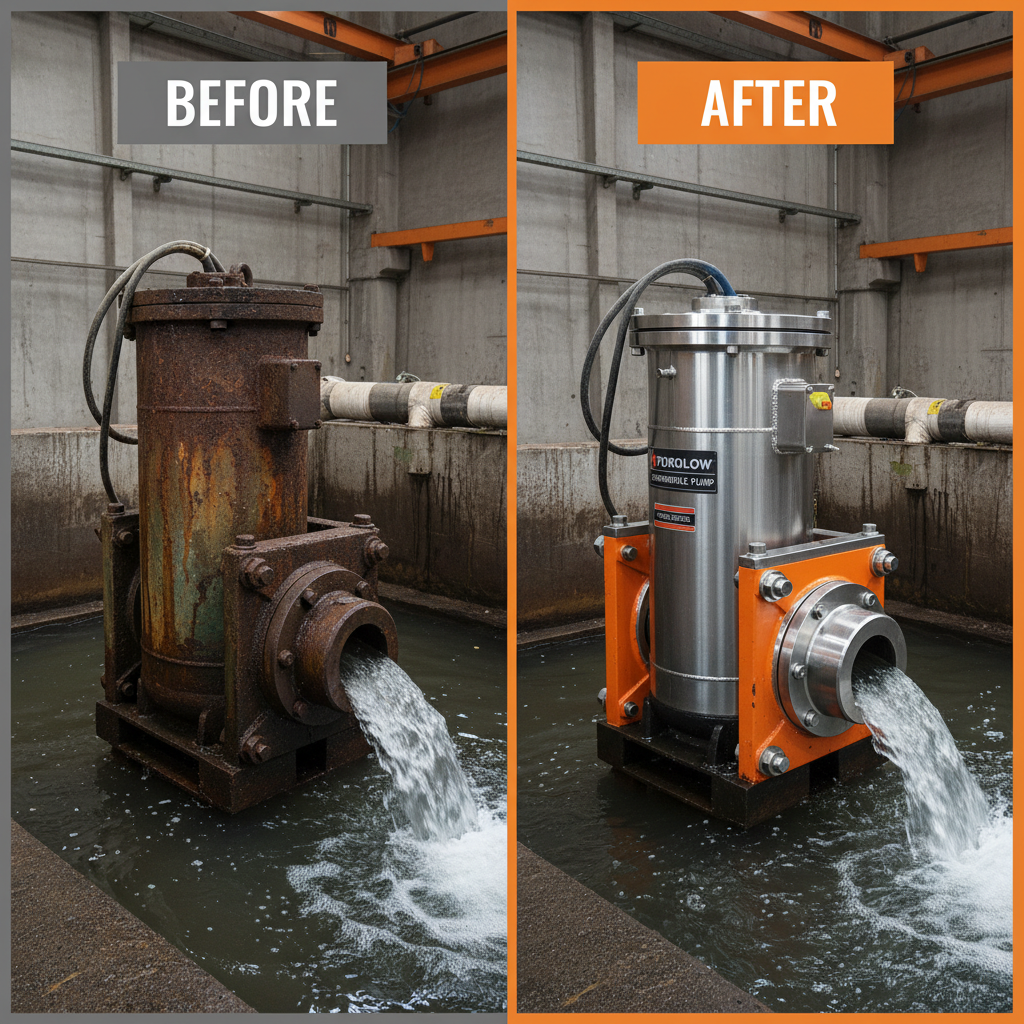 Understanding the Price Submersible Pump and Buyer GuideWhen searching for the ideal water management solution, understanding the price submersible pump options is crucial for balancing budget with performance. Whether you are dealing with a flooded basement, managing agricultural irrigation, or extracting water from a deep well, the cost of a submersible pump can vary significantly based on its build quality and capacity. Investing in a high-quality pump ensures long-term reliability and reduces the frequency of expensive replacements. In this guide, we will break down the factors that influence pricing and help you make an informed decision for your specific needs.Detail
 -
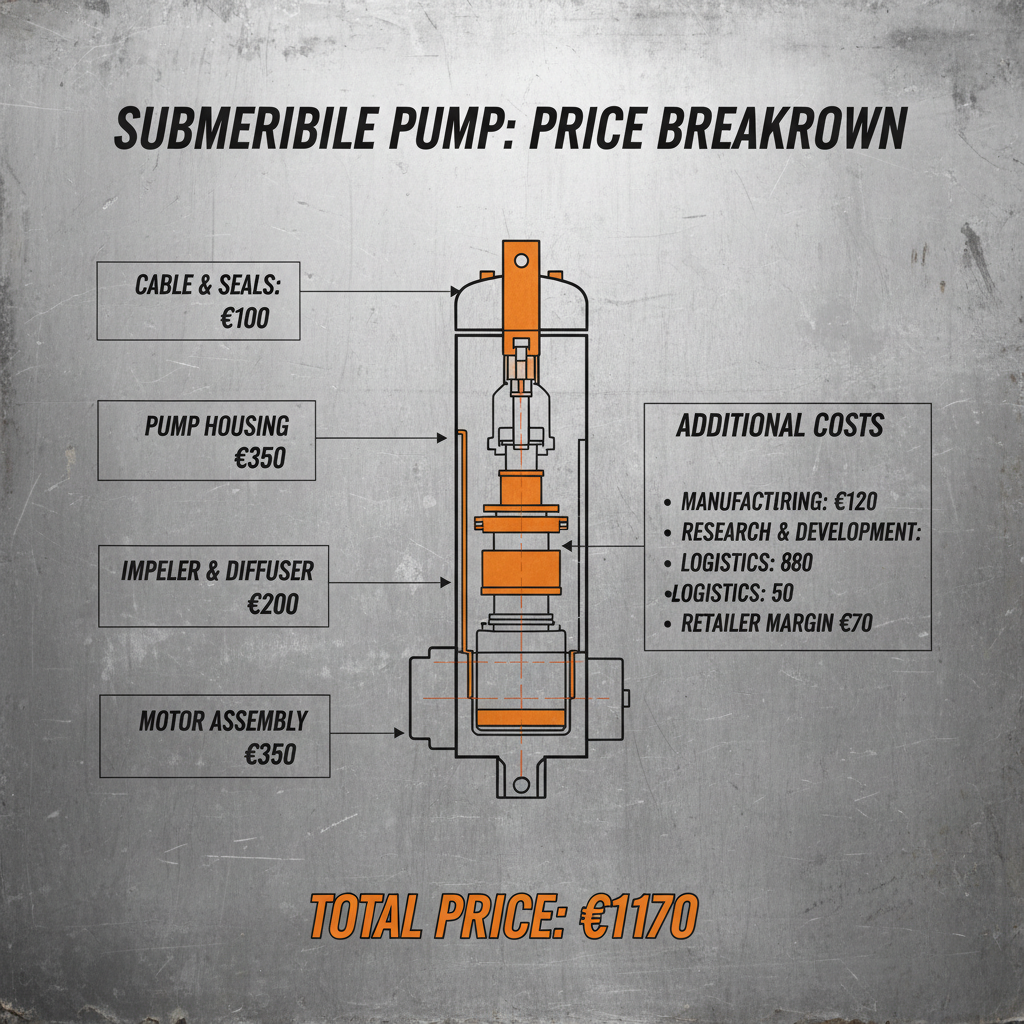 Factors Affecting the Price for Submersible Pump a Buyers GuideWhen investing in water management systems, understanding the price for submersible pump options is essential for balancing performance with budget. Whether you are managing a residential well, an industrial drainage project, or agricultural irrigation, the cost of a pump is rarely a flat fee; it is a reflection of the engineering, materials, and capacity required for your specific environment. In this guide, we will break down the factors that influence pricing and help you determine the best value for your investment to ensure long-term reliability and efficiency.Detail
 -
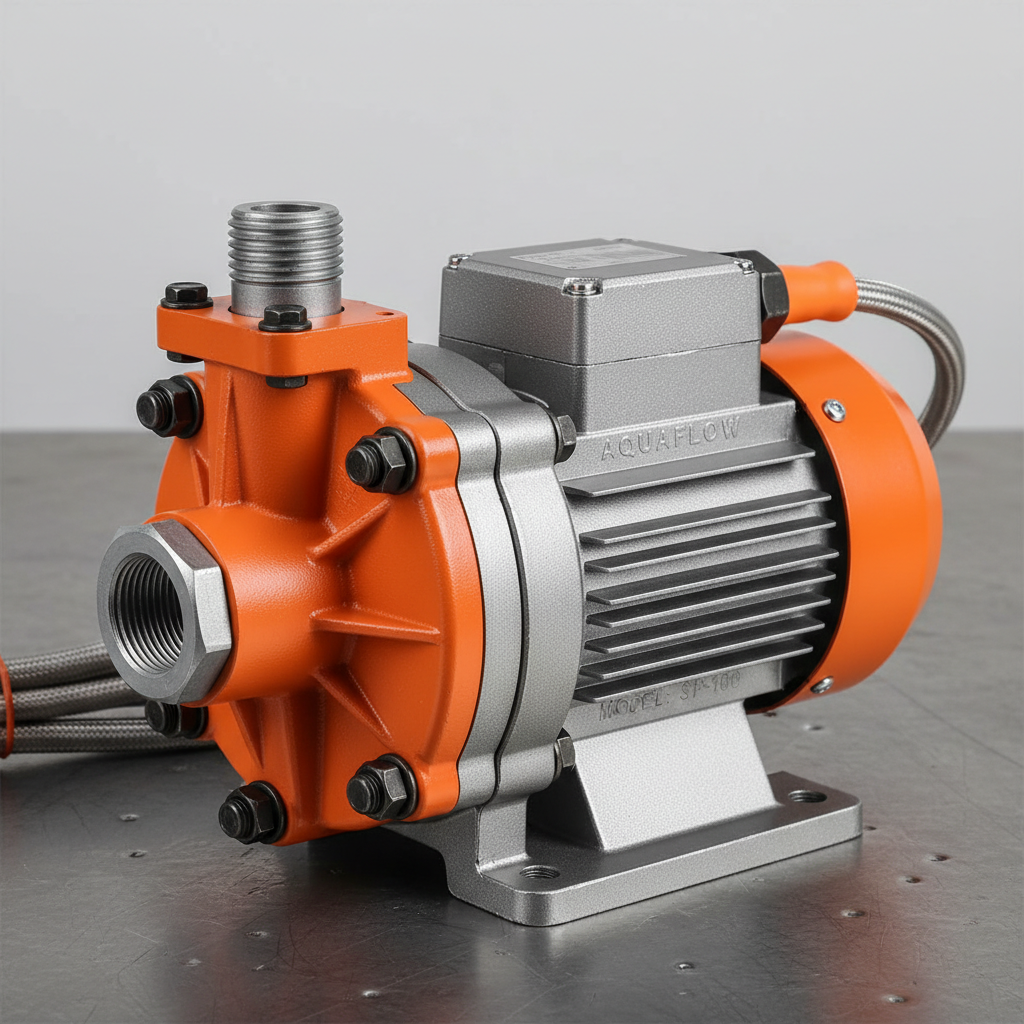 Choosing the Right Mini Submersible Fountain Pump for Optimal Water Feature PerformanceCreating a beautiful and relaxing water feature doesn't have to be complicated. A mini submersible fountain pump is the heart of any indoor or outdoor fountain, and selecting the right one is crucial for optimal performance and longevity. This article will guide you through the key considerations when choosing a mini submersible fountain pump, covering types, features, applications, and how to ensure you get the perfect pump for your project. We’ll also explore how Wellpumpact can provide you with the ideal solution.Detail
 Afrikaans
 Albanian
 Amharic
 Arabic
 Armenian
 Azerbaijani
 Basque
 Belarusian
 Bengali
 Bosnian
 Bulgarian
 Catalan
 Cebuano
 Corsican
 Croatian
 Czech
Czech
 Danish
 Dutch
Dutch
 Esperanto
 Estonian
 Finnish
 French
 Frisian
 Galician
 Georgian
 German
 Greek
Greek
 Gujarati
 Haitian Creole
 Hausa
Hausa
 Hawaiian
 Hebrew
 Hindi
Hindi
 Miao
Miao
 Hungarian
 Icelandic
 Igbo
Igbo
 Indonesian
 Irish
Irish
 Italian
 Japanese
 Javanese
 Kannada
 Kazakh
 Khmer
Khmer
 Rwandese
 Korean
 Kurdish
 Kyrgyz
 Lao
Lao
 Latin
Latin
 Latvian
 Lithuanian
 Luxembourgish
 Macedonian
 Malgashi
 Malay
Malay
 Malayalam
 Maltese
 Maori
Maori
 Marathi
 Mongolian
 Myanmar
 Nepali
 Norwegian
 Norwegian
 Occitan
 Pashto
 Persian
 Polish
 Portuguese
 Punjabi
 Romanian
 Russian
 Samoan
 Scottish Gaelic
 Serbian
 Sesotho
 Shona
Shona
 Sindhi
 Sinhala
 Slovak
 Slovenian
 Somali
 Spanish
 Sundanese
 Swahili
 Swedish
 Tagalog
 Tajik
Tajik
 Tamil
Tamil
 Tatar
Tatar
 Telugu
 Thai
Thai
 Turkish
 Turkmen
 Ukrainian
 Urdu
Urdu
 Uighur
 Uzbek
Uzbek
 Vietnamese
 Welsh
Welsh
 Bantu
Bantu
 Yiddish
 Yoruba
 Zulu
Zulu
 English