
Dec . 02, 2025 06:00 Back to list
Comprehensive Guide to 220v Submersible Water Pumps | Applications & Benefits
Understanding the 220v Submersible Water Pump: A Global Perspective
Water is, unsurprisingly, one of the most precious resources on our planet. The 220v submersible water pump plays a surprisingly vital role in managing this resource—especially across regions where accessibility and reliability matter most. These pumps aren’t just about moving water; they’re about enabling communities, supporting agriculture, and powering industries that literally rely on water underground or deep within wells.
Why should you care? Well, understanding these pumps is key if you’re involved in industries like agriculture, construction, humanitarian aid, or even just looking to optimize water delivery systems sustainably. The technology and global deployment of these pumps underscore their enormous value.
Introduction: The Global Relevance of 220v Submersible Water Pumps
According to the United Nations water scarcity report, nearly two billion people worldwide live in water-stressed areas. Submersible pumps powered by a reliable 220-volt supply—common in many countries —offer a practical solution in both rural and urban settings for water extraction.
The industrial demand, particularly in irrigation, mining, and municipal water supply, has grown by roughly 15% annually over the past decade. Despite this growth, a large gap remains in consistent water access—especially after natural disasters or in remote zones. These pumps help bridge that gap.
The challenge? Ensuring these pumps operate efficiently, sustainably, and long-term without constant replacement or maintenance.
What Exactly Is a 220v Submersible Water Pump?
Simply put, a 220v submersible water pump is an electric pump fully submerged under water to lift or move water from deep underground or beneath surfaces. Its 220-volt power rating refers to the electric supply it uses, which is common in many global electrical grids. This voltage typically allows for more robust, higher-capacity pumping than 110v alternatives, making it popular in agricultural and industrial applications.
These pumps usually consist of a sealed motor and impeller assembly that pushes water to the surface through mounting pipes. The submersible design helps prevent cavitation and makes them quieter and more efficient compared to surface pumps.
Key Components of a 220v Submersible Water Pump
1. Motor Power & Voltage Compatibility
The 220v supply supports motors typically ranging from 0.5 HP to over 5 HP, allowing use in a variety of flow rates and heads. Higher voltage means less current draw for the same power, reducing wiring requirements and energy loss.
2. Durability & Materials
Most pumps are built with corrosion-resistant materials like stainless steel or heavy-duty thermoplastics, essential for resisting mineral-laden water or harsh environmental conditions.
3. Seal & Thermal Protection
Pumps are equipped with mechanical shaft seals and thermal overload protectors to prevent water ingress and motor overheating—critical for longevity.
4. Installation Flexibility & Scalability
These pumps can be installed in wells, boreholes, or sumps and scaled with solar or automatic controllers for optimized operation.
Product Specifications Snapshot
| Specification | Typical Range | Notes |
|---|---|---|
| Voltage | 220 volts AC | Single or three-phase |
| Power | 0.5 HP - 5 HP | Varies by size |
| Flow rate | 5 - 50 m³/hr | Depends on motor and impeller |
| Max head (lift) | 30 - 90 meters | Application-dependent |
| Material | Stainless steel / thermoplastic | Corrosion resistant |
Mini takeaway: The 220v submersible pump is a robust, reliable, and scalable solution, offering versatility for multiple industrial and agricultural water needs.
Vendor Comparison: Choosing the Right Supplier
| Vendor | Price Range (USD) | Warranty | Regional Availability | Support & Service |
|---|---|---|---|---|
| AquaPower | $250 - $600 | 2 years | Global | 24/7 phone & online |
| EcoPump | $200 - $550 | 3 years | North America, Europe | Online chat & onsite |
| WellMasters | $180 - $500 | 1.5 years | Asia, Africa | Email & regional partners |
Global Applications & Use Cases
The practical use of 220v submersible water pumps spans continents—and the variety of industries is impressive:
- Agriculture: Irrigation systems in India and Sub-Saharan Africa rely on dependable pump systems to ensure crops thrive during dry spells.
- Municipal Water Supply: Many small towns in Latin America use these pumps to maintain steady water access.
- Disaster Relief: NGOs operating in flood zones or drought-stricken regions deploy submersible pumps for emergency water extraction and sanitation.
- Mining & Industrial Sites: Managing groundwater or slurry in remote industrial sites in Australia or Canada.
Oddly enough, although these pumps are high-tech, their core utility remains grounded in addressing very basic but critical needs—water availability and management.
Mini takeaway: From rural farms to emergency disaster zones, these pumps underpin essential water infrastructure worldwide.
Advantages & Long-Term Value
What makes the 220v submersible pump particularly attractive? Well, for starters:
- Energy Efficiency: Operating at 220 volts allows for reduced current draw and more stable power supply.
- Reliability: Durable materials and embedded overload protections reduce downtime and maintenance costs.
- Cost-Effectiveness: With longevity often exceeding 5–7 years under normal use, these pumps offer low total cost of ownership.
- Social Impact: Stable water access improves public health, supports livelihoods, and maintains dignity.
Frankly, knowing that a simple pump can ripple benefits through entire communities is both inspiring and a reminder of how intertwined technology and humanity really are.
Future Trends & Innovations
We’re starting to see some intriguing developments shaping the future of 220v submersible pumps:
- Solar-Compatible Designs: Integration with solar panels to allow off-grid pumping solutions.
- Smart Sensors & Automation: Remote monitoring ensures optimal operation and predictive maintenance, sometimes with IoT connectivity.
- Green Materials & Recycling: Manufacturers are exploring biodegradable seals and recyclable plastics to reduce environmental impact.
These innovations signal a more sustainable and efficient future, making this technology even more critical for global water management.
Challenges & Solutions
Of course, it’s not all perfect. Some challenges include:
- Volatile Power Supply: In many regions, inconsistent 220v power lines cause damage or reduce efficiency.
- Water Quality Issues: Sand and debris can erode pump components if adequate filtering isn’t maintained.
- Installation Complexity: Proper sizing and professional installation are often overlooked, leading to early failure.
Solutions? Smart integration of voltage stabilizers, routine maintenance plans, and user training programs have been highly effective. Additionally, contractors and suppliers now offer modular systems designed for easier installation.
FAQ: Frequently Asked Questions About 220v Submersible Water Pumps
- Q: Can a 220v submersible pump operate on a solar power system?
A: Yes, many modern 220v pumps are compatible with solar inverters or direct DC systems when paired with appropriate converters. This setup enables off-grid pumping and cost savings, especially in remote areas. - Q: How often does a 220v submersible pump require maintenance?
A: Generally, routine maintenance like checking seals and cleaning filters is recommended every 6–12 months, though harsher water conditions may require more frequent attention. - Q: What factors should I consider when choosing the pump size?
A: Flow rate (liters per minute), max head (depth of water lift), and power availability are essential. Oversizing wastes energy; undersizing causes poor water delivery. - Q: Are these pumps suitable for saltwater use?
A: Typically, no. Saltwater is highly corrosive; specialized pumps with marine-grade materials are better suited. - Q: What safety features should a good 220v submersible pump have?
A: Thermal overload protection, waterproof cable connectors, and proper grounding reduce risks related to electrical faults and water damage.
Conclusion & Call to Action
When you look at it, the 220v submersible water pump might seem like a modest piece of hardware, but its impact is anything but small. By providing efficient, reliable, and scalable water pumping solutions, it supports essential sectors and communities worldwide.
If you want to explore the right submersible pump for your needs or learn more about innovations in this field, visit our website today: WellPumpAct.com. Reliable water starts here.
Sometimes, the smallest gears in the machine turn the largest wheels in society—and water pumps are a perfect example.
References
-
Understanding the Price Submersible Pump and Buyer Guide
NewsApr.16,2026
-
Factors Affecting the Price for Submersible Pump a Buyers Guide
NewsApr.09,2026
-
Choosing the Right Mini Submersible Fountain Pump for Optimal Water Feature Performance
NewsApr.07,2026
-
A Detailed Guide to Installing a Submersible Pump for Optimal Performance
NewsApr.04,2026
-
Comprehensive Guide on How to Test a Submersible Water Well Pump Effectively
NewsMar.31,2026
-
Learn How to Replace a Submersible Well Pump Safely and Effectively
NewsMar.28,2026
-
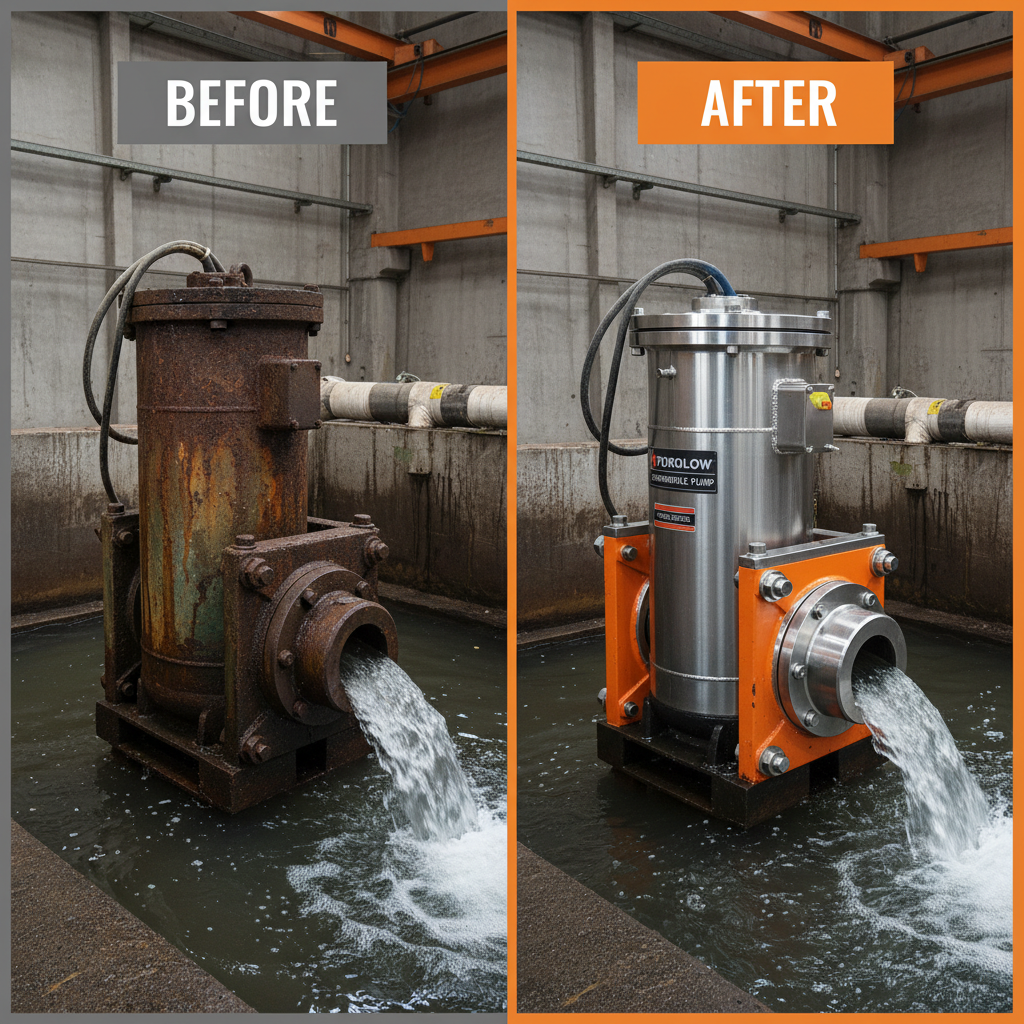 Understanding the Price Submersible Pump and Buyer GuideWhen searching for the ideal water management solution, understanding the price submersible pump options is crucial for balancing budget with performance. Whether you are dealing with a flooded basement, managing agricultural irrigation, or extracting water from a deep well, the cost of a submersible pump can vary significantly based on its build quality and capacity. Investing in a high-quality pump ensures long-term reliability and reduces the frequency of expensive replacements. In this guide, we will break down the factors that influence pricing and help you make an informed decision for your specific needs.Detail
 -
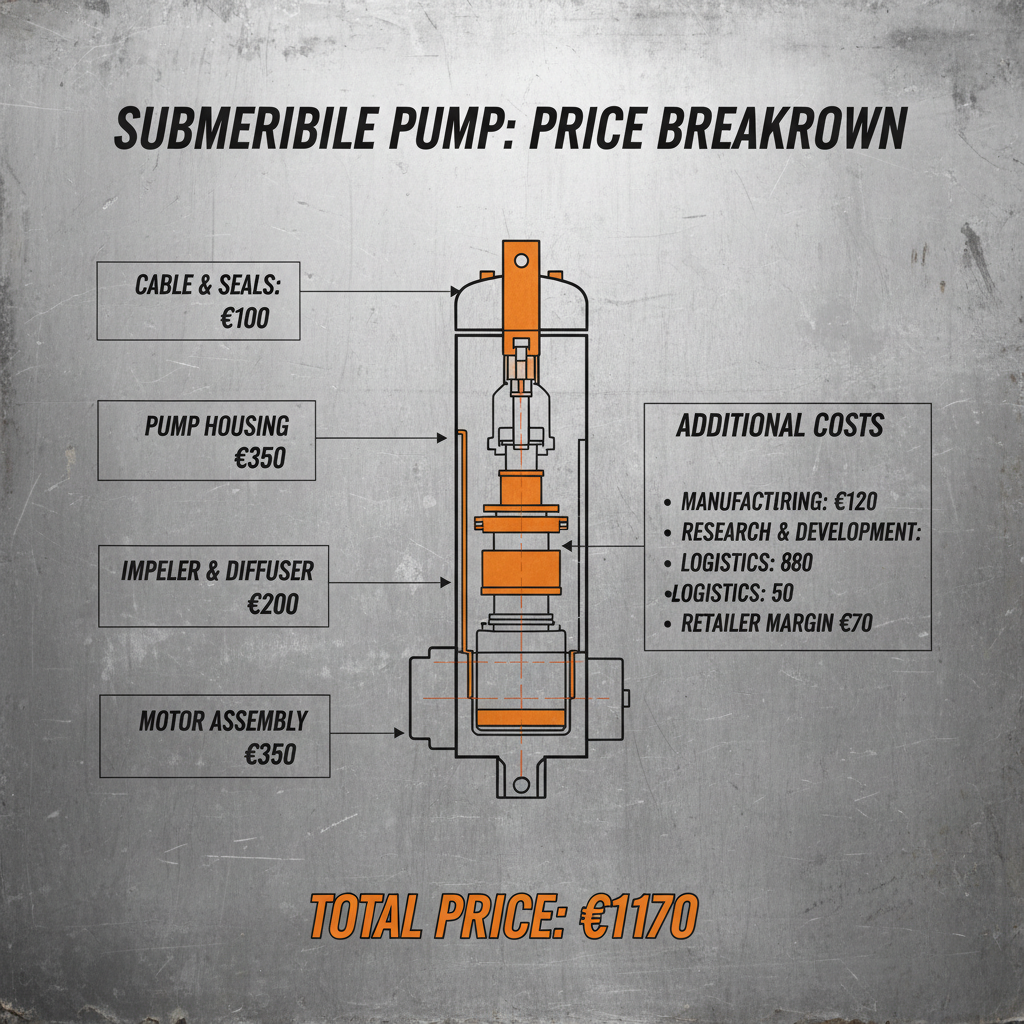 Factors Affecting the Price for Submersible Pump a Buyers GuideWhen investing in water management systems, understanding the price for submersible pump options is essential for balancing performance with budget. Whether you are managing a residential well, an industrial drainage project, or agricultural irrigation, the cost of a pump is rarely a flat fee; it is a reflection of the engineering, materials, and capacity required for your specific environment. In this guide, we will break down the factors that influence pricing and help you determine the best value for your investment to ensure long-term reliability and efficiency.Detail
 -
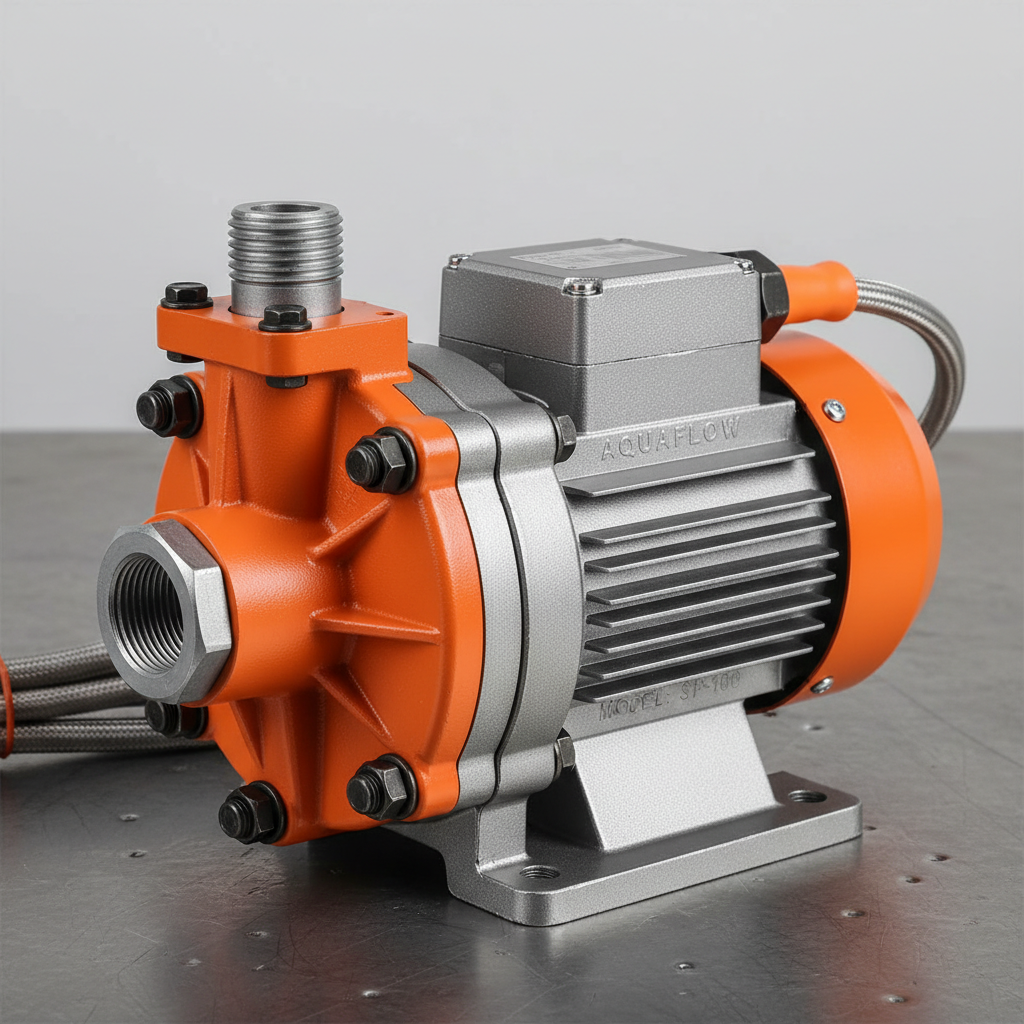 Choosing the Right Mini Submersible Fountain Pump for Optimal Water Feature PerformanceCreating a beautiful and relaxing water feature doesn't have to be complicated. A mini submersible fountain pump is the heart of any indoor or outdoor fountain, and selecting the right one is crucial for optimal performance and longevity. This article will guide you through the key considerations when choosing a mini submersible fountain pump, covering types, features, applications, and how to ensure you get the perfect pump for your project. We’ll also explore how Wellpumpact can provide you with the ideal solution.Detail
 Afrikaans
 Albanian
 Amharic
 Arabic
 Armenian
 Azerbaijani
 Basque
 Belarusian
 Bengali
 Bosnian
 Bulgarian
 Catalan
 Cebuano
 Corsican
 Croatian
 Czech
Czech
 Danish
 Dutch
Dutch
 Esperanto
 Estonian
 Finnish
 French
 Frisian
 Galician
 Georgian
 German
 Greek
Greek
 Gujarati
 Haitian Creole
 Hausa
Hausa
 Hawaiian
 Hebrew
 Hindi
Hindi
 Miao
Miao
 Hungarian
 Icelandic
 Igbo
Igbo
 Indonesian
 Irish
Irish
 Italian
 Japanese
 Javanese
 Kannada
 Kazakh
 Khmer
Khmer
 Rwandese
 Korean
 Kurdish
 Kyrgyz
 Lao
Lao
 Latin
Latin
 Latvian
 Lithuanian
 Luxembourgish
 Macedonian
 Malgashi
 Malay
Malay
 Malayalam
 Maltese
 Maori
Maori
 Marathi
 Mongolian
 Myanmar
 Nepali
 Norwegian
 Norwegian
 Occitan
 Pashto
 Persian
 Polish
 Portuguese
 Punjabi
 Romanian
 Russian
 Samoan
 Scottish Gaelic
 Serbian
 Sesotho
 Shona
Shona
 Sindhi
 Sinhala
 Slovak
 Slovenian
 Somali
 Spanish
 Sundanese
 Swahili
 Swedish
 Tagalog
 Tajik
Tajik
 Tamil
Tamil
 Tatar
Tatar
 Telugu
 Thai
Thai
 Turkish
 Turkmen
 Ukrainian
 Urdu
Urdu
 Uighur
 Uzbek
Uzbek
 Vietnamese
 Welsh
Welsh
 Bantu
Bantu
 Yiddish
 Yoruba
 Zulu
Zulu
 English