
Nov . 26, 2025 21:35 Back to list
Durable Dirty Water Sump Pumps for Efficient Flood & Debris Removal | WellPump Act
Why the Dirty Water Sump Pump Deserves a Spot in Every Flood Response Strategy
If you’ve ever had to deal with flooded basements, construction site water issues, or emergency response involving contaminated water, you probably understand the hassle of removing dirty water safely and efficiently. That's where a dirty water sump pump enters the stage — a specialized piece of equipment designed to handle not just clean water but water contaminated with debris, silt, or aggressive particles that would immediately clog or damage regular pumps.
Globally, water management and flood mitigation are becoming increasingly critical. Natural disasters, urban development, and aging infrastructure push the demand for robust, reliable pumps able to handle "dirty" water with as little downtime and maintenance as possible. Understanding how these pumps work and where they fit into the broader picture is vital for engineers, contractors, and humanitarian organizations.
So, why focus on dirty water sump pumps? Put simply: they protect property, reduce health risks, and save countless hours during clean-up or construction cycles. Whether it’s a residential basement or a large-scale industrial site, these pumps play a quiet but essential role.
The Rising Importance of Dirty Water Pumps in a Changing World
On a global scale, floods affect millions each year. According to the United Nations Office for Disaster Risk Reduction, flooding accounts for roughly 40% of all natural disasters worldwide (UNDRR, 2024). When floodwaters mix with soil, silt, and debris, they immediately become "dirty water," complicating clean-up efforts.
Moreover, urbanization causes more impervious surfaces on the ground, increasing runoff and burdening drainage systems. Industrial and construction zones also frequently grapple with high sediment water. A dirty water sump pump is specifically designed to handle these challenges — pumping water that traditional sump pumps simply can’t manage without clogging or failure.
In real terms, this means faster recovery, less equipment breakdown, and ultimately, cost savings. I've noticed many disaster recovery professionals emphasize the difference in response times between sites with general sump pumps and those equipped with true dirty water models — it’s often a night-and-day difference.
What Exactly Is a Dirty Water Sump Pump?
To put it plainly, a dirty water sump pump is a submersible pump designed to move liquid containing solid particles — think mud, sand, small stones, or organic debris — without getting clogged. Unlike clean water pumps that require clear fluids, these units feature larger intake ports, robust impellers, and often abrasion-resistant materials.
They’re commonly used in construction, agriculture, flood-prone homes, and disaster recovery, where pumping water mixed with debris is routine. Their role is crucial: removing hazardous water quickly reduces mold risk and structural damage, and safeguards health by preventing stagnant water buildup.
Core Components That Make Dirty Water Pumps Tick
- Durability: Most pumps use stainless steel or thermoplastic casings resistant to rust and abrasion. This ensures they survive gritty or acidic conditions.
- Impeller Design: Often vortex or open-style impellers minimize clogging by allowing solids up to a specific diameter (typically 1/2 inch to 2 inches) through without blocking.
- Power & Flow Rate: Pumps vary, but many range from 1/3 HP to over 2 HP motors, delivering flow rates between 2,000 and 8,000 gallons per hour — enough for residential basements or large site drainage.
- Portability and Installation: Lightweight and submersible, they often come with float switches to automate operation, which saves you from babysitting the pump during deployment.
In my experience, choosing the right specs — especially impeller size and motor power — can be the difference between smooth operation and constant frustration. I suppose it’s a bit like picking the right shoes: too small or too weak, and you’re limping through the job.
Examples of How Dirty Water Sump Pumps Make a Difference Worldwide
Take Hurricane response in the Gulf Coast, for example. Floodwaters contain storm debris, sediment, and sometimes sewage. Emergency teams equipped with rugged dirty water pumps restore damaged homes and critical facilities faster, reducing downtime and health hazards.
In remote mining or construction zones in places like Canada or Australia, muddy groundwater commonly accumulates in pits. Heavy-duty dirty water sump pumps keep work areas dry and safe, averting costly delays.
Even municipal wastewater treatment plants use these pumps to move sludge mixtures or manage stormwater overflow during intense rainfall. It’s a universal technology adapting to local challenges.
Mini takeaway: Whether it’s a small flooded basement in London or a massive industrial site in Brazil, dirty water sump pumps play a vital role in water management worldwide.
Advantages of Using Dirty Water Sump Pumps Over Alternatives
- Cost Efficiency: Durable pumps reduce repair and replacement costs, plus faster pumping reduces labor time.
- Environmental & Health Benefits: Removing contaminated water promptly helps prevent mold growth, bacterial contamination, and environmental seepage.
- Reliability: Automated float switches and rugged components increase uptime, so you’re not stuck in emergency mode constantly.
- Flexibility: They adapt to different environments — indoors, outdoors, industrial, or household — which means fewer different devices to stock.
- Peace of Mind: Knowing you have a tool that can handle tough water means less stress when disaster strikes.
Dirty Water Sump Pump Specification Table
| Feature | Typical Value | Notes |
|---|---|---|
| Motor Power | 0.5 HP – 2 HP | Higher power handles larger debris |
| Max Solid Size | 1/2" to 2" | Vortex impeller allows solids through |
| Flow Rate | 2000 – 8000 GPH | GPH = gallons per hour |
| Material | Stainless steel, thermoplastics | Corrosion and abrasion resistant |
| Weight | 15 – 40 lbs | Portable models available |
Comparing Major Dirty Water Sump Pump Vendors
| Brand | Power Range | Special Features | Warranty | Average Price (USD) |
|---|---|---|---|---|
| Brand A | 0.5–1.5 HP | Automatic float switch, vortex impeller | 2 years | $350–$600 |
| Brand B | 1–2 HP | Reinforced stainless steel housing, multi-stage pump | 3 years | $700–$1100 |
| Brand C | 0.3–1 HP | Lightweight, easy portability | 1 year | $280–$450 |
Looking Ahead: Innovations and Trends in Dirty Water Pumps
Emerging tech in dirty water sump pumps is pretty exciting. I mean, who thought pumps would get "smart"? Now, some models include IoT sensors to monitor flow rates, motor temperature, and clogging in real-time, sending alerts to maintenance teams before failure occurs.
Materials science is also stepping up. New composites and ceramics promise even higher abrasion resistance without adding weight. Plus, with rising interest in sustainability, solar-powered dirty water pumps are finding their niche in remote or disaster-hit communities where grid power is unreliable.
Finally, automation and modular designs allow pumps to be quickly swapped or upgraded on site. In disaster zones, where every hour counts, these trends could radically improve outcomes.
Common Questions About Dirty Water Sump Pumps
1. Can a dirty water sump pump handle sewage?
Most dirty water sump pumps are designed to handle solids and debris but are not true sewage pumps. They can manage light sewage or waste with solids, but for heavy sewage, you'd need a dedicated sewage pump equipped with grinders or cutters.
2. How often should I perform maintenance on my dirty water pump?
Maintenance depends on usage intensity. For frequent use in harsh conditions, monthly inspections of the impeller, seals, and power cord are recommended. Clean filters and check float switches to ensure smooth operation.
3. Is it safe to run a dirty water sump pump continuously during a flood?
Most pumps aren't designed for continuous 24/7 operation. Many have thermal overload protection to prevent motor damage. Using a pump with an automatic float switch can help by turning it off when water levels are low.
4. What size pump do I need for my flooded basement?
This depends on the area size and water volume. A pump with 2,000–4,000 gallons per hour is generally sufficient for most residential basements. Always consider the maximum solid size your water carries to select the appropriate impeller.
5. Can I use a dirty water sump pump outdoors in winter?
Yes, but you must protect the pump and power connections from freezing temperatures and ice buildup. Some models are rated for cold weather, but generally, it’s best to remove the pump after use until conditions improve.
Wrapping Up: Why Investing in a Reliable Dirty Water Sump Pump Pays Off
At the end of the day, a dirty water sump pump might seem like a niche tool. But when suddenly faced with a flooded site or contaminated water build-up, these pumps prove invaluable. Their durability, versatility, and increasingly smart features make them essential for modern water management—whether at home, in industry, or on disaster relief fronts.
If you want to ensure your water removal challenges are met head-on, check out options and expert advice on our website: dirty water sump pump. You’ll find guides, specs, and even user reviews that help you make the right call — because nobody enjoys that sinking feeling when a pump fails mid-job.
Stay dry, stay prepared!
References / Further Reading
-
Understanding the Price Submersible Pump and Buyer Guide
NewsApr.16,2026
-
Factors Affecting the Price for Submersible Pump a Buyers Guide
NewsApr.09,2026
-
Choosing the Right Mini Submersible Fountain Pump for Optimal Water Feature Performance
NewsApr.07,2026
-
A Detailed Guide to Installing a Submersible Pump for Optimal Performance
NewsApr.04,2026
-
Comprehensive Guide on How to Test a Submersible Water Well Pump Effectively
NewsMar.31,2026
-
Learn How to Replace a Submersible Well Pump Safely and Effectively
NewsMar.28,2026
-
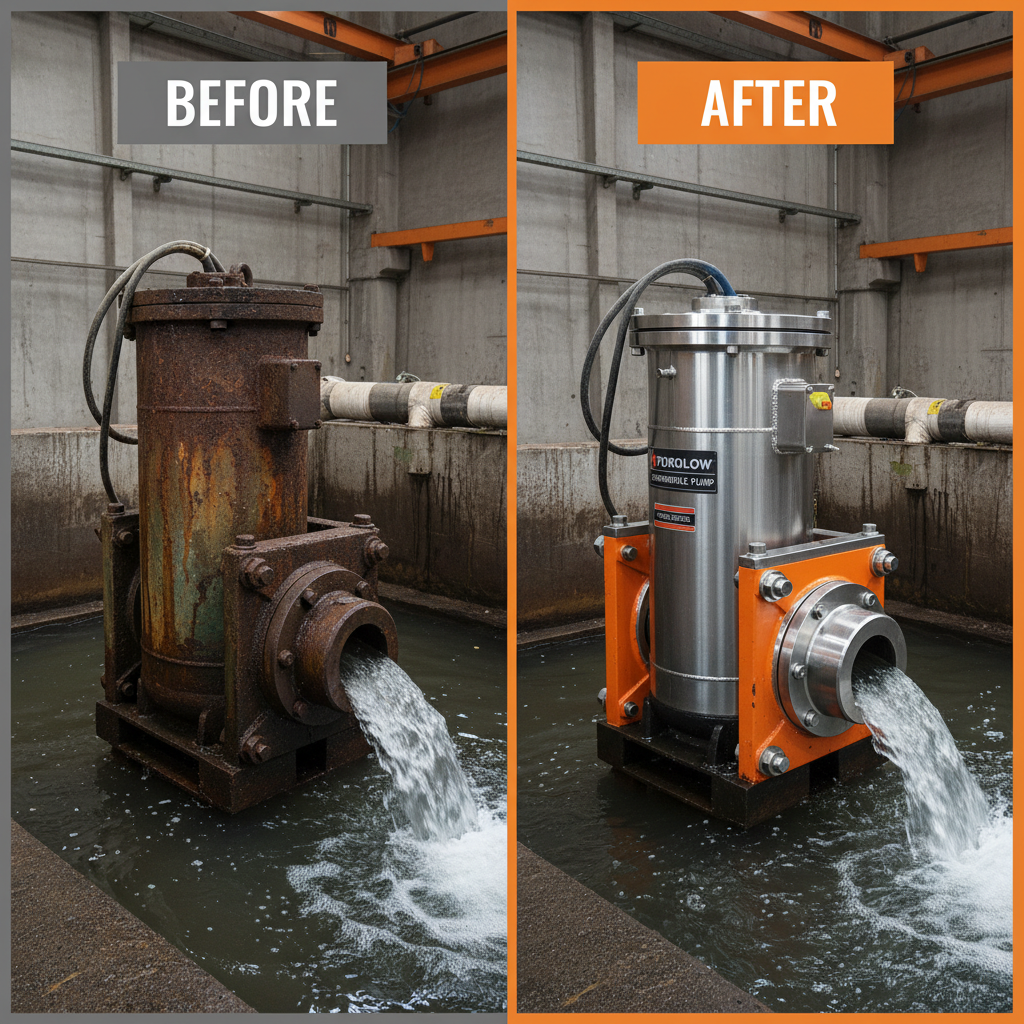 Understanding the Price Submersible Pump and Buyer GuideWhen searching for the ideal water management solution, understanding the price submersible pump options is crucial for balancing budget with performance. Whether you are dealing with a flooded basement, managing agricultural irrigation, or extracting water from a deep well, the cost of a submersible pump can vary significantly based on its build quality and capacity. Investing in a high-quality pump ensures long-term reliability and reduces the frequency of expensive replacements. In this guide, we will break down the factors that influence pricing and help you make an informed decision for your specific needs.Detail
 -
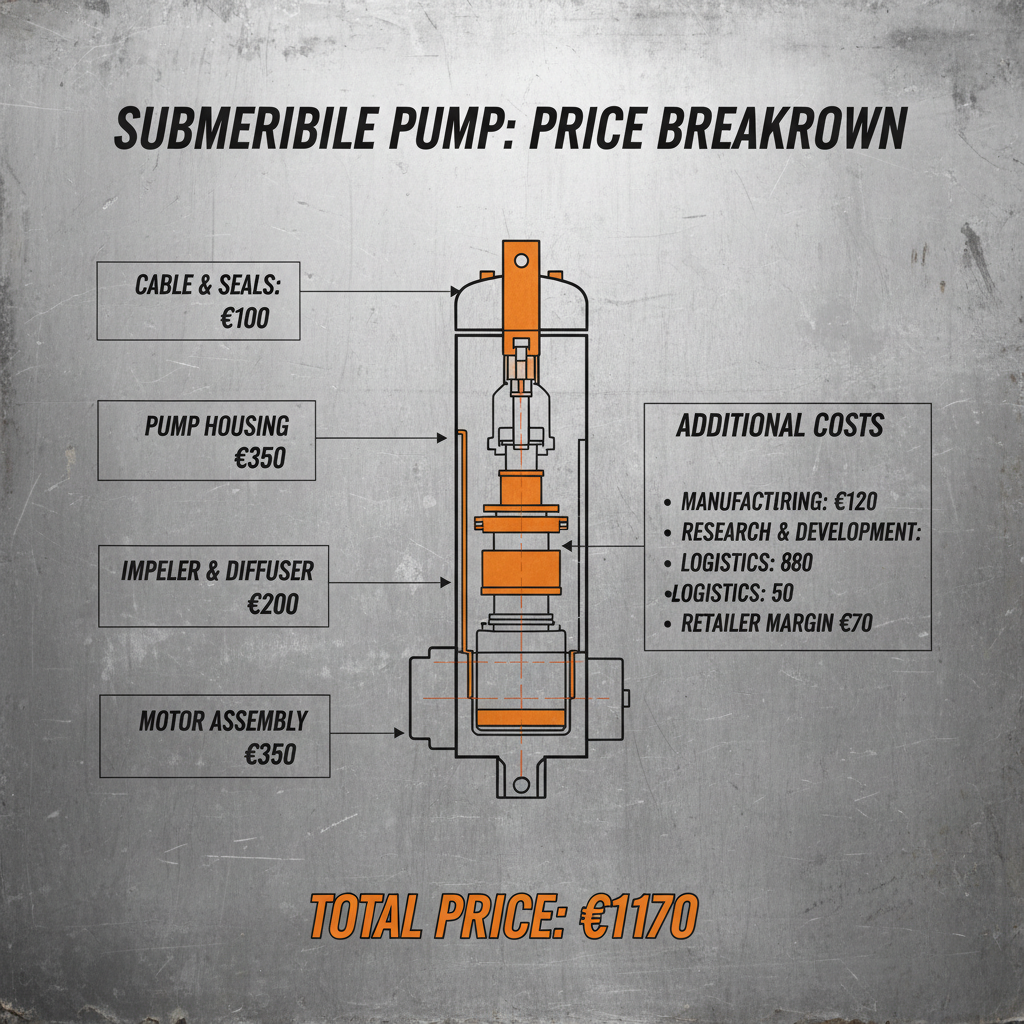 Factors Affecting the Price for Submersible Pump a Buyers GuideWhen investing in water management systems, understanding the price for submersible pump options is essential for balancing performance with budget. Whether you are managing a residential well, an industrial drainage project, or agricultural irrigation, the cost of a pump is rarely a flat fee; it is a reflection of the engineering, materials, and capacity required for your specific environment. In this guide, we will break down the factors that influence pricing and help you determine the best value for your investment to ensure long-term reliability and efficiency.Detail
 -
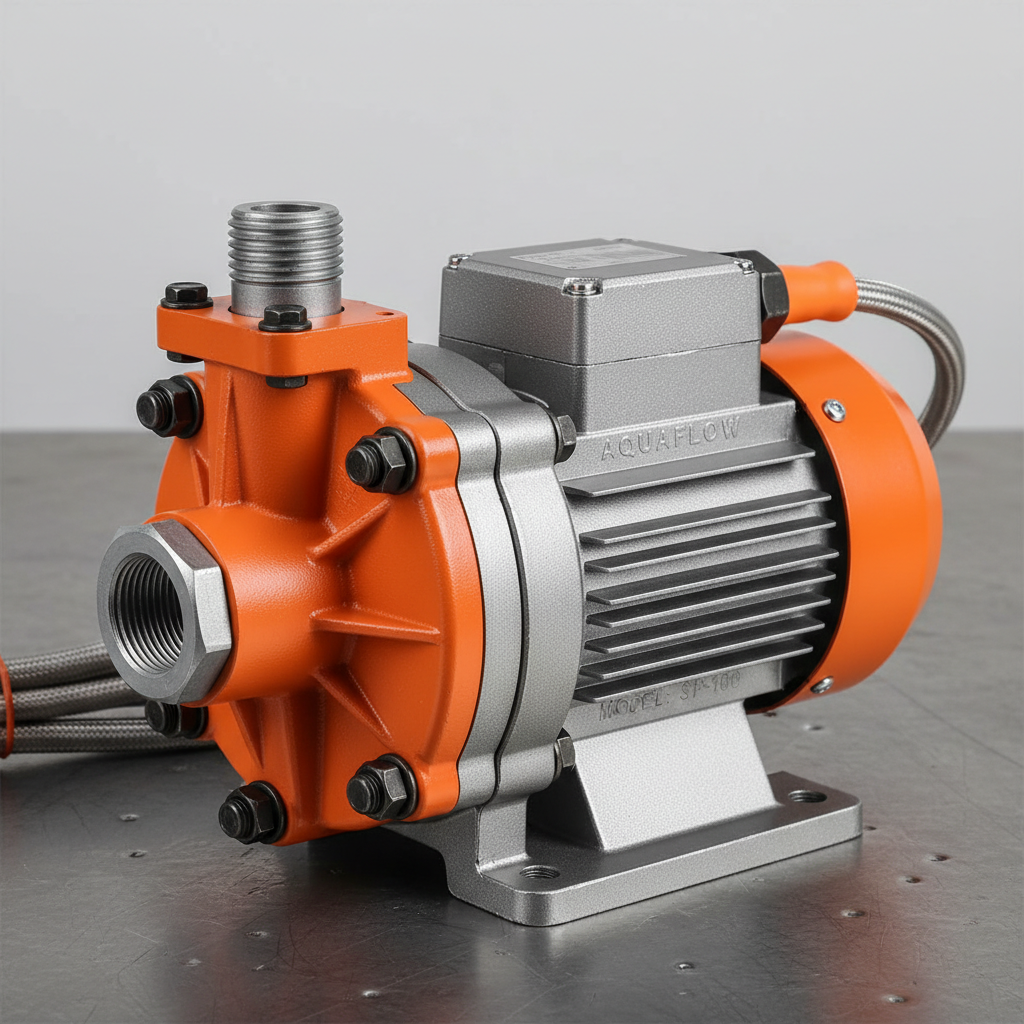 Choosing the Right Mini Submersible Fountain Pump for Optimal Water Feature PerformanceCreating a beautiful and relaxing water feature doesn't have to be complicated. A mini submersible fountain pump is the heart of any indoor or outdoor fountain, and selecting the right one is crucial for optimal performance and longevity. This article will guide you through the key considerations when choosing a mini submersible fountain pump, covering types, features, applications, and how to ensure you get the perfect pump for your project. We’ll also explore how Wellpumpact can provide you with the ideal solution.Detail
 Afrikaans
 Albanian
 Amharic
 Arabic
 Armenian
 Azerbaijani
 Basque
 Belarusian
 Bengali
 Bosnian
 Bulgarian
 Catalan
 Cebuano
 Corsican
 Croatian
 Czech
Czech
 Danish
 Dutch
Dutch
 Esperanto
 Estonian
 Finnish
 French
 Frisian
 Galician
 Georgian
 German
 Greek
Greek
 Gujarati
 Haitian Creole
 Hausa
Hausa
 Hawaiian
 Hebrew
 Hindi
Hindi
 Miao
Miao
 Hungarian
 Icelandic
 Igbo
Igbo
 Indonesian
 Irish
Irish
 Italian
 Japanese
 Javanese
 Kannada
 Kazakh
 Khmer
Khmer
 Rwandese
 Korean
 Kurdish
 Kyrgyz
 Lao
Lao
 Latin
Latin
 Latvian
 Lithuanian
 Luxembourgish
 Macedonian
 Malgashi
 Malay
Malay
 Malayalam
 Maltese
 Maori
Maori
 Marathi
 Mongolian
 Myanmar
 Nepali
 Norwegian
 Norwegian
 Occitan
 Pashto
 Persian
 Polish
 Portuguese
 Punjabi
 Romanian
 Russian
 Samoan
 Scottish Gaelic
 Serbian
 Sesotho
 Shona
Shona
 Sindhi
 Sinhala
 Slovak
 Slovenian
 Somali
 Spanish
 Sundanese
 Swahili
 Swedish
 Tagalog
 Tajik
Tajik
 Tamil
Tamil
 Tatar
Tatar
 Telugu
 Thai
Thai
 Turkish
 Turkmen
 Ukrainian
 Urdu
Urdu
 Uighur
 Uzbek
Uzbek
 Vietnamese
 Welsh
Welsh
 Bantu
Bantu
 Yiddish
 Yoruba
 Zulu
Zulu
 English