
Oct . 27, 2025 13:35 Back to list
250QJP Peep Well Submersible Pump, High Flow & Efficient
Field Notes on the 250QJP Deep-Well Workhorse
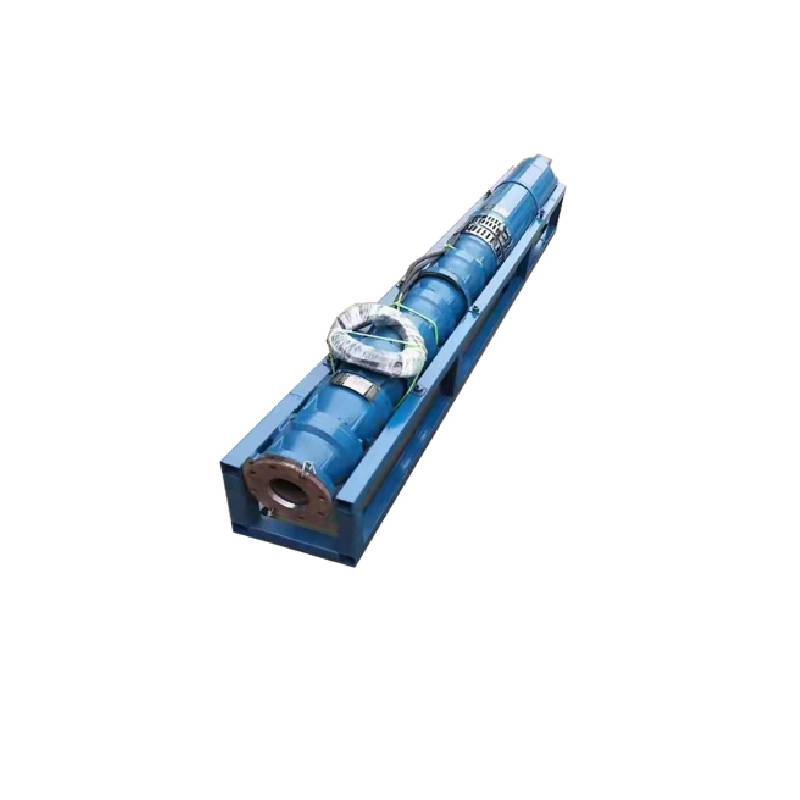
I’ve spent a fair bit of time around irrigation fields and mining sumps, and—honestly—few products are as quietly essential as a deep-well submersible. The 250QJP Peep Well Submersible Pump comes from Hebei’s Lincheng Economic Development Zone (No. 6 Xingyuan Road, West District), which has become a small hub for serious pump manufacturing. They accept OEM work and build to spec—more on that—and they implement GB/T2816-2014 (well submersible pump) and GB/T2818-2014 (well submersible asynchronous motor). To be honest, that baseline matters more than flashy brochures.
Industry snapshot
Globally, high-bore (≥250 mm) submersibles are trending toward energy-optimized hydraulics, stainless wet ends, and stricter acceptance testing (ISO 9906 grades). In fact, many buyers now expect factory performance curves and sand-handling data, not just catalog numbers. It seems that the 250QJP Peep Well Submersible Pump line aligns with that shift, offering OEM customization for duty points that don’t fit the average chart.
Typical specification (real-world use may vary)
| Parameter | Typical range ≈ | Notes |
|---|---|---|
| Nominal well diameter | 250 mm | For 10" class wells |
| Flow (Q) | 120–350 m³/h | Trimmed impellers available |
| Head (H) | 70–220 m | Single/multi-stage stacks |
| Power | 30–150 kW | Asynchronous motor per GB/T2818 |
| Voltage / Frequency | 380–660 V / 50 Hz | Other voltages on request |
| Efficiency | Up to ≈78% | ISO 9906 acceptance |
| Max sand | ≤0.25% | Clean well recommended |
| Water temperature | ≤30°C (standard) | High-temp options via OEM |
| Materials | 304/316L SS, CF8M, HT200 | Hydraulics vs. motor casing |
Manufacturing and test flow (how it’s actually built)
Materials: 304/316L stainless bowls/impellers (precision-cast); high-strength shaft steel; double end-face mechanical seal (SiC/TC); enamelled copper windings; XLPE or rubber-jacketed submersible cable. Methods: dynamic balancing of rotors; VPI vacuum impregnation; stage-by-stage hydraulic matching; pressure test at 1.5× rated; routine and type tests per GB/T2816 & ISO 9906. Typical insulation resistance after drying: >200 MΩ at 500 V. To be fair, service life depends on sand and starts, but many users report 8–12 years; 15 is possible with clean water and proper VFD ramping.
Where it’s used
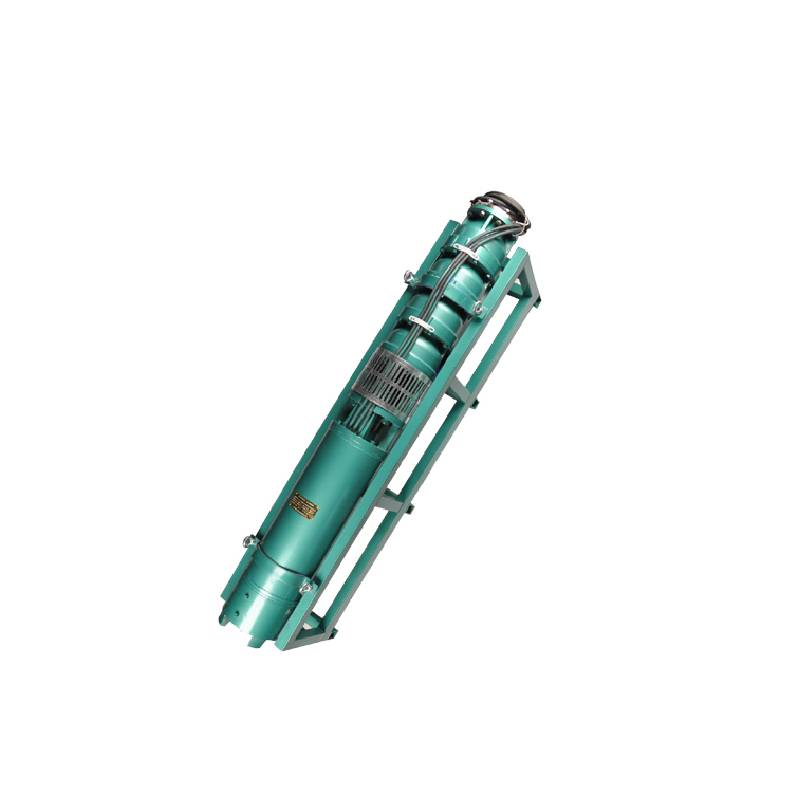
Agriculture irrigation blocks, municipal wells, mine dewatering, geothermal supply, estate waterworks, and standby fire-water. One Hebei orchard (2023) swapped two aging 200 mm units for a 250QJP Peep Well Submersible Pump tuned to 180 m³/h @ 110 m—power dropped ≈9% with steadier pressure. A Gulf farm co-op, surprisingly, reported lower clogging after moving to 316L hydraulics due to brackish water.
Vendor comparison (quick reality check)
| Item | This 250QJP | Generic Local | Imported Brand |
|---|---|---|---|
| Standards | GB/T2816, GB/T2818, ISO 9906 | Varies | ISO 9906, IEC 60034 |
| OEM customization | Yes (non-standard builds) | Limited | Yes (costly) |
| Lead time | 2–4 weeks ≈ | 1–6 weeks | 6–10 weeks |
| Cost per kW | Mid | Low–Mid | High |
| After-sales | Direct WhatsApp: 17855846335 | Distributor | Regional agent |
Why choose it
- Proven compliance: GB/T2816-2014 and GB/T2818-2014.
- OEM flexibility: non-standard heads, special metallurgy, cable lengths.
- Balanced hydraulics: quieter operation, fewer start-up shocks.
- Serviceability: modular stages, commonly available seals and bearings.
Customer voice
Many customers say the 250QJP Peep Well Submersible Pump “just runs” once dialed in—no drama, which is exactly what you want 120 meters underground. Some ask for 316L upgrades and VFD-ready motors; those have been supported without fuss.
Certifications and docs
Factory quality system: typically ISO 9001. Hydraulic performance tests per ISO 9906 acceptance grades, routine motor checks per IEC 60034. Ask for type-test sheets and the well log; it helps validate duty-point selection.
Final note: if your water has fine sand, consider a sand separator and slower VFD ramp. It’s a little thing that, in practice, extends bearing and seal life.
Authoritative citations
-
Understanding the Price Submersible Pump and Buyer Guide
NewsApr.16,2026
-
Factors Affecting the Price for Submersible Pump a Buyers Guide
NewsApr.09,2026
-
Choosing the Right Mini Submersible Fountain Pump for Optimal Water Feature Performance
NewsApr.07,2026
-
A Detailed Guide to Installing a Submersible Pump for Optimal Performance
NewsApr.04,2026
-
Comprehensive Guide on How to Test a Submersible Water Well Pump Effectively
NewsMar.31,2026
-
Learn How to Replace a Submersible Well Pump Safely and Effectively
NewsMar.28,2026
-
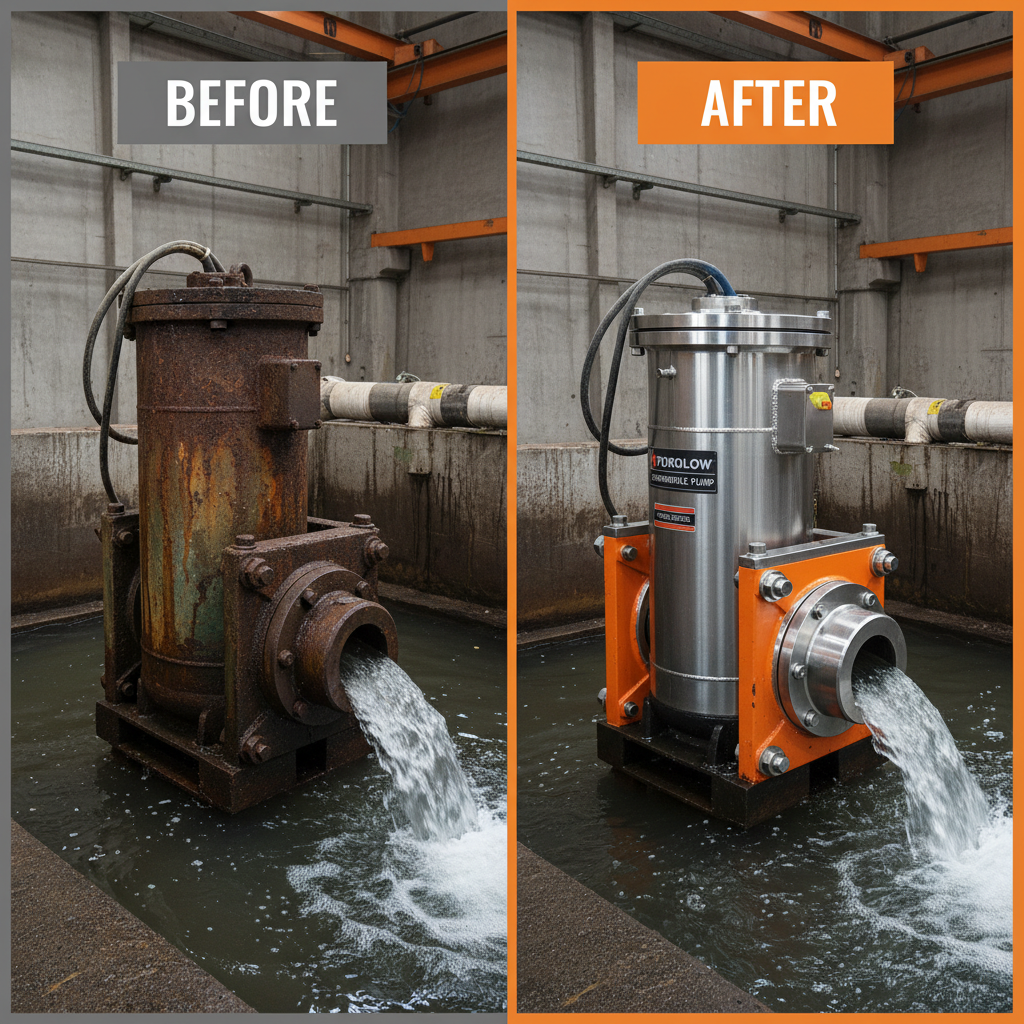 Understanding the Price Submersible Pump and Buyer GuideWhen searching for the ideal water management solution, understanding the price submersible pump options is crucial for balancing budget with performance. Whether you are dealing with a flooded basement, managing agricultural irrigation, or extracting water from a deep well, the cost of a submersible pump can vary significantly based on its build quality and capacity. Investing in a high-quality pump ensures long-term reliability and reduces the frequency of expensive replacements. In this guide, we will break down the factors that influence pricing and help you make an informed decision for your specific needs.Detail
 -
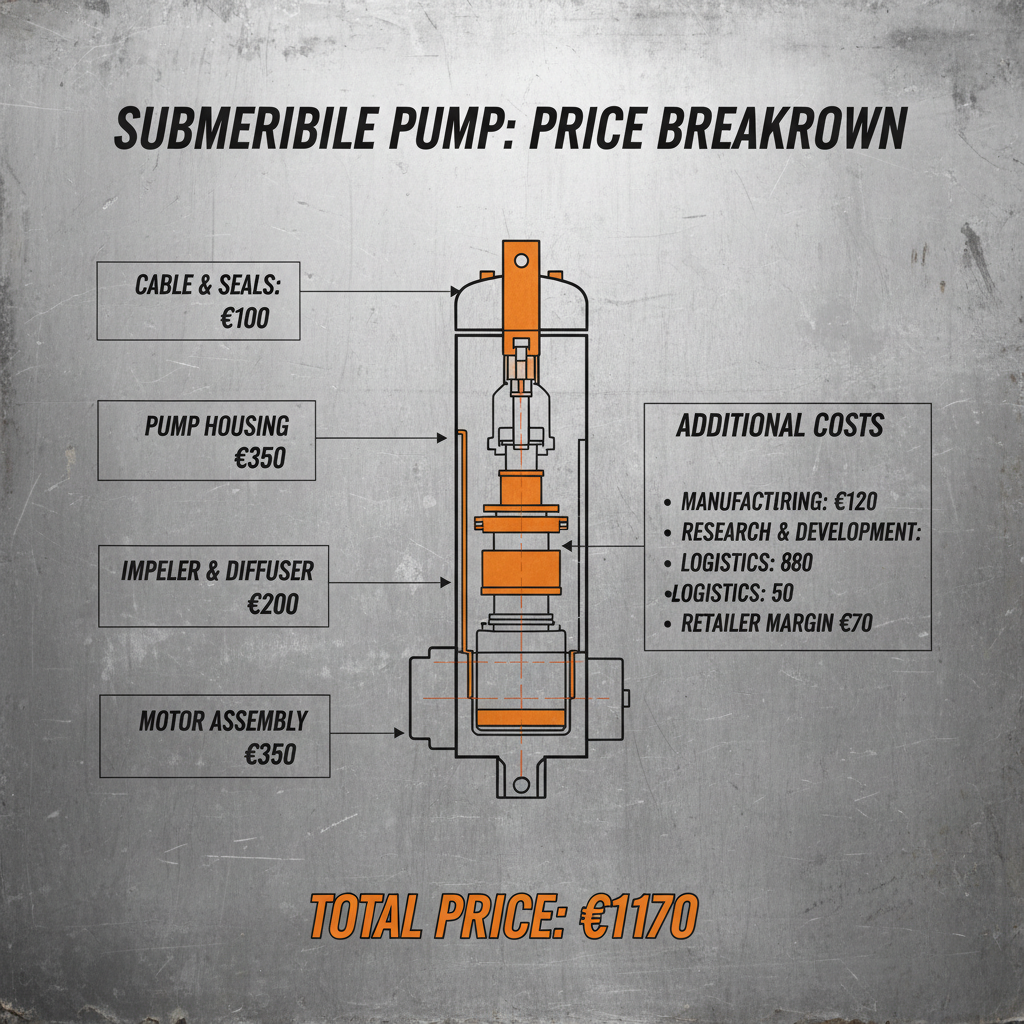 Factors Affecting the Price for Submersible Pump a Buyers GuideWhen investing in water management systems, understanding the price for submersible pump options is essential for balancing performance with budget. Whether you are managing a residential well, an industrial drainage project, or agricultural irrigation, the cost of a pump is rarely a flat fee; it is a reflection of the engineering, materials, and capacity required for your specific environment. In this guide, we will break down the factors that influence pricing and help you determine the best value for your investment to ensure long-term reliability and efficiency.Detail
 -
 Choosing the Right Mini Submersible Fountain Pump for Optimal Water Feature PerformanceCreating a beautiful and relaxing water feature doesn't have to be complicated. A mini submersible fountain pump is the heart of any indoor or outdoor fountain, and selecting the right one is crucial for optimal performance and longevity. This article will guide you through the key considerations when choosing a mini submersible fountain pump, covering types, features, applications, and how to ensure you get the perfect pump for your project. We’ll also explore how Wellpumpact can provide you with the ideal solution.Detail
 Afrikaans
 Albanian
 Amharic
 Arabic
 Armenian
 Azerbaijani
 Basque
 Belarusian
 Bengali
 Bosnian
 Bulgarian
 Catalan
 Cebuano
 Corsican
 Croatian
 Czech
Czech
 Danish
 Dutch
Dutch
 Esperanto
 Estonian
 Finnish
 French
 Frisian
 Galician
 Georgian
 German
 Greek
Greek
 Gujarati
 Haitian Creole
 Hausa
Hausa
 Hawaiian
 Hebrew
 Hindi
Hindi
 Miao
Miao
 Hungarian
 Icelandic
 Igbo
Igbo
 Indonesian
 Irish
Irish
 Italian
 Japanese
 Javanese
 Kannada
 Kazakh
 Khmer
Khmer
 Rwandese
 Korean
 Kurdish
 Kyrgyz
 Lao
Lao
 Latin
Latin
 Latvian
 Lithuanian
 Luxembourgish
 Macedonian
 Malgashi
 Malay
Malay
 Malayalam
 Maltese
 Maori
Maori
 Marathi
 Mongolian
 Myanmar
 Nepali
 Norwegian
 Norwegian
 Occitan
 Pashto
 Persian
 Polish
 Portuguese
 Punjabi
 Romanian
 Russian
 Samoan
 Scottish Gaelic
 Serbian
 Sesotho
 Shona
Shona
 Sindhi
 Sinhala
 Slovak
 Slovenian
 Somali
 Spanish
 Sundanese
 Swahili
 Swedish
 Tagalog
 Tajik
Tajik
 Tamil
Tamil
 Tatar
Tatar
 Telugu
 Thai
Thai
 Turkish
 Turkmen
 Ukrainian
 Urdu
Urdu
 Uighur
 Uzbek
Uzbek
 Vietnamese
 Welsh
Welsh
 Bantu
Bantu
 Yiddish
 Yoruba
 Zulu
Zulu
 English