
Jan . 27, 2026 21:35 Back to list
Comprehensive Guide to 1 HP Submersible Water Pump Applications and Selection
Understanding the Power of a 1 HP Submersible Water Pump
When it comes to water management, a reliable pump is essential. For a variety of applications, a 1 hp submersible water pump offers an excellent balance of power and efficiency. These pumps are designed to be fully submerged in water, making them ideal for drainage, irrigation, and water transfer. This article will delve into the features, benefits, applications, and selection considerations for a 1 hp submersible pump, helping you make the right choice for your needs. Choosing the right pump ensures efficient water management and can save you time and money in the long run. Wellpumpact.com provides a wide range of submersible pumps to suit various applications.
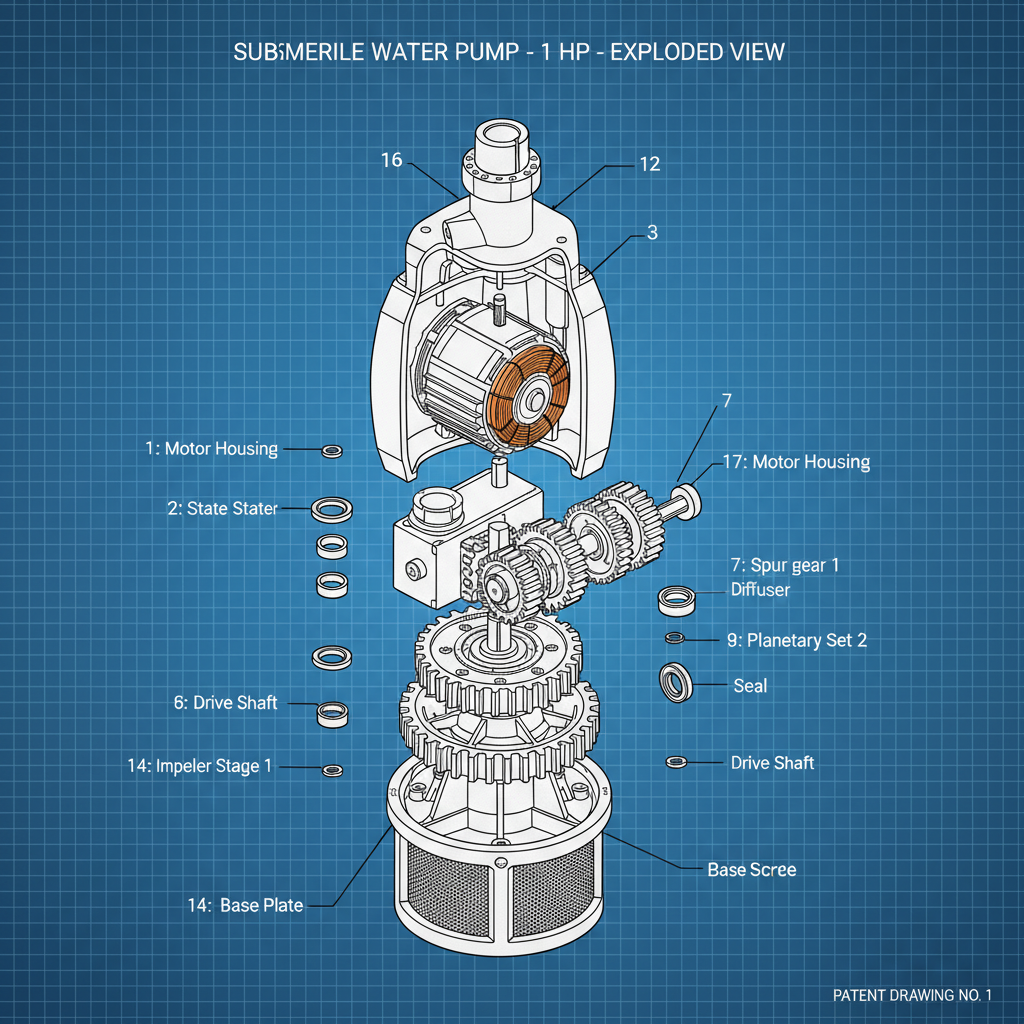
What Makes a 1 HP Submersible Pump Ideal?
A 1 horsepower (hp) submersible pump is a popular choice due to its versatile performance. It provides enough power for many common tasks without being overly large or energy-intensive. The "submersible" design means the pump is engineered to operate while completely immersed in water, which eliminates the need for priming and reduces noise. These pumps are known for their durability, often constructed with corrosion-resistant materials to withstand harsh environments. They are particularly useful in situations where you need to move water from a lower level to a higher one, such as draining a basement, irrigating a garden, or transferring water from a well. A well-maintained 1 hp submersible pump will provide years of reliable service.
Key Highlights: Submersible design eliminates priming, corrosion-resistant materials ensure durability, and ideal for a wide range of applications.
Common Applications for a 1 HP Submersible Water Pump
The applications for a 1 hp submersible pump are diverse. They are frequently used for draining flooded basements, construction sites, and swimming pools. In agriculture, they are essential for irrigation, transferring water from ponds or wells to crops. Homeowners utilize them for well water systems, boosting water pressure, and general water transfer needs. They're also valuable for emergency water removal during storms or natural disasters. The compact size and ease of installation make them a practical solution for a variety of scenarios. Explore Wellpumpact's selection to find the perfect pump for your specific application.
Application Areas:
• Basement/Cellar Drainage
• Irrigation Systems
• Well Water Transfer
• Construction Site Dewatering
1 HP Submersible Pump: Performance Metrics and Comparison
Understanding the performance metrics of a 1 hp submersible pump is critical for choosing the right model. Key factors include flow rate (measured in gallons per hour or GPH), maximum head (the maximum height the pump can lift water), and solids handling capacity (the size of particles the pump can pass through without clogging). A typical 1 hp pump can deliver a flow rate of around 30-90 GPH, with a maximum head of 20-40 feet. Comparing different models based on these specifications is important. Here's a comparison of typical specifications:
Choosing the Right Submersible Pump for Your Needs
Selecting the appropriate 1 hp submersible pump involves considering several factors. The intended application dictates the required flow rate and head. The type of water being pumped (clean, dirty, or with solids) influences the pump's construction and solids handling capacity. Material quality is also important - look for pumps made with durable, corrosion-resistant materials like stainless steel or cast iron. Finally, consider features like automatic shut-off protection to prevent damage from running dry. Wellpumpact.com offers detailed product specifications and expert advice to help you make an informed decision.
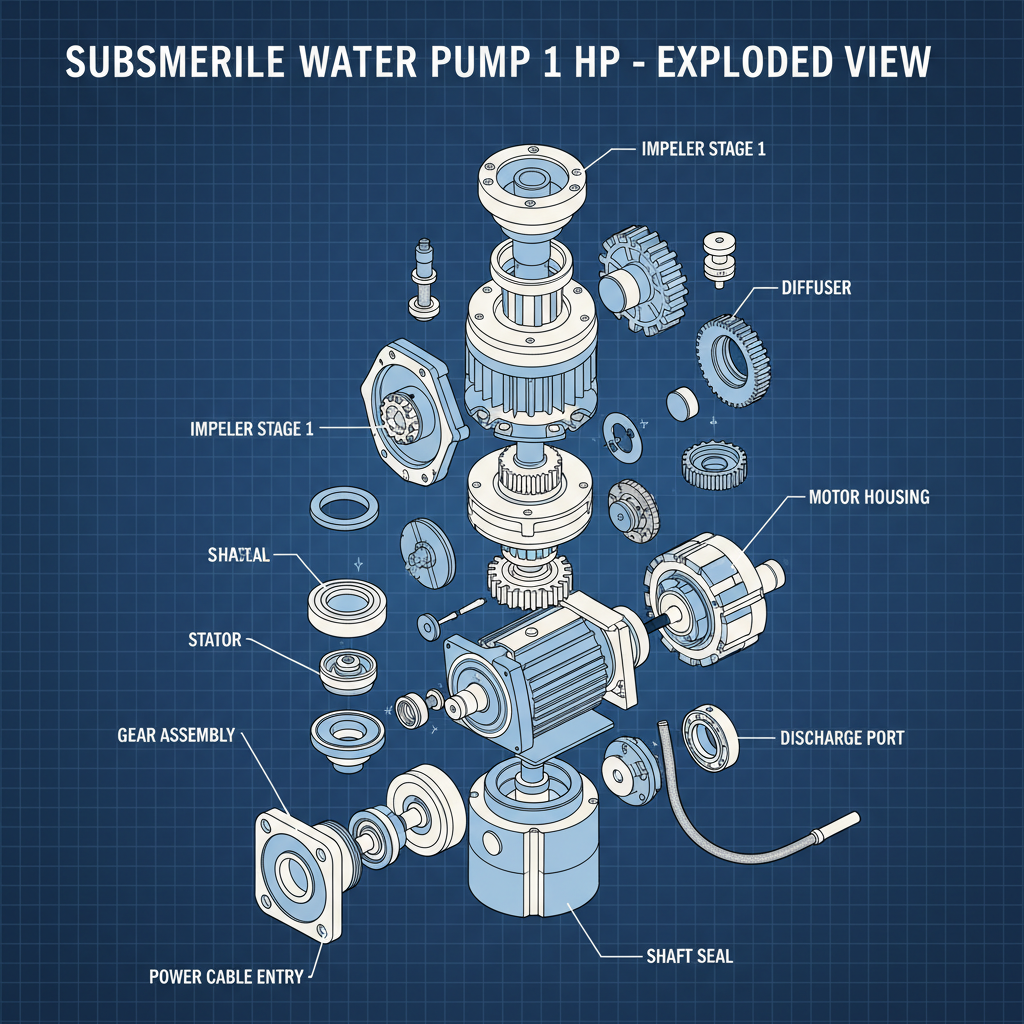
Maintenance and Longevity of Your 1 HP Submersible Pump
Proper maintenance is crucial for extending the lifespan of your 1 hp submersible pump. Regularly inspect the pump for any signs of damage, such as cracks or leaks. Keep the intake screen clean to prevent clogging. Avoid running the pump dry, as this can cause overheating and damage. If the pump is used infrequently, flush it with clean water before storing it. Following these simple maintenance steps will help ensure your pump provides years of reliable service. Wellpumpact.com also offers helpful resources on pump maintenance and troubleshooting.
Conclusion: A Reliable Solution for Water Management
The 1 hp submersible water pump is a versatile and reliable solution for a wide range of water management needs. Its combination of power, efficiency, and durability makes it an excellent investment for homeowners, contractors, and agricultural professionals. By understanding your specific requirements and choosing a high-quality pump from a trusted supplier like Wellpumpact, you can ensure efficient and trouble-free operation for years to come. Don’t compromise on water management – choose a 1 hp submersible pump from Wellpumpact today!
Frequently Asked Questions (FAQs)
What is the typical lifespan of a 1 HP submersible pump?
The lifespan of a 1 HP submersible pump generally ranges from 5 to 10 years, depending on usage frequency, water quality, and maintenance. Pumps used in clean water applications with regular maintenance will typically last longer. Harsh environments with abrasive materials can shorten the lifespan. It's important to inspect the pump regularly for signs of wear and tear and replace it when performance begins to decline or significant damage is detected. Proper storage during off-season can also contribute to longevity.
Can a 1 HP submersible pump handle solids?
Many 1 HP submersible pumps are designed to handle some level of solids, but the capacity varies. Pumps specifically designed for sewage or effluent typically have larger impeller passages and can handle solids up to 1/2 inch or more. However, standard pumps may struggle with larger debris. Always check the manufacturer's specifications to determine the pump's solids handling capacity before using it with water containing solids. Using a pump outside its rated capacity can cause clogging and damage.
What is the difference between a submersible pump and a jet pump?
The key difference lies in how they move water. A submersible pump is immersed in the water and pushes it upwards, eliminating the need for priming and reducing noise. A jet pump, on the other hand, sits above ground and uses suction to draw water up. Jet pumps are generally less efficient and require priming. Submersible pumps are often preferred for wells, drainage, and applications where noise reduction is important. They’re also less prone to losing prime compared to jet pumps.
How do I prevent my submersible pump from overheating?
Preventing overheating is crucial for pump longevity. Avoid running the pump dry, as this can cause the motor to overheat rapidly. Ensure the pump is fully submerged in water during operation. Regularly inspect the intake screen for clogs, as restricted flow can also lead to overheating. Consider using a pump with thermal overload protection, which automatically shuts off the pump if it reaches a dangerous temperature. Proper ventilation in the pump's surrounding area can also help dissipate heat.
-
Understanding the Price Submersible Pump and Buyer Guide
NewsApr.16,2026
-
Factors Affecting the Price for Submersible Pump a Buyers Guide
NewsApr.09,2026
-
Choosing the Right Mini Submersible Fountain Pump for Optimal Water Feature Performance
NewsApr.07,2026
-
A Detailed Guide to Installing a Submersible Pump for Optimal Performance
NewsApr.04,2026
-
Comprehensive Guide on How to Test a Submersible Water Well Pump Effectively
NewsMar.31,2026
-
Learn How to Replace a Submersible Well Pump Safely and Effectively
NewsMar.28,2026
-
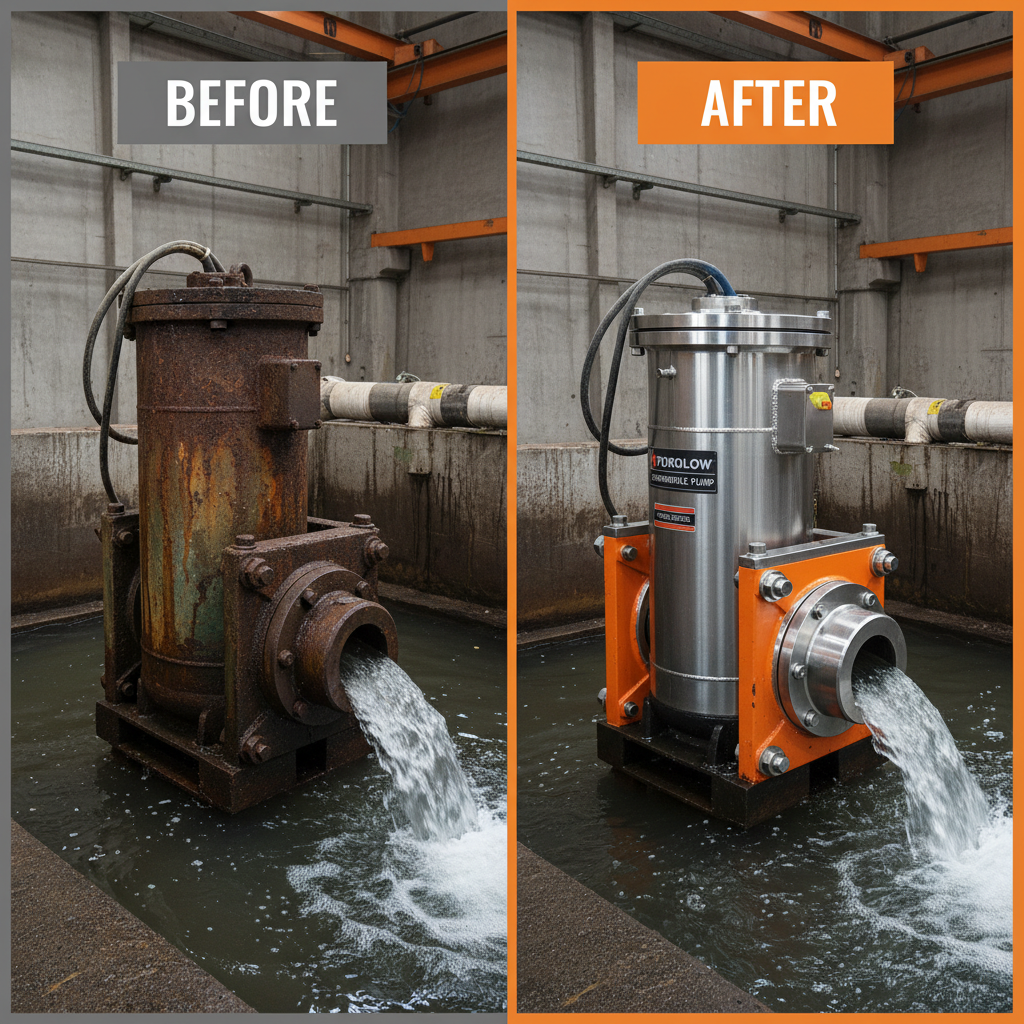 Understanding the Price Submersible Pump and Buyer GuideWhen searching for the ideal water management solution, understanding the price submersible pump options is crucial for balancing budget with performance. Whether you are dealing with a flooded basement, managing agricultural irrigation, or extracting water from a deep well, the cost of a submersible pump can vary significantly based on its build quality and capacity. Investing in a high-quality pump ensures long-term reliability and reduces the frequency of expensive replacements. In this guide, we will break down the factors that influence pricing and help you make an informed decision for your specific needs.Detail
 -
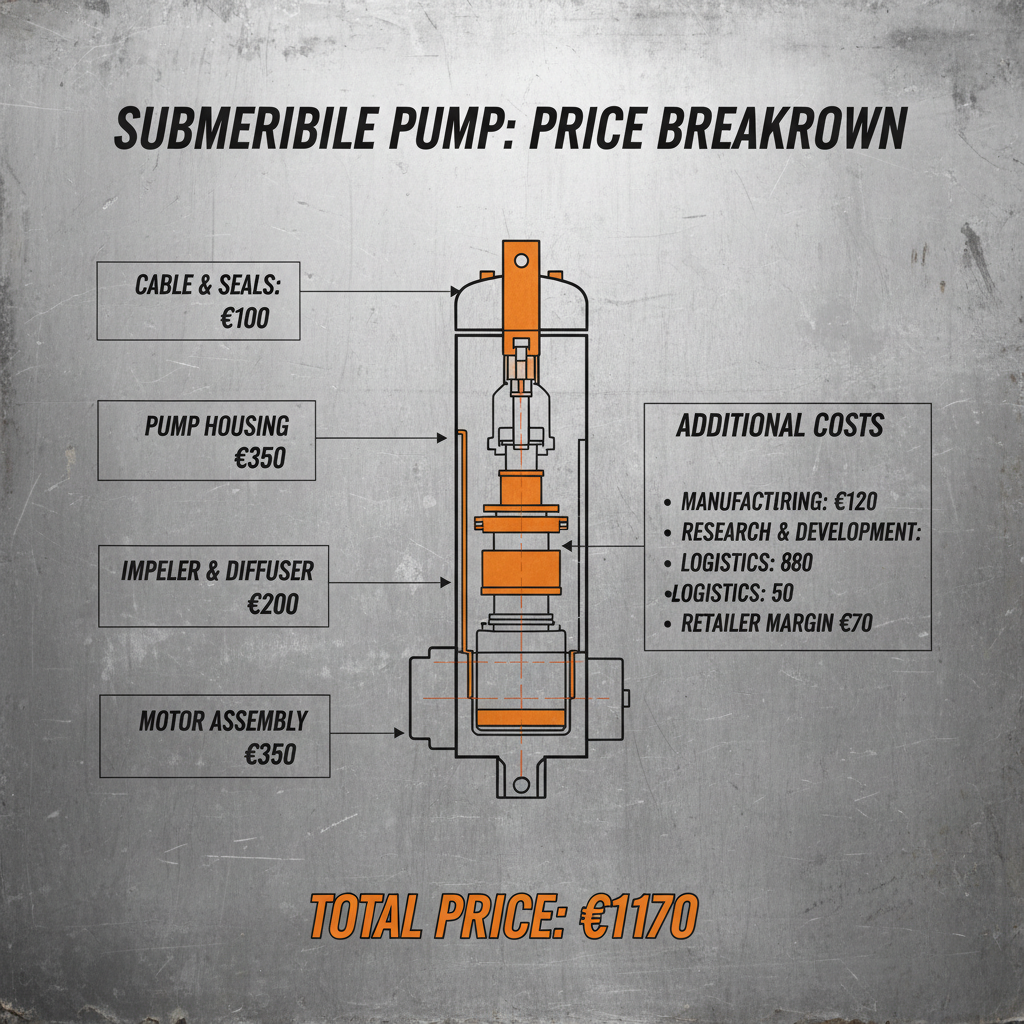 Factors Affecting the Price for Submersible Pump a Buyers GuideWhen investing in water management systems, understanding the price for submersible pump options is essential for balancing performance with budget. Whether you are managing a residential well, an industrial drainage project, or agricultural irrigation, the cost of a pump is rarely a flat fee; it is a reflection of the engineering, materials, and capacity required for your specific environment. In this guide, we will break down the factors that influence pricing and help you determine the best value for your investment to ensure long-term reliability and efficiency.Detail
 -
 Choosing the Right Mini Submersible Fountain Pump for Optimal Water Feature PerformanceCreating a beautiful and relaxing water feature doesn't have to be complicated. A mini submersible fountain pump is the heart of any indoor or outdoor fountain, and selecting the right one is crucial for optimal performance and longevity. This article will guide you through the key considerations when choosing a mini submersible fountain pump, covering types, features, applications, and how to ensure you get the perfect pump for your project. We’ll also explore how Wellpumpact can provide you with the ideal solution.Detail
 Afrikaans
 Albanian
 Amharic
 Arabic
 Armenian
 Azerbaijani
 Basque
 Belarusian
 Bengali
 Bosnian
 Bulgarian
 Catalan
 Cebuano
 Corsican
 Croatian
 Czech
Czech
 Danish
 Dutch
Dutch
 Esperanto
 Estonian
 Finnish
 French
 Frisian
 Galician
 Georgian
 German
 Greek
Greek
 Gujarati
 Haitian Creole
 Hausa
Hausa
 Hawaiian
 Hebrew
 Hindi
Hindi
 Miao
Miao
 Hungarian
 Icelandic
 Igbo
Igbo
 Indonesian
 Irish
Irish
 Italian
 Japanese
 Javanese
 Kannada
 Kazakh
 Khmer
Khmer
 Rwandese
 Korean
 Kurdish
 Kyrgyz
 Lao
Lao
 Latin
Latin
 Latvian
 Lithuanian
 Luxembourgish
 Macedonian
 Malgashi
 Malay
Malay
 Malayalam
 Maltese
 Maori
Maori
 Marathi
 Mongolian
 Myanmar
 Nepali
 Norwegian
 Norwegian
 Occitan
 Pashto
 Persian
 Polish
 Portuguese
 Punjabi
 Romanian
 Russian
 Samoan
 Scottish Gaelic
 Serbian
 Sesotho
 Shona
Shona
 Sindhi
 Sinhala
 Slovak
 Slovenian
 Somali
 Spanish
 Sundanese
 Swahili
 Swedish
 Tagalog
 Tajik
Tajik
 Tamil
Tamil
 Tatar
Tatar
 Telugu
 Thai
Thai
 Turkish
 Turkmen
 Ukrainian
 Urdu
Urdu
 Uighur
 Uzbek
Uzbek
 Vietnamese
 Welsh
Welsh
 Bantu
Bantu
 Yiddish
 Yoruba
 Zulu
Zulu
 English