
Dec . 03, 2025 14:40 Back to list
Submersible Pump Control Box – Reliable Protection for Your Well Pump
Submersible Pump Control Box: The Unsung Hero of Reliable Well Pump Systems
Having spent over a decade in the industrial equipment world, I can honestly say that submersible pump control box technology often flies under the radar. But for those of us who’ve been knee-deep in well pump projects, it’s clear: these control boxes are absolutely pivotal. They’re not just a random electrical enclosure; they’re the brain and protector of the pump motor, managing start and stop cycles, overload protection, and even system monitoring.
Oddly enough, many field engineers overlook how much the right control box can influence pump longevity. When I was first introduced to these devices, I thought, "It’s just a box with some wiring, right?" Not quite. There’s a lot of art and science behind the design — things like the type of circuit breakers used, the enclosure’s weatherproof ratings (we're talking NEMA vs. IP ratings), and thermal overload relays that ensure the motor doesn’t fry on a hot day.
Frankly, materials matter a ton. A fiberglass enclosure, for example, can resist corrosion from outdoor exposure far better than basic steel, reducing the chance of moisture-induced shorts. And if your site is coastal or particularly humid? Trust me, stainless or non-corrosive finishes are critical. You don’t want surprise downtime because the control box rusted out.
In real terms, most submersible pump control boxes come with standard features like:
| Specification | Typical Value / Feature |
|---|---|
| Enclosure Material | Fiberglass or Stainless Steel |
| Voltage Rating | 230V to 480V |
| Overload Protection | Thermal Overload Relays |
| Enclosure Rating | NEMA 3R / IP54 or higher |
| Control Features | Start/Stop Push Buttons, Indicators |
| Customization Options | Custom Panels, Monitoring Integration |
Now, if you’re sourcing one, it helps to know who offers what. I’ve noticed while consulting with clients that vendor choice isn’t just about price—service and technical support matter. Here’s a quick comparison of three common manufacturers I’ve found reliable in the field:
| Vendor | Enclosure Material | Customization | Lead Times | Technical Support |
|---|---|---|---|---|
| AquaSafe Controls | Fiberglass | Moderate | 2-3 weeks | Responsive, 24/7 hotline |
| WellTech Solutions | Stainless Steel | High (Custom panels, Monitoring) | 3-4 weeks | Technical engineers onsite option |
| PumpMaster Corp. | Galvanized Steel | Low | 1-2 weeks | Limited, email support only |
One client I remember dealt with constant motor burnout on their deep well pumps. We swapped their old control box for a newer thermal overload relay model — the difference was night and day. Downtime went way down, and the engineers swore by the upgraded monitoring features, which alerted crews before any harsh electrical issues hit.
There’s also variety in control logic — some boxes come with simple on/off controls, others with microprocessor-driven panels that keep records and communicate faults remotely. Frankly, for industrial or agricultural setups, investing in smarter control boxes pays off over time. But if you’re on a tight budget, basic models still hold up well given proper maintenance.
In my view, safety features can’t be overstated. Ground-fault protection and proper circuit breakers guard not just the equipment, but workers too. We always recommend conforming to local code standards and employing certified electricians to install and maintain these boxes. It really reduces “surprise” failures.
In the end, the submersible pump control box is sort of the quiet workhorse. Put the right one in, maintain it well, and the pump system hums steadily for years. Miss that, and you might be spending more on emergency parts and labor than you bargained for.
So next time someone asks about upgrades for deep well pump systems, don’t just think “pump” — think control box. It might just be the difference between smooth operation and frustrating outages.
References:
- Electrical Control Panels - NEMA Standards, National Electrical Manufacturers Association, 2023.
- Well Pump Systems: Design and Maintenance, Industrial Equipment Review, Issue 47, 2022.
- Field Notes from Pump System Experts, PumpTech Annual Conference 2023.
— It’s been a journey, and control boxes are one small but crucial chapter.
-
Understanding the Price Submersible Pump and Buyer Guide
NewsApr.16,2026
-
Factors Affecting the Price for Submersible Pump a Buyers Guide
NewsApr.09,2026
-
Choosing the Right Mini Submersible Fountain Pump for Optimal Water Feature Performance
NewsApr.07,2026
-
A Detailed Guide to Installing a Submersible Pump for Optimal Performance
NewsApr.04,2026
-
Comprehensive Guide on How to Test a Submersible Water Well Pump Effectively
NewsMar.31,2026
-
Learn How to Replace a Submersible Well Pump Safely and Effectively
NewsMar.28,2026
-
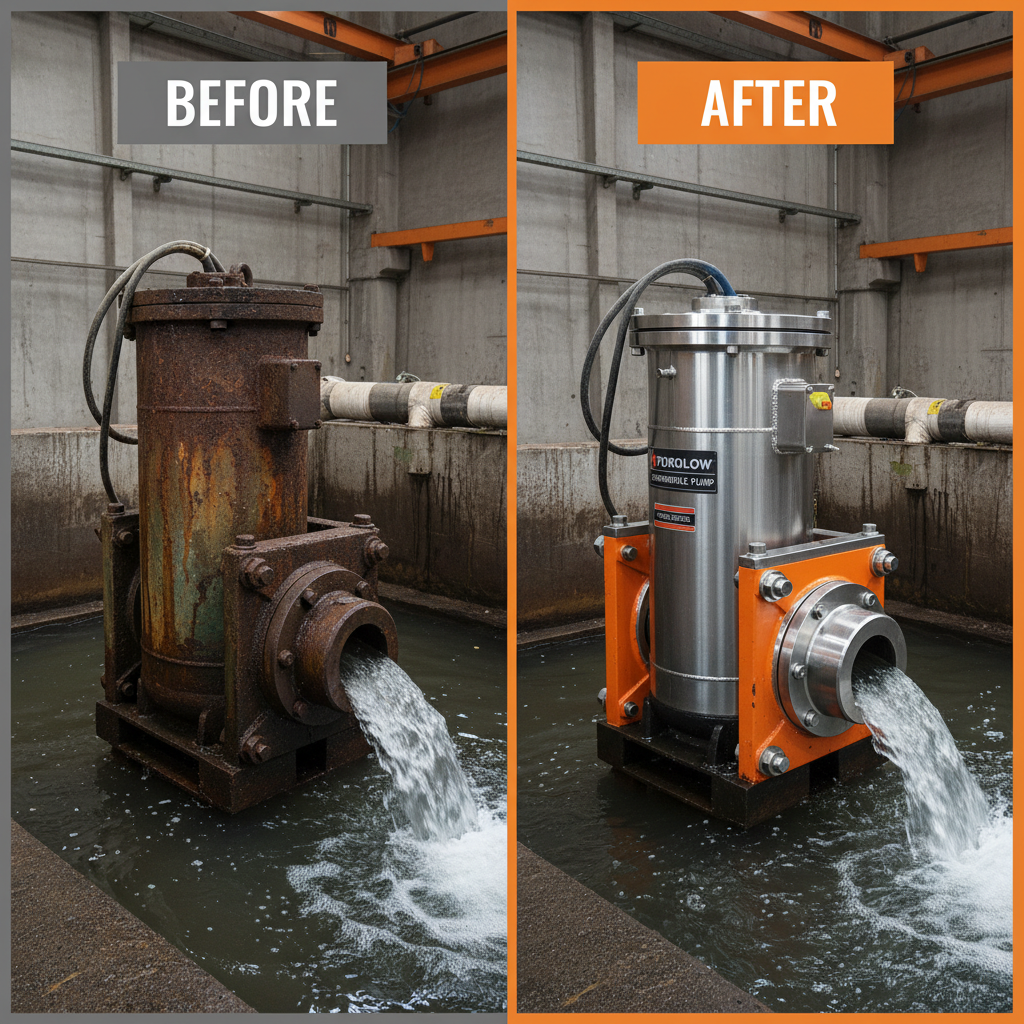 Understanding the Price Submersible Pump and Buyer GuideWhen searching for the ideal water management solution, understanding the price submersible pump options is crucial for balancing budget with performance. Whether you are dealing with a flooded basement, managing agricultural irrigation, or extracting water from a deep well, the cost of a submersible pump can vary significantly based on its build quality and capacity. Investing in a high-quality pump ensures long-term reliability and reduces the frequency of expensive replacements. In this guide, we will break down the factors that influence pricing and help you make an informed decision for your specific needs.Detail
 -
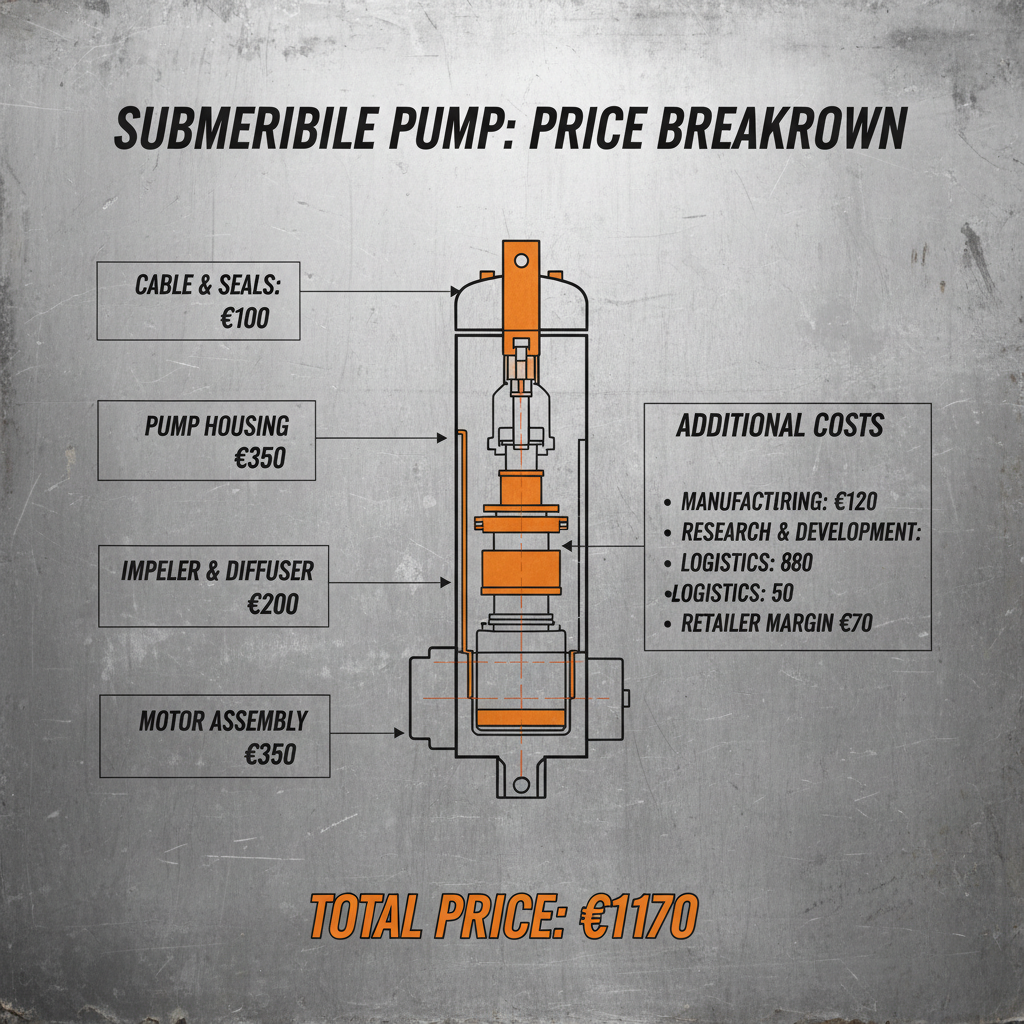 Factors Affecting the Price for Submersible Pump a Buyers GuideWhen investing in water management systems, understanding the price for submersible pump options is essential for balancing performance with budget. Whether you are managing a residential well, an industrial drainage project, or agricultural irrigation, the cost of a pump is rarely a flat fee; it is a reflection of the engineering, materials, and capacity required for your specific environment. In this guide, we will break down the factors that influence pricing and help you determine the best value for your investment to ensure long-term reliability and efficiency.Detail
 -
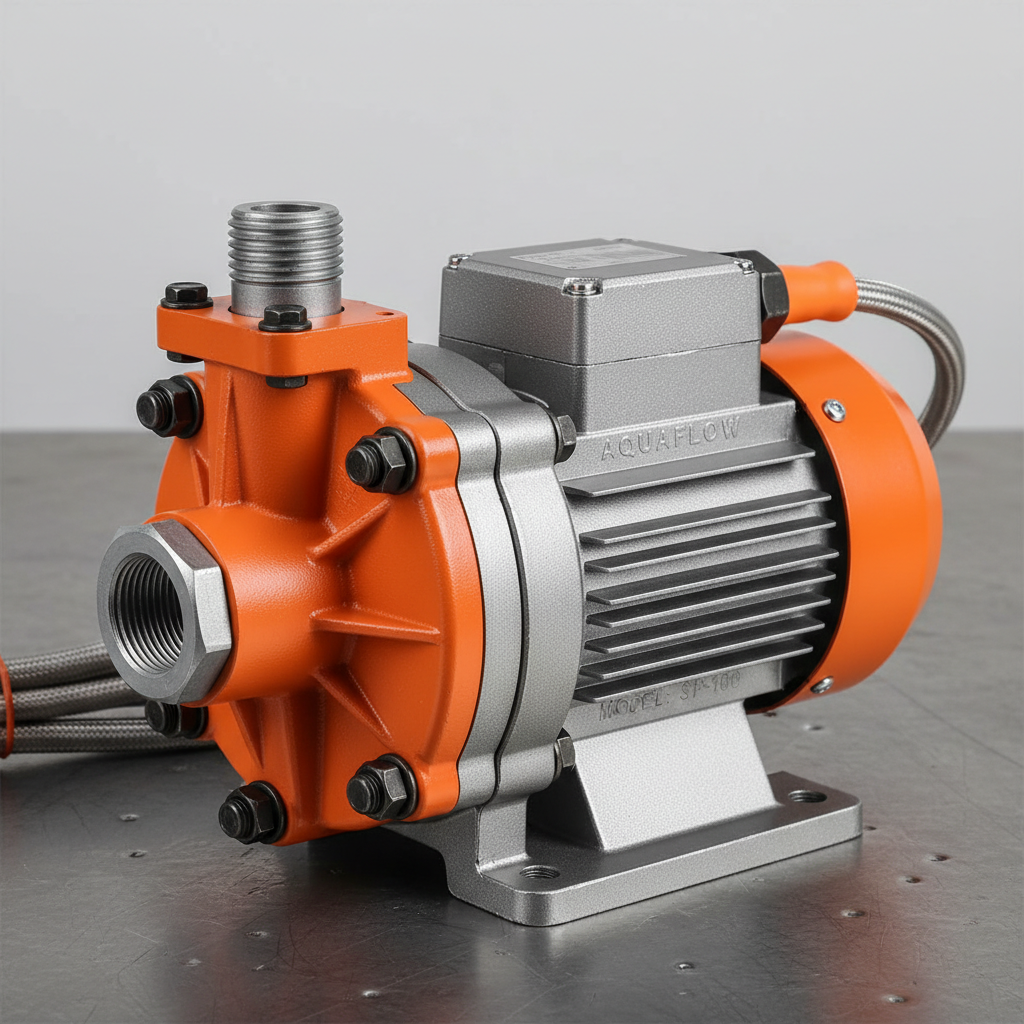 Choosing the Right Mini Submersible Fountain Pump for Optimal Water Feature PerformanceCreating a beautiful and relaxing water feature doesn't have to be complicated. A mini submersible fountain pump is the heart of any indoor or outdoor fountain, and selecting the right one is crucial for optimal performance and longevity. This article will guide you through the key considerations when choosing a mini submersible fountain pump, covering types, features, applications, and how to ensure you get the perfect pump for your project. We’ll also explore how Wellpumpact can provide you with the ideal solution.Detail
 Afrikaans
 Albanian
 Amharic
 Arabic
 Armenian
 Azerbaijani
 Basque
 Belarusian
 Bengali
 Bosnian
 Bulgarian
 Catalan
 Cebuano
 Corsican
 Croatian
 Czech
Czech
 Danish
 Dutch
Dutch
 Esperanto
 Estonian
 Finnish
 French
 Frisian
 Galician
 Georgian
 German
 Greek
Greek
 Gujarati
 Haitian Creole
 Hausa
Hausa
 Hawaiian
 Hebrew
 Hindi
Hindi
 Miao
Miao
 Hungarian
 Icelandic
 Igbo
Igbo
 Indonesian
 Irish
Irish
 Italian
 Japanese
 Javanese
 Kannada
 Kazakh
 Khmer
Khmer
 Rwandese
 Korean
 Kurdish
 Kyrgyz
 Lao
Lao
 Latin
Latin
 Latvian
 Lithuanian
 Luxembourgish
 Macedonian
 Malgashi
 Malay
Malay
 Malayalam
 Maltese
 Maori
Maori
 Marathi
 Mongolian
 Myanmar
 Nepali
 Norwegian
 Norwegian
 Occitan
 Pashto
 Persian
 Polish
 Portuguese
 Punjabi
 Romanian
 Russian
 Samoan
 Scottish Gaelic
 Serbian
 Sesotho
 Shona
Shona
 Sindhi
 Sinhala
 Slovak
 Slovenian
 Somali
 Spanish
 Sundanese
 Swahili
 Swedish
 Tagalog
 Tajik
Tajik
 Tamil
Tamil
 Tatar
Tatar
 Telugu
 Thai
Thai
 Turkish
 Turkmen
 Ukrainian
 Urdu
Urdu
 Uighur
 Uzbek
Uzbek
 Vietnamese
 Welsh
Welsh
 Bantu
Bantu
 Yiddish
 Yoruba
 Zulu
Zulu
 English