
Nov . 15, 2025 19:30 Back to list
Submersible Well Pump – Efficient Water Solutions for Global Needs
Understanding the Submersible Well Pump: A Deep Dive into Its Role & Value
The submersible well pump isn’t just some mechanical gizmo buried deep underground. It’s a frontline champion in global water access, agriculture, and infrastructure. Knowing what it is and why it matters could actually change how we think about something as fundamental as water delivery around the world — and even impact sustainability efforts that we keep hearing about on the news.
Global Context: Why the Submersible Well Pump Still Matters Today
Water scarcity affects roughly 2.2 billion people globally, according to the United Nations’ latest reports. The World Bank has pointed out that rural and remote communities suffer most, often lacking reliable water supply methods. Submersible well pumps play a critical role there — quietly, deeply, and sometimes heroically.
Why? Because unlike surface pumps, they are designed to be submerged in water, making them capable of pumping from deep aquifers efficiently. This technology helps overcome challenges like drought, population pressure, and the need for irrigation. Odds are, if you've ever seen a flourishing farm or a small town tapping into well water, there's a good chance a submersible well pump is quietly at work underground.
Mini takeaway: Submersible well pumps are pivotal in tackling critical global concerns — drought, water shortages, and rural development.
What is a Submersible Well Pump? A Simple Explanation
At its core, a submersible well pump is a device designed to push water to the surface from deep underground sources. Unlike traditional pumps that sit above ground sucking water up, this pump literally goes down into the water source, immersed in liquid, to lift water up more efficiently.
Industrially, they’re vital in agriculture, municipal water supply, and even disaster relief efforts where stable water access quickly becomes life-saving. The compact design includes a hermetically sealed motor coupled with a pump stage — all built to operate submerged without sustaining damage.
Why does this matter?
Because harvesting groundwater reliably means better irrigation systems, ensuring communities have clean drinking water, and maintaining industrial processes that rely on water — all essential to modern living, from bustling cities to rural hinterlands.
Core Components & Key Factors That Define Submersible Well Pumps
Durability
Since these pumps are submerged and operate nonstop for months or years, they need corrosion-resistant materials often stainless steel or thermoplastics. Engineers often highlight that this longevity reduces downtime.
Scalability
Submersible pumps come in a wide range of power and flow capacities — from small residential pumps for a single home to large-scale industrial units pumping thousands of liters per minute.
Energy Efficiency
Modern submersible well pumps are designed with energy conservation in mind. Variable speed drives and advanced motor designs mean less electricity usage, which feels especially relevant as energy prices rise and climate targets tighten.
Installation & Maintenance
Submersible pumps are typically easier to install than non-submerged types since they don't require priming. But they do require periodic inspection and sometimes expert handling if issues arise — not exactly a weekend DIY.
Cost Considerations
Upfront cost can be higher than surface pumps, but when you factor in energy savings and longer lifespan, the total cost of ownership often tips in favor of submersible pumps.
Mini takeaway: Think of submersible well pumps as built tough, scalable, and designed to blend efficiency with practical costs.
From Fields to Cities: How Submersible Pumps Are Used Globally
The Amazon basin’s agricultural settlements rely on submersible pumps to navigate seasonal variances in water tables, allowing farmers to irrigate even in lean months. In South Asia, monsoonal rains are unpredictable, but groundwater extraction via these pumps supports food security for millions.
Emergency relief organizations deploy portable submersible well pumps after natural disasters — when infrastructure collapses and clean water is scarce, they can set up quickly to supply safe water, preventing disease and saving lives.
Submersible well pumps are also instrumental in mining and industrial complexes in Africa, where water is needed continuously in challenging environments.
Advantages & The Long Game: Why They’re Worth It
- Sustainability: Reduced electrical consumption means a smaller carbon footprint.
- Reliability: Operate well in harsh and variable conditions without frequent breakdowns.
- Safety & Health: Ensures clean water supply, critical for human dignity and wellbeing.
- Cost Effectiveness: Lower maintenance costs and longer lifespan balance initial investment.
- Innovation: Supports adoption of smart monitoring for proactive maintenance.
Submersible Well Pump Specification Table
| Specification | Typical Range | Notes |
|---|---|---|
| Flow Rate | 0.5 to 150 liters/sec | Varies by model and power |
| Pump Depth | Up to 300 meters | Deep wells, variable settings |
| Power Supply | 3-phase, single-phase, solar compatible | Energy options expanding |
| Material | Stainless steel, thermoplastics | Corrosion resistance critical |
| Operating Life | 10–20 years | Depending on maintenance |
Vendor Comparison: Finding the Right Submersible Well Pump Supplier
| Vendor | Product Range | Energy Options | Typical Lead Time | Warranty & Support |
|---|---|---|---|---|
| AquaPump Inc. | Residential to industrial | Grid, Solar-compatible | 4–6 weeks | 3 years comprehensive |
| DeepWater Solutions | Heavy-duty industrial | Grid only | 6–8 weeks | 5 years limited |
| EcoFlow Pumps | Residential & agricultural | Solar-dominant tech | 3–5 weeks | 4 years extended warranty |
Looking Ahead: Future Trends for Submersible Well Pumps
With sustainability ideals shaping much of engineering today, the submersible well pump industry is leaning hard into green energy — solar-powered pumping systems, intelligent motor controls, and IoT integration for remote monitoring. Imagine a pump that signals before it needs servicing, avoiding costly failures and water outages... it's already happening.
Policy frameworks like the ISO 14000 series also encourage manufacturers to prioritize environmental impact in the design and production process. Frankly, this is still an emerging field, but it feels inevitable that “smart” submersible pumps will soon be standard.
Challenges & Practical Solutions
Of course, nothing’s ever perfect. Powered pumps require electricity, which can challenge remote areas with unreliable grids. Submersible unit repairs can be costly and complex, meaning communities sometimes suffer extended downtime.
Innovations like solar-powered pumps have been game-changers here, offering independence from unstable grids. Plus, modular designs now allow easier component swaps, reducing the technical barrier for local technicians.
FAQ: Your Top Questions about Submersible Well Pumps
Q1: How deep can a submersible well pump operate?
Typically, these pumps can be installed up to 300 meters deep, depending on model and power. For extremely deep wells, specialized pumps designed for high-pressure and head are recommended.
Q2: Are submersible well pumps energy efficient compared to surface pumps?
Yes. Because they're submerged and push water instead of pulling it, they usually consume less energy, especially when paired with variable speed drives and smart controls.
Q3: Can a submersible well pump run on solar power?
Absolutely, many modern models integrate with solar panels, ideal for off-grid or unreliable energy areas, promoting sustainable and reliable water supply.
Q4: What maintenance is required to keep submersible pumps working?
Regular inspections for wear, checking electrical connections, and testing pump performance every 6-12 months generally keep the pump in good shape, though local conditions can require adjustments.
Q5: Are these pumps suitable for emergency water supply setups?
Definitely. Because they’re portable and reliable, NGOs and disaster response groups often prefer submersible wells pumps for rapid deployment in crises.
Final Thoughts
Submersible well pumps are more than just machines; they stand as reliable gateways to safe, accessible water — a resource so central yet so overlooked. As we face climate changes and growing populations, these pumps keep our farms green, cities hydrated, and communities thriving. Exploring a new pump? Curious to dive deeper? Visit our website to discover a range of options and expert advice.
Thanks for reading — sometimes it’s the quietest technologies that make the biggest difference underground and beyond.
References
-
Understanding the Price Submersible Pump and Buyer Guide
NewsApr.16,2026
-
Factors Affecting the Price for Submersible Pump a Buyers Guide
NewsApr.09,2026
-
Choosing the Right Mini Submersible Fountain Pump for Optimal Water Feature Performance
NewsApr.07,2026
-
A Detailed Guide to Installing a Submersible Pump for Optimal Performance
NewsApr.04,2026
-
Comprehensive Guide on How to Test a Submersible Water Well Pump Effectively
NewsMar.31,2026
-
Learn How to Replace a Submersible Well Pump Safely and Effectively
NewsMar.28,2026
-
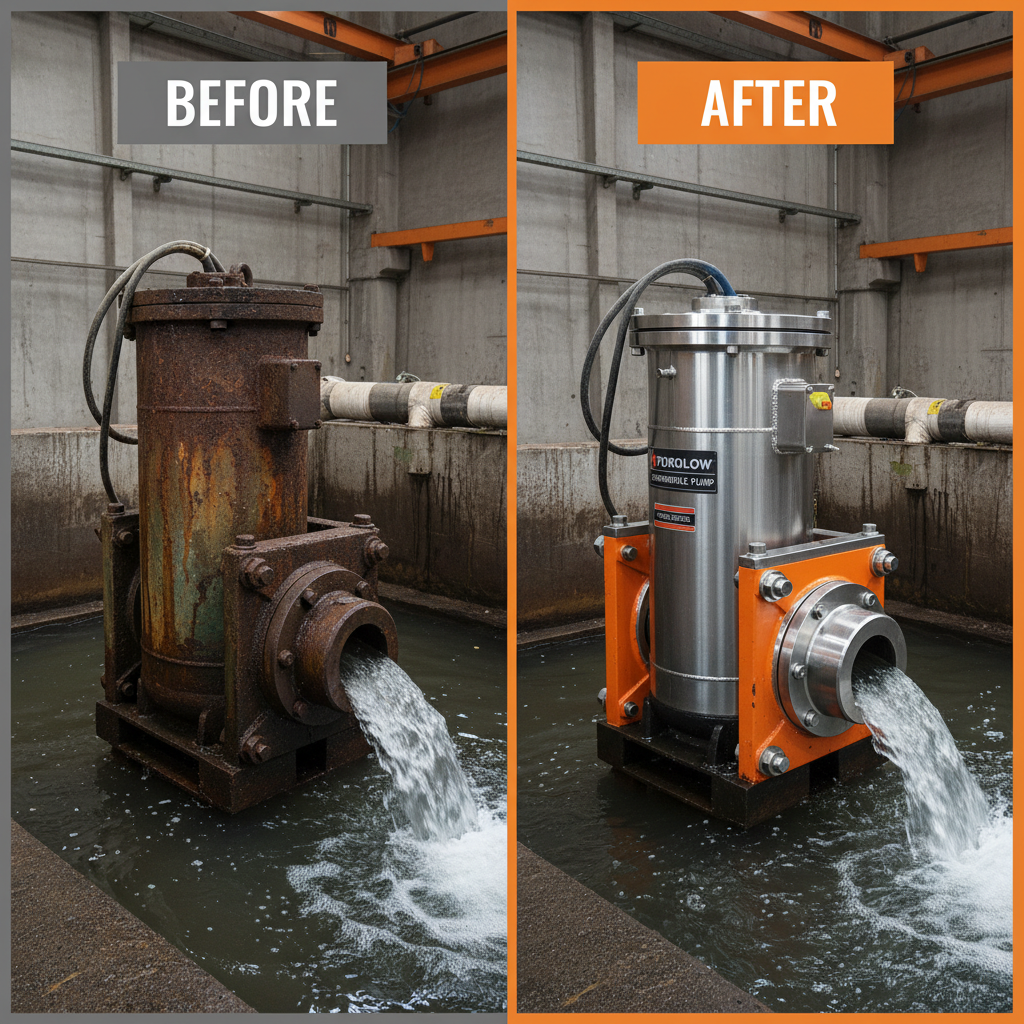 Understanding the Price Submersible Pump and Buyer GuideWhen searching for the ideal water management solution, understanding the price submersible pump options is crucial for balancing budget with performance. Whether you are dealing with a flooded basement, managing agricultural irrigation, or extracting water from a deep well, the cost of a submersible pump can vary significantly based on its build quality and capacity. Investing in a high-quality pump ensures long-term reliability and reduces the frequency of expensive replacements. In this guide, we will break down the factors that influence pricing and help you make an informed decision for your specific needs.Detail
 -
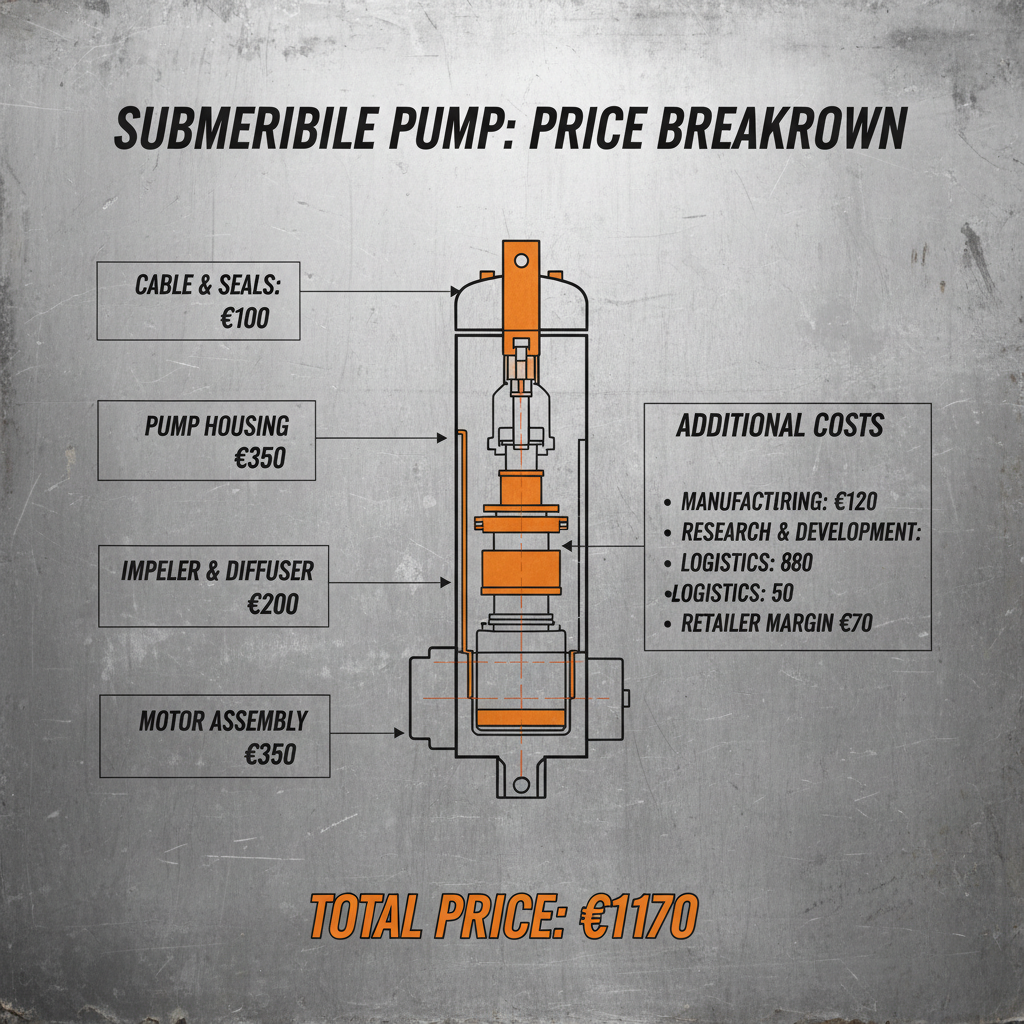 Factors Affecting the Price for Submersible Pump a Buyers GuideWhen investing in water management systems, understanding the price for submersible pump options is essential for balancing performance with budget. Whether you are managing a residential well, an industrial drainage project, or agricultural irrigation, the cost of a pump is rarely a flat fee; it is a reflection of the engineering, materials, and capacity required for your specific environment. In this guide, we will break down the factors that influence pricing and help you determine the best value for your investment to ensure long-term reliability and efficiency.Detail
 -
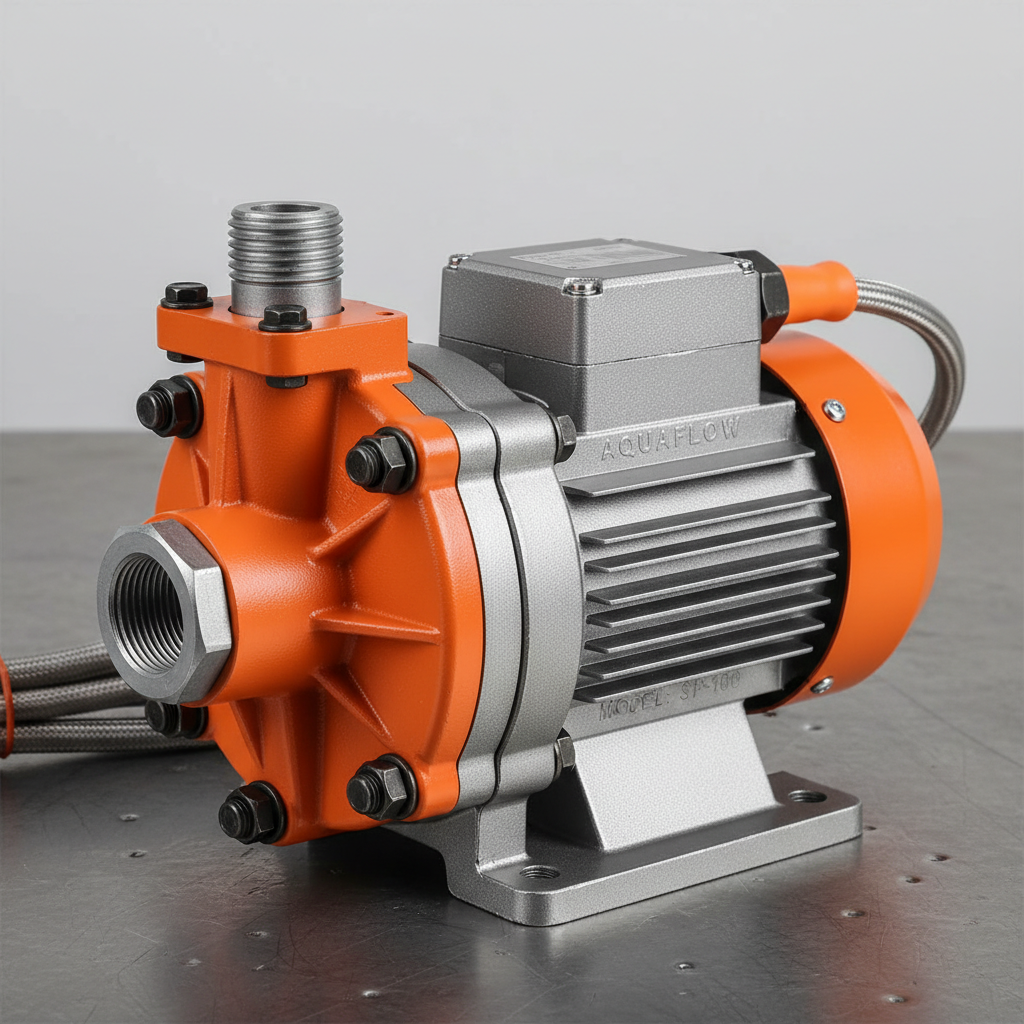 Choosing the Right Mini Submersible Fountain Pump for Optimal Water Feature PerformanceCreating a beautiful and relaxing water feature doesn't have to be complicated. A mini submersible fountain pump is the heart of any indoor or outdoor fountain, and selecting the right one is crucial for optimal performance and longevity. This article will guide you through the key considerations when choosing a mini submersible fountain pump, covering types, features, applications, and how to ensure you get the perfect pump for your project. We’ll also explore how Wellpumpact can provide you with the ideal solution.Detail
 Afrikaans
 Albanian
 Amharic
 Arabic
 Armenian
 Azerbaijani
 Basque
 Belarusian
 Bengali
 Bosnian
 Bulgarian
 Catalan
 Cebuano
 Corsican
 Croatian
 Czech
Czech
 Danish
 Dutch
Dutch
 Esperanto
 Estonian
 Finnish
 French
 Frisian
 Galician
 Georgian
 German
 Greek
Greek
 Gujarati
 Haitian Creole
 Hausa
Hausa
 Hawaiian
 Hebrew
 Hindi
Hindi
 Miao
Miao
 Hungarian
 Icelandic
 Igbo
Igbo
 Indonesian
 Irish
Irish
 Italian
 Japanese
 Javanese
 Kannada
 Kazakh
 Khmer
Khmer
 Rwandese
 Korean
 Kurdish
 Kyrgyz
 Lao
Lao
 Latin
Latin
 Latvian
 Lithuanian
 Luxembourgish
 Macedonian
 Malgashi
 Malay
Malay
 Malayalam
 Maltese
 Maori
Maori
 Marathi
 Mongolian
 Myanmar
 Nepali
 Norwegian
 Norwegian
 Occitan
 Pashto
 Persian
 Polish
 Portuguese
 Punjabi
 Romanian
 Russian
 Samoan
 Scottish Gaelic
 Serbian
 Sesotho
 Shona
Shona
 Sindhi
 Sinhala
 Slovak
 Slovenian
 Somali
 Spanish
 Sundanese
 Swahili
 Swedish
 Tagalog
 Tajik
Tajik
 Tamil
Tamil
 Tatar
Tatar
 Telugu
 Thai
Thai
 Turkish
 Turkmen
 Ukrainian
 Urdu
Urdu
 Uighur
 Uzbek
Uzbek
 Vietnamese
 Welsh
Welsh
 Bantu
Bantu
 Yiddish
 Yoruba
 Zulu
Zulu
 English