
Feb . 11, 2026 02:15 Back to list
Understanding the Power and Versatility of a 1 6 Horsepower Submersible Pump
Understanding the Power of a 1.5 Horsepower Submersible Pump
When facing water removal challenges in residential, agricultural, or light industrial settings, a reliable pump is essential. A 1.5 horsepower submersible pump offers a compelling solution, balancing power, efficiency, and cost-effectiveness. This article will delve into the benefits, applications, selection criteria, and maintenance tips for these versatile pumps, empowering you to make informed decisions. Choosing the right pump can save you time, money, and prevent potential damage.
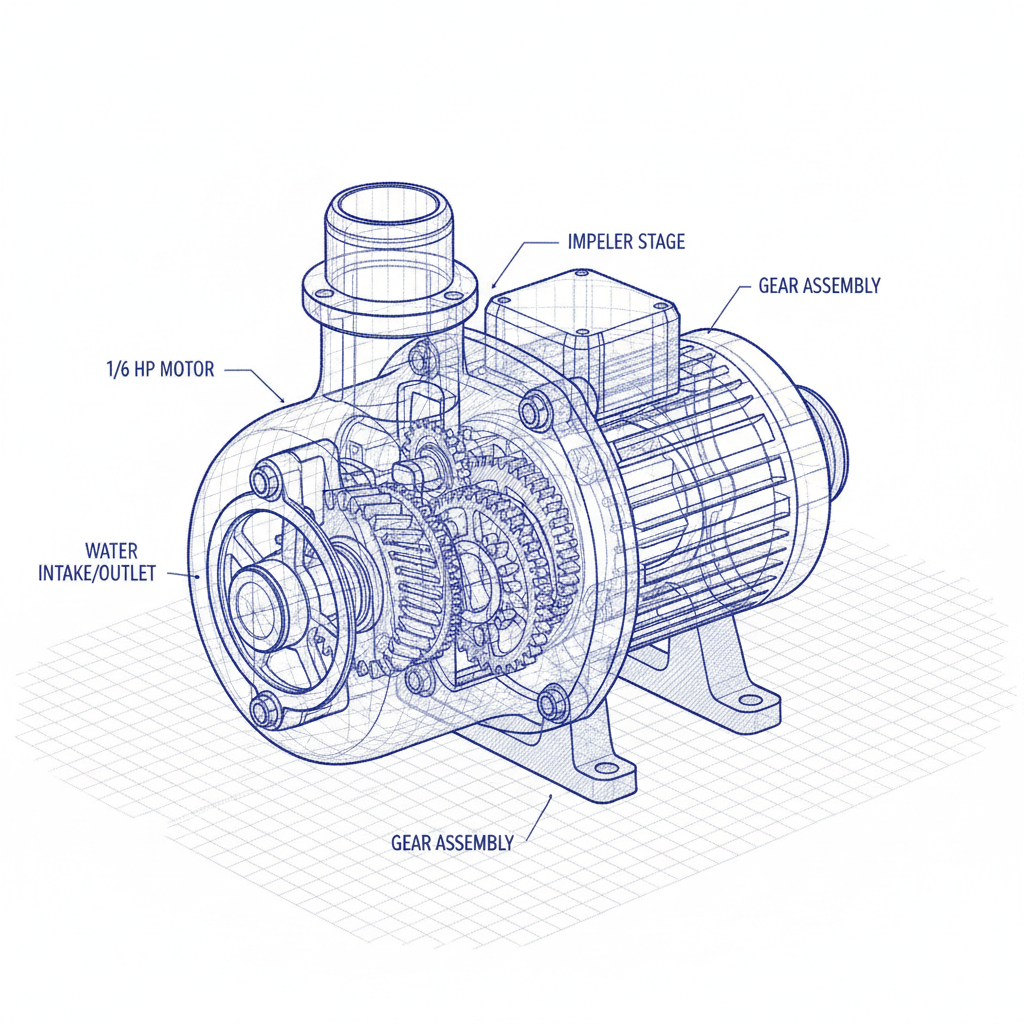
What Makes a 1.5 HP Submersible Pump Ideal?
A 1.5 horsepower submersible pump strikes a sweet spot for many applications. The 1.5 HP rating provides sufficient power to handle substantial water volumes without the higher energy consumption and cost associated with larger pumps. Being 'submersible' means the motor is sealed and can operate while fully submerged in water, eliminating the need for priming and offering efficient operation. These pumps are typically constructed from durable materials like stainless steel or thermoplastic, ensuring longevity and resistance to corrosion. They are a popular choice for homeowners and professionals alike needing a dependable water removal solution. Finding the right submersible pump depends on your unique needs, which we'll explore further.
Key Highlights: Provides a strong balance of power and efficiency, ideal for a wide range of applications. Operates fully submerged, eliminating priming requirements and enhancing performance.
Common Applications for 1.5 HP Submersible Pumps
The versatility of a 1.5 HP submersible pump makes it suitable for various tasks. These include draining basements after flooding, emptying ponds or swimming pools, supplying water for irrigation systems, and even dewatering construction sites. They are also frequently used in septic tank systems to pump effluent. The ability to handle solids (depending on the pump's design – see specifications) makes them useful for situations where water contains debris. Choosing a pump designed for specific solids handling is crucial for long-term reliability.
Application Benefits:
• Efficient basement and cellar dewatering
• Reliable water supply for irrigation
• Effective pond and pool drainage
• Suitable for septic system applications
1.5 HP Submersible Pump: Key Specifications to Consider
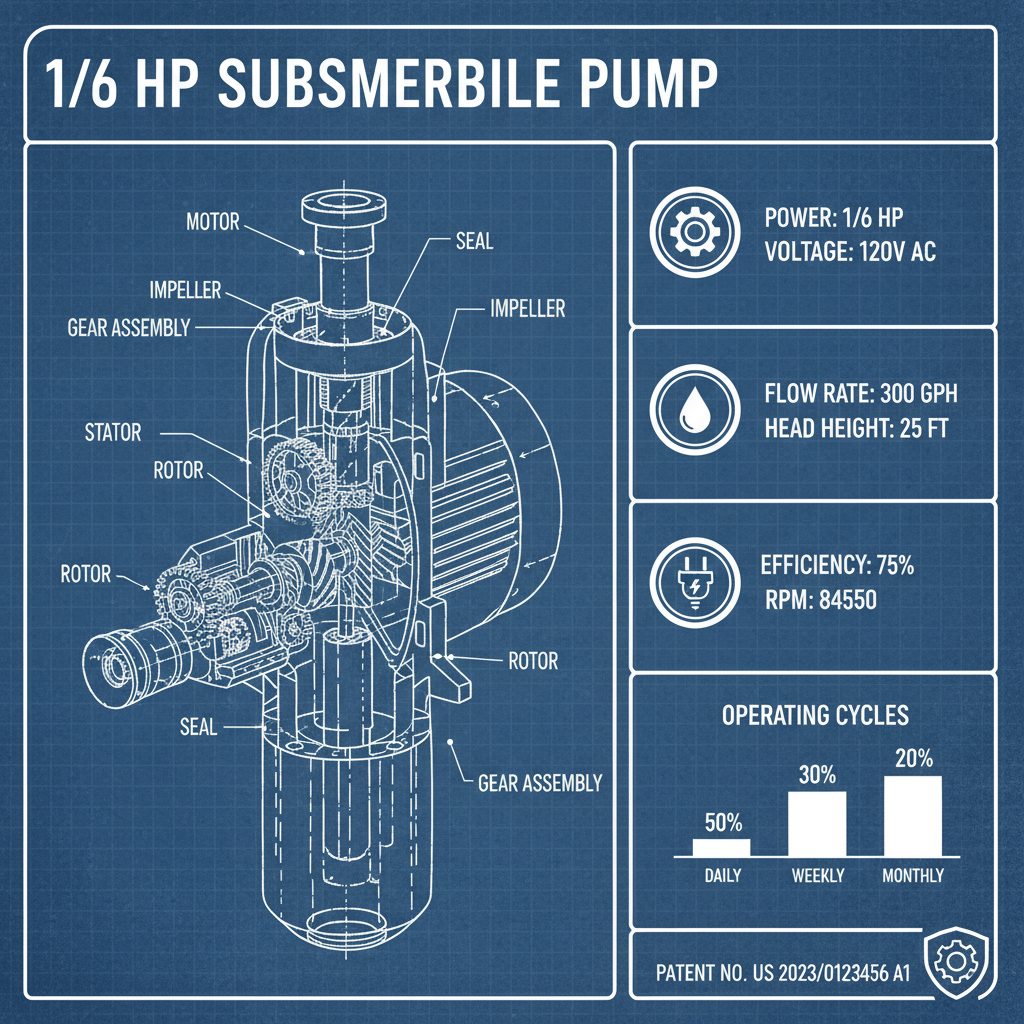
When selecting a 1.5 HP submersible pump, several key specifications should guide your decision. Flow rate (gallons per hour – GPH) determines how quickly the pump can move water. Head (the maximum height the pump can lift water) is crucial if you need to pump water uphill or to a higher elevation. Solids handling capability (measured in inches) indicates the largest particle size the pump can pass without clogging. Finally, voltage (typically 115V or 230V) must match your power supply. Always check these specs carefully before purchasing.
Comparing Submersible Pumps: Features & Brands
The market offers a diverse range of 1.5 HP submersible pumps, varying in features, construction, and price. Some pumps prioritize high flow rates, while others focus on solids handling or energy efficiency. Consider reputable brands known for quality and reliability. Wellpumpact offers a selection of robust and efficient 1.5 HP submersible pumps designed for a variety of applications. Reading customer reviews and comparing specifications can help you find the best fit for your needs.
Maintaining Your 1.5 HP Submersible Pump for Longevity
Proper maintenance is essential to extend the lifespan of your submersible pump. Regularly inspect the pump for any signs of damage, such as cracks or leaks. Clean the intake screen to prevent clogging. Avoid running the pump dry, as this can damage the motor. If the pump will be stored for an extended period, drain the water and ensure it is thoroughly dry to prevent corrosion. Following these simple steps will ensure reliable performance for years to come. Visit Wellpumpact’s resource page for detailed maintenance guides.
Conclusion: Choosing the Right 1.5 HP Submersible Pump
Investing in a quality 1.5 horsepower submersible pump is a smart decision for anyone needing reliable water removal or transfer. By carefully considering your specific needs, understanding key specifications, and following proper maintenance procedures, you can ensure years of efficient and trouble-free operation. Don't hesitate to explore the options available at Wellpumpact to find the perfect pump for your application.
Frequently Asked Questions (FAQs)
What is the typical lifespan of a 1.5 HP submersible pump?
The lifespan of a 1.5 HP submersible pump typically ranges from 5 to 10 years, depending on usage, maintenance, and water quality. Regular cleaning, preventing dry running, and storing the pump properly during the off-season can significantly extend its life. Pumps used in harsh environments with abrasive solids may have a shorter lifespan. It's advisable to inspect the pump annually for signs of wear and tear, and replace it if performance deteriorates significantly. Choosing a high-quality pump from a reputable brand like Wellpumpact can also contribute to longevity.
Can a 1.5 HP submersible pump handle sewage or wastewater?
Some 1.5 HP submersible pumps are specifically designed to handle sewage or wastewater, while others are not. Pumps designed for sewage typically have a vortex impeller that can effectively process solids without clogging. It's crucial to check the pump's specifications to ensure it is rated for sewage or wastewater applications before using it for this purpose. Using a standard pump for sewage can cause damage and void the warranty. Look for pumps labeled as "sewage pumps" or "effluent pumps."
How do I determine the correct head for my application?
Determining the correct head involves calculating the total vertical distance the pump needs to lift the water, plus any friction loss in the discharge pipe. Measure the vertical distance from the water level to the discharge point. Then, estimate friction loss based on the pipe material, diameter, and length. Online calculators and charts are available to help you estimate friction loss. It's always better to slightly overestimate the head requirement to ensure the pump can deliver the desired flow rate. Wellpumpact’s experts can assist with head calculations if needed.
What safety precautions should I take when installing and operating a submersible pump?
Always disconnect the power supply before installing or servicing the pump. Ensure the pump is properly grounded to prevent electrical shock. Use a float switch to prevent the pump from running dry, which can damage the motor. Never operate the pump in a flammable environment. Follow all local electrical codes and regulations. When lowering the pump into the water, use a rope or cable specifically designed for submersible pump applications. Regularly inspect the power cord for damage. Always refer to the manufacturer's instructions for detailed safety guidelines.
-
Understanding the Price Submersible Pump and Buyer Guide
NewsApr.16,2026
-
Factors Affecting the Price for Submersible Pump a Buyers Guide
NewsApr.09,2026
-
Choosing the Right Mini Submersible Fountain Pump for Optimal Water Feature Performance
NewsApr.07,2026
-
A Detailed Guide to Installing a Submersible Pump for Optimal Performance
NewsApr.04,2026
-
Comprehensive Guide on How to Test a Submersible Water Well Pump Effectively
NewsMar.31,2026
-
Learn How to Replace a Submersible Well Pump Safely and Effectively
NewsMar.28,2026
-
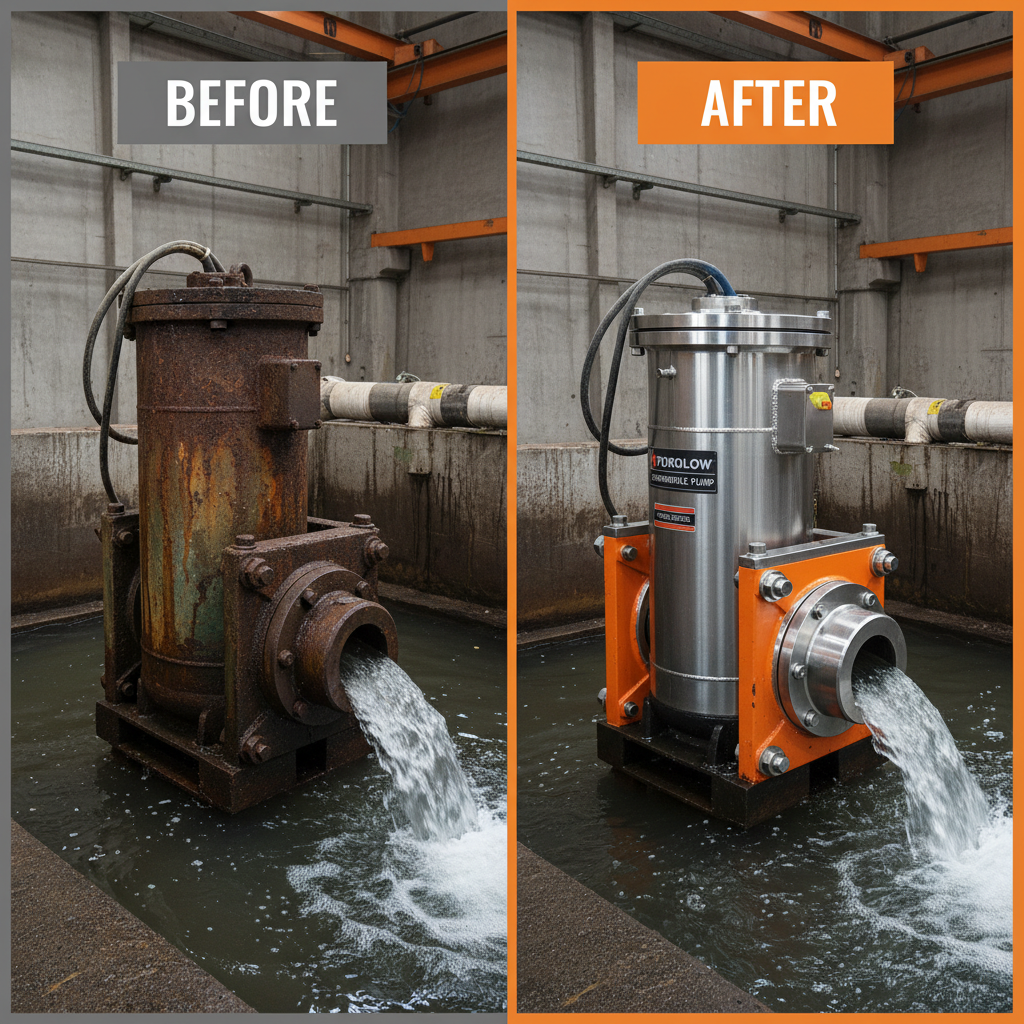 Understanding the Price Submersible Pump and Buyer GuideWhen searching for the ideal water management solution, understanding the price submersible pump options is crucial for balancing budget with performance. Whether you are dealing with a flooded basement, managing agricultural irrigation, or extracting water from a deep well, the cost of a submersible pump can vary significantly based on its build quality and capacity. Investing in a high-quality pump ensures long-term reliability and reduces the frequency of expensive replacements. In this guide, we will break down the factors that influence pricing and help you make an informed decision for your specific needs.Detail
 -
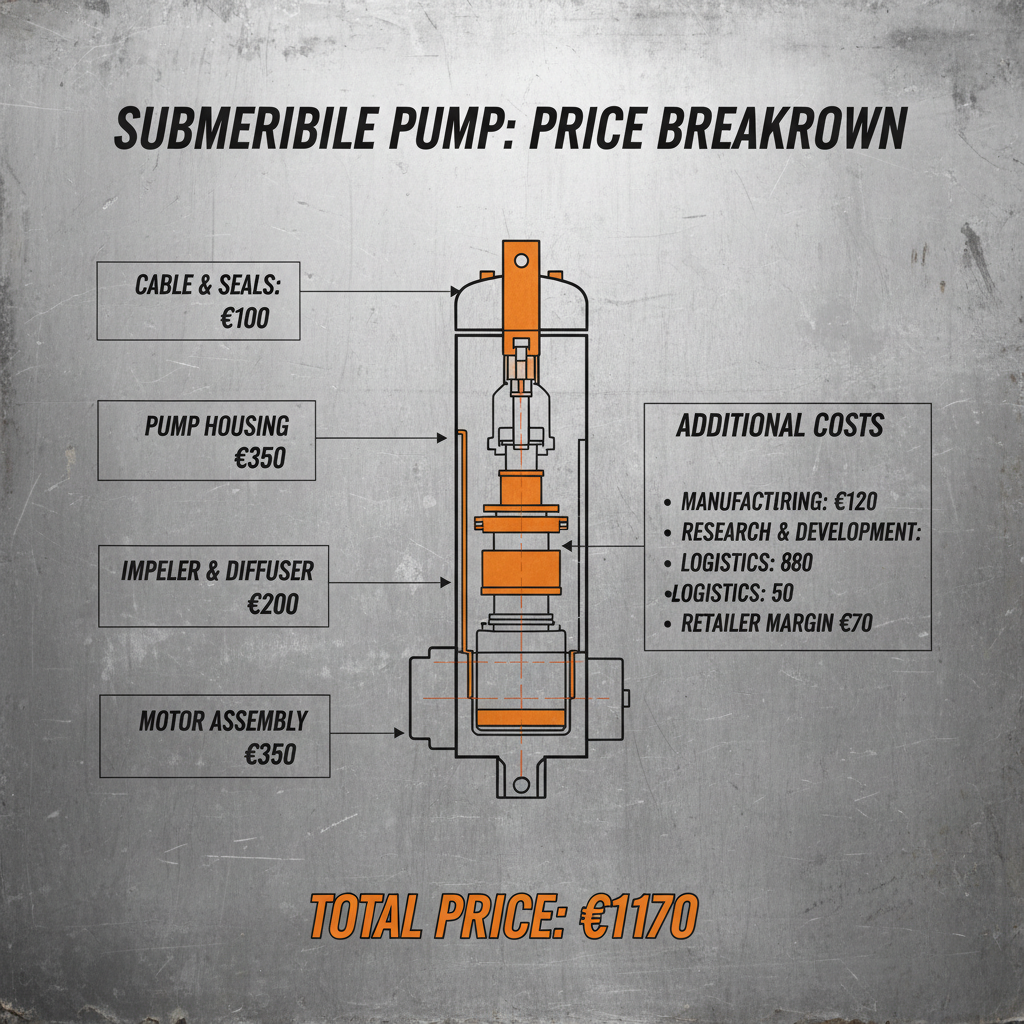 Factors Affecting the Price for Submersible Pump a Buyers GuideWhen investing in water management systems, understanding the price for submersible pump options is essential for balancing performance with budget. Whether you are managing a residential well, an industrial drainage project, or agricultural irrigation, the cost of a pump is rarely a flat fee; it is a reflection of the engineering, materials, and capacity required for your specific environment. In this guide, we will break down the factors that influence pricing and help you determine the best value for your investment to ensure long-term reliability and efficiency.Detail
 -
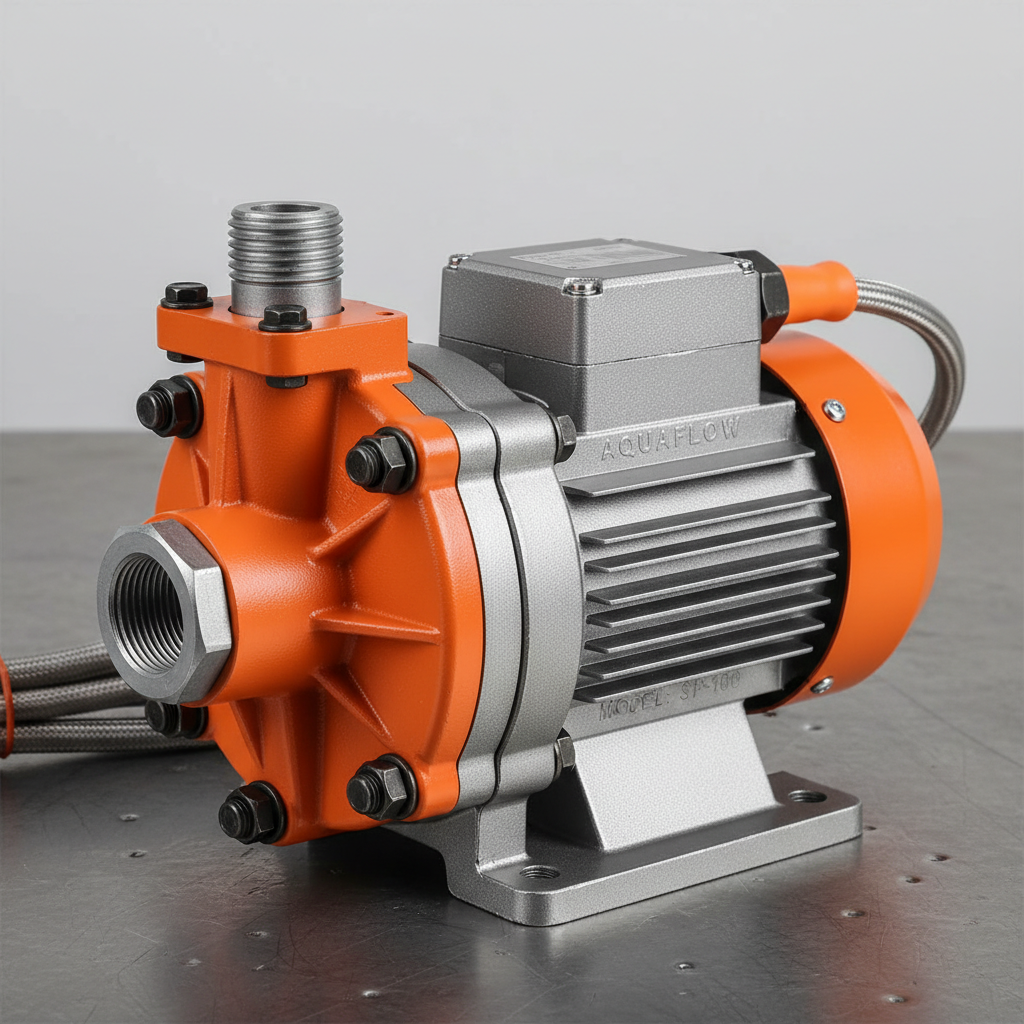 Choosing the Right Mini Submersible Fountain Pump for Optimal Water Feature PerformanceCreating a beautiful and relaxing water feature doesn't have to be complicated. A mini submersible fountain pump is the heart of any indoor or outdoor fountain, and selecting the right one is crucial for optimal performance and longevity. This article will guide you through the key considerations when choosing a mini submersible fountain pump, covering types, features, applications, and how to ensure you get the perfect pump for your project. We’ll also explore how Wellpumpact can provide you with the ideal solution.Detail
 Afrikaans
 Albanian
 Amharic
 Arabic
 Armenian
 Azerbaijani
 Basque
 Belarusian
 Bengali
 Bosnian
 Bulgarian
 Catalan
 Cebuano
 Corsican
 Croatian
 Czech
Czech
 Danish
 Dutch
Dutch
 Esperanto
 Estonian
 Finnish
 French
 Frisian
 Galician
 Georgian
 German
 Greek
Greek
 Gujarati
 Haitian Creole
 Hausa
Hausa
 Hawaiian
 Hebrew
 Hindi
Hindi
 Miao
Miao
 Hungarian
 Icelandic
 Igbo
Igbo
 Indonesian
 Irish
Irish
 Italian
 Japanese
 Javanese
 Kannada
 Kazakh
 Khmer
Khmer
 Rwandese
 Korean
 Kurdish
 Kyrgyz
 Lao
Lao
 Latin
Latin
 Latvian
 Lithuanian
 Luxembourgish
 Macedonian
 Malgashi
 Malay
Malay
 Malayalam
 Maltese
 Maori
Maori
 Marathi
 Mongolian
 Myanmar
 Nepali
 Norwegian
 Norwegian
 Occitan
 Pashto
 Persian
 Polish
 Portuguese
 Punjabi
 Romanian
 Russian
 Samoan
 Scottish Gaelic
 Serbian
 Sesotho
 Shona
Shona
 Sindhi
 Sinhala
 Slovak
 Slovenian
 Somali
 Spanish
 Sundanese
 Swahili
 Swedish
 Tagalog
 Tajik
Tajik
 Tamil
Tamil
 Tatar
Tatar
 Telugu
 Thai
Thai
 Turkish
 Turkmen
 Ukrainian
 Urdu
Urdu
 Uighur
 Uzbek
Uzbek
 Vietnamese
 Welsh
Welsh
 Bantu
Bantu
 Yiddish
 Yoruba
 Zulu
Zulu
 English