
Nov . 28, 2025 19:20 Back to list
Submersible Mixer Solutions for Sustainable Water and Industrial Mixing
Understanding Submersible Mixers: What They Are and Why They Matter Globally
If you’ve ever wondered how wastewater treatment plants maintain clean water or how industries manage deep mixing of liquids without disturbing the environment, the submersible mixer is usually the unsung hero behind the scenes. These devices might sound niche, but their impact touches millions — from communities relying on clean water, to large industries ensuring process efficiency. Understanding what a submersible mixer does, and why it’s a critical piece of equipment worldwide, opens a window into sustainable engineering that’s quietly keeping things flowing smoothly. In simple terms, submersible mixers stir liquid mediums beneath the surface—often wastewater, sludges, or chemicals—in tanks or natural bodies, optimizing homogeneity and reducing sedimentation. Their ability to operate underwater, with robust durability, has made them indispensable. As water scarcity and pollution become global challenges (the UN estimates that by 2025, 1.8 billion people will experience water scarcity), such technologies gain urgency and importance.Mini takeaway: Recognizing submersible mixers’ role highlights the technological backbone supporting water treatment and industrial mixing efficiency worldwide.
Submersible Mixers in the Global Context: Challenges and Industry Needs
Globally, the demand for reliable water treatment is skyrocketing. The World Bank states that approximately 80% of the world’s wastewater is discharged without adequate treatment, contributing heavily to pollution. Enter the submersible mixer, a device designed not just for stirring but for enhancing environmental compliance, energy efficiency, and operational reliability. In industries ranging from chemical processing to food production, mixers underwater keep substances evenly distributed, avoid settling of solids, and maintain process integrity. But the challenge often lies in durability, energy consumption, and adaptability. Fluctuating contents, harsh chemicals, and continuous operation require equipment that’s as tough as it is efficient. Hence, understanding these mixers feeds directly into solving environmental and industrial efficiency challenges — a vital angle as sustainability becomes non-negotiable worldwide.Mini takeaway: Submersible mixers tackle real-world problems head-on—pollution control and industrial productivity—with technology steadily evolving to meet increasing global demands.
What Exactly is a Submersible Mixer?
If I’m to put it plainly, a submersible mixer is an electrically powered mechanical device installed underwater to mix or stir fluids, typically within tanks or lagoons. It consists of an electric motor, sealed to prevent water ingress, connected to an impeller (the part that spins), which generates hydraulic flow and agitation inside the liquid. Think of it as an underwater industrial spoon, tirelessly rotating to keep everything blended smoothly — whether it be sludge in a municipal treatment plant or liquids in industrial reactors. Its sealed design allows it to submerge safely without corrosion or electrical faults, standing in stark contrast to traditional mixers that can only operate above water or partially submerged. This device bridges an important gap between industrial efficiency and environmental management. For example, without these mixers, sediments settle, causing clogs or inefficiencies, and waste treatment operations would slow down dramatically.Mini takeaway: At its core, a submersible mixer is a rugged, underwater blending tool critical for many industrial and environmental processes.
Key Characteristics That Make Submersible Mixers Tick
Durability and Sealing
Submersible mixers operate in harsh wet environments, sometimes submerged for months or years. Superior sealing against water, chemicals, and solids is crucial. Materials like stainless steel or specially coated alloys ensure corrosion resistance. Many engineers note that good sealing and durable bearings reduce maintenance cycles drastically, saving both downtime and costs.Energy Efficiency
Running 24/7, these mixers must consume minimal power while delivering constant flow. Modern designs feature energy-optimized impeller shapes and variable speed drives that adapt to process needs, reducing wear and electricity bills.Scalability and Installation Flexibility
Whether stirring a small tank or a vast lagoon, mixers come in sizes ranging from a few horsepower to several hundred. Their installation can be fixed or portable, sometimes even equipped with adjustable frames to suit changing tank depths and flows.Reliability and Low Maintenance
Perhaps most valued is reliability—these units function underwater where access is tricky. Therefore, simple, robust motor designs combined with remote monitoring (some even IoT-enabled nowadays) mean fewer surprises and extended service intervals.Safety and Environmental Compliance
By preventing sludge buildup and promoting aerobic conditions, submersible mixers help meet strict wastewater discharge standards worldwide, supporting ecosystem health and human safety downstream.Mini takeaway: From materials to power use, the practical design features embedded in submersible mixers reflect decades of operational learning and continuous technological improvements.
Where Are Submersible Mixers Used Around the World?
It’s fascinating how these mixers show up in diverse settings under very different skies. In Europe, water utilities depend on submersible mixers to treat municipal wastewater ensuring compliance with the European Union’s strict water standards. In Asia’s rapidly urbanizing cities, these devices help industrial plants manage chemical wastes safely. Meanwhile, in remote mining operations in Australia and South America, rugged models work continuously mixing slurry and tailings safely. A particularly striking example comes from disaster relief in island nations where portable submersible mixers are used to treat contaminated water sources swiftly, safeguarding public health during emergencies. Even NGOs and aid agencies now include submersible mixers in their toolkit for sustainable water projects — a testament to versatility and social impact.Mini takeaway: From city water plants to disaster zones, submersible mixers adapt to diverse challenges, proving their global relevance and humanitarian value.
What Makes Submersible Mixers Worth the Investment?
The benefits of these mixers aren’t just technical — they ripple outward. Financially, the improved mixing process lowers energy costs and slows down equipment wear in treatment facilities, extending the lifespan of precious infrastructure investments. Socially, cleaner water and safer waste management promote health, dignity, and trust in public services. It’s no small thing when communities feel confident their environment won’t poison future generations. Technological innovations that combine IoT sensors with submersible mixers introduce predictive maintenance, preventing unexpected breakdowns and costly recovery work. Smart automation feels almost futuristic for equipment typically “hidden away,” yet it’s becoming the standard. In environmental terms, ensuring effective mixing prevents foul odors, reduces greenhouse gas emissions (e.g., methane), and enhances aerobic decomposition — all factors that support sustainability.Mini takeaway: Submersible mixers offer a blend of economic savings, environmental stewardship, and social goodwill that many engineers describe as “a triple win.”
Looking Ahead: Innovations and Trends in Submersible Mixing
Green energy integration is a buzzword here. Some newer systems incorporate solar-powered controls or tie directly into smart grids, minimizing carbon footprints. Materials science is pushing boundaries too — biofouling-resistant coatings and nanotechnology-enhanced seals promise longer maintenance intervals. Digital transformation isn’t left behind: IoT-connected mixers linked to cloud dashboards give operators real-time updates and remote control, even predicting failures before users notice. Policy-wise, tightening environmental regulations globally will increase demand for reliable, efficient submersible mixers as part of compliance packages. Plus, circular economy principles encourage design for easy part replacement and recycling. All these trends point to a future where submersible mixers not only do their job efficiently but also fit neatly into broader sustainability goals, automated workflows, and resilient infrastructure planning.Mini takeaway: The future is underwater, tech-enhanced, and green — all good things for communities, industry, and the planet.
Common Challenges with Submersible Mixers — And How These Are Being Tackled
One persistent issue is fouling: buildup of debris or biological materials on impellers, reducing performance. Many manufacturers now offer quick-release propellers and easy-clean designs, which operators swear by. Another challenge involves power supply reliability in remote locations. Hybrid power solutions, combining battery backups or solar setups, are increasingly common. Some users complain about noise or vibrations. But advances in motor encapsulation and dynamic balancing reduce such nuisances, making operation quieter and smoother. Finally, access for maintenance underwater remains tricky, but remotely operated vehicles (“mini submarines”) and smart diagnostics help limit human intervention.Mini takeaway: While submersible mixers aren’t perfect, smooth operational innovations keep coming — just like with good coffee, technology is brewed slowly but surely.
Product Specification: Typical Submersible Mixer Model
| Feature | Specification |
|---|---|
| Power rating | 2.2 kW (3 HP) |
| Material | 316 Stainless Steel |
| Impeller diameter | 400 mm |
| Max flow rate | 160 m³/h |
| Operating depth | Up to 8 meters |
| Motor protection | IP68 Waterproof |
Comparing Leading Vendors in Submersible Mixers
| Vendor | Product Range | Innovation Highlights | Typical Applications | Warranty & Support |
|---|---|---|---|---|
| AquaMix Corp | 1 HP - 100 HP | IoT monitoring & variable speed drives | Municipal, industrial wastewater treatment | 3 years + 24/7 support |
| FlowPro Systems | 0.5 HP - 50 HP | Biofouling resistant coatings | Food & beverage, chemical mixing | 2 years + on-site service |
| EcoMix Solutions | 1.5 HP - 75 HP | Solar-powered motor options | Remote/Off-grid treatment facilities | 5 years + remote diagnostics |
FAQs About Submersible Mixers
- Q: How do I choose the right size of submersible mixer for my tank?
A: The choice depends on tank volume, type of fluid, and flow requirements. Generally, manufacturers provide guidelines based on tank shape and capacity. Consulting with a specialist after detailing your process will ensure an optimized fit. - Q: Can submersible mixers operate continuously without overheating?
A: Yes, provided they are properly rated and have adequate cooling via the surrounding liquid. Most modern mixers are designed for continuous duty and include thermal protection sensors to prevent overheating. - Q: What maintenance is typically required?
A: Most mixers need periodic checking of seals, bearings, and impeller condition. Depending on conditions, intervals vary between 6 months to 2 years. Remote monitoring technology can flag issues early, reducing manual inspection frequency. - Q: Are submersible mixers energy-intensive?
A: Not necessarily. Advances in motor efficiency and impeller design mean mixers can run effectively at low power. Using variable speed drives also helps adapt output and save energy. - Q: Can submersible mixers be relocated easily?
A: Some models come with portable frames or quick-release mounting, making them relatively easy to move. This flexibility is useful in temporary sites or where tank configurations change frequently.
Wrapping Up: The Submersible Mixer’s Lasting Impact
So, what’s the bottom line? A submersible mixer is more than just mechanical hardware; it’s a quiet workhorse solving real environmental and industrial puzzles worldwide. They’re improving water quality, boosting industry output, and empowering sustainable operations — and they do all this submerged, out of sight but never out of mind. If this sounds like the kind of solution your operations or projects could benefit from, don’t hesitate to explore designs and options — starting with checking out hubs like submersible mixer providers to see what’s new in the field. Here’s hoping for cleaner water, smarter mixing, and machines that last through every twist and turn.References:
-
Understanding the Price Submersible Pump and Buyer Guide
NewsApr.16,2026
-
Factors Affecting the Price for Submersible Pump a Buyers Guide
NewsApr.09,2026
-
Choosing the Right Mini Submersible Fountain Pump for Optimal Water Feature Performance
NewsApr.07,2026
-
A Detailed Guide to Installing a Submersible Pump for Optimal Performance
NewsApr.04,2026
-
Comprehensive Guide on How to Test a Submersible Water Well Pump Effectively
NewsMar.31,2026
-
Learn How to Replace a Submersible Well Pump Safely and Effectively
NewsMar.28,2026
-
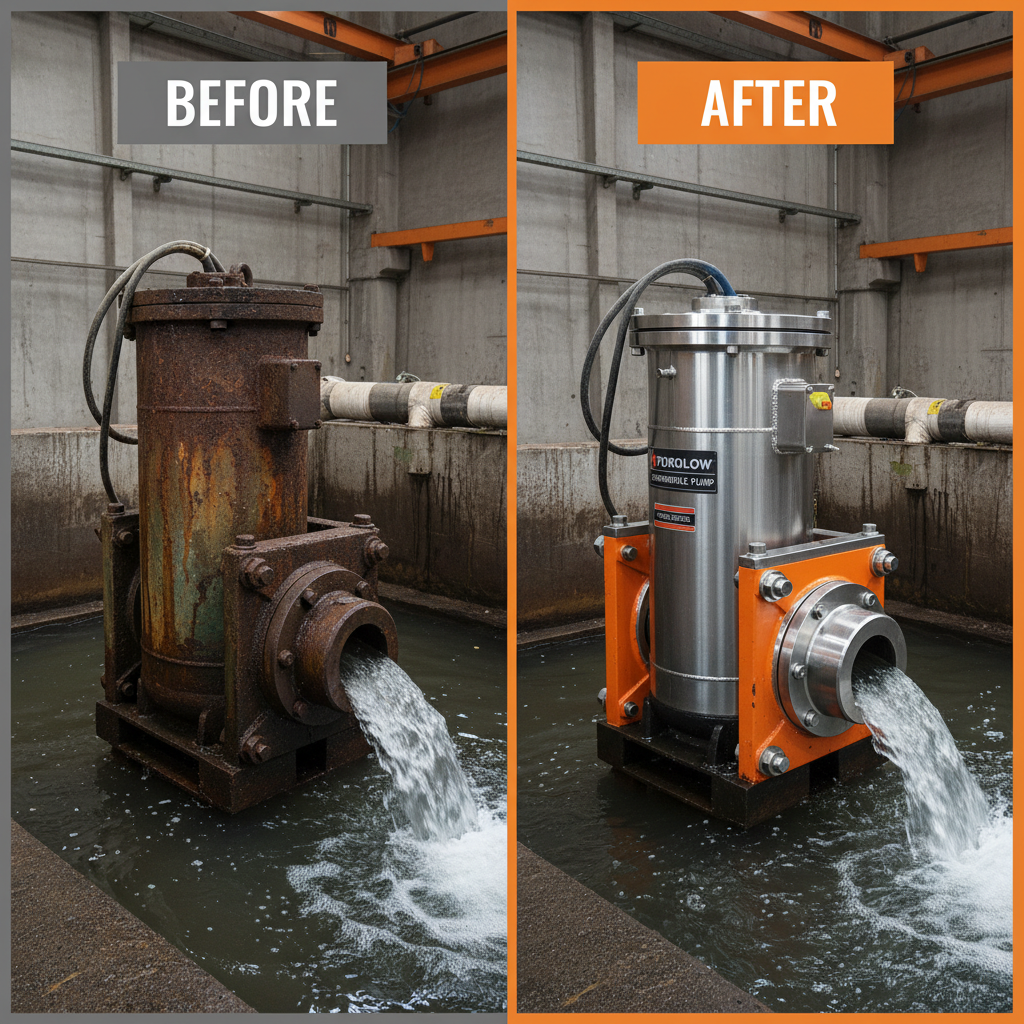 Understanding the Price Submersible Pump and Buyer GuideWhen searching for the ideal water management solution, understanding the price submersible pump options is crucial for balancing budget with performance. Whether you are dealing with a flooded basement, managing agricultural irrigation, or extracting water from a deep well, the cost of a submersible pump can vary significantly based on its build quality and capacity. Investing in a high-quality pump ensures long-term reliability and reduces the frequency of expensive replacements. In this guide, we will break down the factors that influence pricing and help you make an informed decision for your specific needs.Detail
 -
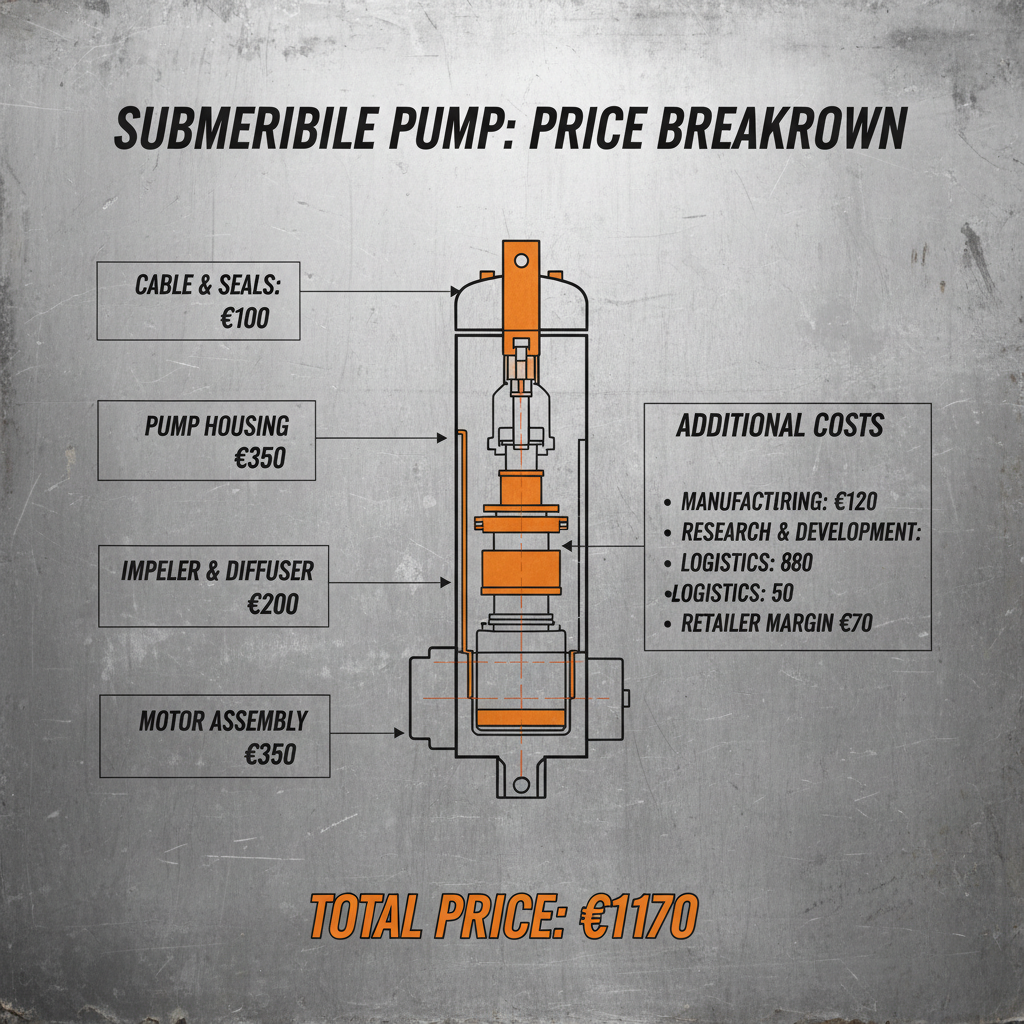 Factors Affecting the Price for Submersible Pump a Buyers GuideWhen investing in water management systems, understanding the price for submersible pump options is essential for balancing performance with budget. Whether you are managing a residential well, an industrial drainage project, or agricultural irrigation, the cost of a pump is rarely a flat fee; it is a reflection of the engineering, materials, and capacity required for your specific environment. In this guide, we will break down the factors that influence pricing and help you determine the best value for your investment to ensure long-term reliability and efficiency.Detail
 -
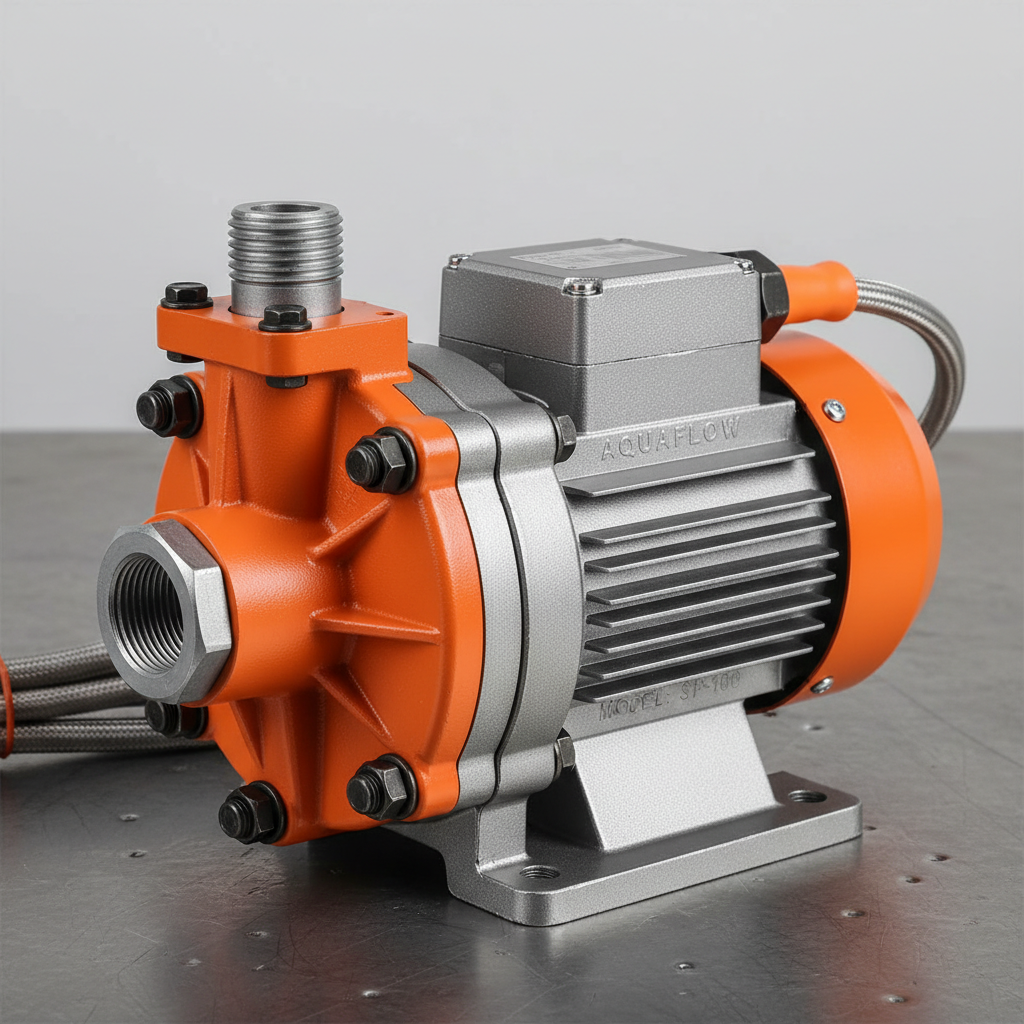 Choosing the Right Mini Submersible Fountain Pump for Optimal Water Feature PerformanceCreating a beautiful and relaxing water feature doesn't have to be complicated. A mini submersible fountain pump is the heart of any indoor or outdoor fountain, and selecting the right one is crucial for optimal performance and longevity. This article will guide you through the key considerations when choosing a mini submersible fountain pump, covering types, features, applications, and how to ensure you get the perfect pump for your project. We’ll also explore how Wellpumpact can provide you with the ideal solution.Detail
 Afrikaans
 Albanian
 Amharic
 Arabic
 Armenian
 Azerbaijani
 Basque
 Belarusian
 Bengali
 Bosnian
 Bulgarian
 Catalan
 Cebuano
 Corsican
 Croatian
 Czech
Czech
 Danish
 Dutch
Dutch
 Esperanto
 Estonian
 Finnish
 French
 Frisian
 Galician
 Georgian
 German
 Greek
Greek
 Gujarati
 Haitian Creole
 Hausa
Hausa
 Hawaiian
 Hebrew
 Hindi
Hindi
 Miao
Miao
 Hungarian
 Icelandic
 Igbo
Igbo
 Indonesian
 Irish
Irish
 Italian
 Japanese
 Javanese
 Kannada
 Kazakh
 Khmer
Khmer
 Rwandese
 Korean
 Kurdish
 Kyrgyz
 Lao
Lao
 Latin
Latin
 Latvian
 Lithuanian
 Luxembourgish
 Macedonian
 Malgashi
 Malay
Malay
 Malayalam
 Maltese
 Maori
Maori
 Marathi
 Mongolian
 Myanmar
 Nepali
 Norwegian
 Norwegian
 Occitan
 Pashto
 Persian
 Polish
 Portuguese
 Punjabi
 Romanian
 Russian
 Samoan
 Scottish Gaelic
 Serbian
 Sesotho
 Shona
Shona
 Sindhi
 Sinhala
 Slovak
 Slovenian
 Somali
 Spanish
 Sundanese
 Swahili
 Swedish
 Tagalog
 Tajik
Tajik
 Tamil
Tamil
 Tatar
Tatar
 Telugu
 Thai
Thai
 Turkish
 Turkmen
 Ukrainian
 Urdu
Urdu
 Uighur
 Uzbek
Uzbek
 Vietnamese
 Welsh
Welsh
 Bantu
Bantu
 Yiddish
 Yoruba
 Zulu
Zulu
 English