
Nov . 18, 2025 21:00 Back to list
Essential Guide to Submersible Pond Pumps – Benefits, Uses & Trends
Submersible Pond Pumps: What They Are and Why They Matter Globally
You might not give much thought to the little gadgets quietly working beneath your garden pond or decorative water feature—the submersible pond pump. But globally, these pumps have really taken on a vital role beyond aesthetics. Whether it’s ensuring aquatic ecosystems stay healthy, facilitating water management in drought-prone regions, or powering remote water installations, understanding how these pumps work and their benefits is becoming increasingly important. After all, clean, properly circulated water translates into better environments, stronger biodiversity, and even safer water for people and livestock in some parts of the world.
Today, I want to walk you through the essentials of submersible pond pumps—their design, why they're used globally, and their future in a world increasingly focused on sustainability and smart tech.
The Global Context: Why Submersible Pond Pumps Still Matter
According to reports by the United Nations Water initiative, nearly 40% of the global population suffers from water scarcity for at least one month a year. Managing water wisely is an ongoing challenge, especially in agriculture, industry, and urban environments. This is where the humble submersible pond pump comes in. It’s a practical tool that’s adapted from simple garden use to complex industrial and humanitarian applications.
In fact, the global water pumps market is expected to grow steadily over the next decade, partly due to increased irrigation needs in countries with expanding populations and partly because of the rise of sustainable water management practices.
The problem many regions face is that stagnant water bodies pose risks related to waterborne diseases and ecosystem imbalances. Submersible pond pumps provide an effective solution by promoting water circulation and oxygenation. That’s crucial for fish, plants, and microbial life, which indirectly supports food chains and local economies.
What Exactly Is a Submersible Pond Pump?
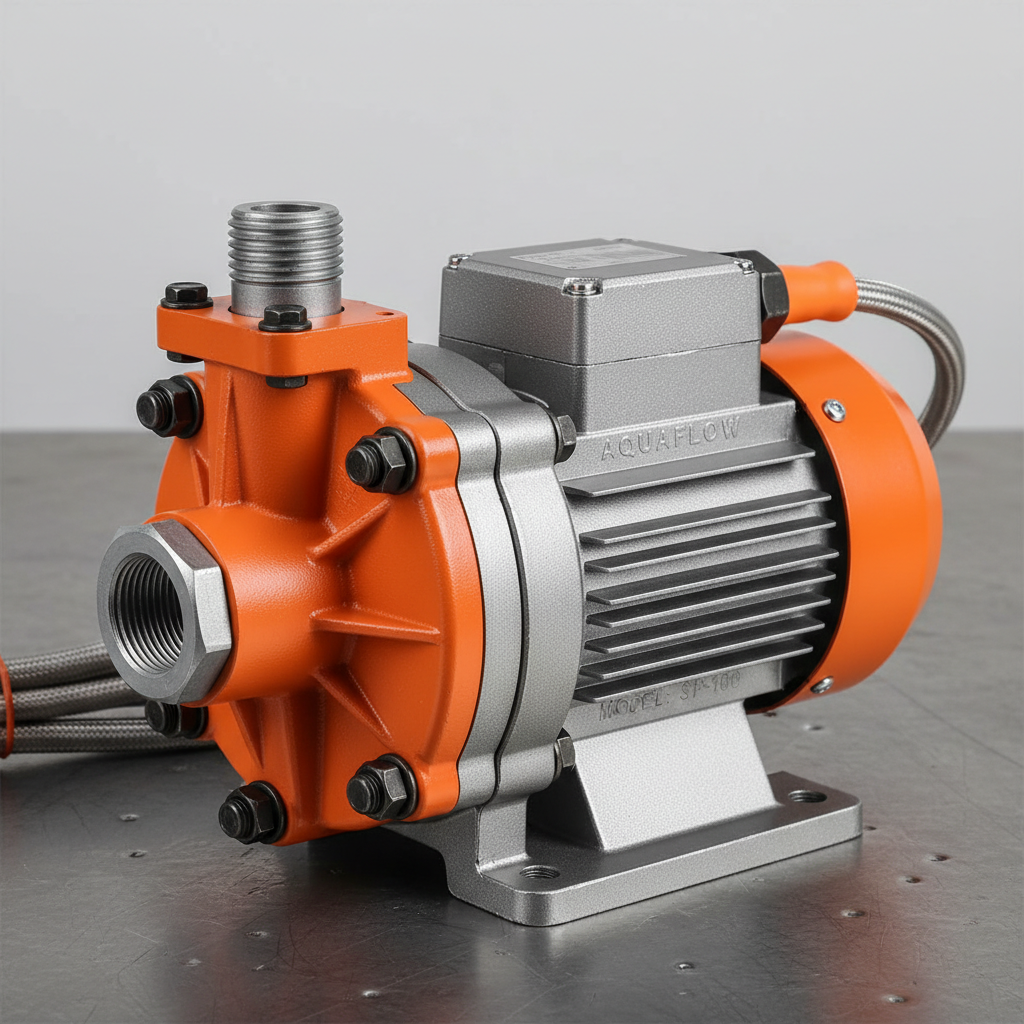
Simply put, a submersible pond pump is a device designed to be fully submerged in water, pulling water through and pushing it where needed—whether that's into a waterfall, fountain, filtration system, or irrigation pipe. Unlike surface pumps, these are waterproof and operate underwater without risking motor damage.
They typically consist of an electric motor sealed inside a watertight casing, an impeller that moves water, and an intake grille to prevent debris clogging. Their quiet operation and ease of installation make them popular among pond owners, but industrial versions with larger flow capacities are crucial in water management worldwide.
Key Features to Consider in Submersible Pond Pumps
Durability and Materials
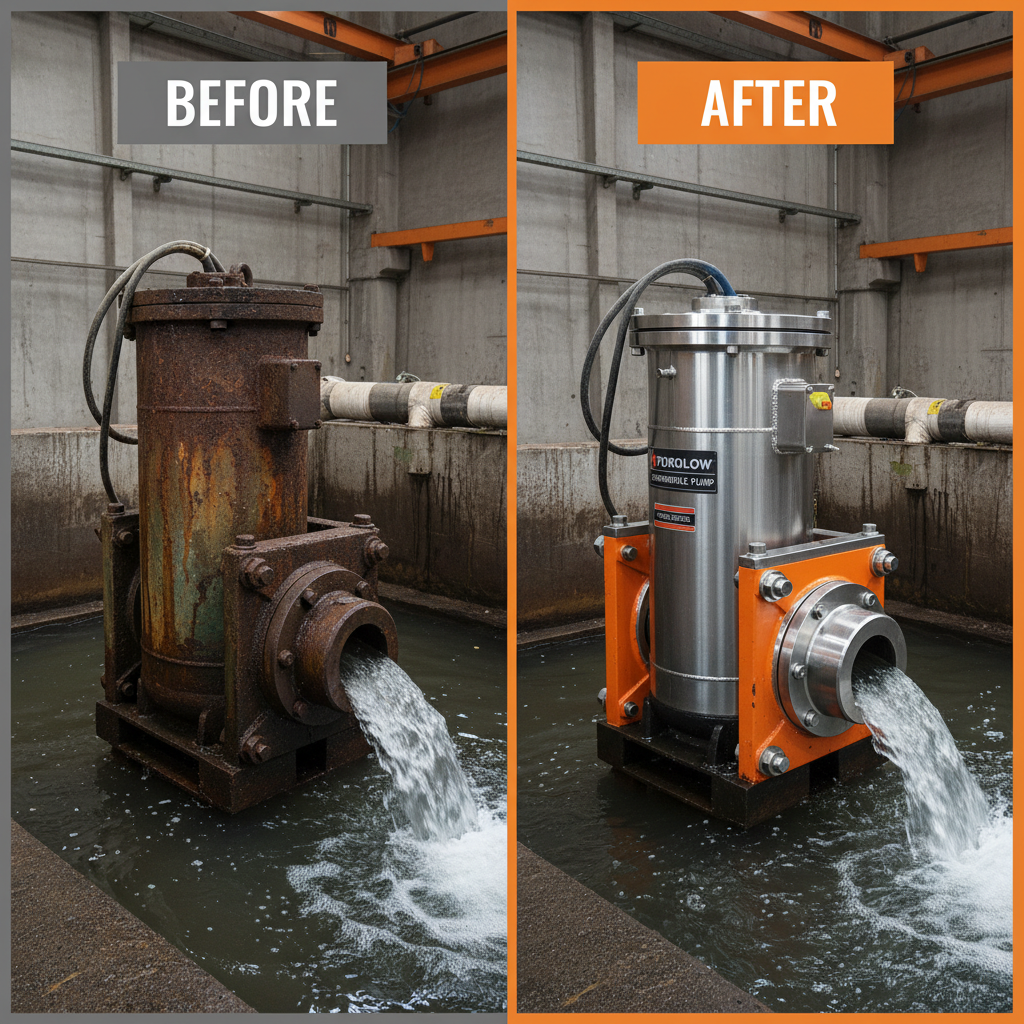
Pumps often face corrosive environments—chemicals, algae, sediments—all common in ponds or industrial run-off. That’s why durable materials like stainless steel and reinforced plastics are frequently used to prolong service life. I’ve noticed that cheaper pumps tend to crack or clog faster, leading to downtime and frustration.
Flow Rate and Head Height
Two practical specs you’ll see are flow rate (how much water moves per minute) and maximum head height (how high water can be pushed). Matching these to your application is crucial—too weak a pump struggles with waterfalls or fountains; too strong may waste energy.
Energy Efficiency
Some newer models boast energy-efficient motors, reducing electricity bills and carbon footprints. That’s a big plus, especially when pumps run 24/7 or are powered by limited renewable resources.
Filtration Compatibility
A few pumps come with built-in filtration or work seamlessly with external filters—a godsend to keep water clear without extra maintenance.
| Specification | Typical Range | Notes |
|---|---|---|
| Flow Rate | 200 - 2000 GPH (Gallons per Hour) | Dependent on pond size and feature |
| Maximum Head Height | 6 - 15 Feet | Higher head reduces flow rate |
| Power Consumption | 15 - 160 Watts | Varies by pump size and efficiency |
| Material | Plastic, Stainless Steel | Stainless steel preferred for harsh environments |
| Warranty | 1 - 3 Years | Check before purchase |
Where Are These Pumps Really Making a Difference?
While many of us think of submersible pond pumps in decorative or landscaping settings, their use extends much further. For instance:
- Aquaculture farms in Southeast Asia use them to circulate water and maintain oxygen levels in fish tanks.
- Post-disaster relief projects leverage submersible pumps to restore clean water flow in flooded areas.
- Remote agricultural zones in Africa—solar-powered submersible pumps irrigate crops where electricity grid access is scarce.
- Your local garden pond to keep water clear and algae in check, supporting fragile ecosystems of frogs, insects, and plants.
Oddly enough, their quiet and efficient operation has made them favorites for delicate environments where noise pollution could disrupt wildlife or human tranquility.
Mini takeaway: Submersible pond pumps serve a broad spectrum of users. Their adaptability ranges from hobbyists to humanitarian engineers.
What’s the Real Upside of Using Submersible Pond Pumps?
Beyond just moving water, these pumps offer some compelling benefits:
- Cost-effectiveness: Long service life combined with low energy consumption means they’re wallet-friendly over time.
- Sustainability: By improving water circulation, they combat algae blooms and stagnant water, which supports healthier ecosystems.
- Reliability: Their waterproof design typically ensures fewer breakdowns, which is crucial especially in remote or emergency setups.
- Safety and dignity: In humanitarian scenarios, access to clean water is paramount. These pumps help bring that dignity and security.
In simple terms, it feels like investing in a good submersible pump is investing in peace of mind—for your garden or community.
Emerging Trends in Submersible Pond Pump Technology
The industry isn’t standing still. Here’s what engineers and manufacturers are getting excited about recently:
- Integration with smart sensors: Pumps that adjust flow based on water quality or level sensors, improving efficiency.
- Solar-powered units: Especially for off-grid or drought-affected areas, solar-driven pumps reduce dependency on fossil fuels.
- Use of bio-compatible materials: To minimize impact on aquatic life and extend durability in harsh conditions.
- Modular designs: For easier maintenance and scalability in industrial uses.
Such innovations align closely with broader eco-goals and digital transformation sweeping water management sectors worldwide.
Challenges and Expert Solutions
Of course, no device is without flaws. Submersible pumps face issues like clogging from debris, motor wear in abrasive waters, and occasional power supply problems. But developers have come up with some neat fixes:
- Improved intake grates reduce clogging by filtering larger debris.
- Brushless motors are being adapted for longer life spans and quieter operation.
- Solar battery combos minimize downtime caused by inconsistent solar output.
Experts also emphasize regular maintenance schedules and choosing the right pump capacity to match your environment to avoid early failures.
Comparing Top Submersible Pond Pump Vendors
| Vendor | Product Range | Warranty | Unique Feature | Price Range |
|---|---|---|---|---|
| AquaPump Co. | Garden & Industrial | 3 years | Smart flow control | $80 - $500 |
| EcoPumps Ltd. | Solar & Submersible | 2 years | Solar compatibility | $120 - $650 |
| PureFlow Pumps | Pond & Fountain | 1 year | Low noise design | $60 - $350 |
FAQ: Common Questions About Submersible Pond Pumps
What factors determine the right size of submersible pond pump?
The pump size depends on your pond volume and the flow rate required for features like waterfalls or fountains. Generally, aim for circulating the total pond volume every 1-2 hours. Too small a pump stresses the system; too large wastes energy.
Can I use a submersible pump in saltwater ponds?
Yes, but you must select pumps made from corrosion-resistant materials like stainless steel. Also, regular maintenance is critical because salt accelerates wear.
How energy-efficient are these pumps?
Modern submersible pond pumps range from 15W to 160W in power use. Choosing models with variable speed or smart sensors helps optimize consumption. Solar options exist for off-grid applications.
How often should I service my submersible pond pump?
Typically, rinse the pump and intake every few months to clear debris. More thorough servicing annually helps prolong motor life. Frequency depends on water quality and debris load.
Are submersible pond pumps noisy?
Not usually. Their underwater placement muffles sound, making them among the quietest pump types. Some models even advertise ultra-quiet operation for peace around your garden or habitat.
Wrapping Up: Why a Submersible Pond Pump Is Worth Your Consideration
Whether you’re a hobby gardener, a small-scale aquaculture farmer, or part of an NGO supplying water infrastructure in remote areas, the submersible pond pump is a versatile workhorse with growing importance worldwide. Their ability to safely and efficiently move water while keeping things underwater and quiet is what makes them so invaluable.
For detailed specs, options, and expert advice on picking the ideal submersible pump, do visit submersible pond pump. Trust me, spending a bit of time upfront can save you a lot of hassle down the line.
Here’s to flowing waters and thriving ponds everywhere!
References:
1. UN Water Resources
2. Wikipedia: Water Pumps
3. ISO Water Pump Standards
-
Understanding the Price Submersible Pump and Buyer Guide
NewsApr.16,2026
-
Factors Affecting the Price for Submersible Pump a Buyers Guide
NewsApr.09,2026
-
Choosing the Right Mini Submersible Fountain Pump for Optimal Water Feature Performance
NewsApr.07,2026
-
A Detailed Guide to Installing a Submersible Pump for Optimal Performance
NewsApr.04,2026
-
Comprehensive Guide on How to Test a Submersible Water Well Pump Effectively
NewsMar.31,2026
-
Learn How to Replace a Submersible Well Pump Safely and Effectively
NewsMar.28,2026
-
 Understanding the Price Submersible Pump and Buyer GuideWhen searching for the ideal water management solution, understanding the price submersible pump options is crucial for balancing budget with performance. Whether you are dealing with a flooded basement, managing agricultural irrigation, or extracting water from a deep well, the cost of a submersible pump can vary significantly based on its build quality and capacity. Investing in a high-quality pump ensures long-term reliability and reduces the frequency of expensive replacements. In this guide, we will break down the factors that influence pricing and help you make an informed decision for your specific needs.Detail
 -
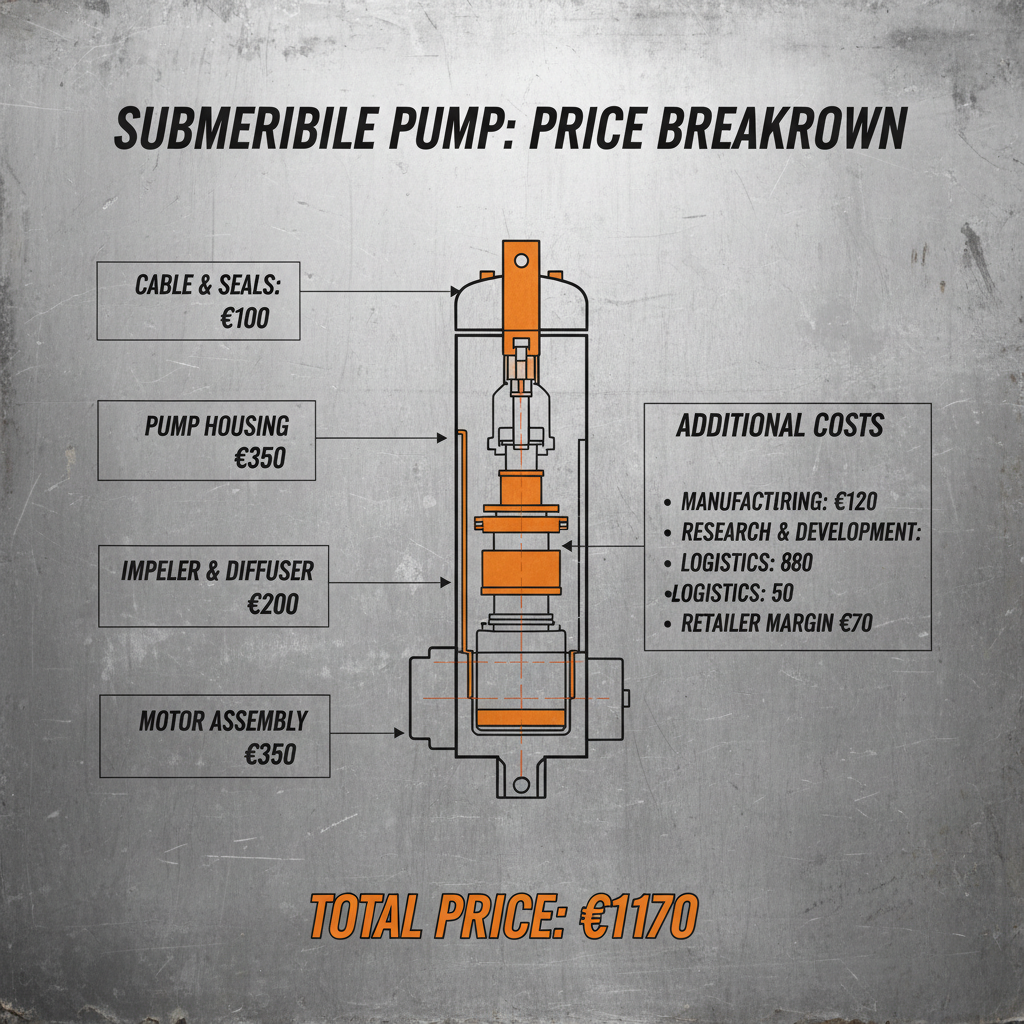 Factors Affecting the Price for Submersible Pump a Buyers GuideWhen investing in water management systems, understanding the price for submersible pump options is essential for balancing performance with budget. Whether you are managing a residential well, an industrial drainage project, or agricultural irrigation, the cost of a pump is rarely a flat fee; it is a reflection of the engineering, materials, and capacity required for your specific environment. In this guide, we will break down the factors that influence pricing and help you determine the best value for your investment to ensure long-term reliability and efficiency.Detail
 -
 Choosing the Right Mini Submersible Fountain Pump for Optimal Water Feature PerformanceCreating a beautiful and relaxing water feature doesn't have to be complicated. A mini submersible fountain pump is the heart of any indoor or outdoor fountain, and selecting the right one is crucial for optimal performance and longevity. This article will guide you through the key considerations when choosing a mini submersible fountain pump, covering types, features, applications, and how to ensure you get the perfect pump for your project. We’ll also explore how Wellpumpact can provide you with the ideal solution.Detail
 Afrikaans
 Albanian
 Amharic
 Arabic
 Armenian
 Azerbaijani
 Basque
 Belarusian
 Bengali
 Bosnian
 Bulgarian
 Catalan
 Cebuano
 Corsican
 Croatian
 Czech
Czech
 Danish
 Dutch
Dutch
 Esperanto
 Estonian
 Finnish
 French
 Frisian
 Galician
 Georgian
 German
 Greek
Greek
 Gujarati
 Haitian Creole
 Hausa
Hausa
 Hawaiian
 Hebrew
 Hindi
Hindi
 Miao
Miao
 Hungarian
 Icelandic
 Igbo
Igbo
 Indonesian
 Irish
Irish
 Italian
 Japanese
 Javanese
 Kannada
 Kazakh
 Khmer
Khmer
 Rwandese
 Korean
 Kurdish
 Kyrgyz
 Lao
Lao
 Latin
Latin
 Latvian
 Lithuanian
 Luxembourgish
 Macedonian
 Malgashi
 Malay
Malay
 Malayalam
 Maltese
 Maori
Maori
 Marathi
 Mongolian
 Myanmar
 Nepali
 Norwegian
 Norwegian
 Occitan
 Pashto
 Persian
 Polish
 Portuguese
 Punjabi
 Romanian
 Russian
 Samoan
 Scottish Gaelic
 Serbian
 Sesotho
 Shona
Shona
 Sindhi
 Sinhala
 Slovak
 Slovenian
 Somali
 Spanish
 Sundanese
 Swahili
 Swedish
 Tagalog
 Tajik
Tajik
 Tamil
Tamil
 Tatar
Tatar
 Telugu
 Thai
Thai
 Turkish
 Turkmen
 Ukrainian
 Urdu
Urdu
 Uighur
 Uzbek
Uzbek
 Vietnamese
 Welsh
Welsh
 Bantu
Bantu
 Yiddish
 Yoruba
 Zulu
Zulu
 English