
Nov . 29, 2025 11:25 Back to list
Submersible Transfer Pump: Global Uses, Benefits & Future Trends Explained
Why Submersible Transfer Pumps Matter More Than Ever
At first glance, submersible transfer pumps might sound like just another piece of industrial equipment. But dig a little deeper, and you quickly realize how vital they are — not just for industries, but for millions of people worldwide. Whether it's moving water for irrigation, aiding disaster relief efforts, or managing wastewater, understanding these pumps unlocks a world of benefits tied to sustainability, efficiency, and safety. In a warming world where water management becomes increasingly critical, knowing what makes submersible pumps tick is no longer niche—it's global necessity.
Introduction: The Global Impact of Submersible Transfer Pumps
Globally, water scarcity affects more than two billion people according to UN-Water, while the demand for reliable fluid transfer systems grows exponentially in agriculture, mining, and infrastructure sectors. Submersible transfer pumps address some of the most pressing challenges by efficiently moving liquids with minimal surface footprint and reduced risk of contamination.
For example, reports from the International Organization for Standardization (ISO) emphasize that motor-driven submersible pumps reduce energy consumption compared to older surface pumps — a key factor as many industries strive for sustainability goals. But challenges remain, especially in harsh environments where pump failure can mean costly downtime or environmental hazards.
What Is a Submersible Transfer Pump, Anyway?
Simply put, a submersible transfer pump is a device designed to be submerged in the fluid it's pumping. Unlike centrifugal pumps that sit outside the liquid, these units work underwater or inside tanks, pushing water or other liquids through pipelines or hoses to a needed location. By eliminating the need for priming and reducing cavitation risks, they’re exceptionally efficient and safe.
In humanitarian contexts, these pumps often come into play during flood relief or water sanitation efforts — moving contaminated water safely or delivering clean water to remote villages. They’re practical, versatile, and a true lifeline when infrastructure is limited or damaged.
Core Components & Factors That Make These Pumps Tick
1. Durability
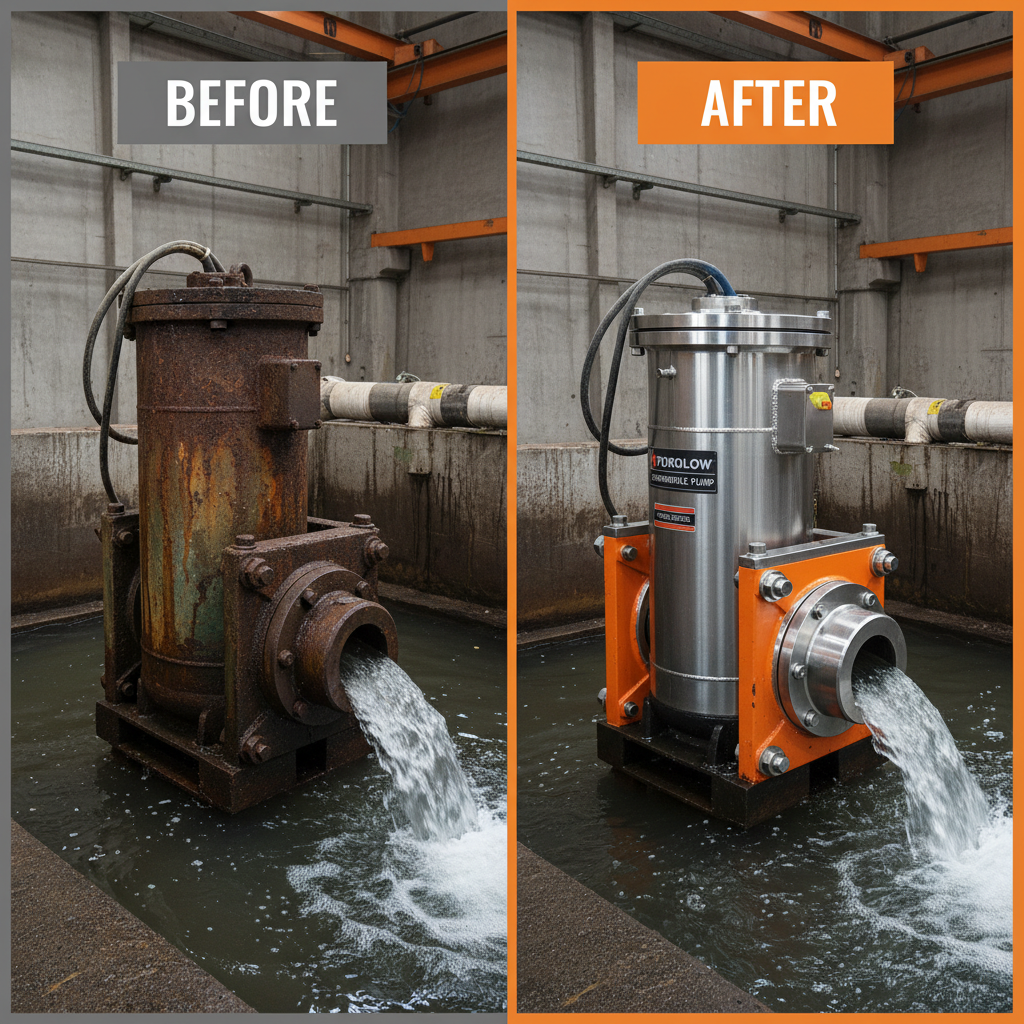
The materials chosen for the pump housing, impellers, and seals have to withstand harsh environments: corrosive water, silt, or sludge. Stainless steel and thermoplastic blends dominate here, enhancing longevity and reducing maintenance.
2. Power & Efficiency
Most submersible pumps employ sealed electric motors, often cooled by the liquid itself. The efficiency rating improves with well-designed impellers optimized for specific liquid viscosities — a key factor in both energy savings and environmental impact.
3. Scalability & Flow Rate
Pumps come in a range of sizes — from small portable units moving a few hundred gallons per hour to industrial-scale models handling thousands of gallons per minute. Matching flow rate to the task is essential; oversized pumps waste power, undersized ones fail to meet demand.
4. Safety Features
Automatic shutoffs, thermal protection, and waterproof cable connections are common. These elements not only protect the equipment but also ensure operational safety, especially in hazardous settings.
5. Ease of Maintenance
Many modern designs emphasize tool-free impeller access or modular components. This focus means less downtime and lower lifecycle costs — factors engineers and operators really appreciate on the ground.
Takeaway: When choosing a submersible transfer pump, don’t just look at price. Pay attention to materials, motor design, and safety features—they directly translate to reliability and long-term savings.
Where in the World Are These Pumps Making a Difference?
Around the globe, submersible transfer pumps see diverse usage:
- In agriculture: Regions like California and Australia use them extensively for irrigation, helping conserve precious groundwater.
- Post-disaster relief: After hurricanes and floods in Southeast Asia and the Caribbean, these pumps quickly remove stagnant water to reduce disease risks.
- Industrial zones: Mining operations in Canada and Chile depend on submersible pumps to move slurry and wastewater without interruption.
- Urban infrastructure: European cities frequently deploy these pumps for sewage management and stormwater control, preventing overflow and contamination.
For instance, during the 2018 Kerala floods in India, relief agencies deployed thousands of portable submersible pumps to drain flooded homes — restoring normalcy faster than traditional methods.
Advantages and Long-Term Value of Submersible Transfer Pumps
These aren’t your average machines. Beyond pumping fluid, they offer:
- Cost efficiency: Lower energy bills due to better motor efficiency and reduced maintenance.
- Sustainability: Minimal environmental disruption since they operate underwater, reducing noise and pollution.
- Social impact: Reliable water access improves hygiene and livelihood, especially in underserved areas.
- Trust and safety: Automatic shutoffs and robust design provide peace of mind for operators and communities.
It almost feels like these pumps quietly hold communities together — out of sight, but hugely impactful.
What’s on the Horizon? Future Trends in Submersible Transfer Pumps
Innovation in this field is quietly simmering:
- Smart pump systems: Sensors and IoT tech enable remote monitoring — preventing downtime by alerting operators before failure.
- Green energy integration: Solar-powered submersible pumps are gaining traction, especially in off-grid agricultural zones.
- Advanced materials: New composites improve corrosion resistance and reduce weight, making transport and installation easier.
- Automation and AI: Adaptive controls optimize flow rates in real-time based on demand, energy prices, or weather patterns.
In short: the submersible transfer pump isn’t stuck in the past — it’s evolving alongside the digital age.
Challenges Facing These Pumps & How Experts Tackle Them
Despite their virtues, these pumps aren’t perfect:
- Wear and tear in abrasive fluids: Silt and sludge cause erosion of impellers and seals.
- Power supply reliability: Especially in remote locations, electricity inconsistencies can stall operations.
- Corrosion risks: Prolonged exposure to saline or chemically aggressive liquids demands premium materials, driving up costs.
Solutions? Many engineers recommend regular maintenance schedules paired with real-time monitoring tech. For power issues, combining battery backups or solar arrays helps maintain uptime. And creative material blends often strike a balance between cost and durability.
Product Specification Snapshot
| Feature | Typical Range | Notes |
|---|---|---|
| Flow Rate | 100-10,000 gallons per hour (GPH) | Dependent on model and application |
| Motor Power | 0.5 - 15 kW | Typically sealed, water-cooled |
| Material | Stainless steel, thermoplastics | Corrosion and abrasion resistant |
| Submersion Depth | Up to 100 meters | Depends on cable length and design |
| Weight | 15 - 150 kg | Varies with material and motor size |
Vendor Comparison: Choosing Your Submersible Transfer Pump Partner
| Vendor | Price Range | Warranty | Special Features |
|---|---|---|---|
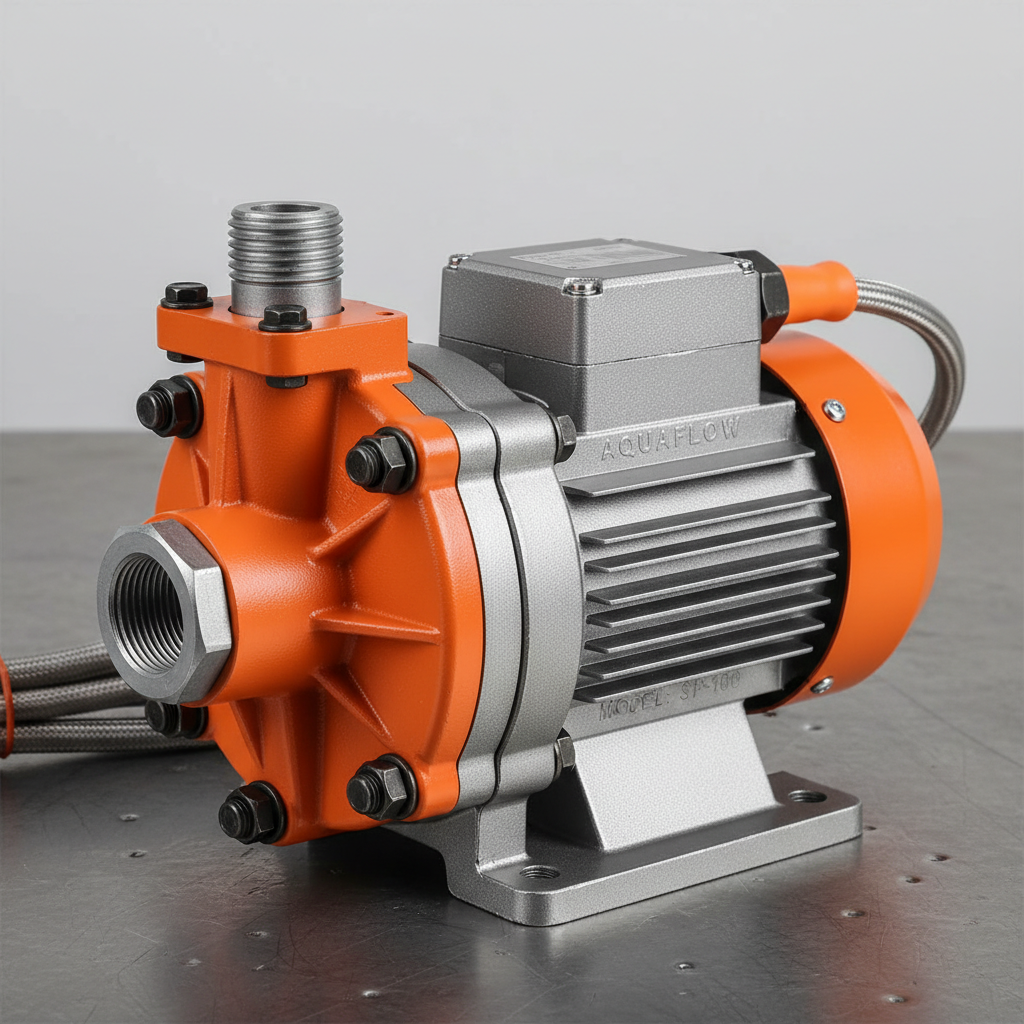
| AquaFlow Tech | $1,200 - $8,000 | 3 years | Smart IoT monitoring, solar options |
| PumpEase Solutions | $900 - $6,500 | 2 years | Lightweight thermoplastics, modular design |
| DeepWater Pumps Inc. | $1,800 - $10,500 | 5 years | Heavy-duty corrosion resistance, extended depth |
Frequently Asked Questions About Submersible Transfer Pumps
Q1: How do I decide what size submersible pump is right for my needs?
A: It depends largely on the volume of liquid you need to move and the distance (both horizontal and vertical) it must travel. Consider your flow rate requirements and the head pressure (lift height). Consulting technical datasheets and vendor experts is advisable to avoid overspending or underperformance.
Q2: Can submersible pumps handle thick or dirty liquids?
A: Many models are designed specifically for slurry or liquids with high solids content, equipped with special impellers and abrasion-resistant materials. However, not all pumps handle heavy sludge equally—it's essential to specify your fluid type to the manufacturer.
Q3: Are submersible transfer pumps energy efficient?
A: Yes. Because the motor is submerged, it's cooled naturally, reducing overheating risks and improving efficiency. Modern motors and impeller designs further boost energy savings compared to older surface pumps.
Q4: What maintenance is typically required?
A: Routine checks of seals, cables, and motor windings are important. Keep the impeller clear of debris and schedule professional servicing annually or as recommended by the manufacturer.
Q5: Can these pumps be used in emergency flood situations?
A: Absolutely. Their portable size, ease of deployment, and ability to pump water without priming make them ideal for floodwater removal or drainage in many disaster relief operations.
In Conclusion: Why Investing in Quality Submersible Transfer Pumps Pays Off
When you step back and think about it, a submersible transfer pump is kind of like that quiet hero in many sectors — quietly shifting vital resources with reliability and minimal fuss. They're critical for sustainability, disaster resilience, and efficient industry operation worldwide. As the world leans more heavily on water and fluid management solutions, these pumps will only grow in importance.
Curious about the right pump for your needs? Visit us at https://www.wellpumpact.com and discover tailored solutions designed to keep your projects flowing smoothly.
References
-
Understanding the Price Submersible Pump and Buyer Guide
NewsApr.16,2026
-
Factors Affecting the Price for Submersible Pump a Buyers Guide
NewsApr.09,2026
-
Choosing the Right Mini Submersible Fountain Pump for Optimal Water Feature Performance
NewsApr.07,2026
-
A Detailed Guide to Installing a Submersible Pump for Optimal Performance
NewsApr.04,2026
-
Comprehensive Guide on How to Test a Submersible Water Well Pump Effectively
NewsMar.31,2026
-
Learn How to Replace a Submersible Well Pump Safely and Effectively
NewsMar.28,2026
-
 Understanding the Price Submersible Pump and Buyer GuideWhen searching for the ideal water management solution, understanding the price submersible pump options is crucial for balancing budget with performance. Whether you are dealing with a flooded basement, managing agricultural irrigation, or extracting water from a deep well, the cost of a submersible pump can vary significantly based on its build quality and capacity. Investing in a high-quality pump ensures long-term reliability and reduces the frequency of expensive replacements. In this guide, we will break down the factors that influence pricing and help you make an informed decision for your specific needs.Detail
 -
 Factors Affecting the Price for Submersible Pump a Buyers GuideWhen investing in water management systems, understanding the price for submersible pump options is essential for balancing performance with budget. Whether you are managing a residential well, an industrial drainage project, or agricultural irrigation, the cost of a pump is rarely a flat fee; it is a reflection of the engineering, materials, and capacity required for your specific environment. In this guide, we will break down the factors that influence pricing and help you determine the best value for your investment to ensure long-term reliability and efficiency.Detail
 -
 Choosing the Right Mini Submersible Fountain Pump for Optimal Water Feature PerformanceCreating a beautiful and relaxing water feature doesn't have to be complicated. A mini submersible fountain pump is the heart of any indoor or outdoor fountain, and selecting the right one is crucial for optimal performance and longevity. This article will guide you through the key considerations when choosing a mini submersible fountain pump, covering types, features, applications, and how to ensure you get the perfect pump for your project. We’ll also explore how Wellpumpact can provide you with the ideal solution.Detail
 Afrikaans
 Albanian
 Amharic
 Arabic
 Armenian
 Azerbaijani
 Basque
 Belarusian
 Bengali
 Bosnian
 Bulgarian
 Catalan
 Cebuano
 Corsican
 Croatian
 Czech
Czech
 Danish
 Dutch
Dutch
 Esperanto
 Estonian
 Finnish
 French
 Frisian
 Galician
 Georgian
 German
 Greek
Greek
 Gujarati
 Haitian Creole
 Hausa
Hausa
 Hawaiian
 Hebrew
 Hindi
Hindi
 Miao
Miao
 Hungarian
 Icelandic
 Igbo
Igbo
 Indonesian
 Irish
Irish
 Italian
 Japanese
 Javanese
 Kannada
 Kazakh
 Khmer
Khmer
 Rwandese
 Korean
 Kurdish
 Kyrgyz
 Lao
Lao
 Latin
Latin
 Latvian
 Lithuanian
 Luxembourgish
 Macedonian
 Malgashi
 Malay
Malay
 Malayalam
 Maltese
 Maori
Maori
 Marathi
 Mongolian
 Myanmar
 Nepali
 Norwegian
 Norwegian
 Occitan
 Pashto
 Persian
 Polish
 Portuguese
 Punjabi
 Romanian
 Russian
 Samoan
 Scottish Gaelic
 Serbian
 Sesotho
 Shona
Shona
 Sindhi
 Sinhala
 Slovak
 Slovenian
 Somali
 Spanish
 Sundanese
 Swahili
 Swedish
 Tagalog
 Tajik
Tajik
 Tamil
Tamil
 Tatar
Tatar
 Telugu
 Thai
Thai
 Turkish
 Turkmen
 Ukrainian
 Urdu
Urdu
 Uighur
 Uzbek
Uzbek
 Vietnamese
 Welsh
Welsh
 Bantu
Bantu
 Yiddish
 Yoruba
 Zulu
Zulu
 English