
Mar . 24, 2026 02:25 Back to list
How to Pull a Submersible Water Well Pump A Step by Step Guide
How to Pull a Submersible Water Well Pump: A Comprehensive Guide
Dealing with a malfunctioning submersible well pump can be stressful, but often, the solution is within reach. Understanding how to pull a submersible water well pump allows for efficient troubleshooting and potential repairs. This guide provides a step-by-step approach, covering safety precautions, necessary tools, and the process itself. Successfully pulling your pump can save you significant costs on service calls and get your water flowing again.

Safety First: Essential Precautions
Working with electrical and water presents inherent risks. Always disconnect the power supply to the well pump before beginning any work. This means switching off the circuit breaker that controls the pump. Verify the power is off using a voltage tester. Wear appropriate personal protective equipment (PPE), including rubber gloves and safety glasses. Inform others that you are working on the well to prevent accidental power restoration. Be mindful of the weight of the pump and use proper lifting techniques to avoid injury. Never attempt this task if you are uncomfortable or unsure about any step. If in doubt, contact a qualified well service professional – Well Pump Act offers reliable service.
Safety Checklist: Disconnect power, wear PPE, verify power off, inform others, use proper lifting techniques, seek professional help if needed.
Tools You'll Need for the Job
Having the right tools makes the process significantly easier and safer. Here’s a list of essential items:
- Pipe Wrench: For loosening and tightening pipe connections.
- Adjustable Wrench: For various fitting adjustments.
- Voltage Tester: To confirm the power is off.
- Electrical Tape: For insulating electrical connections.
- Wire Strippers/Crimpers: For working with electrical wires.
- Safety Rope or Cable: Strong enough to support the pump’s weight.
- Pitless Adapter Wrench: (If applicable) For disconnecting the pump from the pitless adapter.
- Pump Pulling Tools: Specialized tools like a pump hoist or cable clamps (depending on the well’s depth and pump size).
How to Pull a Submersible Water Well Pump: Step-by-Step
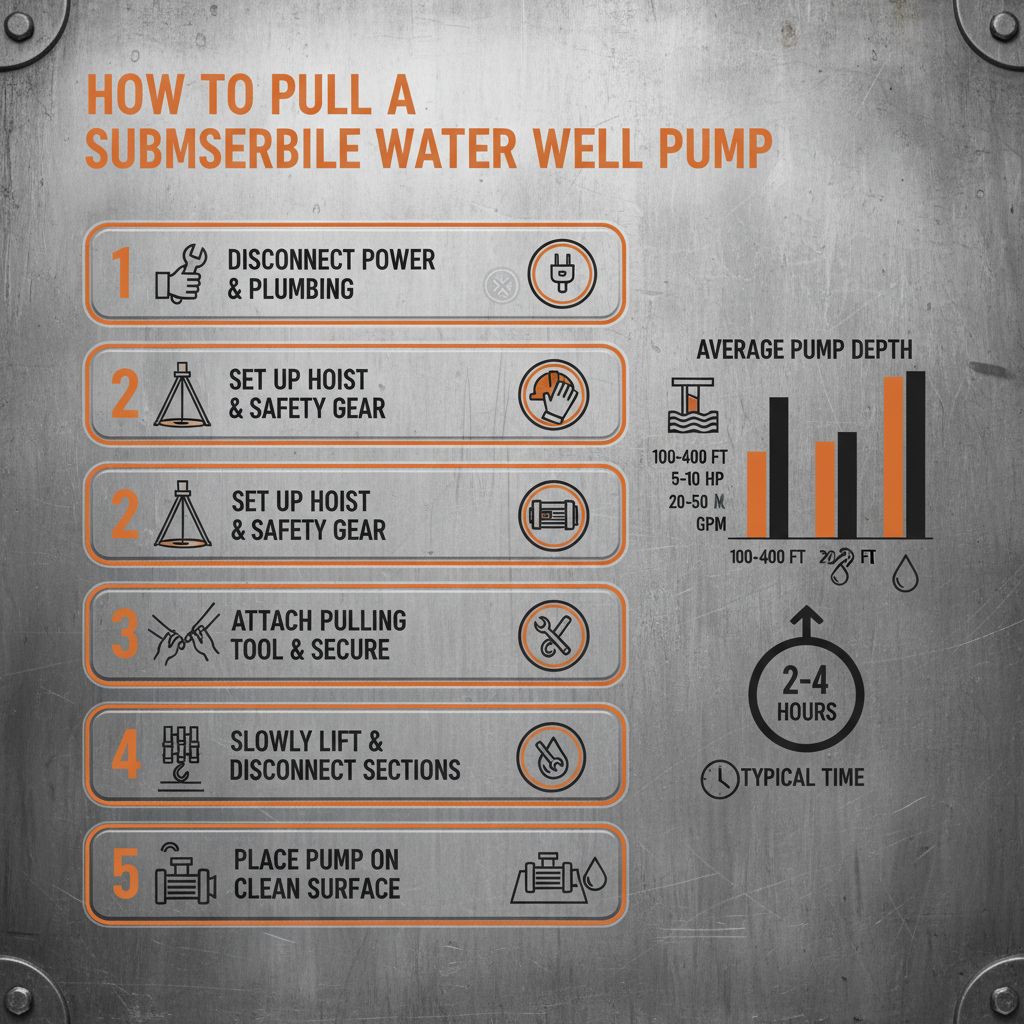
Follow these steps carefully to safely remove your submersible pump: First, depressurize the water system by opening a faucet at the highest point in your home. Disconnect the electrical supply as mentioned in the safety section. At the wellhead, carefully loosen and disconnect the water pipe connected to the pump. Attach the safety rope or cable securely to the pump, ensuring it's strong enough to bear the weight. Slowly and carefully raise the pump, guiding the wire and water pipe as you go. If your well has a pitless adapter, disconnect it before continuing to lift the pump. Once the pump is out of the well, carefully inspect it for damage.
Understanding Different Well Configurations
Well configurations can vary significantly. Shallow wells are easier to manage, often requiring only a rope and pipe wrench. Deeper wells necessitate specialized equipment like a pump hoist or cable clamps. Wells with a pitless adapter require disconnecting this component before lifting the pump. The type of pipe used (e.g., PVC, steel) will also affect the tools needed. If you're unfamiliar with your well's specific setup, consulting a professional is highly recommended. Consider checking Well Pump Act's resources for guidance.
Troubleshooting Common Issues & When to Call a Pro
Sometimes, the pump may be stuck. Gently try rotating it while lifting. If the wire is snagged, carefully try to free it, avoiding damage. If you encounter significant resistance or are unable to safely remove the pump, stop immediately and call a professional. Other issues that warrant professional attention include damaged wiring, a cracked pump casing, or a well that is partially collapsed. Don't risk further damage or personal injury by attempting repairs beyond your skill level. Well Pump Act provides expert diagnostics and repair services.
Conclusion: Empowering You to Maintain Your Water Supply
Knowing how to pull a submersible water well pump can save you time and money. However, always prioritize safety and don't hesitate to call professionals like Well Pump Act when faced with challenging situations. Regular maintenance and prompt attention to issues will ensure a reliable water supply for your home.
Frequently Asked Questions (FAQs)
How often should I inspect my submersible well pump?
It's recommended to inspect your submersible well pump annually. Check for any signs of corrosion, leaks, or damage to the wiring. Also, monitor your water pressure and flow rate. A decrease in pressure or flow could indicate a problem with the pump or well. Regular inspections can help identify issues early on, preventing more significant and costly repairs. If you're unsure about how to perform an inspection, Well Pump Act offers professional well inspection services.
What are the signs that my submersible pump needs to be pulled?
Several signs indicate your pump might need to be pulled. These include reduced water flow, intermittent operation (pump turns on and off frequently), no water at all, or unusual noises coming from the well. A drop in water pressure that can’t be explained by other factors is another key indicator. If you notice any of these signs, it's best to have a professional diagnose the issue and determine if pulling the pump is necessary.
Can I repair the pump myself once it’s pulled?
Minor repairs, such as replacing a broken check valve, can sometimes be done yourself if you have the necessary skills and tools. However, more complex repairs, like replacing the motor or impeller, should be left to qualified professionals. Working with electrical components and high-pressure water systems can be dangerous. Well Pump Act offers comprehensive repair services and can ensure your pump is restored to optimal working condition.
What is a pitless adapter and why is it important?
A pitless adapter is a device that allows the water line to pass through the well casing without creating a hole below the water table. This prevents contamination of the well water. It's crucial to disconnect the pitless adapter carefully when pulling the pump to avoid damaging it or the well casing. If you are unsure about how to disconnect the pitless adapter, it's best to consult with a professional.
-
Understanding the Price Submersible Pump and Buyer Guide
NewsApr.16,2026
-
Factors Affecting the Price for Submersible Pump a Buyers Guide
NewsApr.09,2026
-
Choosing the Right Mini Submersible Fountain Pump for Optimal Water Feature Performance
NewsApr.07,2026
-
A Detailed Guide to Installing a Submersible Pump for Optimal Performance
NewsApr.04,2026
-
Comprehensive Guide on How to Test a Submersible Water Well Pump Effectively
NewsMar.31,2026
-
Learn How to Replace a Submersible Well Pump Safely and Effectively
NewsMar.28,2026
-
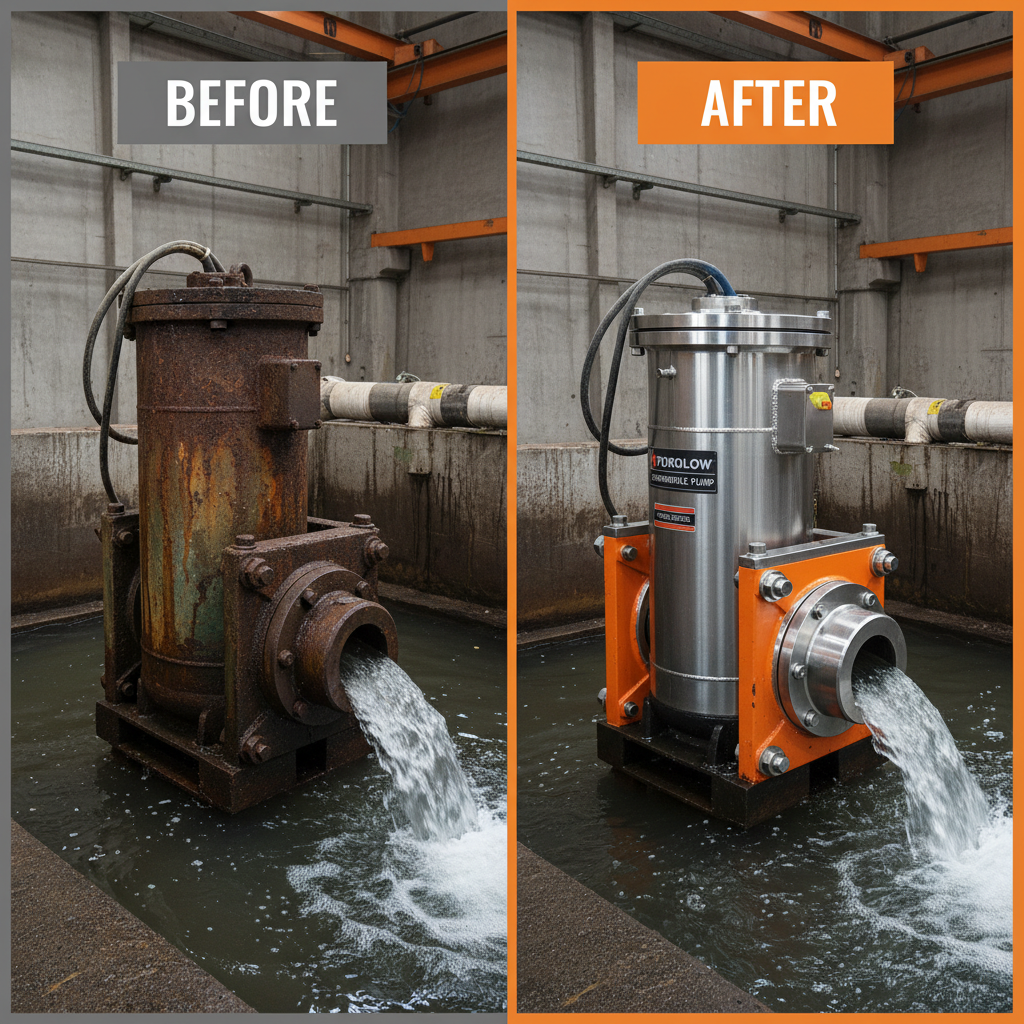 Understanding the Price Submersible Pump and Buyer GuideWhen searching for the ideal water management solution, understanding the price submersible pump options is crucial for balancing budget with performance. Whether you are dealing with a flooded basement, managing agricultural irrigation, or extracting water from a deep well, the cost of a submersible pump can vary significantly based on its build quality and capacity. Investing in a high-quality pump ensures long-term reliability and reduces the frequency of expensive replacements. In this guide, we will break down the factors that influence pricing and help you make an informed decision for your specific needs.Detail
 -
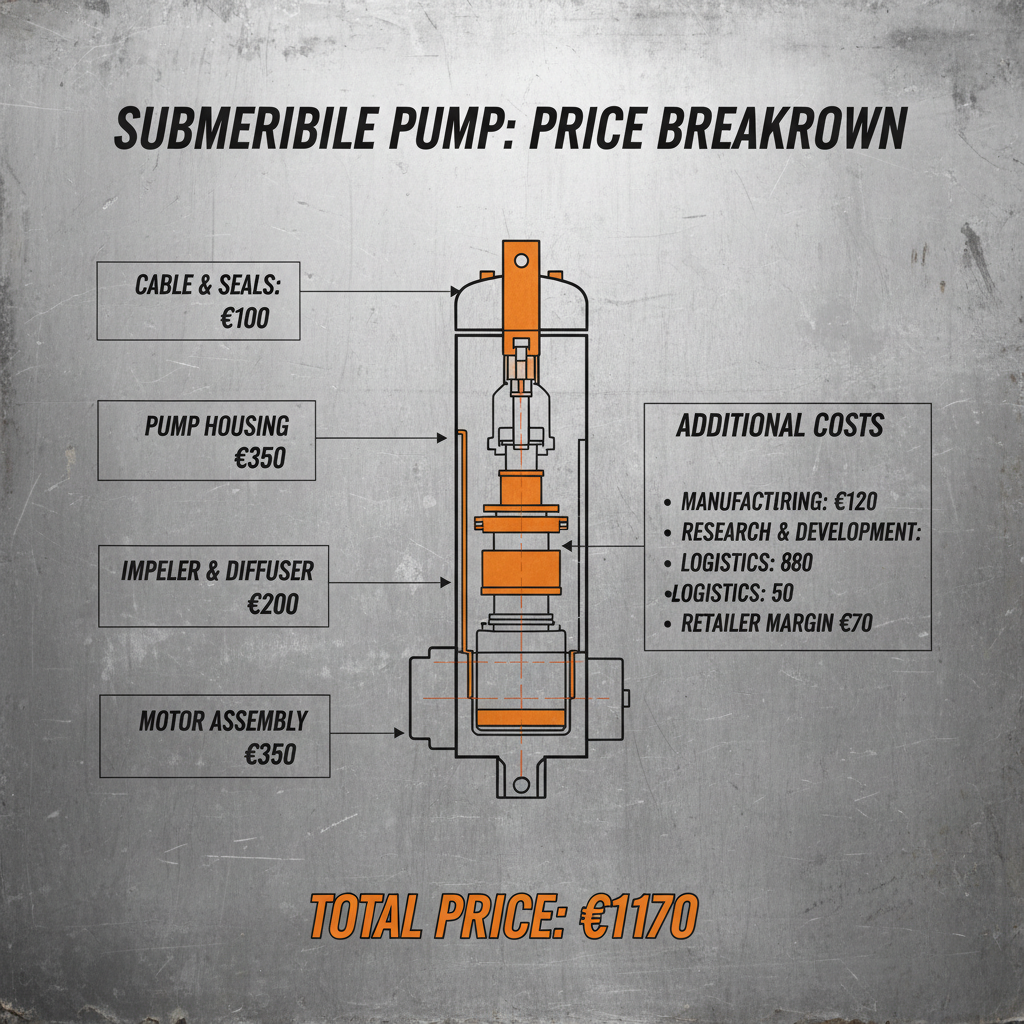 Factors Affecting the Price for Submersible Pump a Buyers GuideWhen investing in water management systems, understanding the price for submersible pump options is essential for balancing performance with budget. Whether you are managing a residential well, an industrial drainage project, or agricultural irrigation, the cost of a pump is rarely a flat fee; it is a reflection of the engineering, materials, and capacity required for your specific environment. In this guide, we will break down the factors that influence pricing and help you determine the best value for your investment to ensure long-term reliability and efficiency.Detail
 -
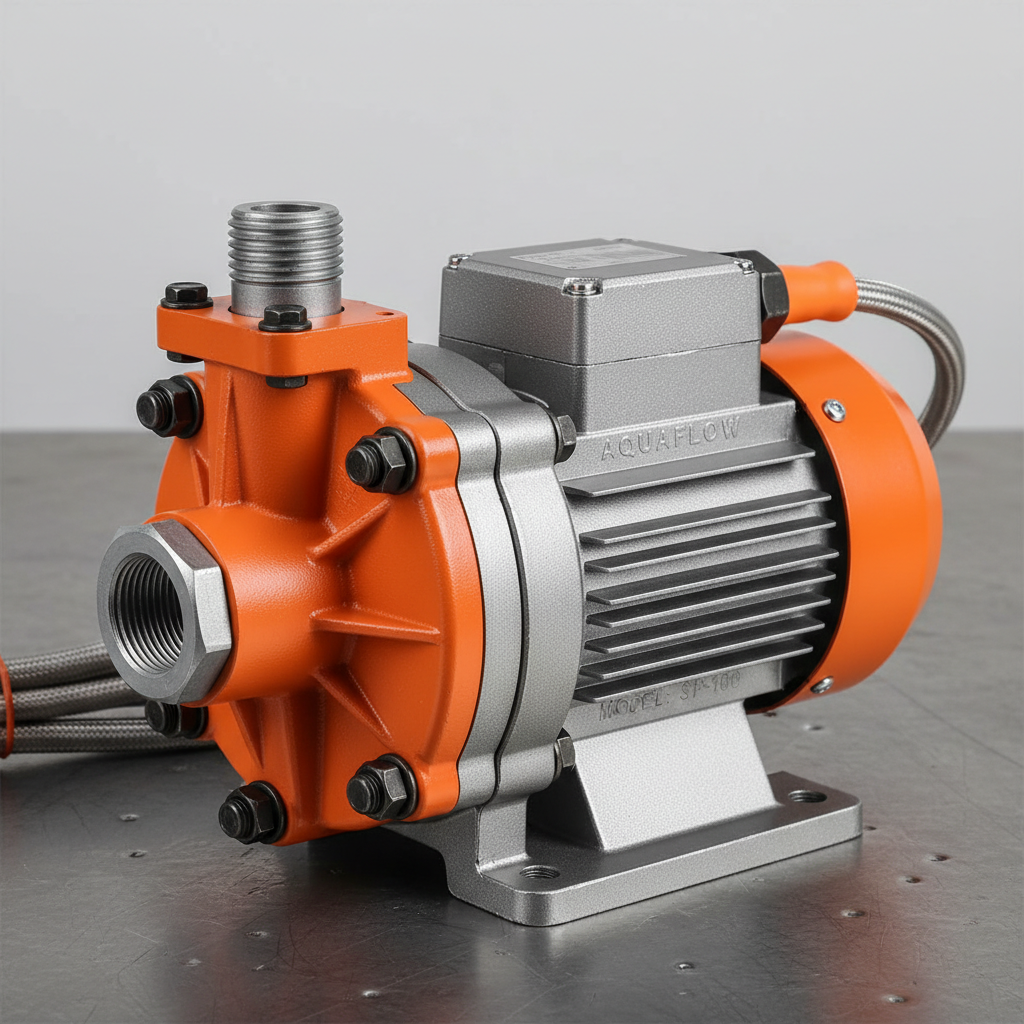 Choosing the Right Mini Submersible Fountain Pump for Optimal Water Feature PerformanceCreating a beautiful and relaxing water feature doesn't have to be complicated. A mini submersible fountain pump is the heart of any indoor or outdoor fountain, and selecting the right one is crucial for optimal performance and longevity. This article will guide you through the key considerations when choosing a mini submersible fountain pump, covering types, features, applications, and how to ensure you get the perfect pump for your project. We’ll also explore how Wellpumpact can provide you with the ideal solution.Detail
 Afrikaans
 Albanian
 Amharic
 Arabic
 Armenian
 Azerbaijani
 Basque
 Belarusian
 Bengali
 Bosnian
 Bulgarian
 Catalan
 Cebuano
 Corsican
 Croatian
 Czech
Czech
 Danish
 Dutch
Dutch
 Esperanto
 Estonian
 Finnish
 French
 Frisian
 Galician
 Georgian
 German
 Greek
Greek
 Gujarati
 Haitian Creole
 Hausa
Hausa
 Hawaiian
 Hebrew
 Hindi
Hindi
 Miao
Miao
 Hungarian
 Icelandic
 Igbo
Igbo
 Indonesian
 Irish
Irish
 Italian
 Japanese
 Javanese
 Kannada
 Kazakh
 Khmer
Khmer
 Rwandese
 Korean
 Kurdish
 Kyrgyz
 Lao
Lao
 Latin
Latin
 Latvian
 Lithuanian
 Luxembourgish
 Macedonian
 Malgashi
 Malay
Malay
 Malayalam
 Maltese
 Maori
Maori
 Marathi
 Mongolian
 Myanmar
 Nepali
 Norwegian
 Norwegian
 Occitan
 Pashto
 Persian
 Polish
 Portuguese
 Punjabi
 Romanian
 Russian
 Samoan
 Scottish Gaelic
 Serbian
 Sesotho
 Shona
Shona
 Sindhi
 Sinhala
 Slovak
 Slovenian
 Somali
 Spanish
 Sundanese
 Swahili
 Swedish
 Tagalog
 Tajik
Tajik
 Tamil
Tamil
 Tatar
Tatar
 Telugu
 Thai
Thai
 Turkish
 Turkmen
 Ukrainian
 Urdu
Urdu
 Uighur
 Uzbek
Uzbek
 Vietnamese
 Welsh
Welsh
 Bantu
Bantu
 Yiddish
 Yoruba
 Zulu
Zulu
 English