
Nov . 29, 2025 01:45 Back to list
Heavy Duty Submersible Pump – Durable Water Solutions for Industry & Agriculture
Understanding Heavy Duty Submersible Pumps: Why They Matter Globally
At first glance, a heavy duty submersible pump might seem like just another industrial gadget. But pause for a moment to think about the vast stretches of dry, remote lands, the flood-prone regions, and the mega construction projects humming along worldwide. These pumps quietly underpin essential water management, irrigation, and wastewater solutions. Without them, entire communities and industries could freeze in place—or worse.
Worldwide, over 700 million people still lack access to clean water, according to the World Health Organization. Heavy duty submersible pumps play a starring role in combating this shortage by enabling efficient water movement from wells, rivers, and underground sources. Grasping their function goes beyond engineering talk — it touches on global health, agriculture, infrastructure, and even climate resilience.
Mini takeaway: Recognizing the significance of these powerful pumps helps us appreciate their massive impact on everyday life and global sustainability.
Heavy Duty Submersible Pumps in Today's World: A Global Perspective
It might surprise some to learn that these pumps address one of the trickiest challenges of our modern era: reliable water access for both emergency and industrial needs. The UN estimates that by 2050, 40% of the global population could face water scarcity. That’s where reliable pump technology steps up.
Look at agricultural hubs in Asia or mining operations in Australia. Many rely heavily on robust submersible pumps that can plunge deep into wells or mine shafts, pumping gallons of water even under harsh conditions. The heavy duty aspect means these pumps endure tough environments where lesser models would fail rapidly.
Furthermore, industries across North America and Europe turn to these pumps to move wastewater efficiently as environmental standards tighten. So really, a heavy duty submersible pump is a small but essential cog in the vast wheel of sustainable global development.
Brief summary:
- Global water scarcity and infrastructure demands drive pump innovation.
- Industrial, agricultural, and humanitarian sectors benefit most.
- The pumps often operate in demanding environments, necessitating durability.
Defining the Heavy Duty Submersible Pump
Simply put: a heavy duty submersible pump is a sealed motor-pump unit designed to be submerged entirely in the fluid it moves. Unlike surface pumps, these don’t need priming and can push water up from depths that would make other pumps struggle.
The “heavy duty” label indicates advanced engineering for high durability, more power, and thermal or chemical resistance. Imagine working in a salty, abrasive mine shaft or harsh floodwaters — lightweight or delicate pumps wouldn’t last a week. These are made to keep going.
In humanitarian circles, having a heavy duty submersible pump means clean water access in disaster zones within hours. In industries, it translates to uninterrupted operations even under extreme conditions.
Core Components & Key Factors That Define Performance
Durability: Built to Last Underwater
The core of any heavy duty pump lies in its tough housing — usually cast iron or stainless steel — and sealed electric motors protected from moisture ingress. Seal quality, corrosion resistance, and rugged bearings help avoid downtime during critical tasks.
Power & Scalability
These pumps vary widely, from units delivering just a few gallons per minute to massive multi-thousand gallon setups. Scalability means users—from small farms to industrial plants—can find a reliable match.
Thermal & Chemical Resistance
Thermal overload protection prevents motors from burning out during intense operating cycles. Meanwhile, chemical-resistant models handle contaminated or brackish water without degrading.
Energy Efficiency
New designs optimize pump impellers and motors for lower energy consumption, reducing operational costs and carbon footprints.
Ease of Maintenance
Heavy duty pumps often feature modular designs so engineers can replace or service parts without complete disassembly — a lifesaver in remote sites.
| Specification | Typical Range | Notes |
|---|---|---|
| Max Depth | Up to 300 meters | Varies by model and power |
| Flow Rate | 10 to 5000 gallons/min | Depending on impeller and motor size |
| Material | Cast iron, stainless steel | Corrosion-resistant variants for industrial use |
| Power Source | Electric (3-Phase or Single Phase), Diesel-powered | Electric predominant for stationary, diesel for remote sites |
| Weight | 50 to 500+ kg | Depends on size and materials |
Quick recap:
- Tough construction resists tough conditions.
- Wide power and flow options suit diverse needs.
- Ease of maintenance saves time and cost.
Real-World Uses: Where Heavy Duty Submersible Pumps Make a Difference
In practice, these pumps quietly keep a lot of wheels turning. For example:
- Agriculture in Sub-Saharan Africa: These pumps help irrigate crops in regions where surface water is seasonal at best.
- Mining Operations: Australia’s iron ore mines employ them to dewater deep pits, ensuring safe, dry working areas.
- Municipal Wastewater Treatment: Major cities in Europe use heavy duty submersible pumps to move and treat sewage while adhering to strict environmental regulations.
- Disaster Relief Efforts: In flood zones or hurricane aftermaths—like parts of Southeast Asia—pumps restore water supply quickly and safely.
Interestingly, even offshore oil rigs depend on these pumps to handle ballast water and keep machinery cooled. The difference between a brief snag and a costly shutdown often boils down to pump reliability.
Vendor Comparison: What to Look For
| Vendor | Key Advantages | Typical Applications | Lead Time (Weeks) |
|---|---|---|---|
| HydroPump Ltd. | Superior corrosion resistance; modular design | Mining, industrial wastewater | 4-6 |
| BlueWater Tech | Energy efficient motors; remote monitoring | Municipalities, agriculture | 6-8 |
| DeepWell Industries | Heavy power output; wide depth range | Oil & gas, disaster relief | 3-5 |
Why Invest in Heavy Duty Submersible Pumps? Benefits and Longevity
Buying such a pump isn’t just about pushing water; it’s about trust and resilience. These pumps cut operational costs by reducing maintenance frequency. Plus, energy savings from more efficient motors add up fast — a win for any budget-conscious engineer.
On a more human note, reliable pumps mean safer communities. Think about flood zones where timely pumping reduces damage and preserves lives. They also help sustain agriculture, which feeds millions. The emotional peace in that reliability? Priceless.
Looking Ahead: Innovations Shaping the Pumps of Tomorrow
What’s coming next? Well, digital transformation in pump tech is a biggie. Smart sensors and IoT integration allow remote diagnostics and predictive maintenance—avoiding surprises and downtime.
Then there’s green energy. Solar-powered heavy duty submersible pumps are increasingly viable, especially in off-grid agricultural areas. Materials science innovations, like nano-coatings, promise longer life even in corrosive waters.
Frankly, it feels like the pump industry is quietly entering a new era, one balancing power with sustainability and intelligence.
Common Challenges and How Industry Leaders Overcome Them
Despite their strength, these pumps face challenges. Abrasive materials in water can wear impellers prematurely. Electrical supply interruptions cause failures. Transporting heavy pumps to remote areas is a logistical headache.
The solution? Using materials tailored for specific environments, installing backup power systems, and modular pump designs that facilitate easy onsite assembly. Smart monitoring systems catch issues early, allowing preventative action before things go south.
FAQ: Common Questions About Heavy Duty Submersible Pumps
- What is the typical lifespan of a heavy duty submersible pump?
- Depending on the model and maintenance, many heavy duty submersible pumps last between 10 to 20 years. Proper seal replacement and regular inspections greatly extend operational life.
- Can I use these pumps for saltwater applications?
- Yes, but only if the pump materials are corrosion-resistant like stainless steel or specially coated alloys. Using standard pumps in saltwater usually leads to rapid degradation.
- How energy efficient are heavy duty submersible pumps?
- Modern designs can reduce energy consumption by 15-30% compared to older models, thanks to improved motor efficiency and hydrodynamics.
- Are these pumps suitable for emergency water removal in floods?
- Absolutely. Their ability to operate submerged and pump large volumes rapidly makes them ideal for flood response and disaster relief operations.
- How do I select the right pump size for my project?
- Consulting with a pump specialist and considering required flow rate, depth, liquid properties, and power availability is essential to find the best match.
Wrapping Up: The Enduring Value of Heavy Duty Submersible Pumps
To put it simply, investing in a heavy duty submersible pump is choosing resilience, efficiency, and peace of mind. Whether you’re tilling land in a drought-prone region or managing urban wastewater, these pumps quietly but effectively keep vital water flows moving.
If you want to explore options or need tailored advice, don’t hesitate to check out our range of heavy duty submersible pumps. Reliable water movement, especially when it counts, is just a click away.
References
-
Understanding the Price Submersible Pump and Buyer Guide
NewsApr.16,2026
-
Factors Affecting the Price for Submersible Pump a Buyers Guide
NewsApr.09,2026
-
Choosing the Right Mini Submersible Fountain Pump for Optimal Water Feature Performance
NewsApr.07,2026
-
A Detailed Guide to Installing a Submersible Pump for Optimal Performance
NewsApr.04,2026
-
Comprehensive Guide on How to Test a Submersible Water Well Pump Effectively
NewsMar.31,2026
-
Learn How to Replace a Submersible Well Pump Safely and Effectively
NewsMar.28,2026
-
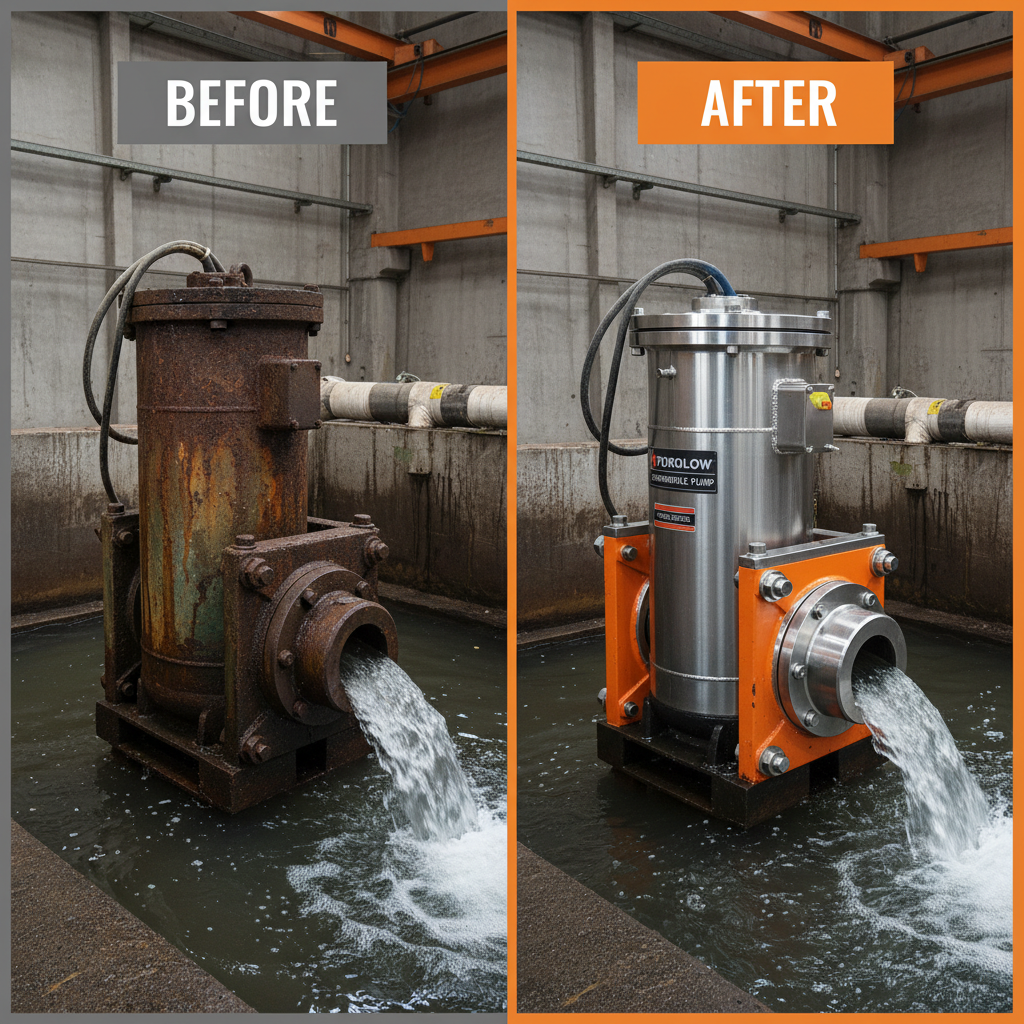 Understanding the Price Submersible Pump and Buyer GuideWhen searching for the ideal water management solution, understanding the price submersible pump options is crucial for balancing budget with performance. Whether you are dealing with a flooded basement, managing agricultural irrigation, or extracting water from a deep well, the cost of a submersible pump can vary significantly based on its build quality and capacity. Investing in a high-quality pump ensures long-term reliability and reduces the frequency of expensive replacements. In this guide, we will break down the factors that influence pricing and help you make an informed decision for your specific needs.Detail
 -
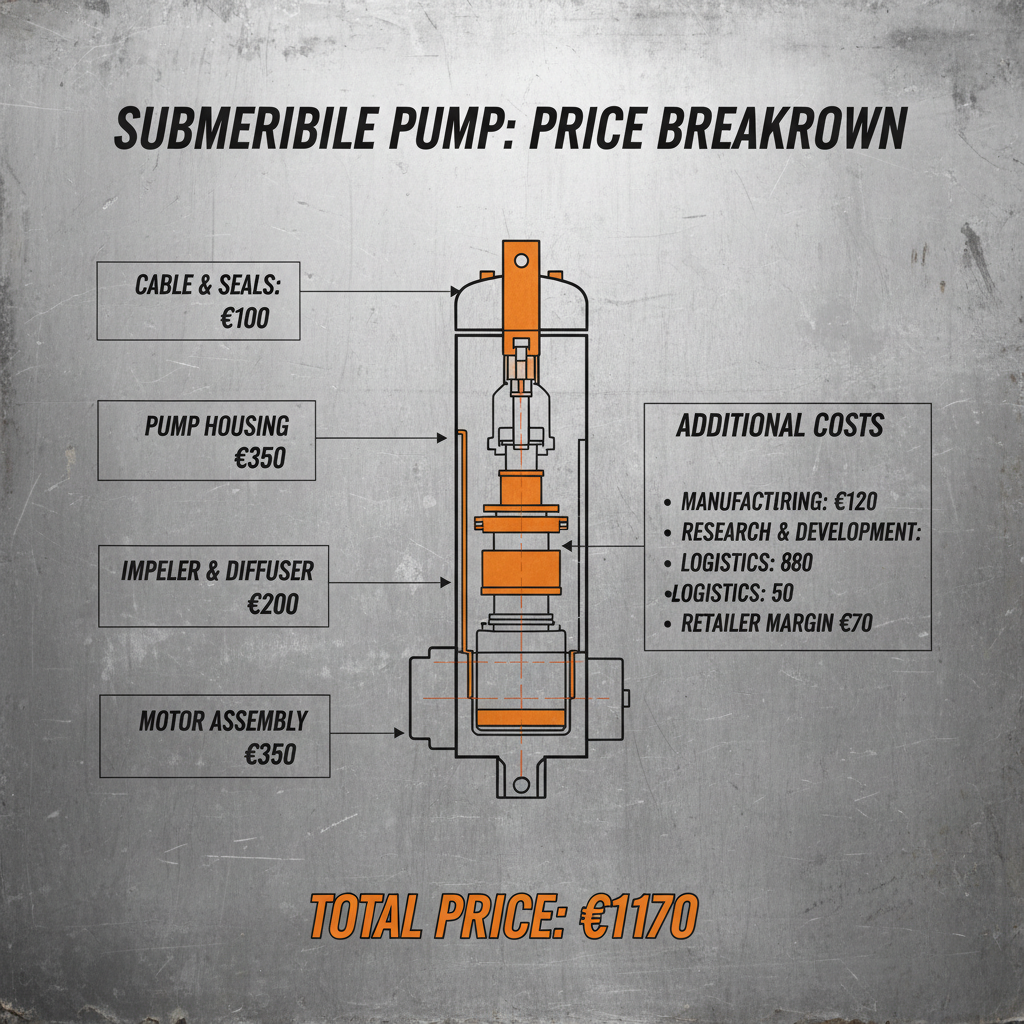 Factors Affecting the Price for Submersible Pump a Buyers GuideWhen investing in water management systems, understanding the price for submersible pump options is essential for balancing performance with budget. Whether you are managing a residential well, an industrial drainage project, or agricultural irrigation, the cost of a pump is rarely a flat fee; it is a reflection of the engineering, materials, and capacity required for your specific environment. In this guide, we will break down the factors that influence pricing and help you determine the best value for your investment to ensure long-term reliability and efficiency.Detail
 -
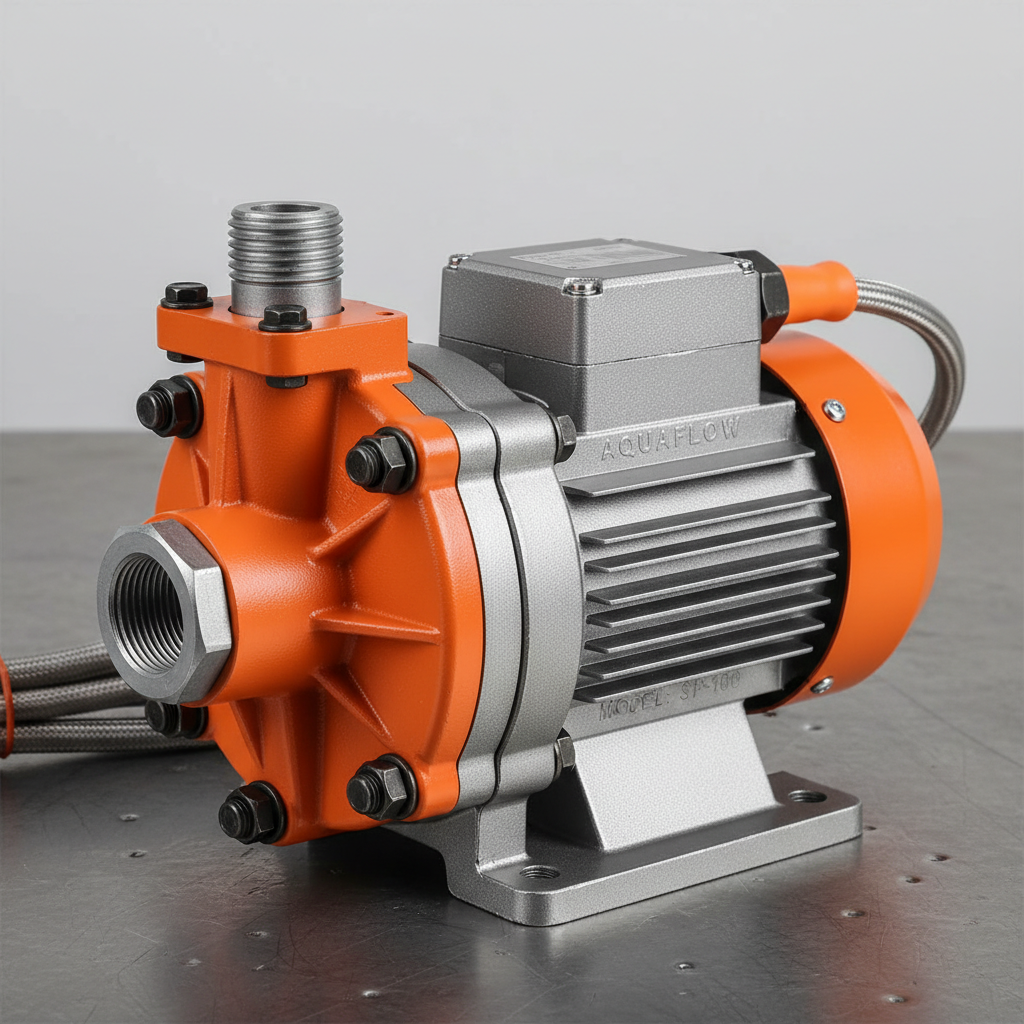 Choosing the Right Mini Submersible Fountain Pump for Optimal Water Feature PerformanceCreating a beautiful and relaxing water feature doesn't have to be complicated. A mini submersible fountain pump is the heart of any indoor or outdoor fountain, and selecting the right one is crucial for optimal performance and longevity. This article will guide you through the key considerations when choosing a mini submersible fountain pump, covering types, features, applications, and how to ensure you get the perfect pump for your project. We’ll also explore how Wellpumpact can provide you with the ideal solution.Detail
 Afrikaans
 Albanian
 Amharic
 Arabic
 Armenian
 Azerbaijani
 Basque
 Belarusian
 Bengali
 Bosnian
 Bulgarian
 Catalan
 Cebuano
 Corsican
 Croatian
 Czech
Czech
 Danish
 Dutch
Dutch
 Esperanto
 Estonian
 Finnish
 French
 Frisian
 Galician
 Georgian
 German
 Greek
Greek
 Gujarati
 Haitian Creole
 Hausa
Hausa
 Hawaiian
 Hebrew
 Hindi
Hindi
 Miao
Miao
 Hungarian
 Icelandic
 Igbo
Igbo
 Indonesian
 Irish
Irish
 Italian
 Japanese
 Javanese
 Kannada
 Kazakh
 Khmer
Khmer
 Rwandese
 Korean
 Kurdish
 Kyrgyz
 Lao
Lao
 Latin
Latin
 Latvian
 Lithuanian
 Luxembourgish
 Macedonian
 Malgashi
 Malay
Malay
 Malayalam
 Maltese
 Maori
Maori
 Marathi
 Mongolian
 Myanmar
 Nepali
 Norwegian
 Norwegian
 Occitan
 Pashto
 Persian
 Polish
 Portuguese
 Punjabi
 Romanian
 Russian
 Samoan
 Scottish Gaelic
 Serbian
 Sesotho
 Shona
Shona
 Sindhi
 Sinhala
 Slovak
 Slovenian
 Somali
 Spanish
 Sundanese
 Swahili
 Swedish
 Tagalog
 Tajik
Tajik
 Tamil
Tamil
 Tatar
Tatar
 Telugu
 Thai
Thai
 Turkish
 Turkmen
 Ukrainian
 Urdu
Urdu
 Uighur
 Uzbek
Uzbek
 Vietnamese
 Welsh
Welsh
 Bantu
Bantu
 Yiddish
 Yoruba
 Zulu
Zulu
 English