
Nov . 21, 2025 06:30 Back to list
Reliable Submersible Trash Pumps for Industry & Disaster Relief | WellPump Act
Understanding Submersible Trash Pumps: Why They Matter Worldwide
Submersible trash pumps might not be the most glamorous topic at a dinner party, but these machines quietly keep industries running and communities safe around the globe. Essentially, a submersible trash pump is designed to move water containing solids — Think sludge, debris, or waste — efficiently and reliably. As urbanization, environmental challenges, and emergencies multiply worldwide, understanding these pumps becomes crucial. They serve as unsung heroes during floods, in wastewater treatment, and in construction sites where traditional pumps simply cannot cope.
At their core, submersible trash pumps combine technical durability with adaptability. This intersection shapes how entire industries manage waterborne waste and tackle serious flooding risks. So while most of us might take water management for granted, these pumps play a big role behind curtains—in humanitarian aid, infrastructure maintenance, and environmental restoration.
Global Context: Tackling Water Management Challenges
Globally, water contamination and flooding affect billions each year. For instance, reports by the United Nations Water Agency reveal that rapidly increasing urban populations in Asia and Africa demand flexible and reliable water pumping solutions to prevent disaster and protect sanitation.
Meanwhile, industrial growth pushes wastewater volumes up sharply. Here, submersible trash pumps fill a niche, moving dirty water that contains solids, from sand to rags, without clogging or breakdown. The World Bank has also highlighted increasing flood risks due to climate change and urban sprawl, making fast, robust pumping systems more sought after globally.
So really, these pumps are addressing a huge challenge: how to keep water clear and flowing when debris and environmental factors try to clog the system. Without them? Well, infrastructure fails, communities flood, diseases spread.
What Is a Submersible Trash Pump?
In simple terms, a submersible trash pump is a device placed underwater to pump liquid with suspended solids. Unlike regular pumps, which often clog or have to stay dry, these pumps sit right in the thick of things—often wastewater, slurry, or floodwater—and keep operating. They use rugged impellers that can handle waste matter like leaves, sticks, even small rocks.
They’re a kind of workhorse in municipal water treatment, construction dewatering, mining, and emergency flood response. The pump’s seal design and motor protection keep it running underwater for extended periods. And the submersible nature means fewer hoses, less weight on surface equipment, and generally a better fit for tricky conditions.
Submersible trash pump tech really merges industrial strength with practical needs, making them indispensable somewhere between traditional water pumps and exotic heavy machinery.Core Components That Make Them Tick
1. Durability
These pumps are often built from cast iron, stainless steel, or other corrosion-resistant materials to endure harsh conditions including abrasive solids and corrosive fluids. Durability keeps maintenance costs lower and uptime higher, critical in emergency or industrial settings.
2. Solids Handling
A key feature is the pump’s ability to pass solids of specific sizes without clogging. Common sizes range from 1 inch to several inches. Engineers optimize impeller design—vortex or semi-vortex—to balance flow rate and solids passage.
3. Power & Efficiency
Power ratings can vary widely, from small portable 2 HP units to massive 75 HP machines for heavy-duty mining or municipal use. Efficiency matters since these pumps often run continuously under tough load, affecting energy consumption and costs.
4. Portability & Scalability
Compact models support fast deployment in disaster zones, while larger fixed pumps serve long-term municipal projects. Some modern designs include modular components for easier transport, repair, or capacity upgrades.
5. Seal & Motor Protection
Submersion requires airtight seals and water-cooled motors. Failure here means catastrophic damage. Many models offer double mechanical seals and thermal protections to avoid motor burnout.
Mini Takeaway
Durability, solids handling, power, portability, and protective features aren’t just specs on paper—they mean the difference between a pump that locks up under pressure and one that keeps towns dry or industrial sites safe.
Real-World Uses: Where Submersible Trash Pumps Shine
- Disaster Relief: In the aftermath of hurricanes or floods, these pumps rapidly dewater streets, basements, and temporary shelters, reducing stagnant water that fuels disease.
- Municipal Wastewater Plants: Handling sewer solids and sludge, removing debris that would wreck ordinary pumps.
- Mining & Construction: Dewatering pits and trenches, moving slurry with embedded solids.
- Agriculture & Irrigation: Pumping water laden with organic debris or sediment from canals or reservoirs.
- Industrial Facilities: Managing wastewater and discharge streams safely and effectively.
It's interesting how regions prone to flooding—like Bangladesh or the Gulf Coast in the U.S.—rely heavily on these pumps to reduce downtime and protect livelihoods. Meanwhile, mining hubs in Australia and Chile depend on tough pumps to keep operations running in remote places.
Product Specification Table: Example Mid-Range Submersible Trash Pump
| Feature | Specification |
|---|---|
| Motor Power | 10 HP (7.5 kW) |
| Max Flow Rate | 900 gallons per minute (GPM) |
| Max Solids Passage | 2 inches (50 mm) |
| Material | Cast Iron Impeller & Housing |
| Weight | 160 lbs (72.5 kg) |
| Seal Type | Double Mechanical Seal |
| Cable Length | 25 feet (7.6 meters) |
Comparing Leading Submersible Trash Pump Vendors
| Vendor | Product Range | Unique Strength | Approx. Price Range (USD) |
|---|---|---|---|
| PumpCo Industrial | 2 - 75 HP pumps | Extended seal life technology | $4,000 - $35,000 |
| AquaForce Pumps | Compact to heavy-duty units | Lightweight and portable options | $3,000 - $25,000 |
| EcoDrain Solutions | Environmental grade pumps | Energy-efficient motor systems | $5,000 - $40,000 |
What Advantages Do These Pumps Offer?
When you break it down, submersible trash pumps deliver much more than just moving dirty water:
- Cost Efficiency: Reduced downtime and fewer repairs mean money saved over the lifespan.
- Sustainability: Many newer models run quieter and more energy-efficiently — a win for green projects.
- Social Impact: In floods, they’re lifesavers, preventing waterborne illnesses by swift drainage.
- Reliability: Tough design minimizes failures even in harsh and abrasive environments.
- Peace of Mind: Knowing that your water-handling equipment won’t jam or fail under pressure is… frankly priceless in high-stakes situations.
What’s Next? Future Trends in Submersible Trash Pumps
There’s some exciting stuff on the horizon. Engineers are experimenting with lightweight composite materials to cut pump weight without sacrificing durability. IoT and remote monitoring technologies are gently creeping in, allowing operators in municipal plants or disaster sites to get real-time feedback on pump health and flow rates — no need to slog around in muck checking manually.
Other innovations include integrating solar power or hybrid systems to operate these pumps in places where power is erratic or unavailable. Maybe one day, fully autonomous wastewater sites powered by AI will run pumps seamlessly—even in the middle of nowhere.
Challenges and How to Overcome Them
That said, submersible trash pumps aren’t without issues. Abrasive solids can wear out parts unexpectedly. Heavy sludge can thicken and reduce flow. Power supply in remote areas might be unstable. But better seal technologies, modular parts for easy swapping, and smarter maintenance schedules help address these.
Many engineers also emphasize the importance of proper sizing and matching pump specs to the exact job. Oversizing wastes power; undersizing clogs easily. So, a bit of upfront planning saves a headache (or worse) later.
FAQ: Answers to Common Questions About Submersible Trash Pumps
Q1: How do you choose the right submersible trash pump for a construction site?
A1: Consider solids size, flow rate, motor power, and the nature of water (abrasive, corrosive?). Also, assess portability if frequent moves are needed. Vendor specifications and onsite testing go a long way in picking the best match.
Q2: What maintenance does a submersible trash pump require?
A2: Regular seal inspections, cleaning impellers, and checking motor bearings are key. Also, monitor cable integrity and electrical connections. Preventative care reduces downtime often more than waiting for breakdowns.
Q3: Can these pumps run dry?
A3: Generally, no. Running dry risks overheating and seal damage. Many models include dry-run protection sensors to avoid costly failures.
Q4: Are submersible trash pumps environmentally friendly?
A4: Modern pumps are increasingly designed for energy efficiency and reduced noise pollution. Plus, by preventing flooding and keeping wastewater managed properly, they contribute indirectly to environmental health.
Wrapping It Up: Why Submersible Trash Pumps Are Worth Knowing About
In real terms, the humble submersible trash pump quietly solves big, complex challenges from the frontlines of disaster relief to heavy industrial operations around the world. Their blend of durability, adaptability, and efficiency keeps critical systems flowing and crises at bay.
If you’re in infrastructure, environmental management, or emergency services, these pumps are definitely worth a closer look. For those interested, visit our website for a deeper dive into the latest models and practical advice tailored to your needs.
In short: knowing your pumps isn’t just technical trivia—it could be what keeps a city dry or a plant running when it counts.
References
-
Understanding the Price Submersible Pump and Buyer Guide
NewsApr.16,2026
-
Factors Affecting the Price for Submersible Pump a Buyers Guide
NewsApr.09,2026
-
Choosing the Right Mini Submersible Fountain Pump for Optimal Water Feature Performance
NewsApr.07,2026
-
A Detailed Guide to Installing a Submersible Pump for Optimal Performance
NewsApr.04,2026
-
Comprehensive Guide on How to Test a Submersible Water Well Pump Effectively
NewsMar.31,2026
-
Learn How to Replace a Submersible Well Pump Safely and Effectively
NewsMar.28,2026
-
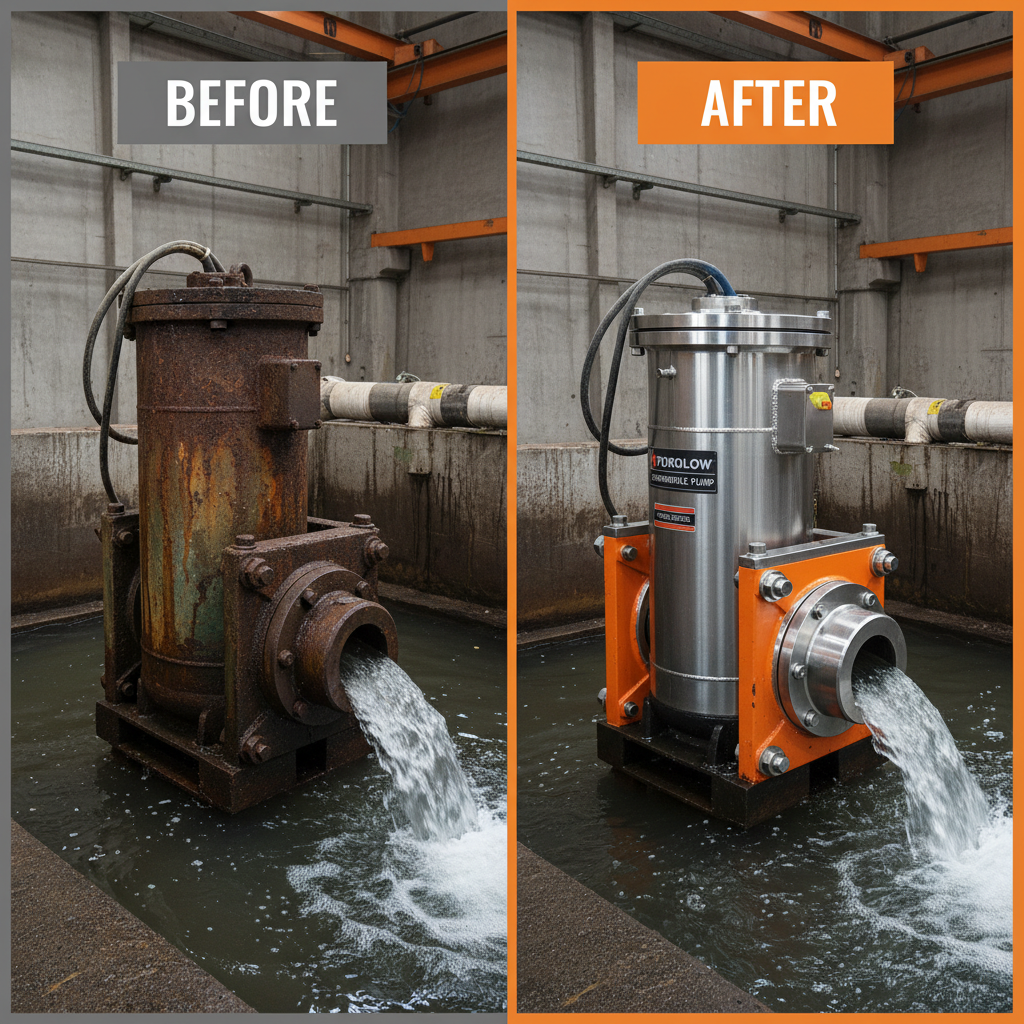 Understanding the Price Submersible Pump and Buyer GuideWhen searching for the ideal water management solution, understanding the price submersible pump options is crucial for balancing budget with performance. Whether you are dealing with a flooded basement, managing agricultural irrigation, or extracting water from a deep well, the cost of a submersible pump can vary significantly based on its build quality and capacity. Investing in a high-quality pump ensures long-term reliability and reduces the frequency of expensive replacements. In this guide, we will break down the factors that influence pricing and help you make an informed decision for your specific needs.Detail
 -
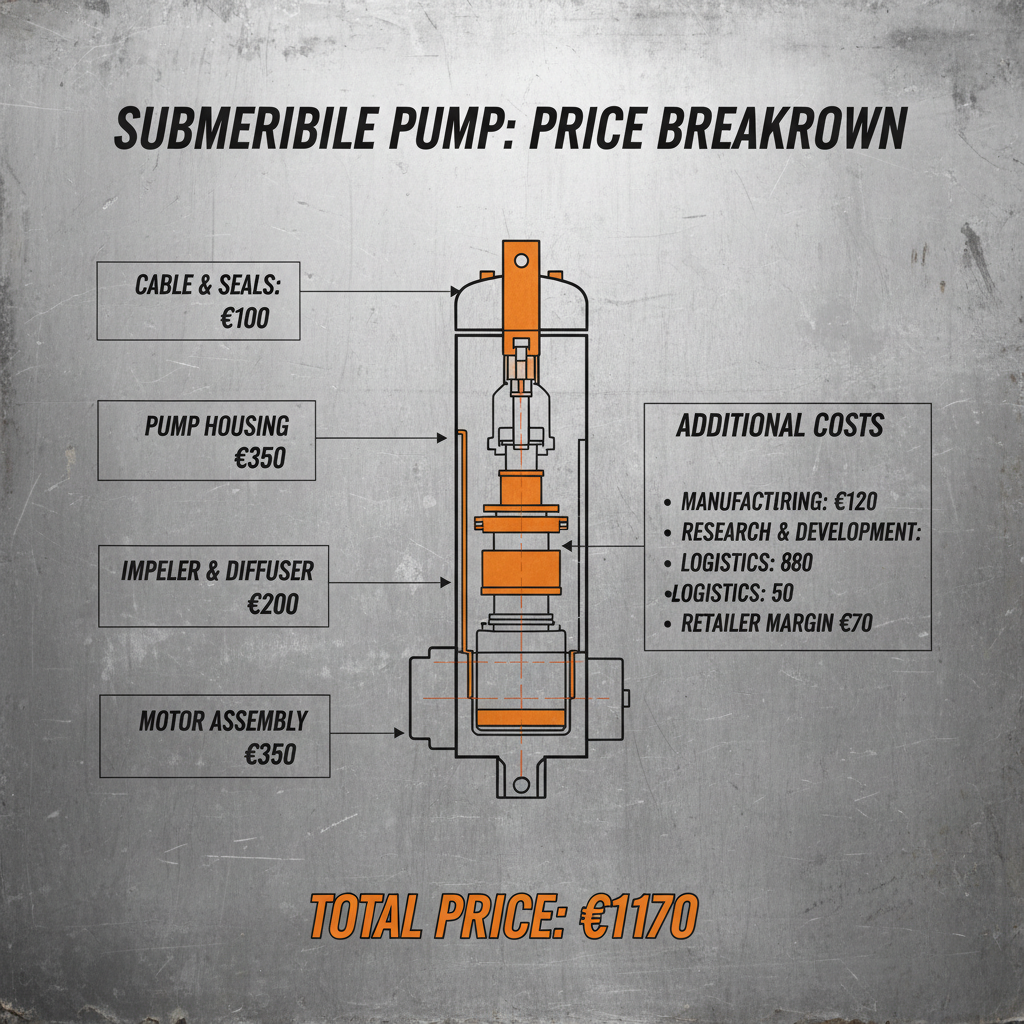 Factors Affecting the Price for Submersible Pump a Buyers GuideWhen investing in water management systems, understanding the price for submersible pump options is essential for balancing performance with budget. Whether you are managing a residential well, an industrial drainage project, or agricultural irrigation, the cost of a pump is rarely a flat fee; it is a reflection of the engineering, materials, and capacity required for your specific environment. In this guide, we will break down the factors that influence pricing and help you determine the best value for your investment to ensure long-term reliability and efficiency.Detail
 -
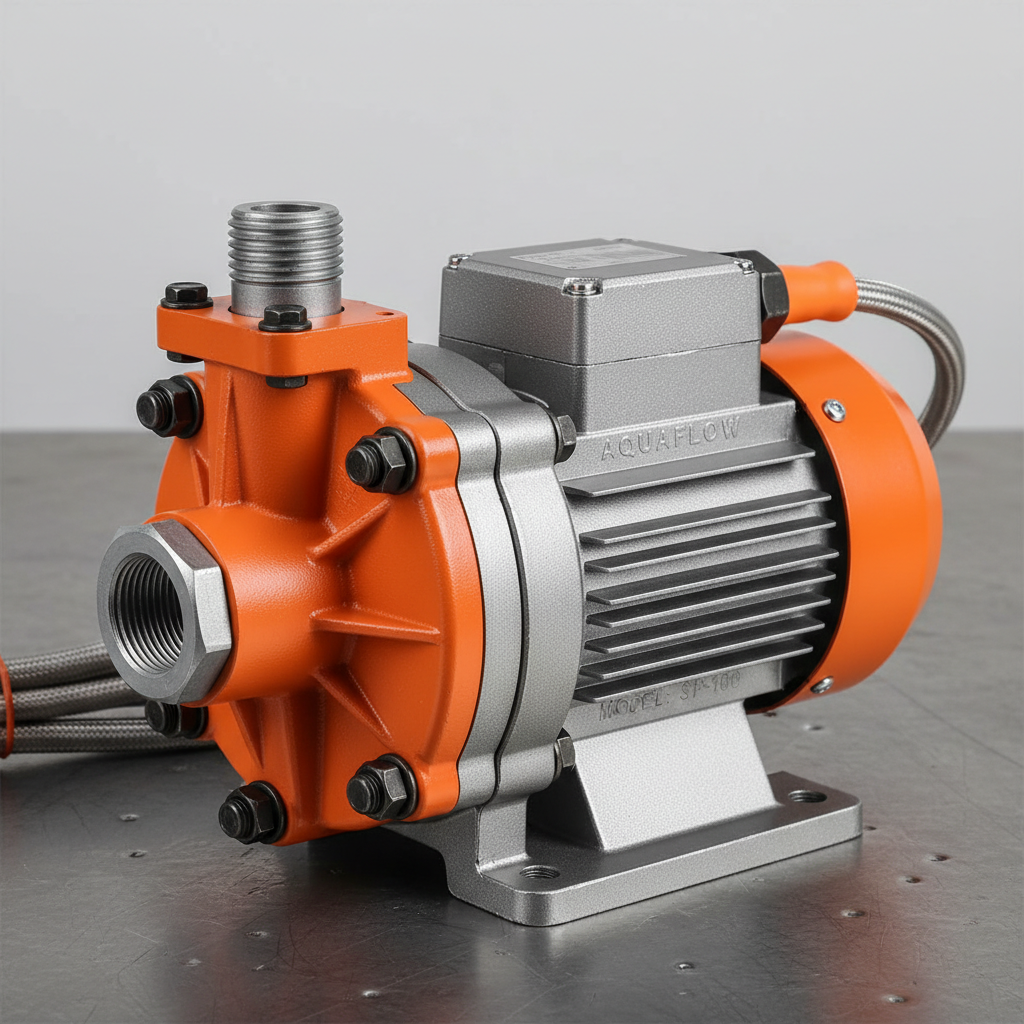 Choosing the Right Mini Submersible Fountain Pump for Optimal Water Feature PerformanceCreating a beautiful and relaxing water feature doesn't have to be complicated. A mini submersible fountain pump is the heart of any indoor or outdoor fountain, and selecting the right one is crucial for optimal performance and longevity. This article will guide you through the key considerations when choosing a mini submersible fountain pump, covering types, features, applications, and how to ensure you get the perfect pump for your project. We’ll also explore how Wellpumpact can provide you with the ideal solution.Detail
 Afrikaans
 Albanian
 Amharic
 Arabic
 Armenian
 Azerbaijani
 Basque
 Belarusian
 Bengali
 Bosnian
 Bulgarian
 Catalan
 Cebuano
 Corsican
 Croatian
 Czech
Czech
 Danish
 Dutch
Dutch
 Esperanto
 Estonian
 Finnish
 French
 Frisian
 Galician
 Georgian
 German
 Greek
Greek
 Gujarati
 Haitian Creole
 Hausa
Hausa
 Hawaiian
 Hebrew
 Hindi
Hindi
 Miao
Miao
 Hungarian
 Icelandic
 Igbo
Igbo
 Indonesian
 Irish
Irish
 Italian
 Japanese
 Javanese
 Kannada
 Kazakh
 Khmer
Khmer
 Rwandese
 Korean
 Kurdish
 Kyrgyz
 Lao
Lao
 Latin
Latin
 Latvian
 Lithuanian
 Luxembourgish
 Macedonian
 Malgashi
 Malay
Malay
 Malayalam
 Maltese
 Maori
Maori
 Marathi
 Mongolian
 Myanmar
 Nepali
 Norwegian
 Norwegian
 Occitan
 Pashto
 Persian
 Polish
 Portuguese
 Punjabi
 Romanian
 Russian
 Samoan
 Scottish Gaelic
 Serbian
 Sesotho
 Shona
Shona
 Sindhi
 Sinhala
 Slovak
 Slovenian
 Somali
 Spanish
 Sundanese
 Swahili
 Swedish
 Tagalog
 Tajik
Tajik
 Tamil
Tamil
 Tatar
Tatar
 Telugu
 Thai
Thai
 Turkish
 Turkmen
 Ukrainian
 Urdu
Urdu
 Uighur
 Uzbek
Uzbek
 Vietnamese
 Welsh
Welsh
 Bantu
Bantu
 Yiddish
 Yoruba
 Zulu
Zulu
 English