
Dec . 02, 2025 16:16 Back to list
Comprehensive Guide to 50mm Submersible Pumps: Global Applications & Benefits
Understanding the 50mm Submersible Pump: A Global Perspective
When we talk about water management, irrigation, or even disaster relief, few tools are as essential as the 50mm submersible pump. But why focus on this particular size and type of pump? Well, 50mm submersible pumps strike a balance between portability and power, offering reliability in a variety of situations from farming fields in Kenya to urban construction sites in Asia. Grasping what they do—and why they're so widely used—can illuminate how crucial they are to many industries and humanitarian efforts worldwide.
Globally, water scarcity affects over 2 billion people, according to the United Nations. Efficient water extraction and distribution technologies directly impact agriculture, industry, and safe drinking water access. That's where pumps like the 50mm submersible come in: compact, adaptable, and effective. So, let's dive deeper into what these pumps offer.
What is a 50mm Submersible Pump?
At its core, a 50mm submersible pump is a device designed to operate underwater, pushing water from below ground or beneath a surface to wherever it's needed. The “50mm” refers to the pump’s diameter—the size of the intake pipe—which directly influences flow rate and compatibility with different pipe networks.
Submersible pumps are sealed to prevent water damage to the motor and electrical components, making them great for wells, boreholes, and applications that demand immersion. You'll find these pumps underpinning modern irrigation systems, mining operations, and emergency water removal tasks.
Core Components and Key Factors
1. Durability and Material Quality
Because these pumps spend their lives submerged, material choice matters a lot. Stainless steel and high-grade plastics are standard to prevent corrosion and withstand sediment. I’ve noticed that pumps with reinforced casings last notably longer in abrasive environments.
2. Power and Flow Rate
A 50mm diameter allows a decent range of flow rates—from a few hundred liters per hour to several thousand—depending on motor power. This makes them flexible for light to moderate volume pumping needs.
3. Energy Efficiency
Modern 50mm submersible pumps are designed to maximize output while minimizing power consumption. In rural or off-grid installations, having an energy-efficient pump can mean the difference between sustainable operation or frequent breakdowns.
4. Portability and Installation
Smaller diameter translates to easier handling and quicker installation. This makes the 50mm version popular in remote areas where heavy equipment access is limited. The pumps can be deployed swiftly, sometimes by just two people.
5. Scalability & Modularity
Operators often combine multiple 50mm pumps or swap parts to match evolving needs. This modularity reduces downtime and maintenance costs.
Global Applications of 50mm Submersible Pumps
In places like India, farmers rely on these pumps to irrigate small to medium-sized fields during dry seasons. In Africa, NGOs often deploy them in emergency wells after floods or droughts. Oddly enough, even urban construction sites use them to dewater excavations and manage groundwater inflows.
Take, for example, a recent relief effort after Cyclone Idai in Mozambique, where 50mm submersible pumps were part of water access kits delivered to remote villages. Their light weight and reliability meant that clean water distribution resumed faster than expected.
Advantages & Long-Term Value
- Cost-Effective: Compared to larger pumps, 50mm submersible models are affordable and have servicing costs that don't break the bank.
- Reliability: Sealed motors and rugged materials ensure these pumps keep going—even in tough, sandy, or muddy water.
- Environmental Impact: When paired with solar panels or variable frequency drives, these pumps support sustainable water management.
- Social Impact: Reliable water access uplifts communities, improving health and enabling local economies.
From a user perspective, there’s something reassuring about equipment you can trust day-after-day—it feels like a small but steadfast partner.
Technical Specifications of a Typical 50mm Submersible Pump
| Specification | Details |
|---|---|
| Diameter | 50 mm |
| Max Flow Rate | Up to 5,000 liters/hour |
| Max Head (height) | Up to 60 meters |
| Power Supply | Single or three-phase electrical power, Solar compatible options |
| Materials | Stainless steel housing, high-grade impellers |
Vendor Comparison: Leading 50mm Submersible Pumps
| Brand | Power (kW) | Flow Rate (L/hr) | Price Range (USD) | Warranty |
|---|---|---|---|---|
| AquaFlow | 0.75 - 1.1 | 3,000 - 5,000 | $350 - $550 | 2 years |
| HydroMax | 0.5 - 1.0 | 2,800 - 4,500 | $320 - $500 | 1.5 years |
| EcoPump | 0.8 - 1.2 | 3,200 - 5,200 | $370 - $600 | 3 years |
Future Trends & Innovations
Looking ahead, the evolution of 50mm submersible pumps includes integration with smart sensors, enabling remote monitoring to catch performance drops before failures occur. Solar-powered submersibles are becoming more accessible, promising greener solutions in remote areas. Materials science continues advancing, too—nanocoatings and composite alloys help fight corrosion and abrasion even more effectively.
Challenges & Solutions
While these pumps are versatile, some limitations remain. For example, they can clog when pumping sediment-heavy water, especially if filters are poorly maintained. Experts suggest adopting simple pre-filters or even self-cleaning impellers to mitigate this. Oh, and power supply instability can be a real pain, so pairing the pump with uninterruptible power sources or solar backups helps keep operations steady.
FAQ About 50mm Submersible Pumps
- Q: How deep can a 50mm submersible pump be deployed?
A: Typically, these pumps can operate down to depths of 60 meters, though exact depth depends on motor specifications and cable length. Always verify with manufacturer guidelines. - Q: Are 50mm submersible pumps suitable for saltwater?
A: Standard models should avoid saltwater exposure unless specifically designed with corrosion-resistant materials. For marine use, opt for pumps labeled “marine-grade.” - Q: What maintenance routines keep these pumps reliable?
A: Regular inspection of seals, electrical connections, and impellers is key. Cleaning sediment filters monthly, especially in muddy water, prolongs lifespan. - Q: Can these pumps run continuously for long periods?
A: Yes, many are rated for continuous operation, but thermal protection is vital to prevent overheating. Always confirm duty cycle specs with the manufacturer.
Conclusion
In essence, the 50mm submersible pump offers a compact, adaptable, and dependable solution that resonates in multiple industries around the world. From enhancing agricultural productivity to supporting disaster relief—its value is hard to overstate.
If you want to explore suitable models or get expert advice on integrating these pumps into your setup, visit our website anytime. You’ll find a wealth of resources and support to help you get the best from your investment.
Mini takeaway: The 50mm submersible pump isn’t just a tool; it’s a versatile piece of infrastructure quietly securing water access and livelihoods globally.
References:
-
Understanding the Price Submersible Pump and Buyer Guide
NewsApr.16,2026
-
Factors Affecting the Price for Submersible Pump a Buyers Guide
NewsApr.09,2026
-
Choosing the Right Mini Submersible Fountain Pump for Optimal Water Feature Performance
NewsApr.07,2026
-
A Detailed Guide to Installing a Submersible Pump for Optimal Performance
NewsApr.04,2026
-
Comprehensive Guide on How to Test a Submersible Water Well Pump Effectively
NewsMar.31,2026
-
Learn How to Replace a Submersible Well Pump Safely and Effectively
NewsMar.28,2026
-
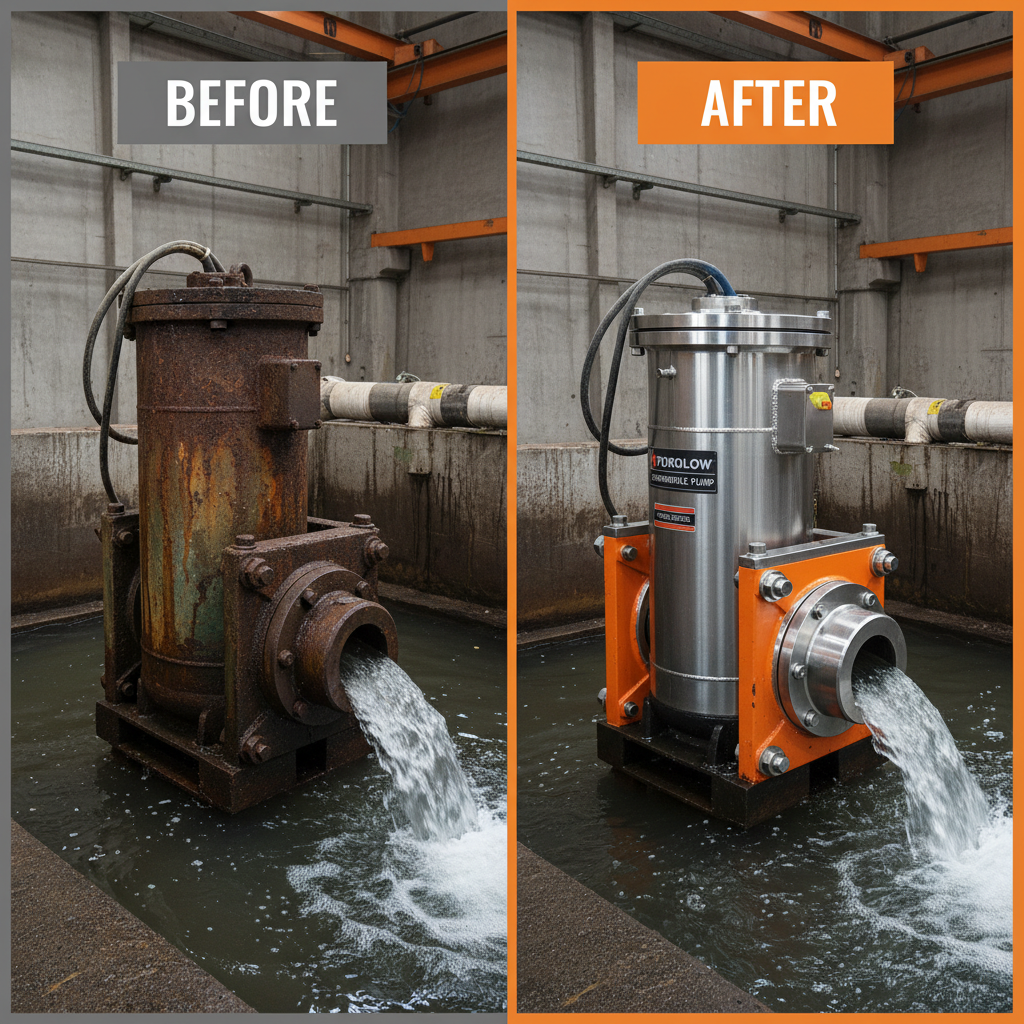 Understanding the Price Submersible Pump and Buyer GuideWhen searching for the ideal water management solution, understanding the price submersible pump options is crucial for balancing budget with performance. Whether you are dealing with a flooded basement, managing agricultural irrigation, or extracting water from a deep well, the cost of a submersible pump can vary significantly based on its build quality and capacity. Investing in a high-quality pump ensures long-term reliability and reduces the frequency of expensive replacements. In this guide, we will break down the factors that influence pricing and help you make an informed decision for your specific needs.Detail
 -
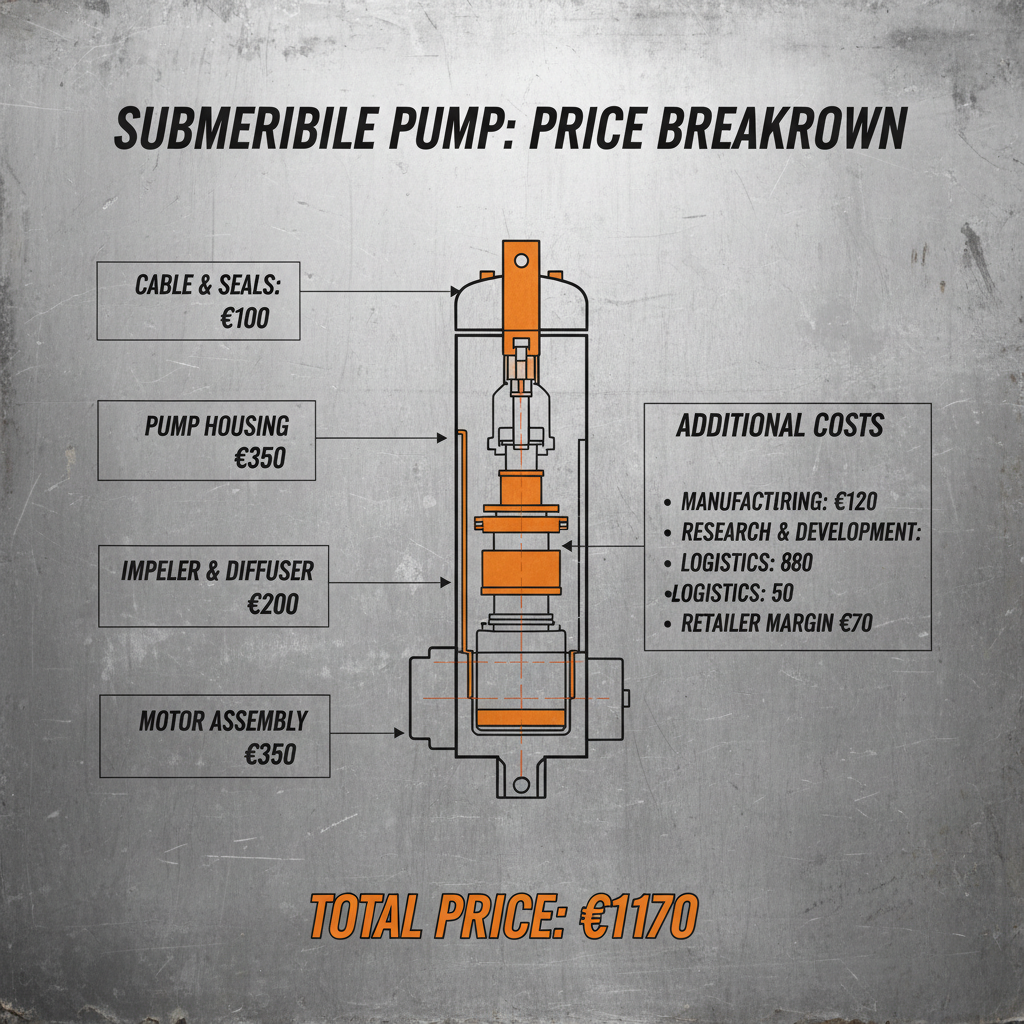 Factors Affecting the Price for Submersible Pump a Buyers GuideWhen investing in water management systems, understanding the price for submersible pump options is essential for balancing performance with budget. Whether you are managing a residential well, an industrial drainage project, or agricultural irrigation, the cost of a pump is rarely a flat fee; it is a reflection of the engineering, materials, and capacity required for your specific environment. In this guide, we will break down the factors that influence pricing and help you determine the best value for your investment to ensure long-term reliability and efficiency.Detail
 -
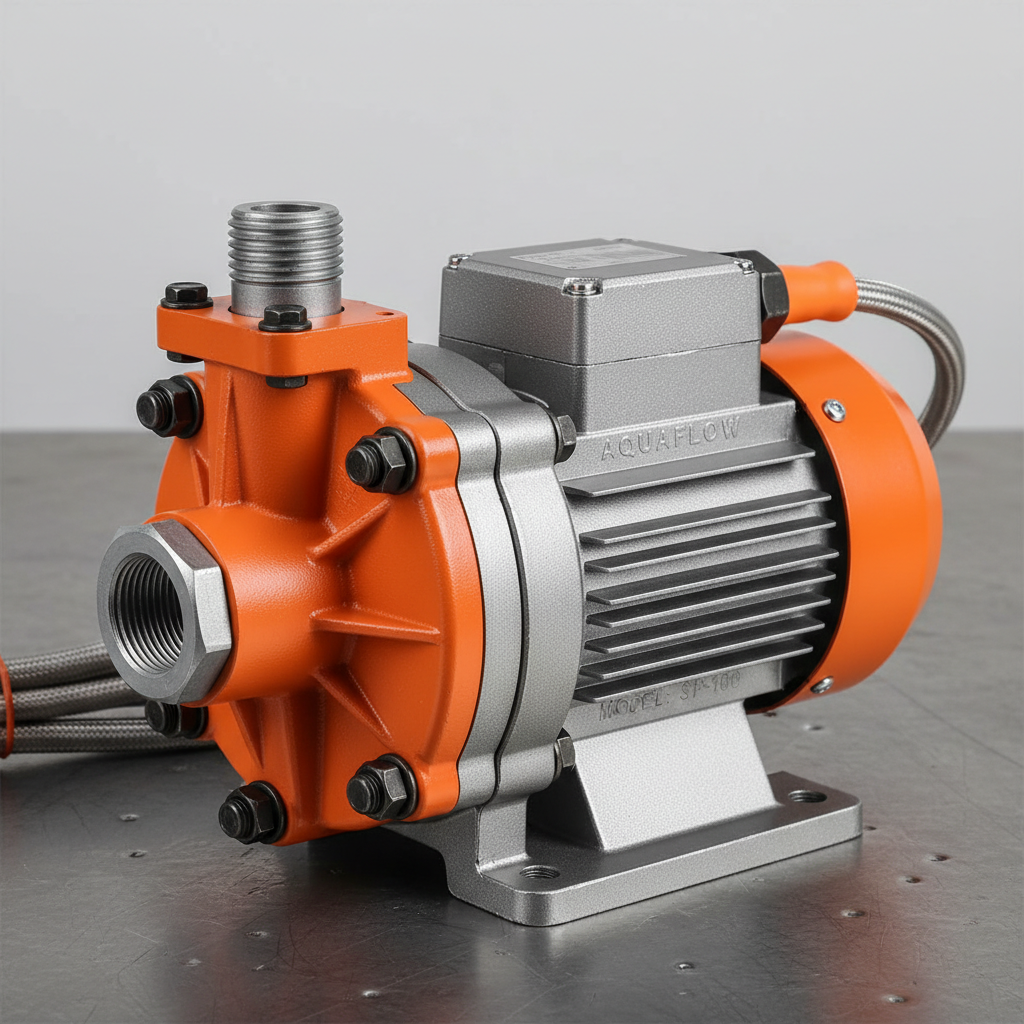 Choosing the Right Mini Submersible Fountain Pump for Optimal Water Feature PerformanceCreating a beautiful and relaxing water feature doesn't have to be complicated. A mini submersible fountain pump is the heart of any indoor or outdoor fountain, and selecting the right one is crucial for optimal performance and longevity. This article will guide you through the key considerations when choosing a mini submersible fountain pump, covering types, features, applications, and how to ensure you get the perfect pump for your project. We’ll also explore how Wellpumpact can provide you with the ideal solution.Detail
 Afrikaans
 Albanian
 Amharic
 Arabic
 Armenian
 Azerbaijani
 Basque
 Belarusian
 Bengali
 Bosnian
 Bulgarian
 Catalan
 Cebuano
 Corsican
 Croatian
 Czech
Czech
 Danish
 Dutch
Dutch
 Esperanto
 Estonian
 Finnish
 French
 Frisian
 Galician
 Georgian
 German
 Greek
Greek
 Gujarati
 Haitian Creole
 Hausa
Hausa
 Hawaiian
 Hebrew
 Hindi
Hindi
 Miao
Miao
 Hungarian
 Icelandic
 Igbo
Igbo
 Indonesian
 Irish
Irish
 Italian
 Japanese
 Javanese
 Kannada
 Kazakh
 Khmer
Khmer
 Rwandese
 Korean
 Kurdish
 Kyrgyz
 Lao
Lao
 Latin
Latin
 Latvian
 Lithuanian
 Luxembourgish
 Macedonian
 Malgashi
 Malay
Malay
 Malayalam
 Maltese
 Maori
Maori
 Marathi
 Mongolian
 Myanmar
 Nepali
 Norwegian
 Norwegian
 Occitan
 Pashto
 Persian
 Polish
 Portuguese
 Punjabi
 Romanian
 Russian
 Samoan
 Scottish Gaelic
 Serbian
 Sesotho
 Shona
Shona
 Sindhi
 Sinhala
 Slovak
 Slovenian
 Somali
 Spanish
 Sundanese
 Swahili
 Swedish
 Tagalog
 Tajik
Tajik
 Tamil
Tamil
 Tatar
Tatar
 Telugu
 Thai
Thai
 Turkish
 Turkmen
 Ukrainian
 Urdu
Urdu
 Uighur
 Uzbek
Uzbek
 Vietnamese
 Welsh
Welsh
 Bantu
Bantu
 Yiddish
 Yoruba
 Zulu
Zulu
 English