
Dec . 01, 2025 05:30 Back to list
Large Submersible Water Pump Solutions for Sustainable Water Management
Unlocking the Power of Large Submersible Water Pumps: Why It Matters Worldwide
Water – the essence of life – sometimes hides beneath the earth, and retrieving it efficiently is a huge challenge. Large submersible water pumps stand as pivotal tools in this quest, quietly powering irrigation, municipal supplies, industrial needs, and emergency relief across the globe. Grasping the ins and outs of these persistent workhorses not only opens doors for improved water management but also shines a light on sustainable development, economic growth, and even humanitarian aid.
In a world facing water scarcity, increasing urban demands, and climate unpredictability, understanding how large submersible water pumps operate and improve water accessibility is more than just technical trivia—it's crucial.
Global Context: The Growing Demand for Reliable Water Pumping Solutions
You don’t need to scroll far in recent UN reports or World Bank statistics to realize water demand worldwide is skyrocketing. With roughly 2.2 billion people lacking safely managed drinking water at home (UNICEF, 2023), the pressure on water extraction and distribution systems has never been higher.
Large submersible water pumps are front-runners in meeting this challenge. From lowering groundwater in sprawling urban centers to pumping water for irrigation in agriculture-heavy regions of Asia and Africa, these heavy-duty machines are essential. Yet, traditional pumping solutions often falter under tough terrain, fluctuating water levels, and energy constraints.
That’s where submersibles shine—they go deep, operate under tricky conditions, and tackle massive volumes of water with efficiency. Plus, their sealed motor design makes them less prone to breakdowns—an essential feature when downtime equates to lost productivity or worse, a public health crisis.
What Exactly Is a Large Submersible Water Pump?
Simply put, a large submersible water pump is a powerful device submerged directly in water to move large volumes from deep wells, reservoirs, or flooded areas. Unlike surface pumps that pull water up, submersibles push water from below, optimizing energy use and minimizing cavitation (that pesky air bubble problem).
They consist primarily of a hermetically sealed motor close-coupled to the pump housing. This configuration reduces noise, improves performance, and keeps the electrical components dry — which frankly makes all the difference.
These pumps aren’t just industrial wonders; they’re vital for humanitarian efforts, such as disaster response and rural water supply, where infrastructure is lacking but water access is critical.
Core Components and Key Factors of Effective Large Submersible Water Pumps
1. Durability
These pumps often function in harsh environments — think muddy wells, salty seawater, or debris-laden floodwaters. Stainless steel casing, corrosion-resistant coatings, and robust mechanical seals help ensure long life despite adversity.
2. Scalability
Whether drawing a few hundred gallons per minute or tens of thousands, pumps come in a range of sizes and capacities. Many engineers appreciate modular designs that can be scaled up or combined to match fluctuating demands.
3. Energy Efficiency
With rising electricity costs and sustainability goals, energy-efficient motors and optimized impeller designs are must-haves. Some advanced models even incorporate variable frequency drives (VFDs) for smart, adaptive operation.
4. Ease of Maintenance
An accessible design minimizes downtime. Quick disconnects, standard parts, and remote monitoring options help maintenance teams keep pumps humming without major hassle or expense.
5. Cost Effectiveness
Given upfront costs, operators weigh lifespan and OPEX carefully. A slightly pricier unit with better efficiency and durability often trumps cheaper, short-term models in overall value.
Product Specification Comparison
| Feature | Model A | Model B | Model C |
|---|---|---|---|
| Max Flow Rate (m³/h) | 1000 | 1500 | 2000 |
| Power (kW) | 75 | 110 | 150 |
| Max Head (m) | 150 | 200 | 250 |
| Material | Stainless Steel | Titanium Alloy | Stainless Steel |
| Installation Depth (m) | 50 | 80 | 100 |
Global Applications & Real-World Use Cases
When it comes to practical use, large submersible water pumps don't just sit in labs or factory floors—they're actively reshaping landscapes and livelihoods.
- Disaster Relief: Rapid deployment pumps drain flooded urban areas after hurricanes or monsoons, restoring critical infrastructure swiftly. Witness the flood relief efforts in Southeast Asia where thousands of these pumps saved homes and lives.
- Agriculture: In arid zones like parts of India and the Sahel region, these pumps support large-scale irrigation, turning marginal lands productive and helping feed millions.
- Mining and Industry: Deep mining operations rely on submersible pumps to remove vast amounts of groundwater, enabling extraction while minimizing hazards.
- Municipal Water Supply: Urban centers in Latin America and Africa use these pumps to access deep aquifers, ensuring consistent water access despite growing populations.
One interesting story I came across involved a remote Cambodian village where installing a large submersible pump increased clean water availability by 70%, drastically reducing waterborne illnesses over a two-year period.
The Advantages & Long-Term Value of Large Submersible Pumps
Let’s face it—cost considerations often put high-tech solutions at a premium. Yet, when it comes to large submersible water pumps, you get more than initial savings; you get resilience, trust, and sustainability.
- Cost-Effectiveness: Reliable performance over decades reduces maintenance and replacement cycles.
- Sustainability: Energy-efficient designs lower carbon footprints, aligning with environmental goals.
- Social Impact: Access to clean water improves health, education outcomes, and community dignity.
- Reliability: Sealed motor units and rugged build cut downtime drastically—even in tough conditions.
Frankly, I noticed many operators swear by these pumps because they rarely fail when it matters most—kind of a quiet hero scenario.
What’s Next? Emerging Trends & Innovations in Water Pumping
Technology never stands still, and large submersible water pumps are no exception. The future looks bright with:
- Green Energy Integration: Solar-powered pumps are gaining traction, especially in off-grid rural areas, slashing energy costs.
- Digital Monitoring & Automation: IoT sensors now enable predictive maintenance, real-time performance tracking, and even remote troubleshooting.
- Advanced Materials: Composite and corrosion-resistant alloys extend service life further while reducing weight.
- Policy & Regulation: ISO standards on energy efficiency and water extraction support more sustainable practices worldwide.
These trends hint at pumps that not only function smarter but also adapt fluidly to changing water crises and business needs.
Overcoming Challenges: What’s Holding Us Back?
Even the best tech isn’t without flaws. Common challenges include:
- High Initial Investment: Especially for large-scale projects where budgets are tight.
- Energy Infrastructure: Remote areas often lack reliable power, limiting pump operation.
- Maintenance Expertise: Skilled technicians aren’t always available locally.
- Water Quality: Solid debris and sediment can cause wear or clogging.
Solutions range from financing programs to build capacity, training local technicians, integrating renewable power sources, and designing pumps with sediment-handling capabilities. For instance, vendors often now offer turnkey packages that include on-site training and remote support to reduce operational hurdles.
Vendor Landscape: How Do Suppliers Stack Up?
| Feature | PumpCorp | AquaForce | WaterWorks |
|---|---|---|---|
| Product Range | Wide (up to 2500 m³/h) | Medium (up to 1800 m³/h) | Niche (specialty deep well) |
| Energy Efficiency Certifications | IE3 Motors | IE2 Motors | IE3 Motors |
| After-Sales Support | 24/7 Remote & On-site | Business Hours Only | Limited Remote Support |
| Warranty | 5 Years | 3 Years | 4 Years |
Frequently Asked Questions About Large Submersible Water Pumps
- How deep can large submersible water pumps operate reliably?
- Depending on the model and motor power, they typically function well at depths up to 100-250 meters. Specialized units can go even deeper when designed for specific applications.
- What kind of maintenance do these pumps require?
- Routine inspections focus on motor seals, impeller wear, and electrical connections. Many modern pumps include sensors to alert operators about issues before major failures.
- Can large submersible pumps work efficiently in areas without grid electricity?
- Yes! Many models are now compatible with solar or hybrid power systems, making them ideal for remote or off-grid locations.
- What materials are best for corrosion resistance?
- Stainless steel is standard, but titanium alloys and coated composites provide extra protection against aggressive water conditions, extending lifespan.
- Are these pumps customizable for unique industrial needs?
- Absolutely. Vendors often offer bespoke impellers, varied motor ratings, and control systems tailored to specific site requirements.
Conclusion: Investing in a Sustainable Water Future
In real terms, large submersible water pumps are quietly anchoring water security worldwide. Their blend of power, reliability, and innovation makes them indispensable for industries, communities, and emergency responders alike.
If you're exploring solutions to upgrade your water management systems or looking to deepen well water extraction, visiting us at large submersible water pump could be the first step toward smarter infrastructure and greater resilience.
References
-
Understanding the Price Submersible Pump and Buyer Guide
NewsApr.16,2026
-
Factors Affecting the Price for Submersible Pump a Buyers Guide
NewsApr.09,2026
-
Choosing the Right Mini Submersible Fountain Pump for Optimal Water Feature Performance
NewsApr.07,2026
-
A Detailed Guide to Installing a Submersible Pump for Optimal Performance
NewsApr.04,2026
-
Comprehensive Guide on How to Test a Submersible Water Well Pump Effectively
NewsMar.31,2026
-
Learn How to Replace a Submersible Well Pump Safely and Effectively
NewsMar.28,2026
-
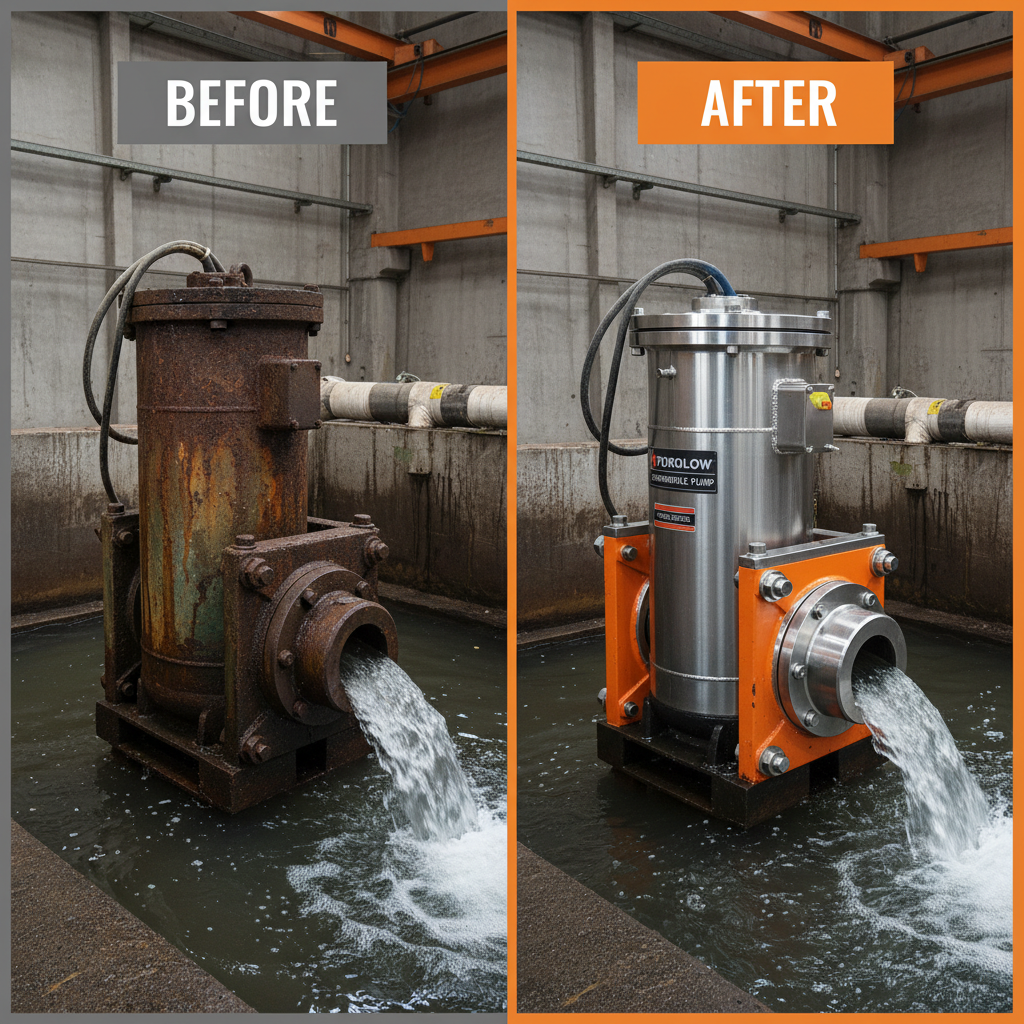 Understanding the Price Submersible Pump and Buyer GuideWhen searching for the ideal water management solution, understanding the price submersible pump options is crucial for balancing budget with performance. Whether you are dealing with a flooded basement, managing agricultural irrigation, or extracting water from a deep well, the cost of a submersible pump can vary significantly based on its build quality and capacity. Investing in a high-quality pump ensures long-term reliability and reduces the frequency of expensive replacements. In this guide, we will break down the factors that influence pricing and help you make an informed decision for your specific needs.Detail
 -
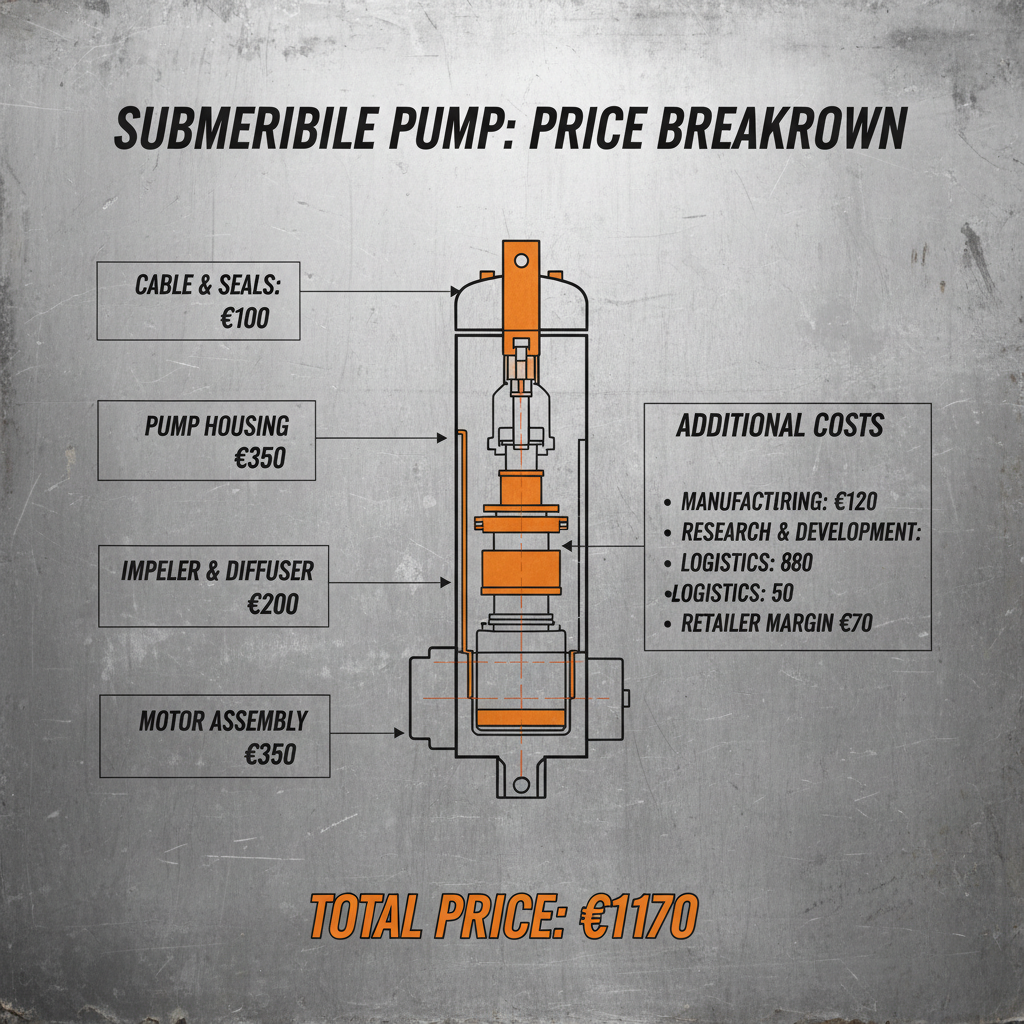 Factors Affecting the Price for Submersible Pump a Buyers GuideWhen investing in water management systems, understanding the price for submersible pump options is essential for balancing performance with budget. Whether you are managing a residential well, an industrial drainage project, or agricultural irrigation, the cost of a pump is rarely a flat fee; it is a reflection of the engineering, materials, and capacity required for your specific environment. In this guide, we will break down the factors that influence pricing and help you determine the best value for your investment to ensure long-term reliability and efficiency.Detail
 -
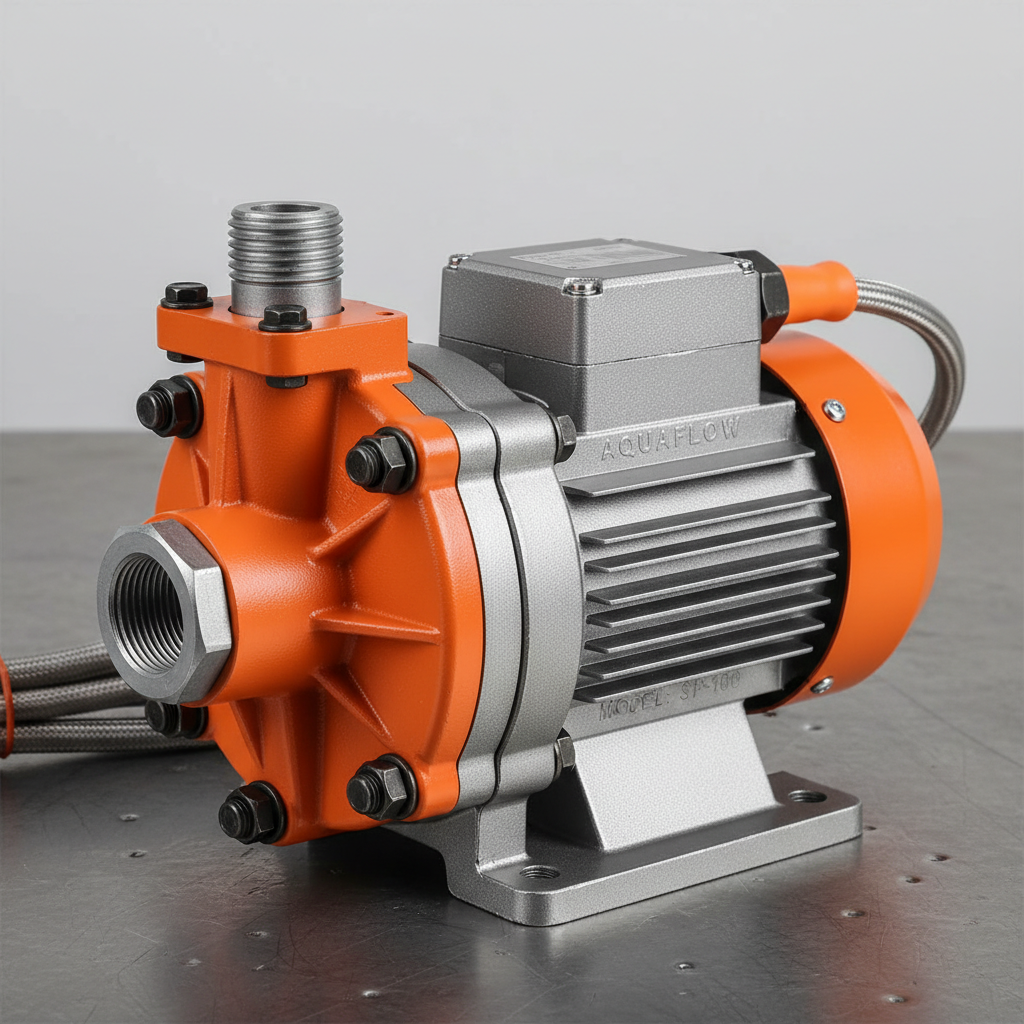 Choosing the Right Mini Submersible Fountain Pump for Optimal Water Feature PerformanceCreating a beautiful and relaxing water feature doesn't have to be complicated. A mini submersible fountain pump is the heart of any indoor or outdoor fountain, and selecting the right one is crucial for optimal performance and longevity. This article will guide you through the key considerations when choosing a mini submersible fountain pump, covering types, features, applications, and how to ensure you get the perfect pump for your project. We’ll also explore how Wellpumpact can provide you with the ideal solution.Detail
 Afrikaans
 Albanian
 Amharic
 Arabic
 Armenian
 Azerbaijani
 Basque
 Belarusian
 Bengali
 Bosnian
 Bulgarian
 Catalan
 Cebuano
 Corsican
 Croatian
 Czech
Czech
 Danish
 Dutch
Dutch
 Esperanto
 Estonian
 Finnish
 French
 Frisian
 Galician
 Georgian
 German
 Greek
Greek
 Gujarati
 Haitian Creole
 Hausa
Hausa
 Hawaiian
 Hebrew
 Hindi
Hindi
 Miao
Miao
 Hungarian
 Icelandic
 Igbo
Igbo
 Indonesian
 Irish
Irish
 Italian
 Japanese
 Javanese
 Kannada
 Kazakh
 Khmer
Khmer
 Rwandese
 Korean
 Kurdish
 Kyrgyz
 Lao
Lao
 Latin
Latin
 Latvian
 Lithuanian
 Luxembourgish
 Macedonian
 Malgashi
 Malay
Malay
 Malayalam
 Maltese
 Maori
Maori
 Marathi
 Mongolian
 Myanmar
 Nepali
 Norwegian
 Norwegian
 Occitan
 Pashto
 Persian
 Polish
 Portuguese
 Punjabi
 Romanian
 Russian
 Samoan
 Scottish Gaelic
 Serbian
 Sesotho
 Shona
Shona
 Sindhi
 Sinhala
 Slovak
 Slovenian
 Somali
 Spanish
 Sundanese
 Swahili
 Swedish
 Tagalog
 Tajik
Tajik
 Tamil
Tamil
 Tatar
Tatar
 Telugu
 Thai
Thai
 Turkish
 Turkmen
 Ukrainian
 Urdu
Urdu
 Uighur
 Uzbek
Uzbek
 Vietnamese
 Welsh
Welsh
 Bantu
Bantu
 Yiddish
 Yoruba
 Zulu
Zulu
 English