
Nov . 30, 2025 11:35 Back to list
Understanding Submersible Condensate Pumps: Efficiency and Innovation in HVAC
What’s a Submersible Condensate Pump and Why Should You Care?
In the vast world of HVAC (heating, ventilation, and air conditioning) and industrial fluid management, the humble submersible condensate pump plays a quiet but vital role. You might not notice it humming away beneath your office building’s cooling tower or tucked inside a remote data center’s condensate reservoir, but this device is crunching away, ensuring water is moved efficiently without fuss or failure. Globally, these pumps underpin better energy efficiency, reduce maintenance headaches, and tackle wastewater management with a finesse that’s often overlooked. For engineers, facility managers, and industrial users alike, understanding the nuances of the submersible condensate pump unlocks benefits in reliability, sustainability, and cost savings.
Why the World Needs Reliable Submersible Condensate Pumps
Across the globe, energy consumption linked to building cooling systems accounts for roughly 15% of electricity use in commercial sectors (IEA, 2023). Managing the moisture that these cooling and dehumidification systems generate is essential to keep efficiency high and water damage low. According to ISO standards on water management and appliance safety, pumps that can handle condensate discharge without clogging, risk of leak, or excessive power use, become critical infrastructure. Moreover, in fast-growing urban centers like Southeast Asia and parts of Africa, where industrial and residential construction booms, small but resilient technologies like submersible condensate pumps address a key problem: condensate water buildup that can lead to mold, damage, and even system shutdown.
I suppose it’s one of those “invisible helpers” that you only think about once things go wrong — but when that happens, it’s glaringly obvious how important these pumps are.
So, What Exactly Is a Submersible Condensate Pump?
At its core, a submersible condensate pump is a device designed to sit directly in the liquid it’s pumping — specifically condensate water, which forms as a byproduct of cooling and dehumidification. Unlike typical surface-mounted pumps, these models are sealed against water intrusion and often compact so they can fit into cramped or concealed spaces without fuss.
Most commonly, they remove excess condensate from HVAC systems, refrigeration units, or industrial cooling towers, channeling it to drainage points or recovery tanks. On a broader scale, their function contributes to maintaining indoor air quality and protecting sensitive equipment in modern buildings — which is something any facilities manager will quietly appreciate when confronted with mold or water damage.
Key Traits That Make Submersible Condensate Pumps Tick
Durability Underwater
These pumps are built to withstand constant immersion. Their sealed motor housings resist corrosion and electrical shorts — a lifesaver in damp mechanical rooms where water exposure is a daily hazard.
Compact Design for Tight Spots
Often, space is at a premium in HVAC closets or industrial cabinets. These pumps come in varied sizes but remain compact enough to squeeze into tiny drip pans or condensate basins.
Automatic Operation
Most units include built-in sensors to turn the pump on or off depending on water level — meaning they run only when needed. This saves energy and prevents unnecessary motor wear.
Quiet Performance
While they’re underwater, audible noise matters — especially in office or hospital environments. Many engineers say finding a pump that runs silently is a priority but not always easy.
Energy Efficiency
Energy consumption per gallon of water pumped might seem trivial, but across thousands of square feet of commercial real estate, it adds up. Many new pumps adopt energy-saving motors or variable speed operation.
Ease of Maintenance
Since clogs or wear can lead to downtime, good pumps come with accessible parts or self-cleaning components to reduce service calls.
Mini takeaway: When choosing a submersible condensate pump, focus on where it’ll work — the conditions, noise limits, and space available — along with reliability to avoid surprise failures.
Where in the World Are These Pumps Making a Splash?
You’ll find submersible condensate pumps quietly supporting infrastructure everywhere from bustling urban skyscrapers in New York to remote industrial sites in northern Canada. In places like Southeast Asia, these pumps help manage moisture in humid climates where mold growth is a constant threat. Meanwhile, humanitarian organizations working in disaster zones rely on submersible pumps to remove pooled water from temporary shelters' HVAC systems, keeping indoor spaces livable.
Industrial zones employing complex cooling systems — think large-scale manufacturing or data centers — use these pumps to protect sensitive equipment by ensuring swift removal of condensate water.
Oddly enough, even in some green buildings, innovative designs recycle condensate water for non-potable uses, with submersible condensate pumps gently guiding that water along.
A Quick Look at Typical Submersible Condensate Pump Specifications
| Specification | Typical Range | Notes |
|---|---|---|
| Maximum Flow Rate | 5 – 35 GPH (gallons per hour) | Varies by model size |
| Lift Height | 10 – 25 feet | Depends on pump power |
| Power Consumption | 15 – 50 watts | Energy efficient models available |
| Noise Level | Quiet operation for sensitive environments | |
| Operating Temperature | 32°F - 140°F (0°C - 60°C) | Suitable for most HVAC condensate scenarios |
Comparing Popular Submersible Condensate Pump Vendors
| Brand | Price Range | Warranty | Unique Feature | Best For |
|---|---|---|---|---|
| PumpCo UltraFlow | $120 - $180 | 3 years | Corrosion-resistant stainless steel housing | Commercial offices |
| GreenPump EcoSilent | $150 - $210 | 5 years | Ultra-low energy draw, whisper quiet | Hospitals, libraries |
| AquaFlow Compact | $90 - $140 | 2 years | Smallest footprint, easy install | Residential HVAC units |
Long-Term Value and Benefits of Submersible Pumps
The tangible perks include not just the obvious—like efficient condensate removal and minimal maintenance—but some less obvious ones as well. For example, efficient condensate management reduces risks of mold, which can have serious health implications (CDC, 2021). On an emotional level, building occupants and business owners gain peace of mind from knowing that water buildup won’t cause interruptions or expensive repairs. Reliability also translates to trust in your facility’s infrastructure — something you only really appreciate after a close call with a failed pump.
From a sustainability standpoint, many industry leaders are moving towards greener HVAC operations, where every watt saved contributes to carbon footprint reduction. Some newer submersible condensate pumps offer smart controls and connectivity, feeding performance data into building management systems for proactive upkeep (hello, future!).
The Road Ahead: Innovations Shaping Submersible Condensate Pumps
Emerging trends I’m watching include integration with IoT sensors for real-time diagnostics, reducing unexpected downtime with predictive alerts. Materials science is delivering tougher but lighter composites, which extend pump life and cut manufacturing emissions. Automation is increasing too; some models now have variable speed capabilities to align pumping effort perfectly with condensate volume, trimming energy consumption further. And from the environmental angle, circular economy principles encourage recycling materials and efficient condensate reuse, sometimes for greywater systems.
Challenges and Emerging Solutions
Of course, no product is perfect. Some pumps can clog on debris or scale buildup over time, especially in polluted or hard water environments. Others struggle with noise in ultra-quiet settings. Here’s where innovations like self-cleaning impellers, antimicrobial coatings, and vibration isolation mounts come in — clever upgrades that tackle those headaches head-on.
Plus, expert installers often recommend routine inspections and pairing pumps with effective filtration upstream to prolong lifespan — a bit of care that pays dividends.
FAQ: Your Top Questions on Submersible Condensate Pumps
- How do I know if my HVAC system needs a submersible condensate pump?
- If your system operates in locations where gravity drainage isn’t possible—like below drain level or long horizontal runs—a submersible condensate pump is often necessary. Signs include frequent water pooling or system shutdowns due to high condensate levels.
- Can submersible condensate pumps handle dirty or acidic water?
- Many are designed for clean or mildly acidic condensate typical of HVAC systems. However, for heavily contaminated fluids, special chemical-resistant or industrial models are recommended to prevent damage.
- What maintenance does a submersible condensate pump require?
- Regular inspection is key. This includes clearing debris from the sump, checking the float switch or sensor operation, and occasionally cleaning or replacing filters. Most pumps have accessible parts to make this straightforward.
- Are submersible condensate pumps energy efficient?
- Modern designs focus on low power consumption, often drawing under 50 watts during use. Pumps with auto shutoff and variable speed features enhance efficiency, useful for large-scale operations.
- Where can I buy reliable submersible condensate pumps?
- Reputable vendors include commercial HVAC suppliers and specialized pump manufacturers. Comparing warranty, aftersales support, and certification is important for long-term value. For example, check out models from submersible condensate pump vendors who specialize in commercial-grade units.
Summing It Up: Why a Quality Pump Matters
The submersible condensate pump may not be glamorous, but in a world where energy efficiency, sustainable building management, and system reliability are central, it’s a cornerstone piece of hardware. Its quiet diligence saves money, protects health, and reduces carbon footprints in ways that make a big difference over time.
Interested? Visit our website to explore a wide range of trusted options for your next project — submersible condensate pump.
References:
1. International Energy Agency (IEA), 2023, “Energy Use in Commercial Buildings.”
2. Centers for Disease Control and Prevention (CDC), 2021, “Health Effects of Mold Exposure.”
3. ISO 14001:2015 Environmental management systems — Requirements with guidance for use.
-
Understanding the Price Submersible Pump and Buyer Guide
NewsApr.16,2026
-
Factors Affecting the Price for Submersible Pump a Buyers Guide
NewsApr.09,2026
-
Choosing the Right Mini Submersible Fountain Pump for Optimal Water Feature Performance
NewsApr.07,2026
-
A Detailed Guide to Installing a Submersible Pump for Optimal Performance
NewsApr.04,2026
-
Comprehensive Guide on How to Test a Submersible Water Well Pump Effectively
NewsMar.31,2026
-
Learn How to Replace a Submersible Well Pump Safely and Effectively
NewsMar.28,2026
-
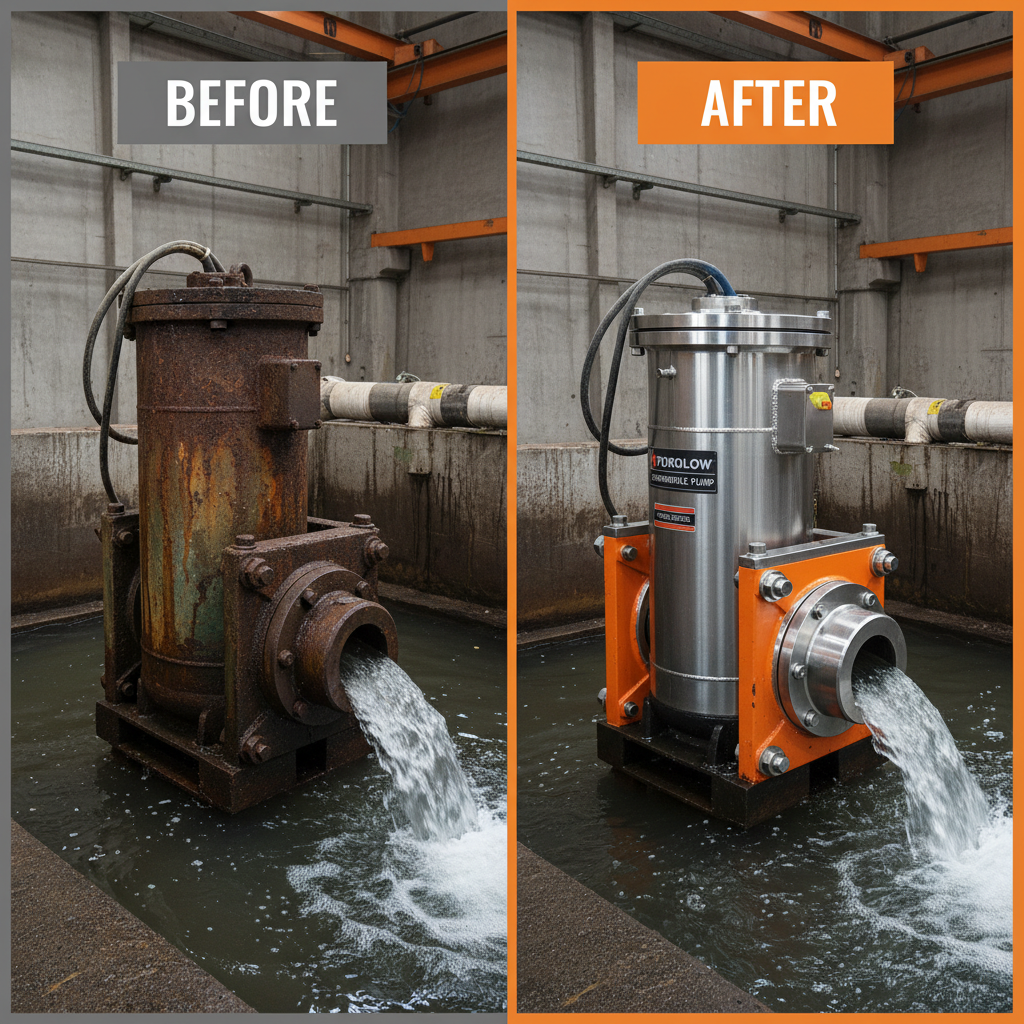 Understanding the Price Submersible Pump and Buyer GuideWhen searching for the ideal water management solution, understanding the price submersible pump options is crucial for balancing budget with performance. Whether you are dealing with a flooded basement, managing agricultural irrigation, or extracting water from a deep well, the cost of a submersible pump can vary significantly based on its build quality and capacity. Investing in a high-quality pump ensures long-term reliability and reduces the frequency of expensive replacements. In this guide, we will break down the factors that influence pricing and help you make an informed decision for your specific needs.Detail
 -
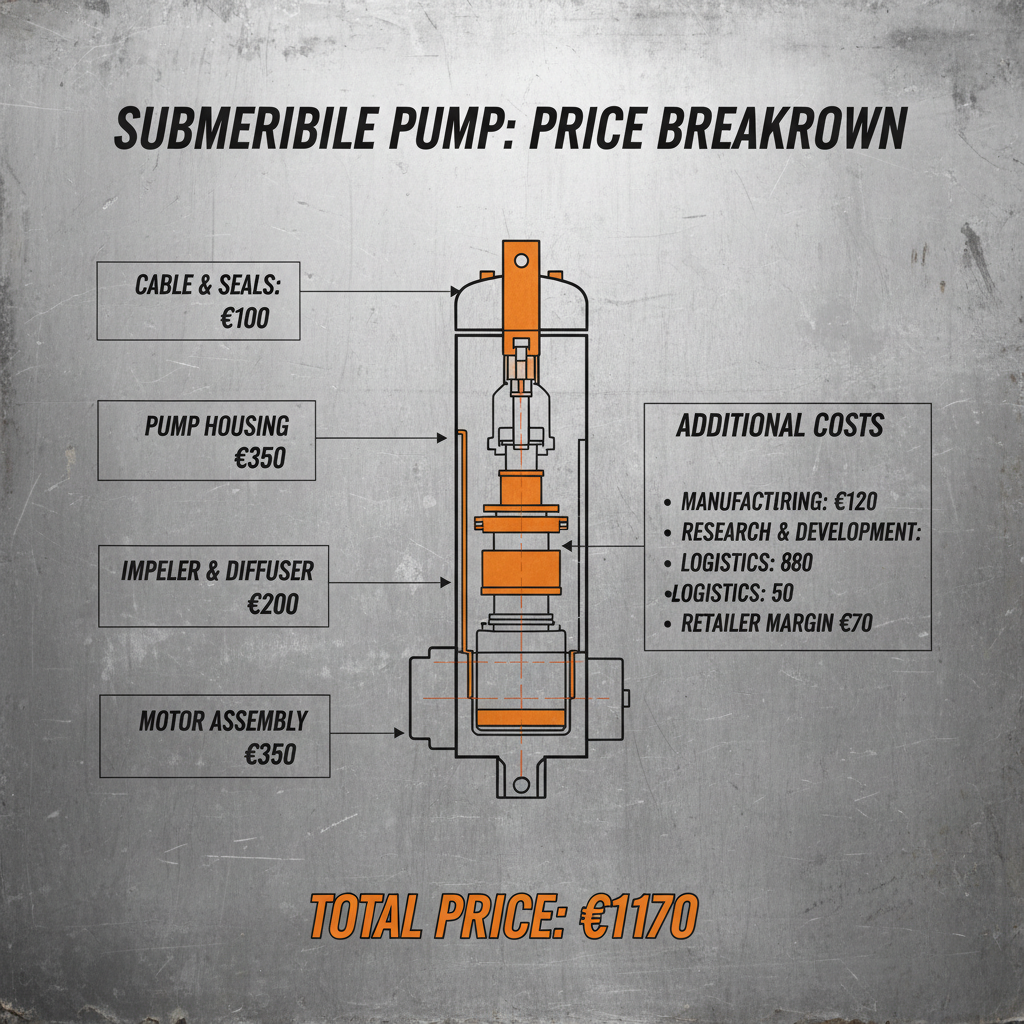 Factors Affecting the Price for Submersible Pump a Buyers GuideWhen investing in water management systems, understanding the price for submersible pump options is essential for balancing performance with budget. Whether you are managing a residential well, an industrial drainage project, or agricultural irrigation, the cost of a pump is rarely a flat fee; it is a reflection of the engineering, materials, and capacity required for your specific environment. In this guide, we will break down the factors that influence pricing and help you determine the best value for your investment to ensure long-term reliability and efficiency.Detail
 -
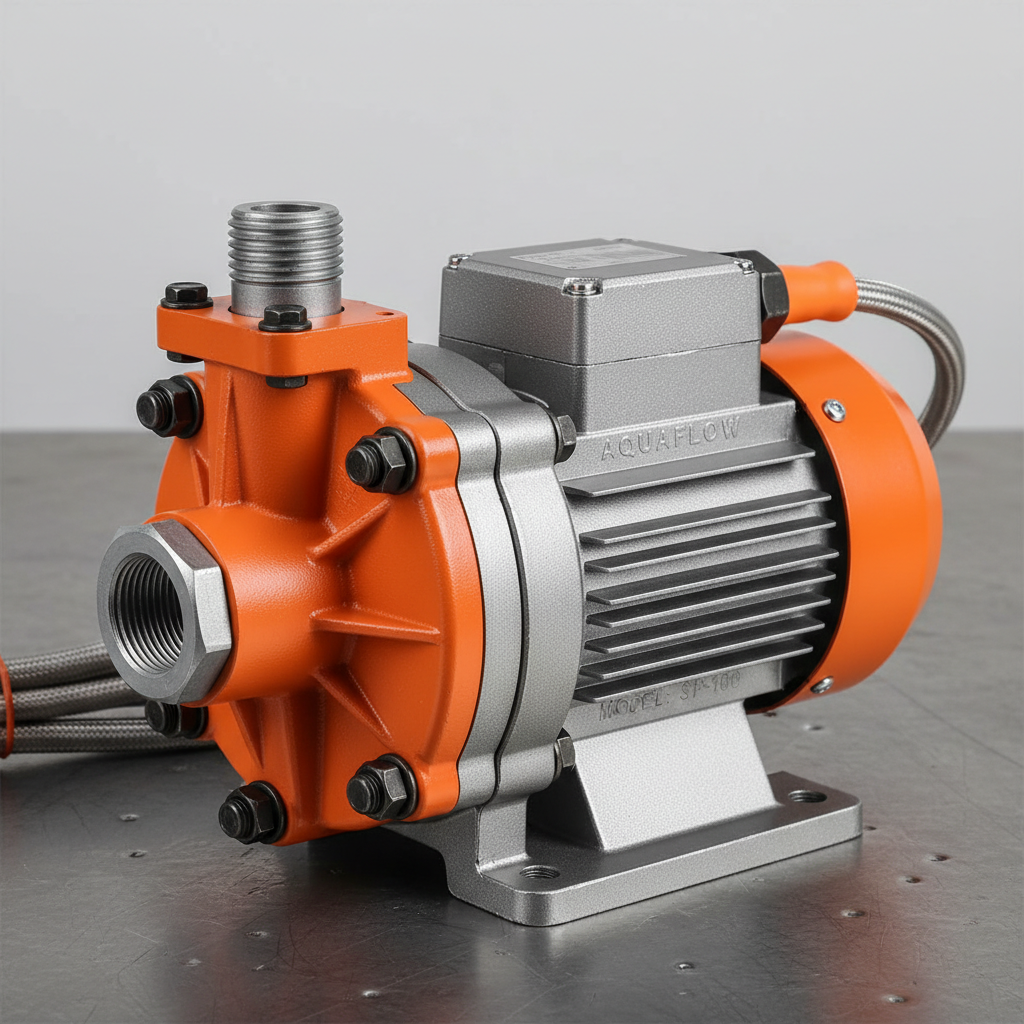 Choosing the Right Mini Submersible Fountain Pump for Optimal Water Feature PerformanceCreating a beautiful and relaxing water feature doesn't have to be complicated. A mini submersible fountain pump is the heart of any indoor or outdoor fountain, and selecting the right one is crucial for optimal performance and longevity. This article will guide you through the key considerations when choosing a mini submersible fountain pump, covering types, features, applications, and how to ensure you get the perfect pump for your project. We’ll also explore how Wellpumpact can provide you with the ideal solution.Detail
 Afrikaans
 Albanian
 Amharic
 Arabic
 Armenian
 Azerbaijani
 Basque
 Belarusian
 Bengali
 Bosnian
 Bulgarian
 Catalan
 Cebuano
 Corsican
 Croatian
 Czech
Czech
 Danish
 Dutch
Dutch
 Esperanto
 Estonian
 Finnish
 French
 Frisian
 Galician
 Georgian
 German
 Greek
Greek
 Gujarati
 Haitian Creole
 Hausa
Hausa
 Hawaiian
 Hebrew
 Hindi
Hindi
 Miao
Miao
 Hungarian
 Icelandic
 Igbo
Igbo
 Indonesian
 Irish
Irish
 Italian
 Japanese
 Javanese
 Kannada
 Kazakh
 Khmer
Khmer
 Rwandese
 Korean
 Kurdish
 Kyrgyz
 Lao
Lao
 Latin
Latin
 Latvian
 Lithuanian
 Luxembourgish
 Macedonian
 Malgashi
 Malay
Malay
 Malayalam
 Maltese
 Maori
Maori
 Marathi
 Mongolian
 Myanmar
 Nepali
 Norwegian
 Norwegian
 Occitan
 Pashto
 Persian
 Polish
 Portuguese
 Punjabi
 Romanian
 Russian
 Samoan
 Scottish Gaelic
 Serbian
 Sesotho
 Shona
Shona
 Sindhi
 Sinhala
 Slovak
 Slovenian
 Somali
 Spanish
 Sundanese
 Swahili
 Swedish
 Tagalog
 Tajik
Tajik
 Tamil
Tamil
 Tatar
Tatar
 Telugu
 Thai
Thai
 Turkish
 Turkmen
 Ukrainian
 Urdu
Urdu
 Uighur
 Uzbek
Uzbek
 Vietnamese
 Welsh
Welsh
 Bantu
Bantu
 Yiddish
 Yoruba
 Zulu
Zulu
 English