
Dec . 01, 2025 23:00 Back to list
Efficient & Durable 240 Volt Submersible Water Pumps for Reliable Water Solutions
Understanding the Impact of the 240 Volt Submersible Water Pump
At first glance, a 240 volt submersible water pump might sound like a niche industrial gadget—but in reality, it’s a quietly powerful piece of technology that touches everything from agriculture to disaster relief worldwide. Knowing its benefits isn’t just for engineers or well drillers; it matters globally because water management is quite literally life-saving. Worldwide, as populations grow and climate challenges intensify, pumping groundwater efficiently and reliably becomes a fundamental need.
Think about it: the UN estimates that over two billion people lack safe drinking water access, and this exact technology plays a pivotal role in bridging that gap. Plus, industries reliant on continuous water supply find this equipment invaluable — from mining operations deep underground to rural farm irrigation in water-scarce regions.
Why the 240 Volt Submersible Water Pump Is a Global Game-Changer
Worldwide, the demand for efficient water extraction technologies is soaring. According to recent global energy and water reports (e.g., the International Energy Agency and World Bank), groundwater extraction is set to increase sharply due to agricultural expansion and urbanization. The 240 volt submersible water pump fits perfectly in this context: it balances power requirements and energy efficiency, especially in areas with reliable 240V grids.
One challenge in water infrastructure is reliability. Traditional surface pumps often fail in flood or drought conditions, but submersible pumps, especially those running at 240 volts, are designed to withstand harsh conditions, ensuring continuous operation. This reliability is crucial, say, in remote communities or industrial sites relying on groundwater.
Breaking It Down: What Is a 240 Volt Submersible Water Pump?
Simply put, a 240 volt submersible water pump is an electrically powered pump fully enclosed and submerged in the water source. Unlike surface pumps, it pushes water to the surface rather than pulling it, helping it operate more efficiently and with less noise.
The “240 volt” part refers to the electrical supply it uses, which is common in many countries for residential and industrial applications, providing a balance between high enough power and manageable energy consumption. These pumps range from compact units for domestic wells to hefty versions for industrial use.
They’re widely used in sectors like:
- Agriculture — for irrigation
- Municipal water supply — especially in wells
- Industrial sites — cooling or process water
- Emergency and disaster relief — quick deployment for clean water
Key Factors That Make a 240 Volt Submersible Water Pump Work Well
Durability
Anyone who’s worked around water pumps knows corrosion, sediment, and wear are relentless enemies. These pumps typically use stainless steel and polymer components designed to resist rust and abrasion in tough underground conditions — a must for long-lasting operation.
Energy Efficiency
Running a 240 volt pump often means compatibility with standard electrical supplies, simplifying installation. Plus, modern motor designs reduce electricity draw, a big plus where energy costs are high or grid reliability is poor.
Scalability
From small 1/2 HP models for garden wells to large 10 HP+ industrial units, these pumps scale to many sizes and applications, giving users flexibility without overpaying.
Installation & Maintenance
Submersible pumps don’t clog as easily because they sit underwater, but servicing can be tricky since you need to pull them out. Manufacturers now design modular units with easier disassembly or diagnostic sensors to simplify upkeep.
Cost Efficiency
While upfront costs can be higher than surface pumps, the long-term savings in electricity, durability, and reliability often justify the investment — especially in critical applications.
Specifications Snapshot of a Typical 240 Volt Submersible Water Pump
| Feature | Specification |
|---|---|
| Voltage | 240 Volts AC |
| Power Range | 0.5 HP to 15 HP |
| Max Flow Rate | Up to 500 gallons per minute (GPM) |
| Max Depth | Up to 300 feet |
| Material | Stainless steel & thermoplastic |
| Typical Applications | Agriculture, municipal, industrial |
Global Applications & Use Cases
Submersible pumps running on 240 volts are everywhere — often unseen but silently powering key functions. Here are some real-world snapshots:
- Africa’s agricultural belt: Pumping irrigation water from boreholes has increased crop yields notably, helping smallholder farmers manage seasonal droughts.
- Disaster relief in Southeast Asia: After flooding, emergency water supplies rely on quickly deployable submersible pumps to provide clean water amid damaged infrastructure.
- Mining operations in South America: Continuous groundwater pumping keeps mines from flooding, enabling safe extraction while complying with environmental safeguards.
- Urban developments in Australia and Europe: Efficient water recycling and groundwater level management often use these pumps as a sustainable alternative.
Advantages and Long-Term Value
There’s more to these pumps than pumping water. The logic, frankly, is as much emotional as it is technical:
- Reliability: They operate under water, avoiding dry-run damage and harsh weather impacts.
- Cost savings: Lower energy bills combined with reduced maintenance over many years.
- Sustainability: Efficient motors use less electricity, helping lower carbon footprints.
- Safety and dignity: Clean water access empowers communities, improving health and livelihoods.
When communities or businesses invest in a 240 volt submersible water pump, they’re investing in trust — a long-term solution, not a quick fix. For many engineers and project managers, that reliability is a steady comfort.
Looking Ahead: Future Trends & Innovations
Innovation doesn’t stop at the pump’s body. Recent advances are fascinating:
- Smart sensors: Integration of IoT devices allows remote monitoring of pump health and water levels, reducing downtime.
- Energy diversification: Hybrid models use solar power alongside electrical supply—a game changer in off-grid areas.
- Advanced materials: Nanocoatings and composite alloys improve corrosion resistance and reduce friction, enhancing pump lifespan.
- Automation: Variable frequency drives (VFDs) save energy by matching motor speed to demand.
All this points to a future where the humble 240 volt submersible pump evolves into an intelligent, energy-conscious system that quietly supports life and industry.
Challenges & Expert Solutions
Of course, problems persist:
- Maintenance access: Submerged pumps can be difficult and costly to extract for repairs.
- Power surges: Pump motors may suffer damage in unstable electric grids common in developing regions.
- Installation errors: Improper sizing or poor wiring compromises performance.
Experts recommend preventative measures like regular sensor-driven diagnostics, surge protectors, and professional installation teams. New modular models are easing serviceability, and the push for solar-compatible units addresses energy issues directly.
240 Volt Submersible Water Pump: FAQ
- Q: Can I use a 240 volt submersible water pump for my home well system?
- A: Absolutely. 240V pumps are popular for residential wells, offering efficient water pressure and compatibility with standard household circuits. Just ensure the pump’s horsepower matches your well depth and water needs.
- Q: What maintenance does a 240V submersible pump typically require?
- Routine checks include monitoring motor current and vibration with diagnostic tools, inspecting electrical connections, and sometimes removing the pump for impeller cleaning. Advances in sensor tech are making remote maintenance easier.
- Q: Are there energy-efficient models available?
- Yes, many manufacturers offer 240 volt pumps with EC motors and variable frequency drives, which adapt power consumption to actual demand, saving energy and reducing costs.
- Q: How do I choose the right 240 volt submersible pump supplier?
- Look for certifications, customer reviews, and after-sales support. Comparing vendors on specs, price, warranty, and installation support is a smart move.
Vendor Comparison Table
| Vendor | Price Range | Warranty | Special Features | Installation Support |
|---|---|---|---|---|
| HydroPump Co. | $650 – $2800 | 3 years | IoT Monitoring | 24/7 Remote Support |
| AquaFlow Pumps | $600 – $2600 | 2 years | Solar-Ready Units | On-site Installation |
| WellMaster Ltd. | $700 – $3000 | 5 years | Modular Design | Training & Support |
Concluding Thoughts on the 240 Volt Submersible Water Pump
It feels like, though we rarely see it, the humble 240 volt submersible water pump quietly supports modern life — sustaining agriculture, industry, and communities alike. Its blend of durability, efficiency, and evolving tech means it’s not just about pushing water but pushing boundaries on what reliable water access can be.
If you’re looking for dependable water infrastructure solutions, exploring 240 volt submersible water pumps is a solid place to start. After all, when water’s flowing, life flows better.
-
Understanding the Price Submersible Pump and Buyer Guide
NewsApr.16,2026
-
Factors Affecting the Price for Submersible Pump a Buyers Guide
NewsApr.09,2026
-
Choosing the Right Mini Submersible Fountain Pump for Optimal Water Feature Performance
NewsApr.07,2026
-
A Detailed Guide to Installing a Submersible Pump for Optimal Performance
NewsApr.04,2026
-
Comprehensive Guide on How to Test a Submersible Water Well Pump Effectively
NewsMar.31,2026
-
Learn How to Replace a Submersible Well Pump Safely and Effectively
NewsMar.28,2026
-
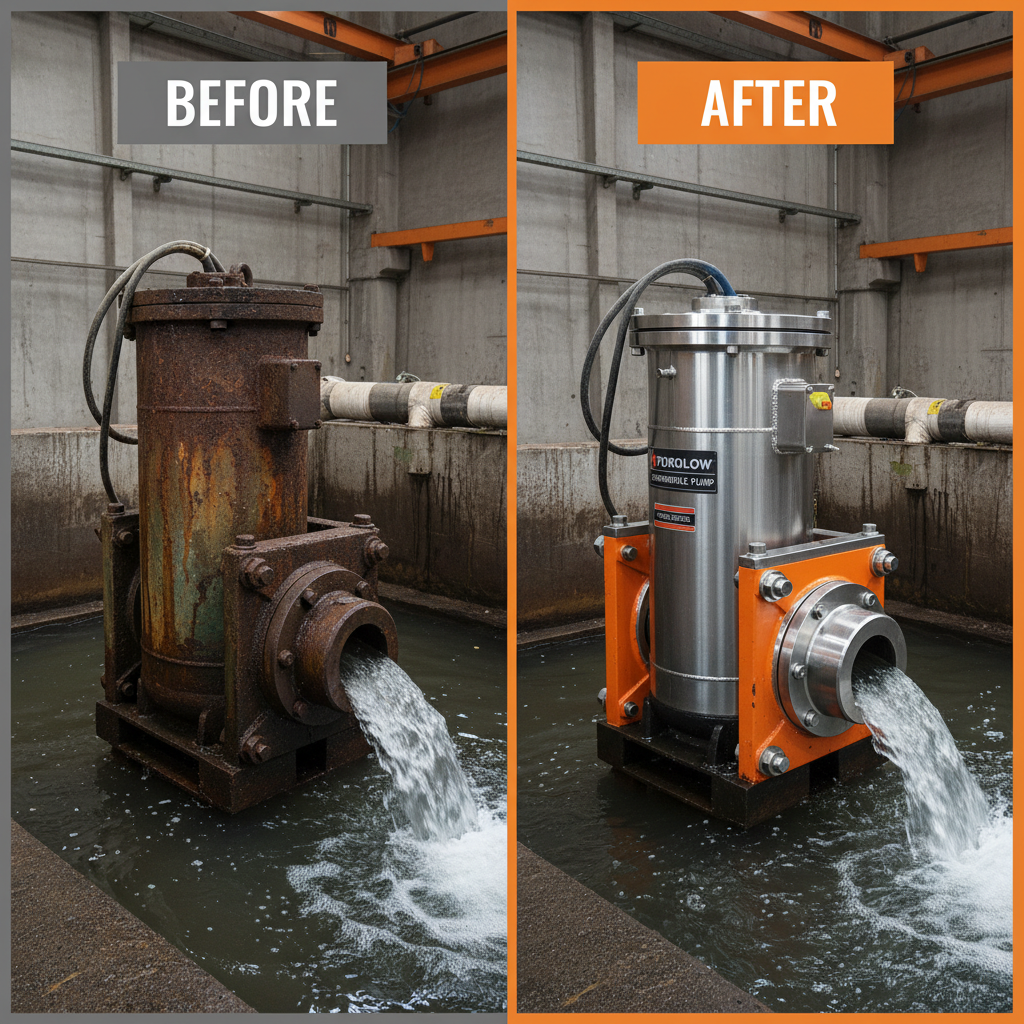 Understanding the Price Submersible Pump and Buyer GuideWhen searching for the ideal water management solution, understanding the price submersible pump options is crucial for balancing budget with performance. Whether you are dealing with a flooded basement, managing agricultural irrigation, or extracting water from a deep well, the cost of a submersible pump can vary significantly based on its build quality and capacity. Investing in a high-quality pump ensures long-term reliability and reduces the frequency of expensive replacements. In this guide, we will break down the factors that influence pricing and help you make an informed decision for your specific needs.Detail
 -
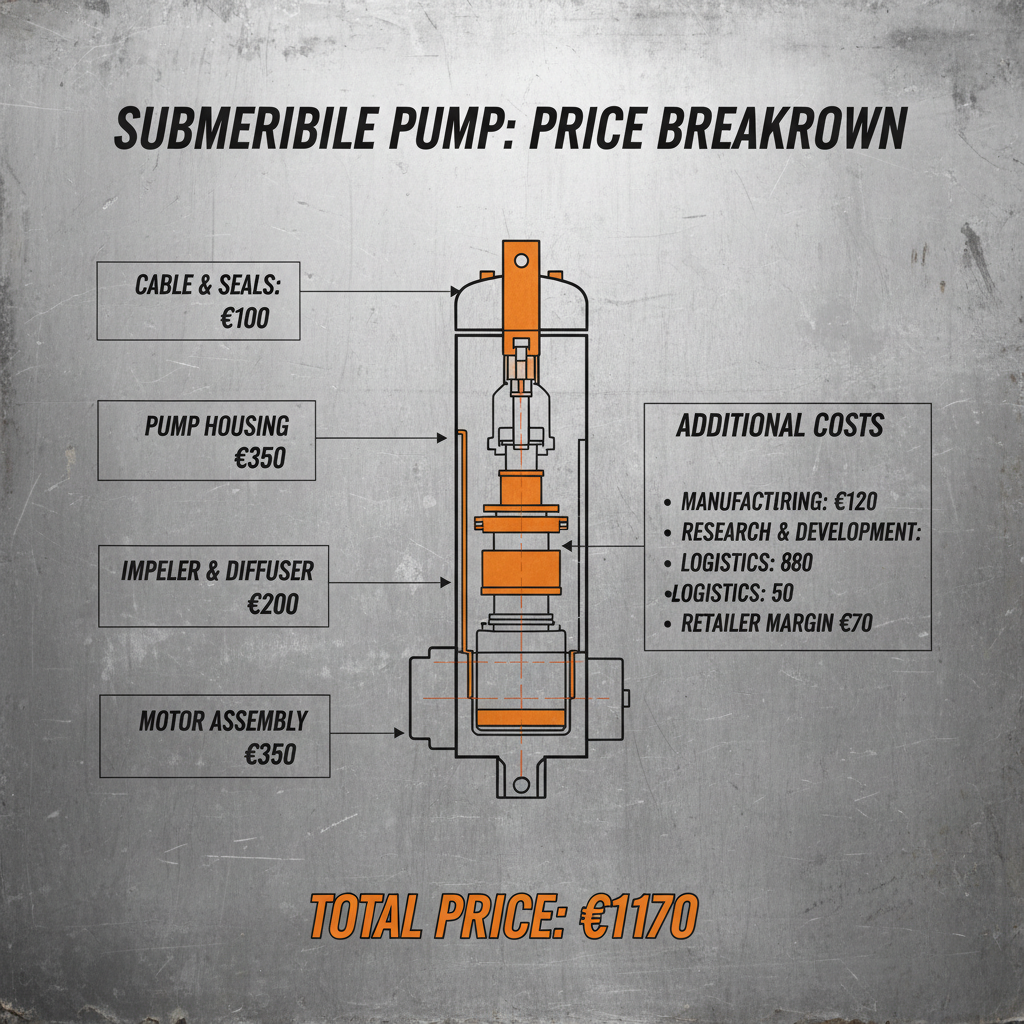 Factors Affecting the Price for Submersible Pump a Buyers GuideWhen investing in water management systems, understanding the price for submersible pump options is essential for balancing performance with budget. Whether you are managing a residential well, an industrial drainage project, or agricultural irrigation, the cost of a pump is rarely a flat fee; it is a reflection of the engineering, materials, and capacity required for your specific environment. In this guide, we will break down the factors that influence pricing and help you determine the best value for your investment to ensure long-term reliability and efficiency.Detail
 -
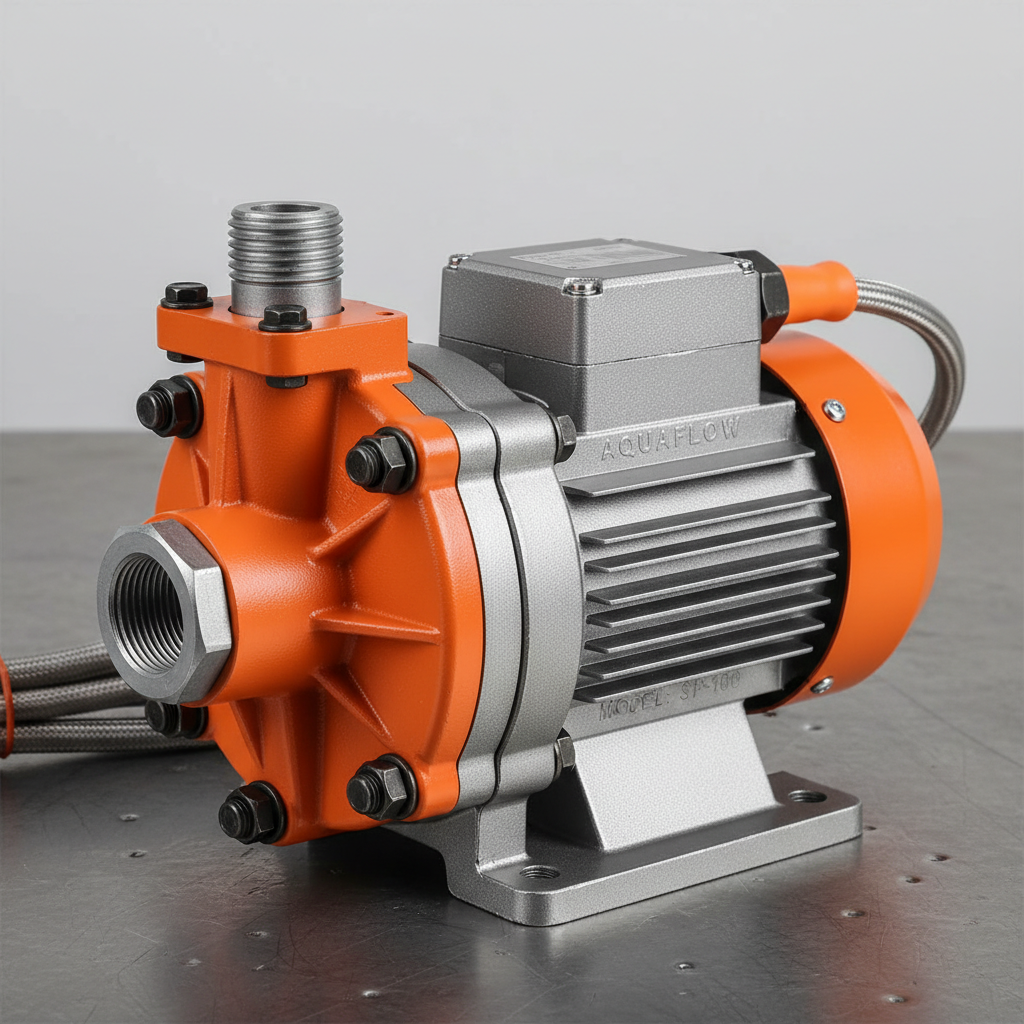 Choosing the Right Mini Submersible Fountain Pump for Optimal Water Feature PerformanceCreating a beautiful and relaxing water feature doesn't have to be complicated. A mini submersible fountain pump is the heart of any indoor or outdoor fountain, and selecting the right one is crucial for optimal performance and longevity. This article will guide you through the key considerations when choosing a mini submersible fountain pump, covering types, features, applications, and how to ensure you get the perfect pump for your project. We’ll also explore how Wellpumpact can provide you with the ideal solution.Detail
 Afrikaans
 Albanian
 Amharic
 Arabic
 Armenian
 Azerbaijani
 Basque
 Belarusian
 Bengali
 Bosnian
 Bulgarian
 Catalan
 Cebuano
 Corsican
 Croatian
 Czech
Czech
 Danish
 Dutch
Dutch
 Esperanto
 Estonian
 Finnish
 French
 Frisian
 Galician
 Georgian
 German
 Greek
Greek
 Gujarati
 Haitian Creole
 Hausa
Hausa
 Hawaiian
 Hebrew
 Hindi
Hindi
 Miao
Miao
 Hungarian
 Icelandic
 Igbo
Igbo
 Indonesian
 Irish
Irish
 Italian
 Japanese
 Javanese
 Kannada
 Kazakh
 Khmer
Khmer
 Rwandese
 Korean
 Kurdish
 Kyrgyz
 Lao
Lao
 Latin
Latin
 Latvian
 Lithuanian
 Luxembourgish
 Macedonian
 Malgashi
 Malay
Malay
 Malayalam
 Maltese
 Maori
Maori
 Marathi
 Mongolian
 Myanmar
 Nepali
 Norwegian
 Norwegian
 Occitan
 Pashto
 Persian
 Polish
 Portuguese
 Punjabi
 Romanian
 Russian
 Samoan
 Scottish Gaelic
 Serbian
 Sesotho
 Shona
Shona
 Sindhi
 Sinhala
 Slovak
 Slovenian
 Somali
 Spanish
 Sundanese
 Swahili
 Swedish
 Tagalog
 Tajik
Tajik
 Tamil
Tamil
 Tatar
Tatar
 Telugu
 Thai
Thai
 Turkish
 Turkmen
 Ukrainian
 Urdu
Urdu
 Uighur
 Uzbek
Uzbek
 Vietnamese
 Welsh
Welsh
 Bantu
Bantu
 Yiddish
 Yoruba
 Zulu
Zulu
 English