
Nov . 27, 2025 21:10 Back to list
Industrial Submersible Water Pumps: Durable Solutions for Global Water Challenges
Understanding the Industrial Submersible Water Pump: A Global Essential
If I had to sum up the importance of the industrial submersible water pump in one phrase, it would be: "quietly powering some of the world's most critical water challenges." From flood management to mining operations, these devices are the unsung heroes in maintaining flow—whether it's of water or economic survival. And as water scarcity and industrial demands grow, getting familiar with these pumps is more than academic; it's practical.
Why does this matter globally? Well, consider that over 2 billion people worldwide live in water-stressed areas, according to the UN Water Scarcity Fact Sheet. Industries, agriculture, and municipal utilities increasingly rely on equipment that can efficiently move water from depths or flooded sites. Industrial submersible water pumps fit this bill perfectly, marrying efficiency with durability in challenging environments.
The Bigger Picture: Why Industrial Submersible Water Pumps Matter Today
Globally, the water infrastructure market is projected to surpass $800 billion by 2026 (MarketsandMarkets). The industrial submersible water pump sits at a unique intersection between industrial robustness and environmental necessity. In flood-prone regions, mining districts, and remote industrial zones, reliable water pumping is mission-critical.
Yet, challenges persist: power consumption, mechanical wear, and the need for versatile deployment. That’s precisely where innovations in these pumps make a difference. For instance, industries affected by climate change-induced flooding depend on quick-response, durable pumps to prevent downtime and equipment damage.
So, What Exactly Is an Industrial Submersible Water Pump?
Breaking it down, it's a type of pump that operates while fully submerged in the fluid it’s pumping—usually water laden with solids or debris. These pumps are designed to push water from below the surface to higher ground without the cavitation problems typical of surface pumps. Think of it as a robust, waterproof force that doesn’t mind getting dirty or wet while tirelessly lifting thousands of gallons.
Industrially, these pumps take center stage in sectors such as mining, wastewater treatment, construction dewatering, and emergency flood relief. Humanitarian organizations often rely on their robust design to restore access to clean water after disasters.
Core Components and Factors That Make These Pumps Tick
1. Durability and Material Quality
Often made from stainless steel, cast iron, or specialized polymers, the pump housing has to resist corrosion and abrasion. For high-solid-content fluids, durability means the difference between weeks and months of trouble-free operation.
2. Power and Motor Design
These pumps usually use sealed electric motors or diesel engines, designed for underwater operation. The motor must be fully sealed to prevent water ingress and maintain efficiency.
3. Capacity and Flow Rate
Flow capacities vary, but some industrial models pump as much as thousands of gallons per minute, key for rapid water removal in emergencies or continuous operations.
4. Portability and Ease of Installation
Whether deployed for mining or quick emergency response, the pump’s size and weight can be crucial. Engineers often praise models that balance power with portability.
5. Maintenance and Reliability
Given the harsh environments, pumps that boast easy disassembly and minimal maintenance get extra points. Downtime costs a lot, often.
Mini takeaway: It's a mix of rugged build, power, and smart design that makes these pumps so central in tough settings.
How Are Industrial Submersible Water Pumps Used Around the World?
These pumps find homes in diverse situations:
- Mining operations: Dewatering shafts and settling ponds in places like Australia and Chile.
- Municipal sewage and water treatment: Stations in major cities worldwide rely on them for continuous water movement.
- Disaster relief: Flood evacuation efforts in Southeast Asia routinely deploy them for rapid water removal.
- Construction sites: Pumping groundwater to keep foundations dry, often in cold climates like Canada or Scandinavia.
industrial submersible water pump solutions adapt well to these varied needs given their design versatility.
Product Specification Table: Typical Industrial Submersible Water Pump
| Specification | Details |
|---|---|
| Power Source | Electric (3-phase, 400V) |
| Material Construction | Stainless steel & high-strength polymer |
| Max Flow Rate | 2000 gallons per minute (GPM) |
| Max Head (Lift) | 120 meters (approx. 394 feet) |
| Weight | 150 kg (approx. 330 lbs) |
| Operating Temperature | -10°C to 40°C (14°F to 104°F) |
What’s the Long Game? Advantages & Enduring Value
Putting one of these pumps into operation means a lot more than just moving water. The benefits ripple through operational cash flow, workforce safety, and environmental stewardship. Here’s what engineers and managers often highlight:
- Cost Efficiency: Less energy consumption equals lower bills. Plus, fewer service call-outs mean better ROI.
- Reliability: Designed for splash, grit, and abuse, these pumps run when others might fail.
- Sustainability: Many newer models embrace energy-efficient motors and eco-friendly materials.
- Safety & Dignity: For communities hit by floods or water shortages, pump functionality can save lives and restore normalcy.
Vendor Comparison Table: Leading Industrial Submersible Water Pumps
| Vendor | Max Flow (GPM) | Power Source | Weight (kg) | Warranty |
|---|---|---|---|---|
| PumpCo Industries | 1800 | Electric | 140 | 2 years |
| AquaMax Solutions | 2200 | Diesel / Electric Hybrid | 165 | 3 years |
| HydroPump Global | 2000 | Electric | 150 | 1.5 years |
Looking Ahead: Trends and Innovations Shaping the Industry
Technology rarely stands still. Lately, I’ve noticed increasing interest in green power options—solar and battery-backed pumps—that could finally relieve some off-grid sites (hello, remote mining!). Digital monitoring, too, is gaining traction, with IoT sensors allowing 24/7 status checks and predictive maintenance.
Materials science is bringing lighter, tougher components that help with portability and durability — exactly what a tough pandemic taught us: flexibility is king. Regulations like ISO 9001 and water safety standards push manufacturers to prioritize efficiency and safety in their designs.
Headwinds & Solutions: When Pumps Aren’t Perfect
Of course, nothing is perfect. Issues like clogging in highly debris-laden water or motor overheating under load still show up in field reports. Many firms now advocate using pre-filters or multi-stage pumping systems to minimize such disruptions. Some pioneering products feature self-cleaning impellers, reducing manual intervention.
Another challenge: initial investment costs that can scare smaller users. Leasing programs and modular pump units are increasingly common solutions to ease that burden.
Frequently Asked Questions About Industrial Submersible Water Pumps
Q1: How do I choose the right industrial submersible water pump for my site?
A: It depends on your flow rate needs, the water’s content (clean or with solids), pump depth, and power availability. Consulting experts with a detailed site survey always helps narrow down the options.
Q2: What maintenance is typically required?
A: Routine inspection includes checking seals, impellers, power cords, and bearings. Many pumps require yearly servicing, but high-use sites may need more frequent checks.
Q3: Can these pumps handle sand and debris without damage?
A: Most industrial submersible water pumps are designed to handle some solids, typically up to a certain diameter. Models with heavy-duty impellers and abrasion-resistant materials perform best.
Q4: Are there environmentally friendly options available?
A: Yes, products with energy-efficient motors and solar-compatible designs provide greener alternatives, reducing operational carbon footprints.
Q5: What’s the typical lifespan of these pumps?
A: With proper maintenance, many units last 5–10 years or more, depending on usage intensity and conditions.
Wrapping Up: The Quiet Power Behind Water Management
In summary, the industrial submersible water pump isn’t just machinery; it’s a crucial tool shaping sustainable water management, emergency response, and industry productivity worldwide. Their combination of ruggedness, precision, and adaptability makes them indispensable. Whether you’re in mining, municipal water treatment, or disaster relief, understanding how these pumps operate and what they bring to the table lets you plan smarter and respond faster.
Curious to find the pump that fits your operation perfectly? Visit our site: industrial submersible water pump for detailed guides, product options, and expert advice.
References
- UN Water - Water Scarcity
- International Organization for Standardization (ISO)
- MarketsandMarkets - Water Infrastructure Market Report
-
Understanding the Price Submersible Pump and Buyer Guide
NewsApr.16,2026
-
Factors Affecting the Price for Submersible Pump a Buyers Guide
NewsApr.09,2026
-
Choosing the Right Mini Submersible Fountain Pump for Optimal Water Feature Performance
NewsApr.07,2026
-
A Detailed Guide to Installing a Submersible Pump for Optimal Performance
NewsApr.04,2026
-
Comprehensive Guide on How to Test a Submersible Water Well Pump Effectively
NewsMar.31,2026
-
Learn How to Replace a Submersible Well Pump Safely and Effectively
NewsMar.28,2026
-
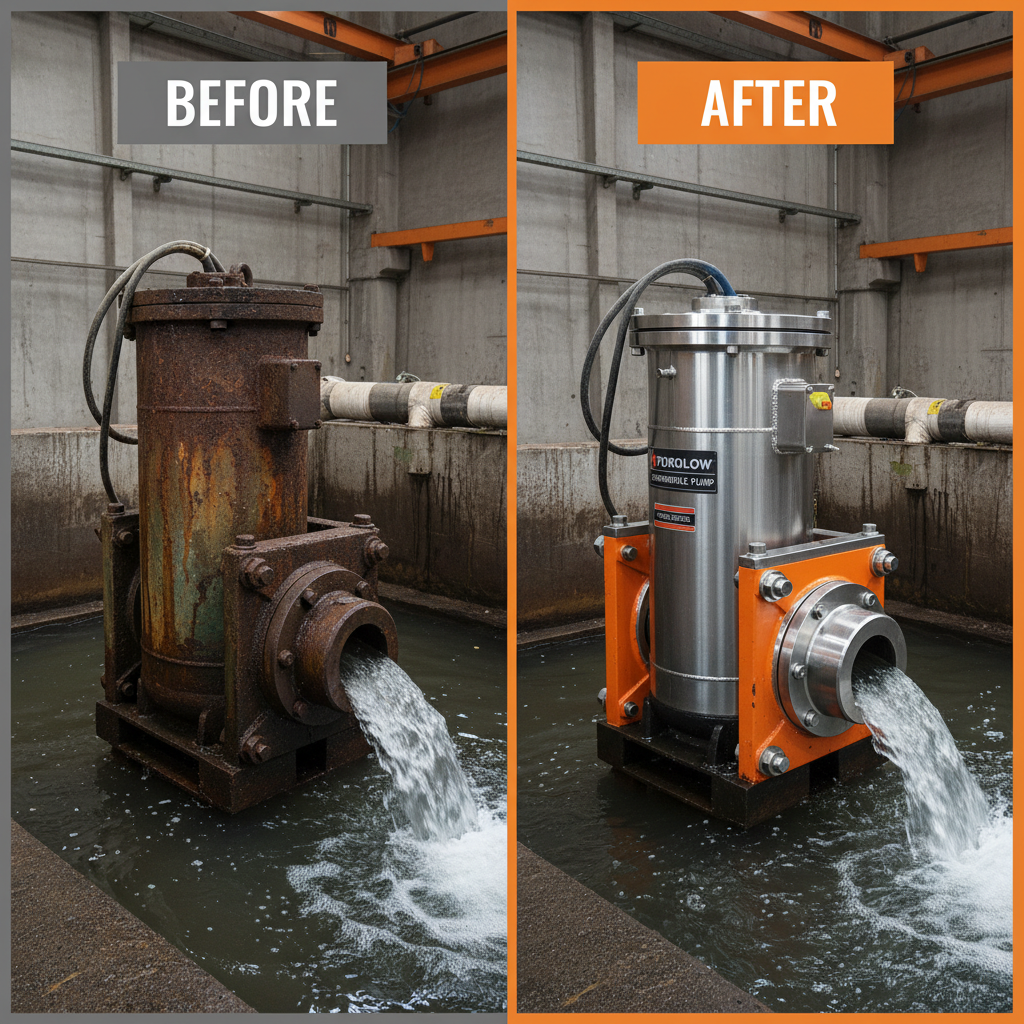 Understanding the Price Submersible Pump and Buyer GuideWhen searching for the ideal water management solution, understanding the price submersible pump options is crucial for balancing budget with performance. Whether you are dealing with a flooded basement, managing agricultural irrigation, or extracting water from a deep well, the cost of a submersible pump can vary significantly based on its build quality and capacity. Investing in a high-quality pump ensures long-term reliability and reduces the frequency of expensive replacements. In this guide, we will break down the factors that influence pricing and help you make an informed decision for your specific needs.Detail
 -
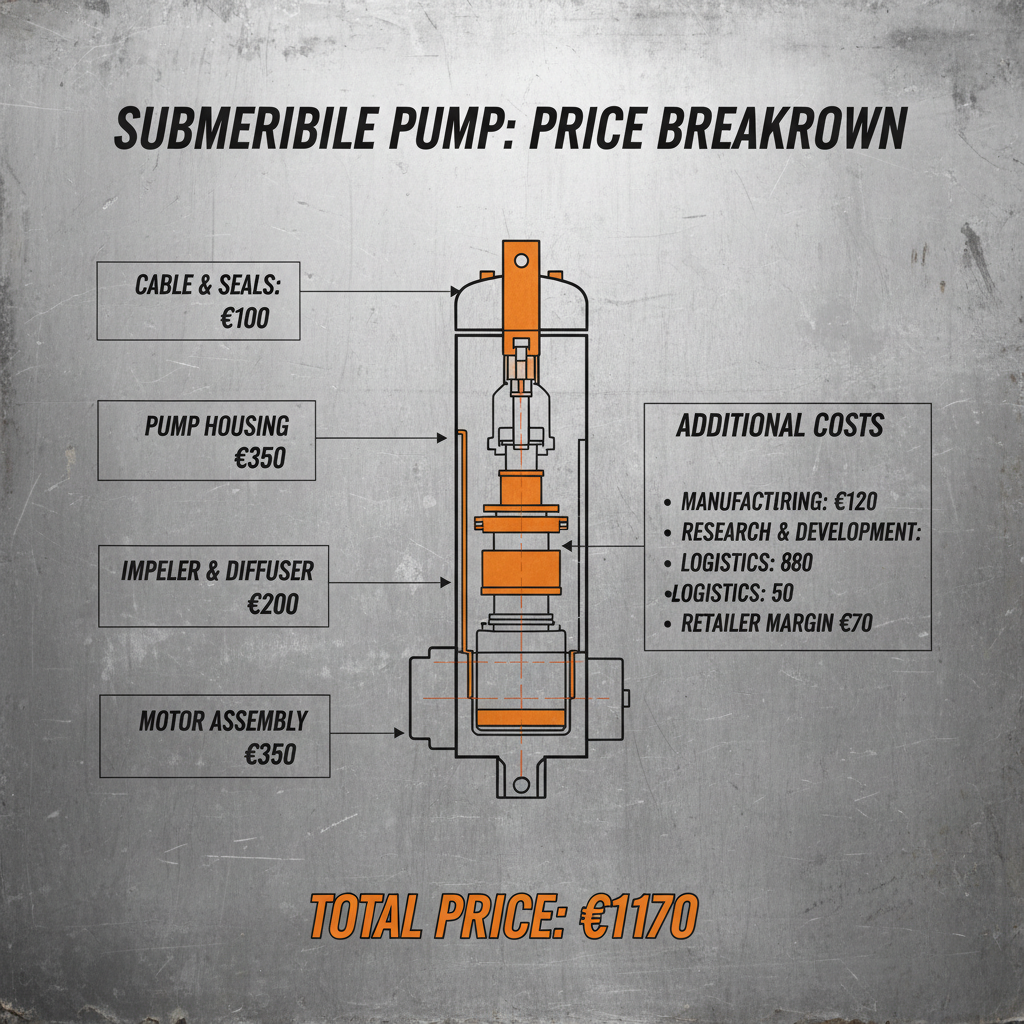 Factors Affecting the Price for Submersible Pump a Buyers GuideWhen investing in water management systems, understanding the price for submersible pump options is essential for balancing performance with budget. Whether you are managing a residential well, an industrial drainage project, or agricultural irrigation, the cost of a pump is rarely a flat fee; it is a reflection of the engineering, materials, and capacity required for your specific environment. In this guide, we will break down the factors that influence pricing and help you determine the best value for your investment to ensure long-term reliability and efficiency.Detail
 -
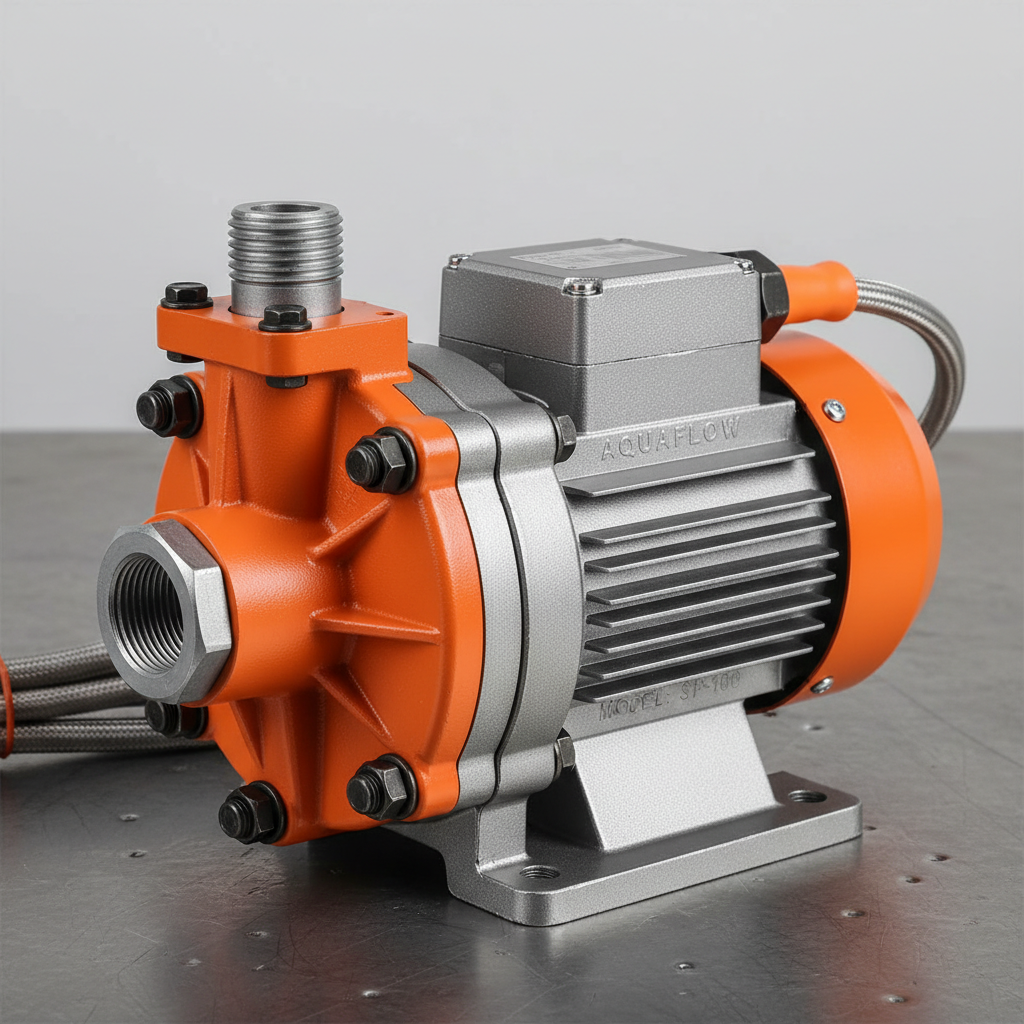 Choosing the Right Mini Submersible Fountain Pump for Optimal Water Feature PerformanceCreating a beautiful and relaxing water feature doesn't have to be complicated. A mini submersible fountain pump is the heart of any indoor or outdoor fountain, and selecting the right one is crucial for optimal performance and longevity. This article will guide you through the key considerations when choosing a mini submersible fountain pump, covering types, features, applications, and how to ensure you get the perfect pump for your project. We’ll also explore how Wellpumpact can provide you with the ideal solution.Detail
 Afrikaans
 Albanian
 Amharic
 Arabic
 Armenian
 Azerbaijani
 Basque
 Belarusian
 Bengali
 Bosnian
 Bulgarian
 Catalan
 Cebuano
 Corsican
 Croatian
 Czech
Czech
 Danish
 Dutch
Dutch
 Esperanto
 Estonian
 Finnish
 French
 Frisian
 Galician
 Georgian
 German
 Greek
Greek
 Gujarati
 Haitian Creole
 Hausa
Hausa
 Hawaiian
 Hebrew
 Hindi
Hindi
 Miao
Miao
 Hungarian
 Icelandic
 Igbo
Igbo
 Indonesian
 Irish
Irish
 Italian
 Japanese
 Javanese
 Kannada
 Kazakh
 Khmer
Khmer
 Rwandese
 Korean
 Kurdish
 Kyrgyz
 Lao
Lao
 Latin
Latin
 Latvian
 Lithuanian
 Luxembourgish
 Macedonian
 Malgashi
 Malay
Malay
 Malayalam
 Maltese
 Maori
Maori
 Marathi
 Mongolian
 Myanmar
 Nepali
 Norwegian
 Norwegian
 Occitan
 Pashto
 Persian
 Polish
 Portuguese
 Punjabi
 Romanian
 Russian
 Samoan
 Scottish Gaelic
 Serbian
 Sesotho
 Shona
Shona
 Sindhi
 Sinhala
 Slovak
 Slovenian
 Somali
 Spanish
 Sundanese
 Swahili
 Swedish
 Tagalog
 Tajik
Tajik
 Tamil
Tamil
 Tatar
Tatar
 Telugu
 Thai
Thai
 Turkish
 Turkmen
 Ukrainian
 Urdu
Urdu
 Uighur
 Uzbek
Uzbek
 Vietnamese
 Welsh
Welsh
 Bantu
Bantu
 Yiddish
 Yoruba
 Zulu
Zulu
 English