
Jan . 28, 2026 11:40 Back to list
Comprehensive Guide to Choosing a Reliable Submersible Well Pump 1/2 HP
Choosing the Right Submersible Well Pump 1/2 HP: A Comprehensive Guide
Selecting the appropriate submersible well pump 1/2 hp is crucial for ensuring a consistent and reliable water supply for your home or property. A pump that is too small won’t deliver enough water, while one that’s too large can be inefficient and costly. This article will delve into the key considerations when choosing a 1/2 HP submersible well pump, outlining features, applications, and important factors to ensure you make the best investment. Understanding these aspects will help you choose a pump that provides years of trouble-free service.
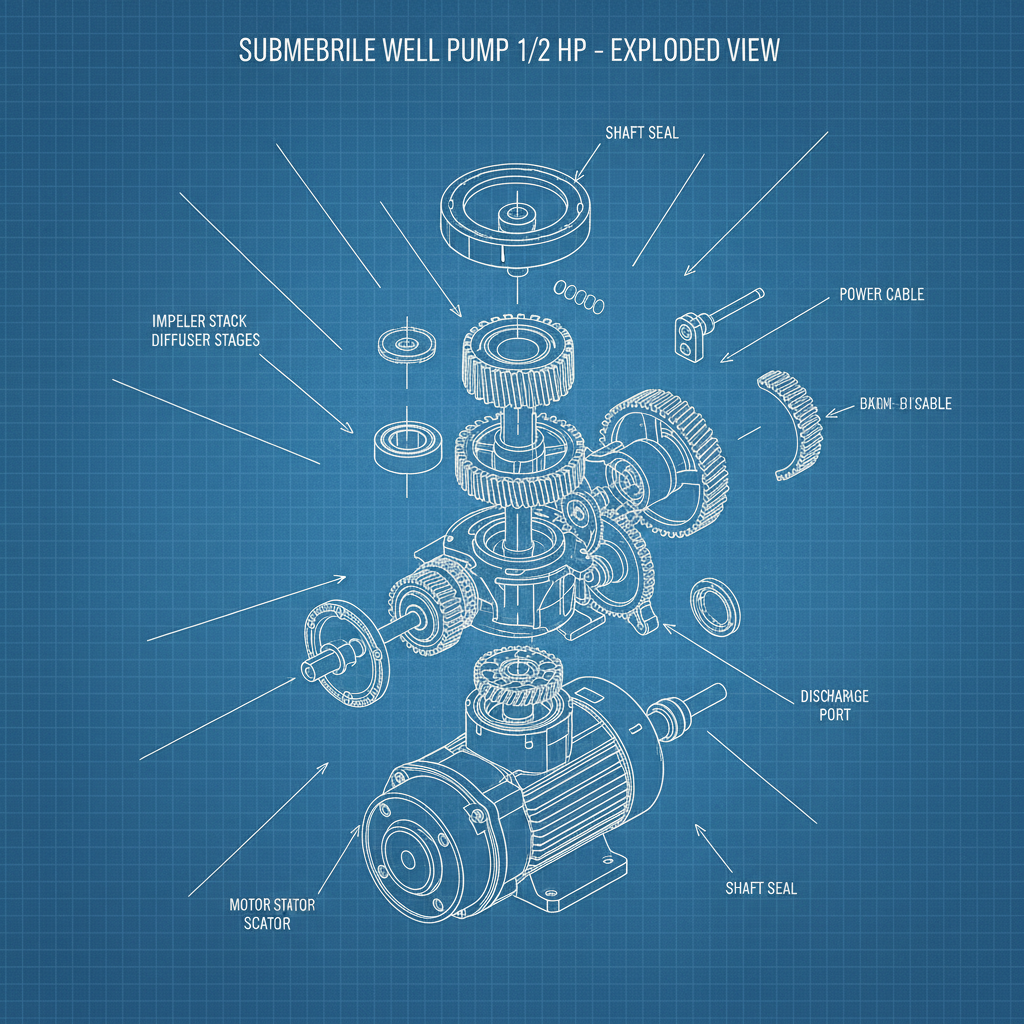
Understanding 1/2 HP Submersible Well Pumps
A 1/2 horsepower (HP) submersible well pump is a popular choice for residential applications, typically suitable for wells with depths up to 250 feet and water demands of up to 10 gallons per minute (GPM). These pumps are designed to be fully submerged in the well water, offering several advantages over jet pumps, including quieter operation and reduced risk of priming issues. They efficiently move water to the surface by pushing it rather than pulling it, making them ideal for deep wells. However, it’s essential to correctly assess your water needs before making a purchase.
Key Benefits: Quiet operation, efficient water delivery, reliable performance, and minimal priming concerns. Ideal for deep wells and residential use.
Key Considerations When Choosing a Submersible Well Pump 1/2 HP
Before purchasing a submersible well pump 1/2 hp, several factors must be carefully considered. These include the well depth, water level, flow rate requirements, and the well casing diameter. Accurate measurements are essential. Ignoring these factors can lead to pump inefficiencies or even damage. It’s also important to consider the water quality – sediment and other particles can affect pump lifespan and require additional filtration.
Essential Checks:
• Well Depth: Determine the total depth of your well.
• Water Level: Measure the static water level (water level when the pump is off).
• Flow Rate: Calculate your peak water demand (gallons per minute).
• Casing Diameter: Ensure the pump fits comfortably within your well casing.
Submersible Well Pump 1/2 HP: Performance Comparison
Different brands and models of 1/2 HP submersible well pumps offer varying levels of performance. Factors like motor efficiency, pump materials, and impeller design can all impact the pump's overall output and longevity. Consider models with corrosion-resistant materials, especially if you have challenging water conditions. Comparing specifications will help you identify the best pump for your specific needs.
Maintenance and Longevity of Your Submersible Well Pump 1/2 HP
Proper maintenance is key to extending the lifespan of your submersible well pump 1/2 hp. Regular inspection of the pressure tank, wiring, and pump housing is essential. Consider installing a sediment filter to protect the pump from abrasive particles. Periodic well water testing can identify potential issues that could impact pump performance. Following the manufacturer’s recommendations for maintenance will help ensure optimal performance and prevent costly repairs.
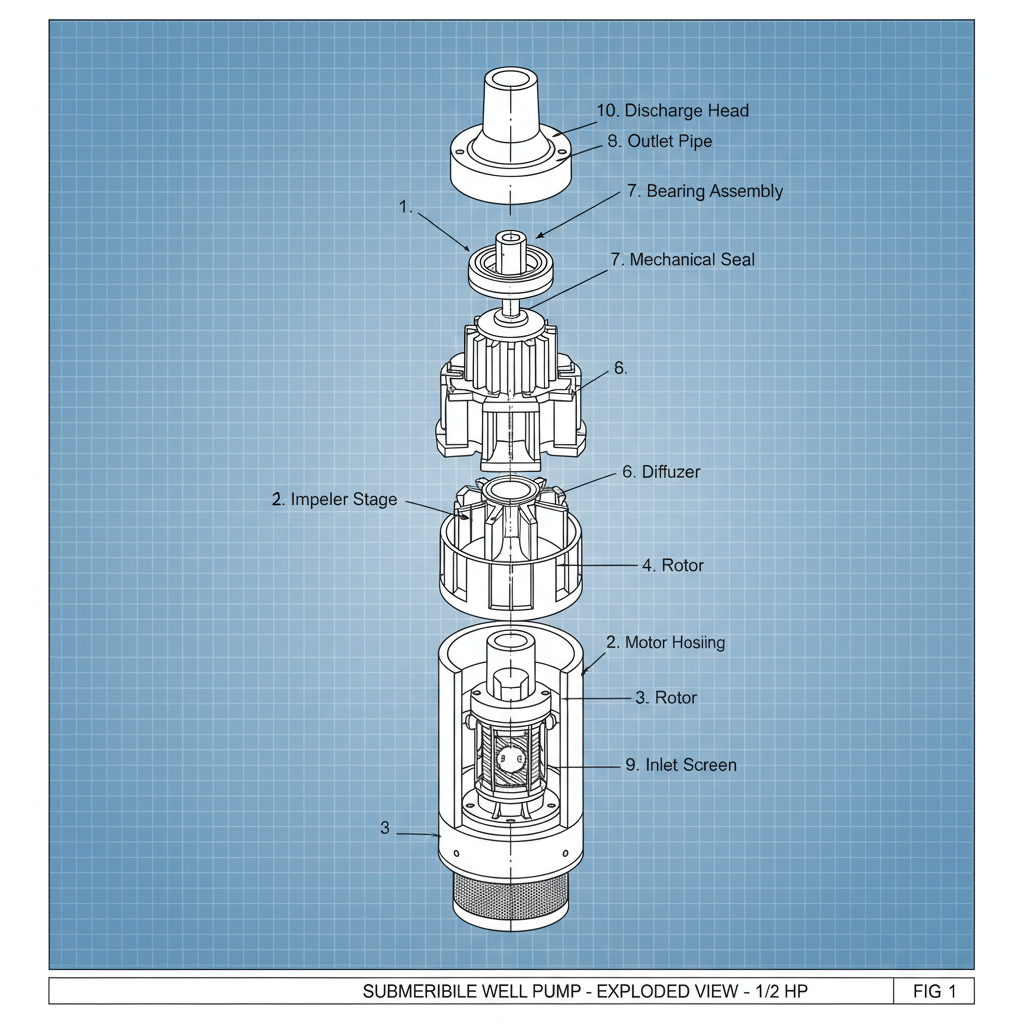
Product Specifications and Options Available
WellPumpAct offers a range of 1/2 HP submersible well pumps designed to meet diverse needs. Our pumps feature robust construction, efficient motors, and reliable performance. We offer options with varying flow rates, head capacities, and materials to suit your specific well conditions.
Conclusion: Investing in a Reliable Water Supply
Choosing the right submersible well pump 1/2 hp is a significant investment in the reliability and convenience of your water supply. By carefully considering your water needs, well characteristics, and the features offered by different models, you can ensure a long-lasting and efficient solution. At WellPumpAct, we are committed to providing high-quality pumps and expert support to help you make the best decision for your property.
Frequently Asked Questions (FAQs)
What well depth is a 1/2 HP submersible pump suitable for?
Typically, a 1/2 HP submersible pump is well-suited for wells with depths up to 250 feet. However, this can vary based on the pump’s specific design and the static water level in your well. It's important to calculate the total dynamic head (TDH) – the vertical distance the pump needs to lift the water, plus friction losses in the piping – to ensure the pump can deliver adequate water flow. If your well is deeper than 250 feet, or your TDH is high, you may need a pump with a higher horsepower rating.
How do I determine the correct flow rate I need?
To determine the appropriate flow rate, assess your peak water demand. Consider the number of fixtures (faucets, showers, toilets) that might be used simultaneously. A typical household needs around 60-100 gallons of water per person per day. Estimate the maximum number of gallons per minute (GPM) you'll need at any given time. If you have a large family or frequently use multiple water appliances simultaneously, you'll require a higher flow rate than a smaller household.
What is the benefit of a stainless steel pump versus a thermoplastic pump?
Stainless steel pumps are more durable and corrosion-resistant than thermoplastic pumps, making them ideal for challenging water conditions with high levels of minerals or contaminants. While thermoplastic pumps are generally more affordable, stainless steel pumps offer a longer lifespan and require less maintenance in the long run. The initial investment in a stainless steel pump can be offset by reduced repair and replacement costs over time.
How often should I replace my submersible well pump?
The lifespan of a submersible well pump typically ranges from 10 to 20 years, depending on usage, water quality, and maintenance. However, it’s a good idea to proactively monitor the pump's performance and replace it if you notice signs of decline, such as reduced water flow, unusual noises, or frequent cycling. Regular inspections and preventative maintenance can help extend the pump’s lifespan.
-
Understanding the Price Submersible Pump and Buyer Guide
NewsApr.16,2026
-
Factors Affecting the Price for Submersible Pump a Buyers Guide
NewsApr.09,2026
-
Choosing the Right Mini Submersible Fountain Pump for Optimal Water Feature Performance
NewsApr.07,2026
-
A Detailed Guide to Installing a Submersible Pump for Optimal Performance
NewsApr.04,2026
-
Comprehensive Guide on How to Test a Submersible Water Well Pump Effectively
NewsMar.31,2026
-
Learn How to Replace a Submersible Well Pump Safely and Effectively
NewsMar.28,2026
-
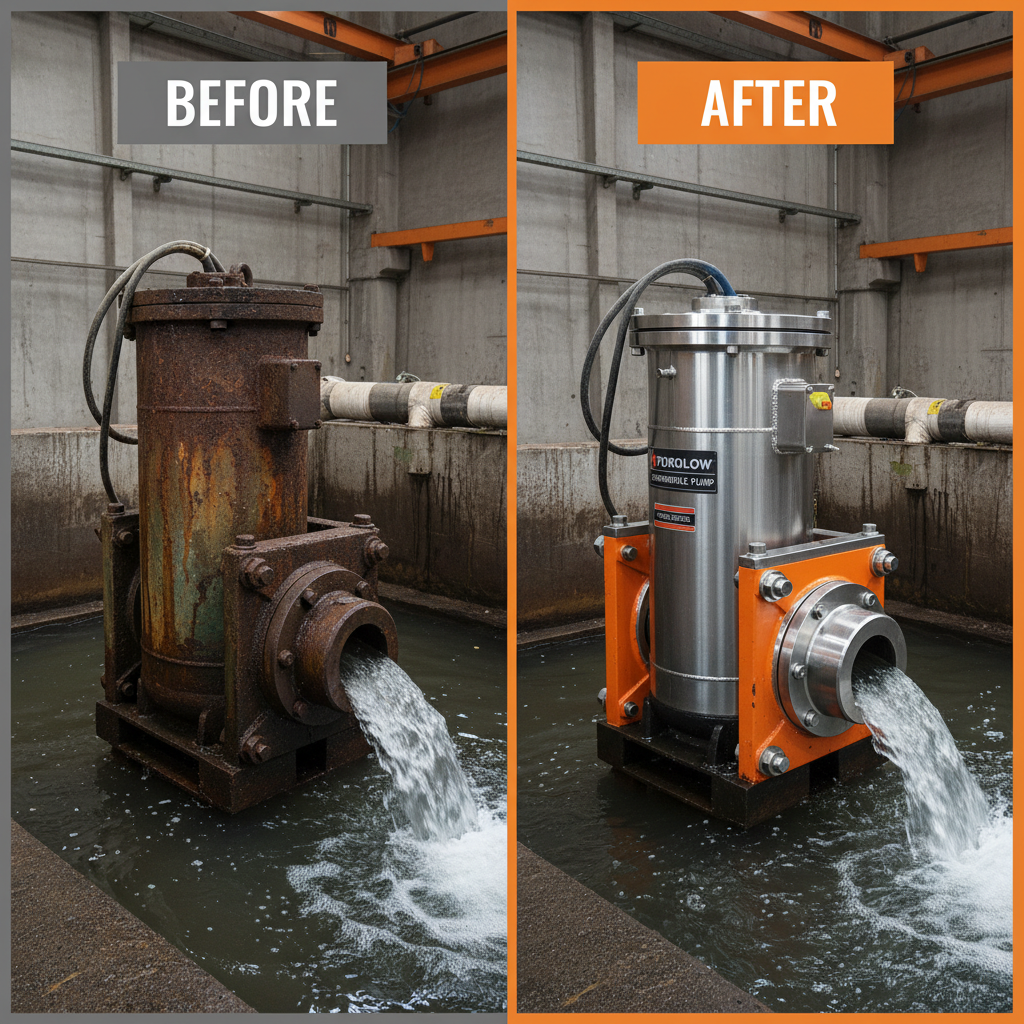 Understanding the Price Submersible Pump and Buyer GuideWhen searching for the ideal water management solution, understanding the price submersible pump options is crucial for balancing budget with performance. Whether you are dealing with a flooded basement, managing agricultural irrigation, or extracting water from a deep well, the cost of a submersible pump can vary significantly based on its build quality and capacity. Investing in a high-quality pump ensures long-term reliability and reduces the frequency of expensive replacements. In this guide, we will break down the factors that influence pricing and help you make an informed decision for your specific needs.Detail
 -
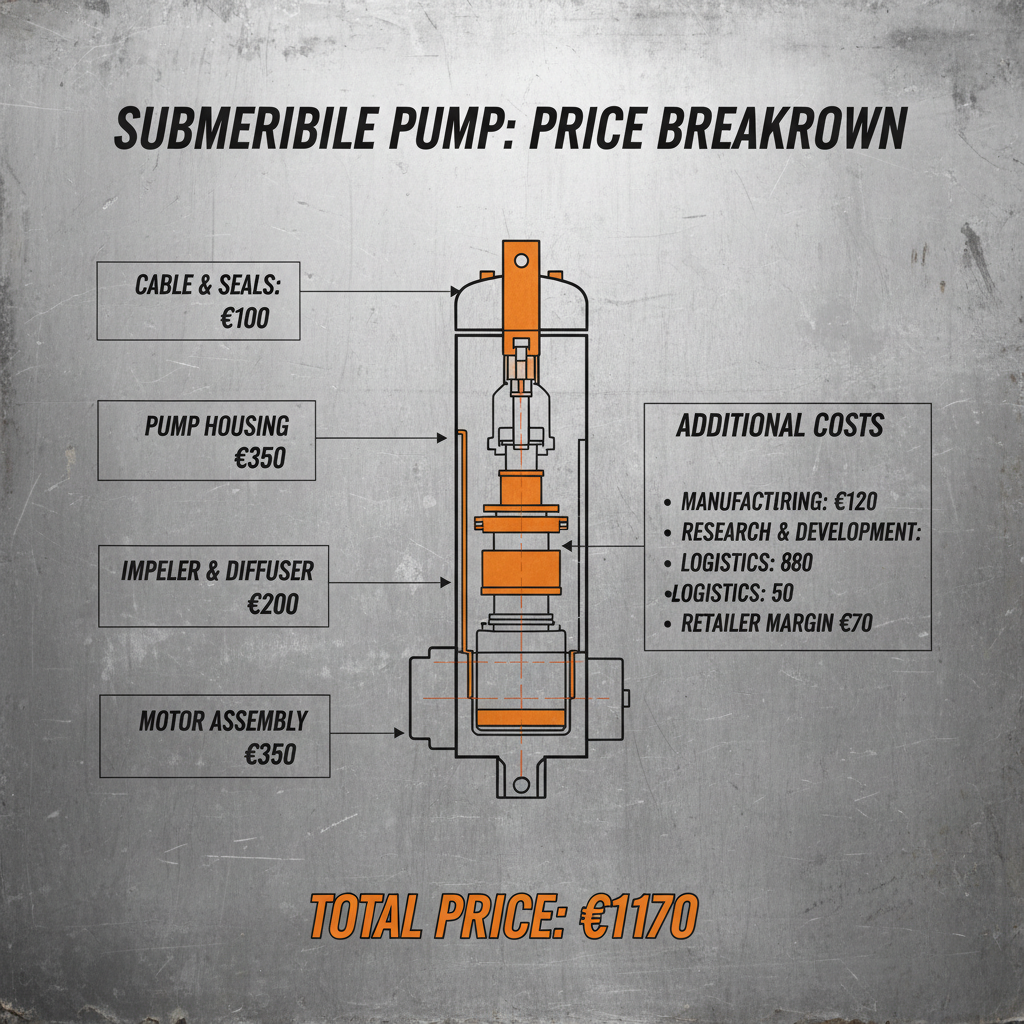 Factors Affecting the Price for Submersible Pump a Buyers GuideWhen investing in water management systems, understanding the price for submersible pump options is essential for balancing performance with budget. Whether you are managing a residential well, an industrial drainage project, or agricultural irrigation, the cost of a pump is rarely a flat fee; it is a reflection of the engineering, materials, and capacity required for your specific environment. In this guide, we will break down the factors that influence pricing and help you determine the best value for your investment to ensure long-term reliability and efficiency.Detail
 -
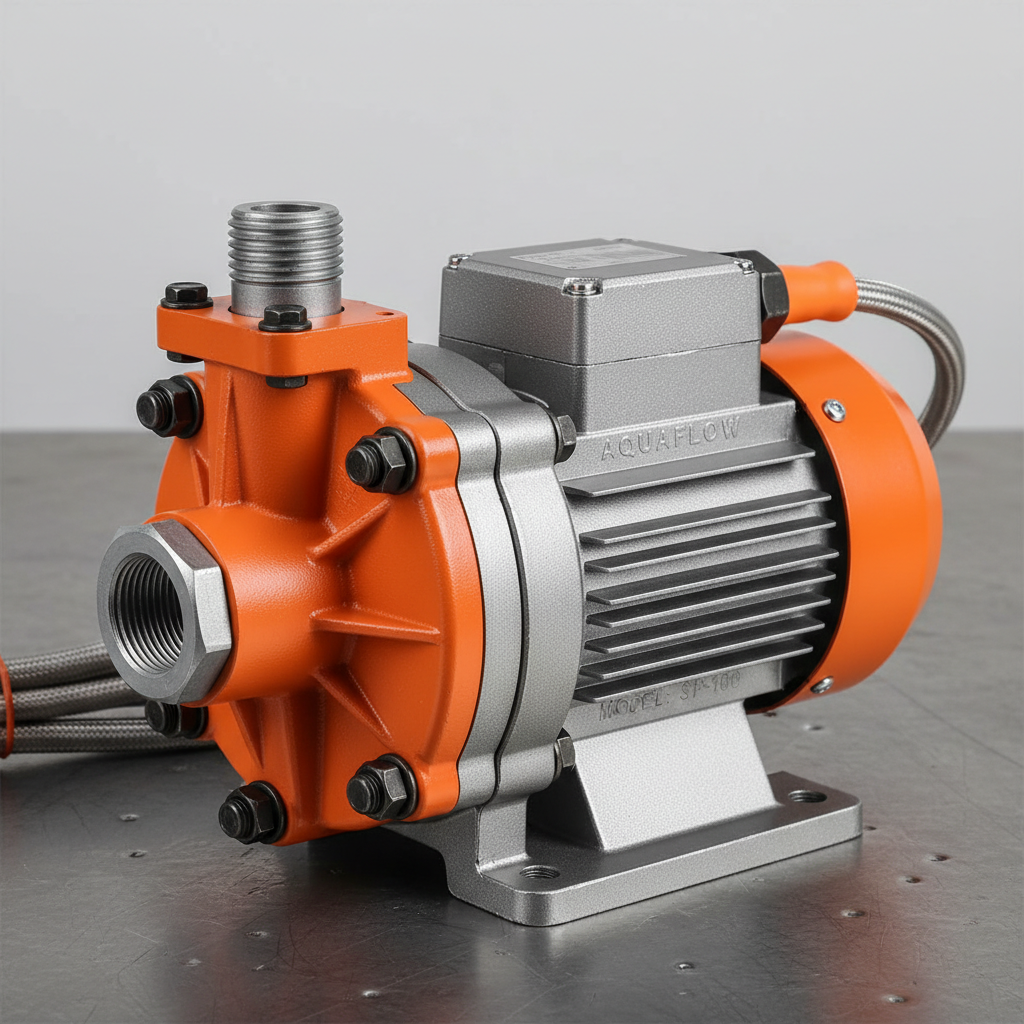 Choosing the Right Mini Submersible Fountain Pump for Optimal Water Feature PerformanceCreating a beautiful and relaxing water feature doesn't have to be complicated. A mini submersible fountain pump is the heart of any indoor or outdoor fountain, and selecting the right one is crucial for optimal performance and longevity. This article will guide you through the key considerations when choosing a mini submersible fountain pump, covering types, features, applications, and how to ensure you get the perfect pump for your project. We’ll also explore how Wellpumpact can provide you with the ideal solution.Detail
 Afrikaans
 Albanian
 Amharic
 Arabic
 Armenian
 Azerbaijani
 Basque
 Belarusian
 Bengali
 Bosnian
 Bulgarian
 Catalan
 Cebuano
 Corsican
 Croatian
 Czech
Czech
 Danish
 Dutch
Dutch
 Esperanto
 Estonian
 Finnish
 French
 Frisian
 Galician
 Georgian
 German
 Greek
Greek
 Gujarati
 Haitian Creole
 Hausa
Hausa
 Hawaiian
 Hebrew
 Hindi
Hindi
 Miao
Miao
 Hungarian
 Icelandic
 Igbo
Igbo
 Indonesian
 Irish
Irish
 Italian
 Japanese
 Javanese
 Kannada
 Kazakh
 Khmer
Khmer
 Rwandese
 Korean
 Kurdish
 Kyrgyz
 Lao
Lao
 Latin
Latin
 Latvian
 Lithuanian
 Luxembourgish
 Macedonian
 Malgashi
 Malay
Malay
 Malayalam
 Maltese
 Maori
Maori
 Marathi
 Mongolian
 Myanmar
 Nepali
 Norwegian
 Norwegian
 Occitan
 Pashto
 Persian
 Polish
 Portuguese
 Punjabi
 Romanian
 Russian
 Samoan
 Scottish Gaelic
 Serbian
 Sesotho
 Shona
Shona
 Sindhi
 Sinhala
 Slovak
 Slovenian
 Somali
 Spanish
 Sundanese
 Swahili
 Swedish
 Tagalog
 Tajik
Tajik
 Tamil
Tamil
 Tatar
Tatar
 Telugu
 Thai
Thai
 Turkish
 Turkmen
 Ukrainian
 Urdu
Urdu
 Uighur
 Uzbek
Uzbek
 Vietnamese
 Welsh
Welsh
 Bantu
Bantu
 Yiddish
 Yoruba
 Zulu
Zulu
 English