
Dec . 01, 2025 18:40 Back to list
Cordless Submersible Water Pump – Portable Water Solutions for Remote & Emergency Use
The Growing Importance of Cordless Submersible Water Pumps Worldwide
It sounds straightforward — a pump that works underwater without cords. But when you think about all the places where water access is a daily challenge, the cordless submersible water pump becomes something of a quiet hero. From remote villages with unreliable electricity to disaster zones where infrastructure is wiped out, these nifty devices solve real problems without the headaches of tangled cables or power dependency.
On a global scale, water is everything. The United Nations notes that nearly 2.2 billion people lack safe drinking water at home (UN-Water, 2023). Addressing this need efficiently means innovative tools are necessary — enter cordless submersible pumps, which enable clean water extraction without wires, heavy generators, or permanent infrastructure.
Getting familiar with how these pumps work -- and why they’re gaining traction in humanitarian, industrial, and agricultural contexts — unlocks a world of practical solutions that few are talking about yet. Let’s dive in.
Mini takeaway: Cordless submersible pumps are vital in tackling global water scarcity, especially where electric power is unreliable or absent.Setting the Stage: Why Cordless Submersible Water Pumps Are Game Changers
It’s tempting to think a pump is just a pump, until you consider places where no mains electricity reaches, or where fuel costs for generators spiral out of control. The cordless submersible water pump addresses this by marrying portability, submersion ability, and untethered power.
According to the International Organization for Standardization (ISO), modern pumping equipment should be efficient, durable, and adaptable to diverse environments (ISO 9906). Yet, traditional pumps tethered to power cords or bulky gas engines can’t always deliver that global promise.
As of 2023, solar-powered and battery-operated pumps have seen a sharp rise in adoption across Africa, Asia, and disaster-prone regions worldwide (World Bank, 2023). This is mostly because they allow water access without grid dependence, lowering operational costs and boosting resilience.
Mini takeaway: The cordless submersible pump tackles huge gaps in water infrastructure by offering lightweight, autonomous performance fit for the world’s toughest environments.What Exactly Is a Cordless Submersible Water Pump?
Put simply, it’s a pump that sits underwater and moves water without needing to be plugged into an external power source while operating. Typically, it runs on rechargeable battery packs — sometimes augmented by solar energy — enabling it to function for hours or even days in tough spots.
This makes it quite different from standard submersible pumps glued to power cords or external motors. The cordless design means it’s much easier to deploy quickly and relocate if needed — which is critical in temporary setups or emergency relief.
In modern industry and humanitarian needs alike, these pumps support irrigation for smallholder farms, groundwater extraction without land disruption, and direct water supply in refugee camps or post-disaster areas where infrastructure is wiped out.
Mini takeaway: Cordless submersible pumps blend portability and power independence, turning them into versatile tools for water access wherever cables fear to go.Key Features That Make These Pumps Tick
Durability and Waterproof Design
These pumps face some serious conditions — often submerged water mixed with sand, silt, and debris. Engineers pay special attention to rugged, corrosion-resistant materials and tight seals to keep the electronics safe. Many models can handle depths of several meters and operate continuously under harsh conditions.
Battery Life and Charging Options
Most run on lithium-ion battery packs rated between 10Ah to 30Ah, offering 4–12 hours of continuous pumping. Some integrate solar charging to extend runtime or recharge off-grid. Battery management systems are key, protecting against overcharging or deep discharge to ensure long service life.
Flow Rate and Head Pressure
This determines how much water the pump can move and how high it can push. Typical flow rates range from 1000 to 6000 liters per hour (lph), with maximum heads between 10–30 meters, depending on model. This versatility means you can tailor pumps for drinking water, irrigation, or drainage.
Portability and Ease of Use
One reason these pumps shine is their lack of cables and motors dangling aboveground. Usually, they weigh between 3–7 kg, come with handles or harnesses, and are easy for one person to deploy. Intuitive controls — often with simple on/off buttons and battery indicators — make operations user-friendly.
Maintenance Simplicity
Less wiring means fewer points of failure. Most designs are modular with removable filters or impellers, allowing straightforward cleaning or parts swap in the field. This keeps downtime minimal, particularly useful in remote or critical water supply situations.
Mini takeaway: Durability, battery tech, flow capacity, portability, and easy upkeep are the backbone of effective cordless submersible pumps.Global Use Cases: Where and How They’re Making a Splash
From the Sahel in Africa to rural India and Pacific islands, cordless submersible pumps help communities access water with minimal fuss.
- Post-Disaster Relief: After hurricanes or floods, when power grids fail, aid teams deploy these pumps to clear stagnant water or resupply clean water instantly.
- Smallholder Agriculture: Farmers use these pumps for drip irrigation or livestock watering without expensive fuel or electricity, cutting costs and increasing yields.
- Mining and Industry: Remote sites with little infrastructure rely on these pumps to dewater pits or manage process water safely and efficiently.
- Off-Grid Homes and Camps: Whether it’s a research station or a temporary refugee camp, cordless pumps enable self-sufficient water provision.
Example: In 2022, a relief NGO in Mozambique deployed 150 cordless submersible pumps post-cyclone, restoring water access to over 100,000 people within days — something impossible with corded pumps.
Mini takeaway: Cordless submersible pumps flexibly support water needs from agriculture to emergency contexts across continents.Typical Product Specifications
| Feature | Typical Range | Notes |
|---|---|---|
| Battery Capacity | 12V, 20Ah Li-ion | Rechargeable, >6 hrs runtime |
| Max Flow Rate | 3000 liters/hour | Suitable for household irrigation |
| Max Head | 20 meters | Allows moderate-depth pumping |
| Weight | 5 kg approximate | Light enough for manual deployment |
| Material | Stainless steel & ABS plastic | Corrosion & impact resistant |
Vendor Snapshot: Comparing Leading Cordless Submersible Water Pump Suppliers
| Brand | Battery Life | Flow Rate (lph) | Weight (kg) | Price Range (USD) |
|---|---|---|---|---|
| AquaFree | ~8 hours | 2500 | 4.5 | $350–500 |
| HydroLite | 12 hours | 3000 | 5.5 | $450–600 |
| ClearFlow | 6 hours | 2800 | 3.8 | $300–450 |
| PuraPump | 10 hours | 3500 | 6 | $500–700 |
Why Investing in Cordless Submersible Water Pumps Pays Off
The tangible benefits are many. First off, no fuel or electricity bills means lowering operating expenses — the battery can be recharged with solar or generators, drastically cutting costs long term. Second, the environmental footprint shrinks as these pumps emit no direct pollution during operation.
From a social standpoint, having reliable water on demand improves health, reduces time spent hauling water, and restores a sense of dignity. It’s empowering — communities aren’t waiting on trucks or expensive repairs to get their water.
Lastly, from an engineering perspective, dependable cordless pumps are a leap forward in resilience. They’re less vulnerable to power outages or infrastructure failure, making them a savvy investment in uncertain climates.
Mini takeaway: Cordless submersible pumps combine economic, environmental, and social advantages for sustainable water management.Looking Ahead: What’s Next in Cordless Pump Technology?
Experts predict continued advances will focus on:
- Battery technology: Longer-lasting, faster charging lithium batteries with improved energy density.
- Smart Features: Integration with IoT for remote monitoring, predictive maintenance, and automation.
- Eco-friendly Materials: Using biodegradable or recycled plastics to reduce environmental impact.
- Hybrid Energy Sources: Combining solar, wind, and kinetic energy harvesting for multi-source charging.
- Lower Costs: Mass production and local manufacturing to democratize access especially in poorer regions.
With digital transformation seeping deeper into farming, humanitarian aid, and water management, these pumps could become critical nodes in global water networks you haven’t even heard about yet.
Mini takeaway: The future is bright and smart — cordless submersible water pumps will advance with cleaner energy, smarter controls, and broader affordability.Obstacles on the Way & How They Are Overcome
Of course, no tech is perfect. Battery life still limits continuous operation in some scenarios, and harsh water quality (heavy silt, chemicals) can cause wear faster than expected. Also, the initial cost can be a hurdle for small organizations or farmers.
Smart solutions include modular batteries allowing swaps, robust filtration attachments, and financing schemes from NGOs or governments. Training locals on maintenance also helps extend lifespan. The evolving aftermarket and growing vendor competition aid in making parts and repairs more accessible.
Honestly, the technology is still adapting fast — and every failure spurs improvements rapidly.
Mini takeaway: Challenges with battery life, durability, and cost are being tackled through innovation, community engagement, and smarter design.FAQs About Cordless Submersible Water Pumps
- How long does a cordless submersible water pump typically last on a single charge?
- Most pumps run between 4 to 12 hours per charge depending on battery size and pump workload. Models with solar charging can extend this substantially during daylight.
- Can these pumps handle dirty or sandy water?
- Generally, they’re designed with filters and durable impellers to tolerate some sediment, though extremely dirty water shortens pump life. Regular cleaning is essential.
- Are cordless submersible pumps suitable for large-scale farming?
- They’re better suited for small to medium-scale applications due to flow and battery constraints. Larger farms typically require multiple units or hybrid systems.
- How portable are these pumps?
- They usually weigh between 3 to 7 kilograms, making them easy for one person to carry and deploy wherever needed – a big advantage over corded or generator-powered alternatives.
- What maintenance does a cordless submersible pump need?
- Routine cleaning of filters and impellers, battery charging management, and checking seals is recommended to maximize lifespan. Some models have modular parts for easy replacement.
Wrapping Up: Embrace the Future of Water Access
In a world hungry for accessible, affordable, and sustainable water solutions, the cordless submersible water pump quietly leads a revolution. Whether it’s making life better in far-flung villages or aiding rapid disaster response, the mix of technology and practicality is tough to beat.
It’s a reminder: water tech doesn’t have to be complicated to be life-changing. If you’re curious, want to explore options, or help bring these pumps into your projects, visit https://www.wellpumpact.com for more insights and products designed to keep water flowing freely.
Let’s keep the conversation going — after all, water waits for no one.
References:
-
Understanding the Price Submersible Pump and Buyer Guide
NewsApr.16,2026
-
Factors Affecting the Price for Submersible Pump a Buyers Guide
NewsApr.09,2026
-
Choosing the Right Mini Submersible Fountain Pump for Optimal Water Feature Performance
NewsApr.07,2026
-
A Detailed Guide to Installing a Submersible Pump for Optimal Performance
NewsApr.04,2026
-
Comprehensive Guide on How to Test a Submersible Water Well Pump Effectively
NewsMar.31,2026
-
Learn How to Replace a Submersible Well Pump Safely and Effectively
NewsMar.28,2026
-
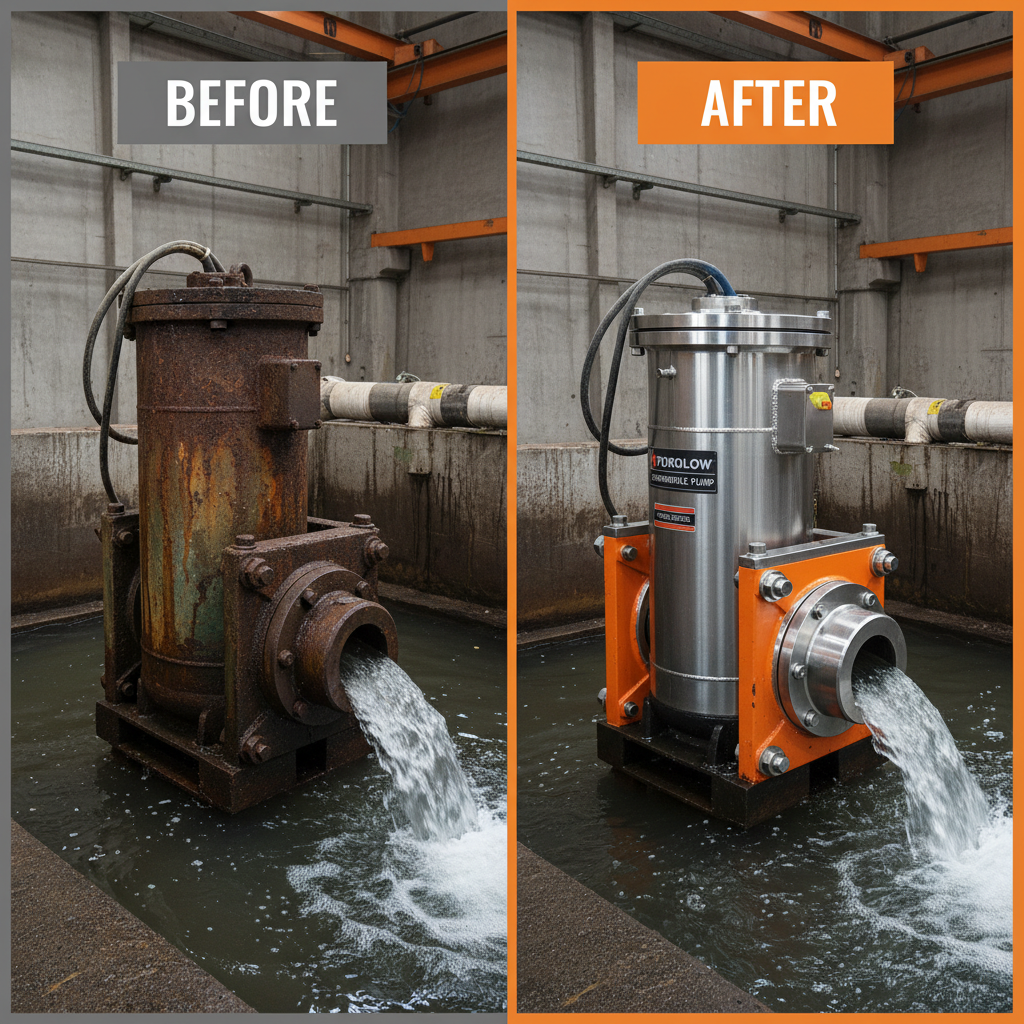 Understanding the Price Submersible Pump and Buyer GuideWhen searching for the ideal water management solution, understanding the price submersible pump options is crucial for balancing budget with performance. Whether you are dealing with a flooded basement, managing agricultural irrigation, or extracting water from a deep well, the cost of a submersible pump can vary significantly based on its build quality and capacity. Investing in a high-quality pump ensures long-term reliability and reduces the frequency of expensive replacements. In this guide, we will break down the factors that influence pricing and help you make an informed decision for your specific needs.Detail
 -
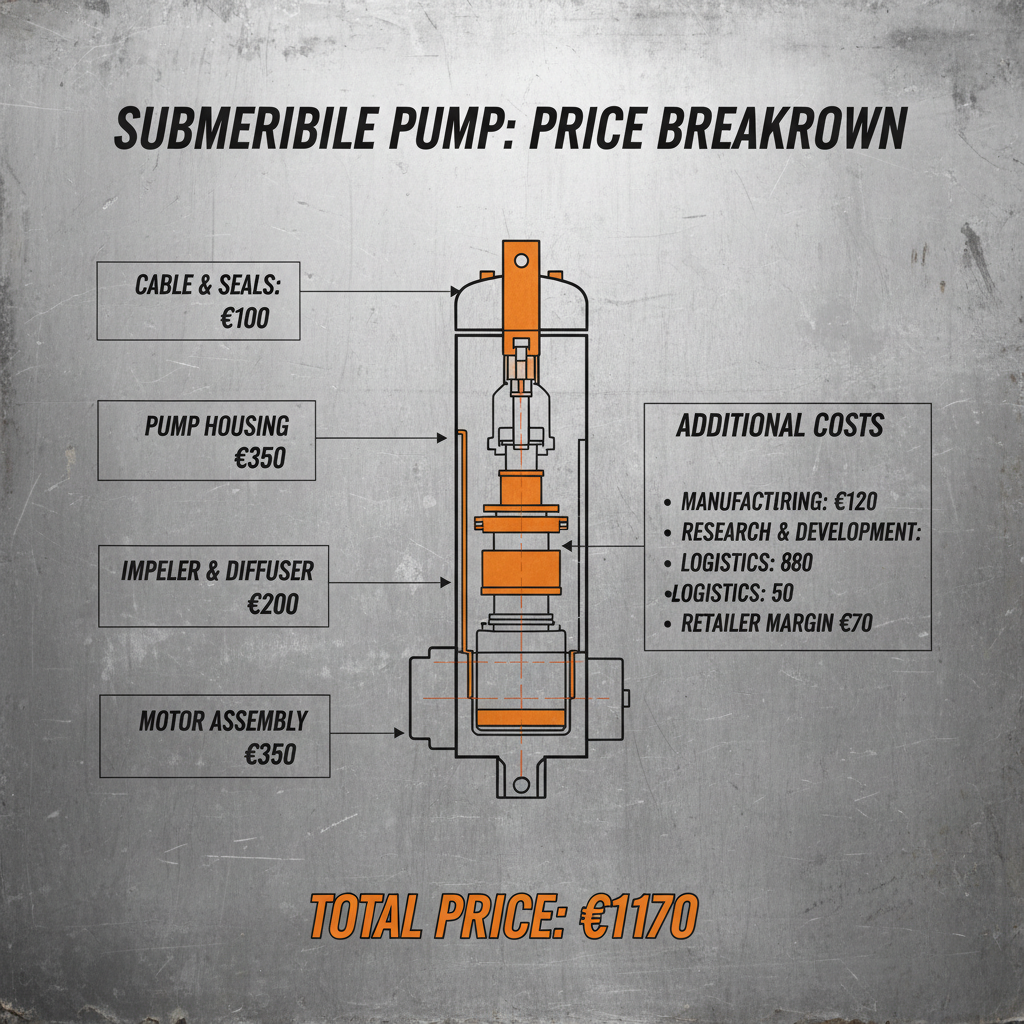 Factors Affecting the Price for Submersible Pump a Buyers GuideWhen investing in water management systems, understanding the price for submersible pump options is essential for balancing performance with budget. Whether you are managing a residential well, an industrial drainage project, or agricultural irrigation, the cost of a pump is rarely a flat fee; it is a reflection of the engineering, materials, and capacity required for your specific environment. In this guide, we will break down the factors that influence pricing and help you determine the best value for your investment to ensure long-term reliability and efficiency.Detail
 -
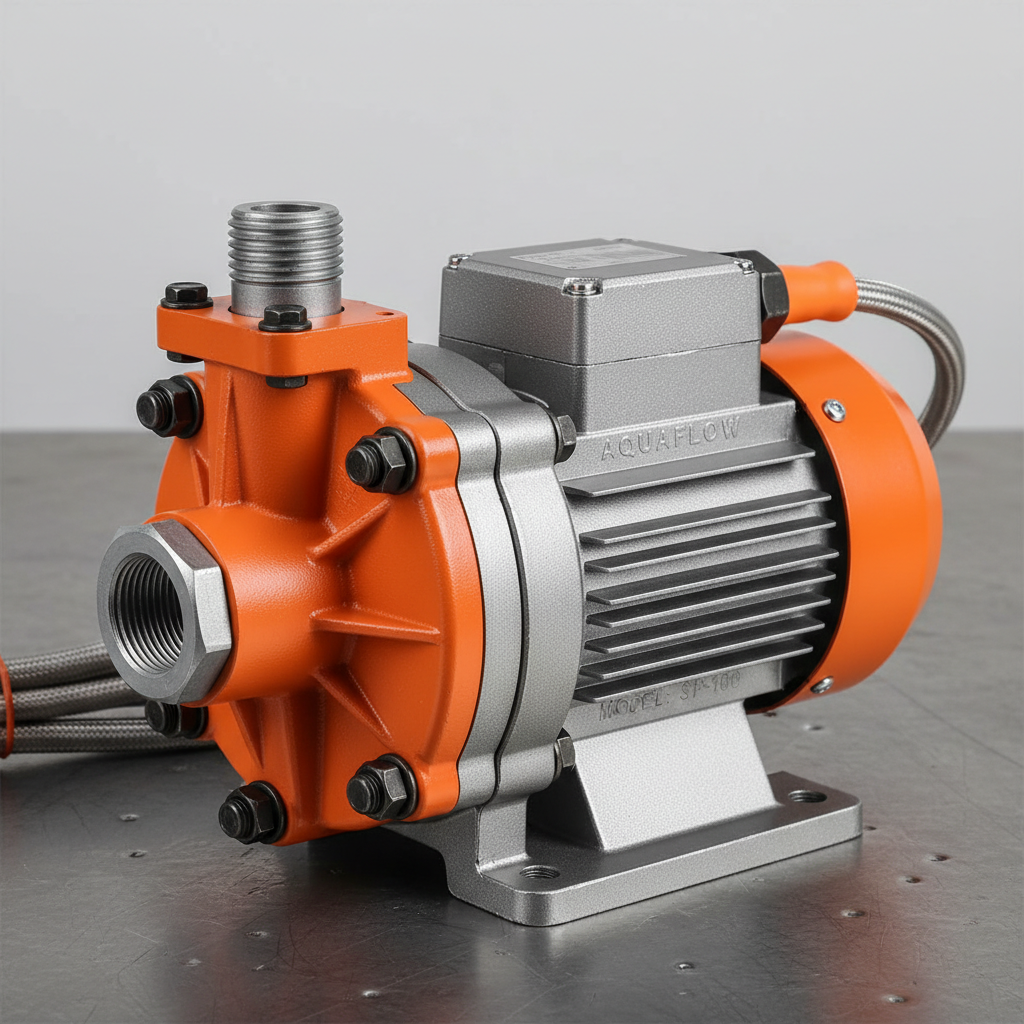 Choosing the Right Mini Submersible Fountain Pump for Optimal Water Feature PerformanceCreating a beautiful and relaxing water feature doesn't have to be complicated. A mini submersible fountain pump is the heart of any indoor or outdoor fountain, and selecting the right one is crucial for optimal performance and longevity. This article will guide you through the key considerations when choosing a mini submersible fountain pump, covering types, features, applications, and how to ensure you get the perfect pump for your project. We’ll also explore how Wellpumpact can provide you with the ideal solution.Detail
 Afrikaans
 Albanian
 Amharic
 Arabic
 Armenian
 Azerbaijani
 Basque
 Belarusian
 Bengali
 Bosnian
 Bulgarian
 Catalan
 Cebuano
 Corsican
 Croatian
 Czech
Czech
 Danish
 Dutch
Dutch
 Esperanto
 Estonian
 Finnish
 French
 Frisian
 Galician
 Georgian
 German
 Greek
Greek
 Gujarati
 Haitian Creole
 Hausa
Hausa
 Hawaiian
 Hebrew
 Hindi
Hindi
 Miao
Miao
 Hungarian
 Icelandic
 Igbo
Igbo
 Indonesian
 Irish
Irish
 Italian
 Japanese
 Javanese
 Kannada
 Kazakh
 Khmer
Khmer
 Rwandese
 Korean
 Kurdish
 Kyrgyz
 Lao
Lao
 Latin
Latin
 Latvian
 Lithuanian
 Luxembourgish
 Macedonian
 Malgashi
 Malay
Malay
 Malayalam
 Maltese
 Maori
Maori
 Marathi
 Mongolian
 Myanmar
 Nepali
 Norwegian
 Norwegian
 Occitan
 Pashto
 Persian
 Polish
 Portuguese
 Punjabi
 Romanian
 Russian
 Samoan
 Scottish Gaelic
 Serbian
 Sesotho
 Shona
Shona
 Sindhi
 Sinhala
 Slovak
 Slovenian
 Somali
 Spanish
 Sundanese
 Swahili
 Swedish
 Tagalog
 Tajik
Tajik
 Tamil
Tamil
 Tatar
Tatar
 Telugu
 Thai
Thai
 Turkish
 Turkmen
 Ukrainian
 Urdu
Urdu
 Uighur
 Uzbek
Uzbek
 Vietnamese
 Welsh
Welsh
 Bantu
Bantu
 Yiddish
 Yoruba
 Zulu
Zulu
 English