
Dec . 02, 2025 16:58 Back to list
Understanding Low Voltage Submersible Water Pump: Efficiency, Applications & Innovations
Low Voltage Submersible Water Pump: The Quiet Powerhouse of Efficient Water Management
Water is life, but getting it efficiently, safely, and sustainably remains a global challenge. The low voltage submersible water pump quietly stands as a vital solution across industries and communities, small and large. Understanding these pumps is more than a technical curiosity — it's a window into how smart design helps us tackle water scarcity, power shortages, and environmental pressures worldwide.
Introduction: Why Low Voltage Submersible Pumps Matter Globally
With the United Nations estimating that nearly 2.2 billion people lack access to safely managed drinking water (1), efficient water pumping solutions are essential. Power limitations in rural or disaster-affected areas make traditional pumps impractical or prohibitively expensive. Enter low voltage submersible water pumps—a technology that operates on minimal electrical input yet offers robust, reliable performance.
These pumps have become increasingly significant where sustainable, cost-effective water extraction and transfer are critical. For instance, in agriculture, they facilitate irrigation without demanding excessive energy, lowering greenhouse gas emissions aligned with ISO’s environmental guidelines (2). But they also serve homes, industries, and humanitarian efforts, making water accessible when and where it’s desperately needed.
Mini takeaway: Low voltage submersible pumps address water access and energy efficiency simultaneously, supporting global sustainability goals.
What Exactly is a Low Voltage Submersible Water Pump?
Simply put, this is a type of pump submerged directly in the fluid it moves, powered by electricity at voltages typically below 48V DC or around 110V AC—much lower than standard pumps. This design reduces noise, power loss, and heat generation, making it ideal for sensitive environments or off-grid settings.
Beyond that, these pumps are about clever engineering. They’re sealed tightly to prevent water damage, built from corrosion-resistant materials, and optimized to draw clean, consistent water from wells, tanks, or natural bodies.
Their significance spans humanitarian needs—improving clean water access in remote villages—to industrial scales, where they support processes without the risk of electrical hazards common to higher-voltage systems.
Key Components and Features of Low Voltage Submersible Water Pumps
- Durability: Engineered with stainless steel or thermoplastics to resist rust even when constantly immersed, vital for longevity.
- Energy Efficiency: Operating at low voltage reduces power consumption, ideal for solar or battery setups.
- Compact Design: Allows installation in narrow wells or constrained spaces, enabling wider use.
- Safety Features: Low voltage reduces electrical hazard risks—crucial near water.
- Easy Integration: Compatible with diverse power sources, including solar arrays and portable generators.
Each aspect plays a role in practical scenarios where maintenance access is limited, power is unreliable, or economic constraints demand reliability without compromise.
Mini takeaway: The design philosophy behind these pumps prioritizes durability, safety, and energy savings, making them flexible for many environments.
Global Applications and Use Cases
Perhaps surprisingly, these pumps are everywhere — from farms in Sub-Saharan Africa drawing groundwater for irrigation to flood relief missions in Southeast Asia. Organizations like UNICEF and the Red Cross use these pumps for rapid deployment in disaster zones, where power is scarce but water needs are urgent.
In industry, low voltage submersible pumps find use in wastewater management plants, mining operations, and aquaculture systems. Their adaptability across these sectors hinges on their minimal power needs and reliable performance.
| Spec | Value | Notes |
|---|---|---|
| Voltage | 12V – 48V DC / 110V AC | Low energy consumption |
| Power | 100W – 750W | Varies by model |
| Max Flow Rate | 20 – 100 L/min | Dependent on depth and model |
| Max Depth | 50m – 100m | Pump placement limit |
| Material | Stainless steel, PVC | Corrosion resistant |
Mini takeaway: Specifications show how these pumps balance power and portability for diverse settings.
Advantages and Long-Term Value
For starters, these pumps guide water from source to use with minimal energy. That’s not just good for your electricity bill—it matters for sustainability, crucial as the world moves toward greener technologies (3). Reliability is another huge plus—these devices tend to run quietly and continuously for years with proper care.
On the emotional side, imagine the relief for a drought-stricken community when water flows again, powered by what might as well be a whisper of electricity. Safety is improved too—low voltage means less risk of shocks, a reassurance in homes and fields alike.
Future Trends and Innovations
Exciting developments hover on the horizon. Integration with solar power and smart controls lets users monitor pump health remotely, adjusting operations for maximum efficiency. Advances in composites and sealing tech promise even longer lifespans. Some manufacturers explore biodegradable materials, marrying function with eco-friendliness.
As governments encourage sustainable water management under frameworks like the UN SDGs, we can expect policies to favor the adoption of low voltage submersible water pump technologies even more strongly in coming years.
Challenges and Solutions
One challenge is that low voltage systems might struggle lifting water from very deep wells or pumping at very high volume rates. This can limit their use in certain settings, although hybrid systems sometimes mitigate those limits.
Also, initial costs may appear high, but with solar integration and low maintenance, total cost of ownership generally improves. Experts recommend routine checks on seals and wiring, plus sourcing from reputable manufacturers for best outcomes.
| Brand | Power Range | Material | Warranty | Best Use |
|---|---|---|---|---|
| HydroPure | 100W–500W | Stainless steel | 3 years | Domestic & small farms |
| EcoPump Solutions | 200W–750W | PVC & Stainless steel | 5 years | Industrial & agriculture |
| SolarSpring | 150W–600W | Composite | 4 years | Solar integrated systems |
Frequently Asked Questions About Low Voltage Submersible Water Pumps
- Q: How can a low voltage submersible water pump operate effectively on solar power?
- A: Thanks to their low energy requirements, these pumps pair exceptionally well with solar panels. Their design allows for steady water pumping throughout the day without demanding heavy power loads. Batteries or controllers can help manage cloudy days or nighttime needs.
- Q: Are these pumps suitable for deep well applications?
- They typically work best within depths up to 100 meters. For extremely deep wells, higher power models or booster systems may be necessary, but many standard wells fall well within their capabilities.
- Q: What maintenance is required to keep these pumps running long-term?
- Routine inspections of seals, cleaning of intake screens, and checking electrical connections can prolong lifespan. Since they’re sealed underwater, internal repairs are generally minimal unless the pump suffers physical damage.
- Q: Can these pumps be used for pumping liquids other than clean water?
- Generally, they’re designed specifically for clean water or lightly contaminated water. Using them to pump heavy sludge or corrosive chemicals can reduce lifespan and void warranties.
Conclusion
Ultimately, the low voltage submersible water pump exemplifies how smart technology can solve pressing global needs—making water access safer, cleaner, and more efficient. If you’re involved in agriculture, rural development, or emergency relief, these pumps might just be the quiet heroes you need.
Curious about finding the right solution for your water management needs? Visit us at low voltage submersible water pump for expert advice and comprehensive options tailored to your goals.
Reflecting on the subtle power of these pumps reminds me that sometimes the smallest current can make the biggest difference in life.
-
Understanding the Price Submersible Pump and Buyer Guide
NewsApr.16,2026
-
Factors Affecting the Price for Submersible Pump a Buyers Guide
NewsApr.09,2026
-
Choosing the Right Mini Submersible Fountain Pump for Optimal Water Feature Performance
NewsApr.07,2026
-
A Detailed Guide to Installing a Submersible Pump for Optimal Performance
NewsApr.04,2026
-
Comprehensive Guide on How to Test a Submersible Water Well Pump Effectively
NewsMar.31,2026
-
Learn How to Replace a Submersible Well Pump Safely and Effectively
NewsMar.28,2026
-
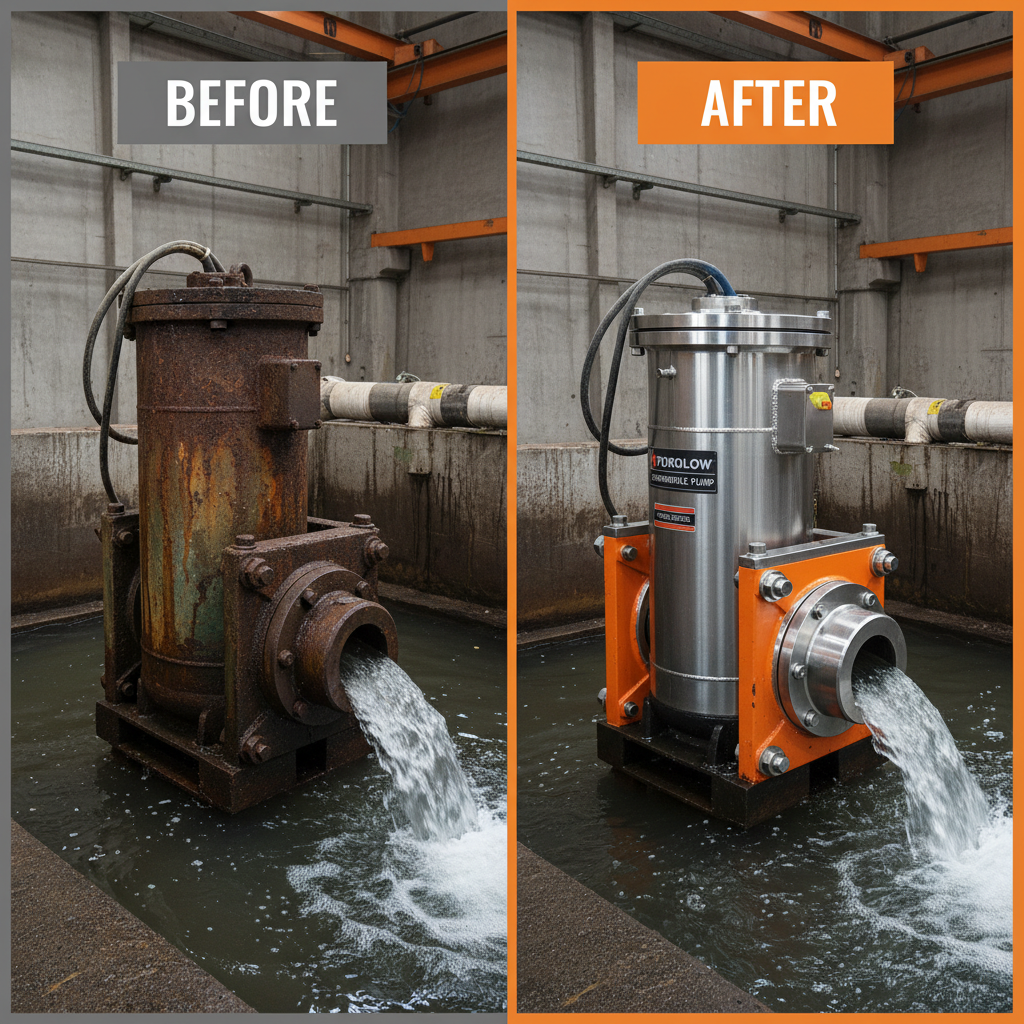 Understanding the Price Submersible Pump and Buyer GuideWhen searching for the ideal water management solution, understanding the price submersible pump options is crucial for balancing budget with performance. Whether you are dealing with a flooded basement, managing agricultural irrigation, or extracting water from a deep well, the cost of a submersible pump can vary significantly based on its build quality and capacity. Investing in a high-quality pump ensures long-term reliability and reduces the frequency of expensive replacements. In this guide, we will break down the factors that influence pricing and help you make an informed decision for your specific needs.Detail
 -
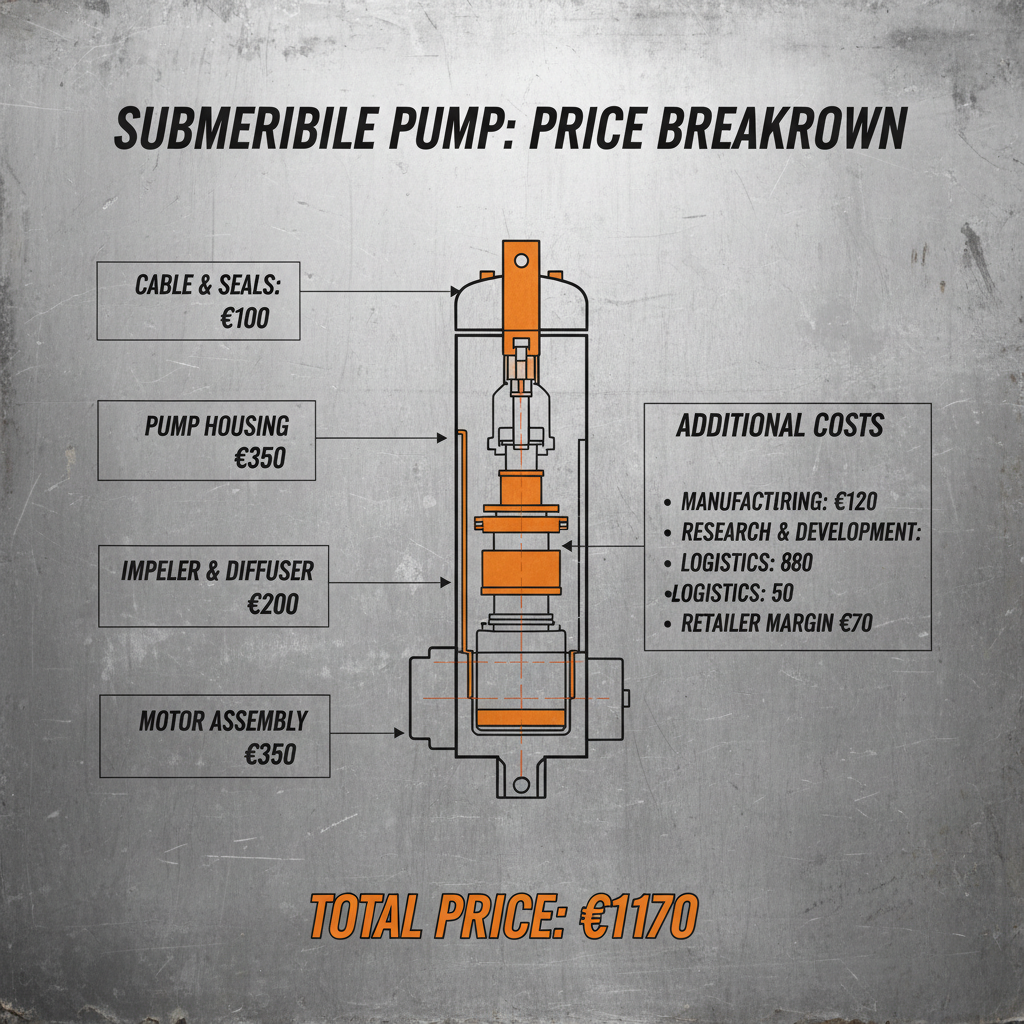 Factors Affecting the Price for Submersible Pump a Buyers GuideWhen investing in water management systems, understanding the price for submersible pump options is essential for balancing performance with budget. Whether you are managing a residential well, an industrial drainage project, or agricultural irrigation, the cost of a pump is rarely a flat fee; it is a reflection of the engineering, materials, and capacity required for your specific environment. In this guide, we will break down the factors that influence pricing and help you determine the best value for your investment to ensure long-term reliability and efficiency.Detail
 -
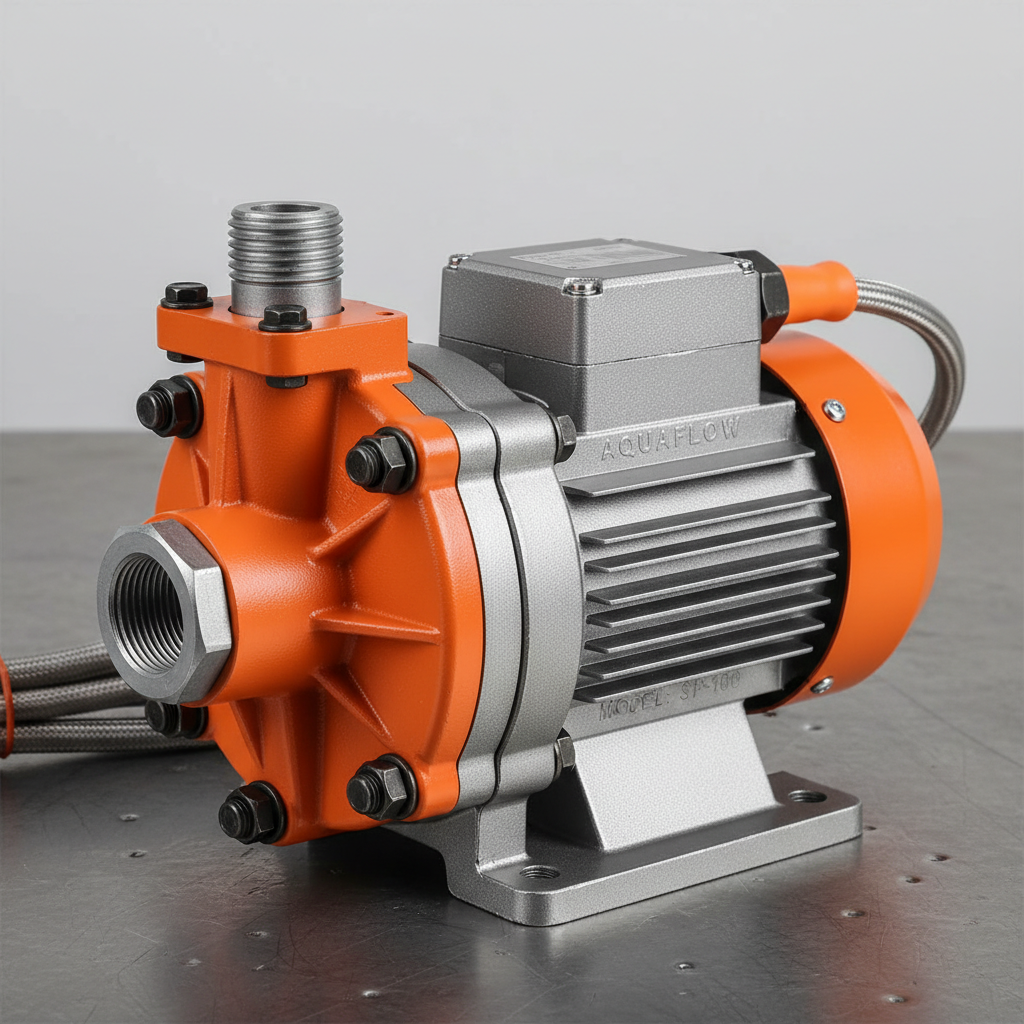 Choosing the Right Mini Submersible Fountain Pump for Optimal Water Feature PerformanceCreating a beautiful and relaxing water feature doesn't have to be complicated. A mini submersible fountain pump is the heart of any indoor or outdoor fountain, and selecting the right one is crucial for optimal performance and longevity. This article will guide you through the key considerations when choosing a mini submersible fountain pump, covering types, features, applications, and how to ensure you get the perfect pump for your project. We’ll also explore how Wellpumpact can provide you with the ideal solution.Detail
 Afrikaans
 Albanian
 Amharic
 Arabic
 Armenian
 Azerbaijani
 Basque
 Belarusian
 Bengali
 Bosnian
 Bulgarian
 Catalan
 Cebuano
 Corsican
 Croatian
 Czech
Czech
 Danish
 Dutch
Dutch
 Esperanto
 Estonian
 Finnish
 French
 Frisian
 Galician
 Georgian
 German
 Greek
Greek
 Gujarati
 Haitian Creole
 Hausa
Hausa
 Hawaiian
 Hebrew
 Hindi
Hindi
 Miao
Miao
 Hungarian
 Icelandic
 Igbo
Igbo
 Indonesian
 Irish
Irish
 Italian
 Japanese
 Javanese
 Kannada
 Kazakh
 Khmer
Khmer
 Rwandese
 Korean
 Kurdish
 Kyrgyz
 Lao
Lao
 Latin
Latin
 Latvian
 Lithuanian
 Luxembourgish
 Macedonian
 Malgashi
 Malay
Malay
 Malayalam
 Maltese
 Maori
Maori
 Marathi
 Mongolian
 Myanmar
 Nepali
 Norwegian
 Norwegian
 Occitan
 Pashto
 Persian
 Polish
 Portuguese
 Punjabi
 Romanian
 Russian
 Samoan
 Scottish Gaelic
 Serbian
 Sesotho
 Shona
Shona
 Sindhi
 Sinhala
 Slovak
 Slovenian
 Somali
 Spanish
 Sundanese
 Swahili
 Swedish
 Tagalog
 Tajik
Tajik
 Tamil
Tamil
 Tatar
Tatar
 Telugu
 Thai
Thai
 Turkish
 Turkmen
 Ukrainian
 Urdu
Urdu
 Uighur
 Uzbek
Uzbek
 Vietnamese
 Welsh
Welsh
 Bantu
Bantu
 Yiddish
 Yoruba
 Zulu
Zulu
 English