
-
 Dealing with basement flooding can be stressful, but a properly installed submersible sump pump can provide reliable protection. This guide will walk you through the process of installing a submersible sump pump, ensuring your basement stays dry. We'll cover everything from choosing the right pump to the final testing phase. Proper installation is key to maximizing the pump’s lifespan and effectiveness. At WellPumpAct, we are dedicated to helping you find the best solutions for your water management needs. Selecting the appropriate sump pump is the first critical step. Consider the following factors: the horsepower (HP) needed, the pump’s capacity (gallons per hour - GPH), and the maximum lift (the height the pump can push water). A higher horsepower generally means a faster pumping rate, but also higher energy consumption. The GPH rating should be sufficient to handle the expected water inflow based on your area's rainfall and potential groundwater levels.Read more
 -
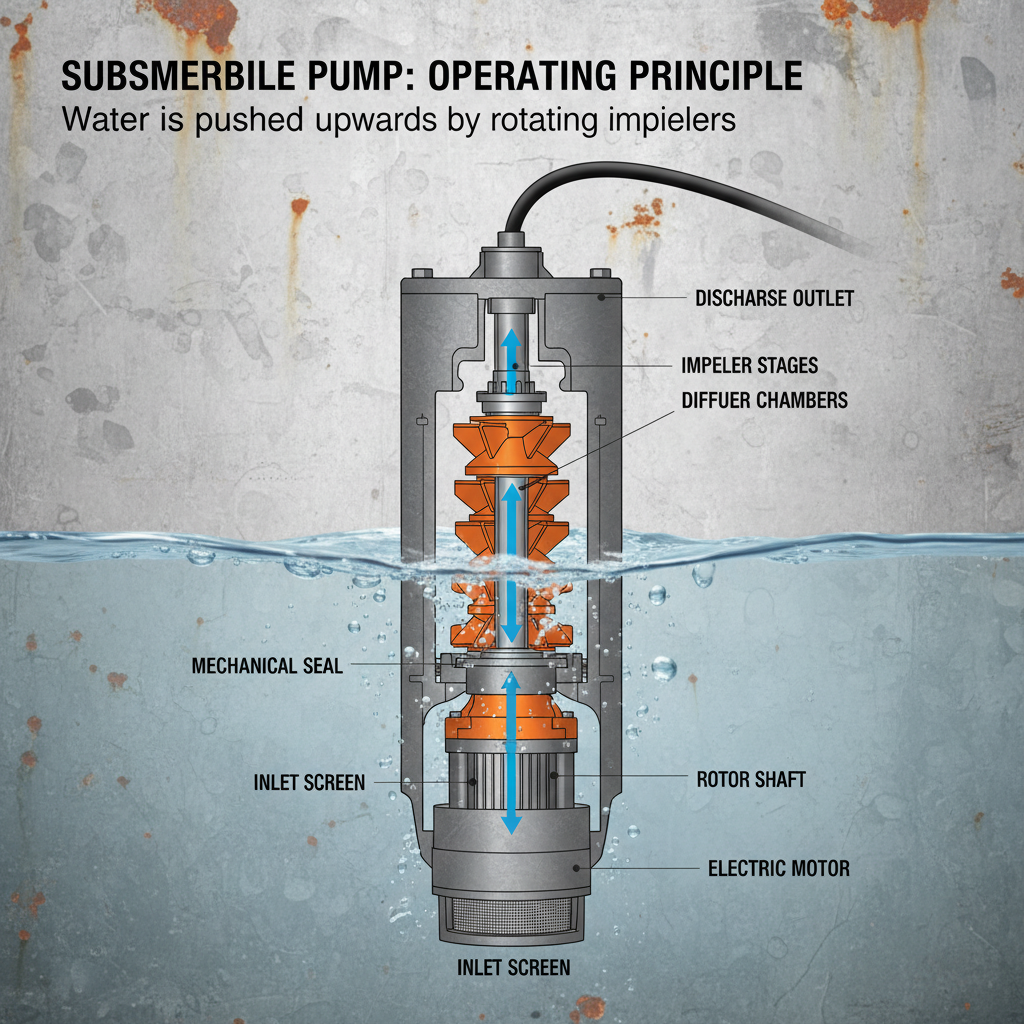 Submersible pumps are incredibly versatile tools used in a wide range of applications, from draining basements to supplying water to homes. Unlike traditional pumps which sit outside the fluid they’re pumping, submersible pumps are designed to operate inside the liquid. This design offers several advantages, including increased efficiency and reduced priming issues. This article will break down the core principles behind these pumps, exploring their components, operation, common uses, and maintenance. Understanding these pumps will empower you to select the right one for your needs and keep it running smoothly. A submersible pump isn’t just one piece of equipment; it's a carefully engineered system. The primary components include the motor, the impeller, the diffuser, a sealed cable, and the pump housing. The motor provides the power to drive the impeller. The impeller, a rotating component with vanes, is responsible for creating the centrifugal force that moves the fluid. The diffuser, positioned around the impeller, converts the velocity energy from the impeller into pressure energy, increasing the fluid’s discharge pressure. A watertight seal around the motor and cable is crucial for preventing electrical shorts. Finally, the robust housing protects all internal components from the pumped liquid and external damage.Read more
 -
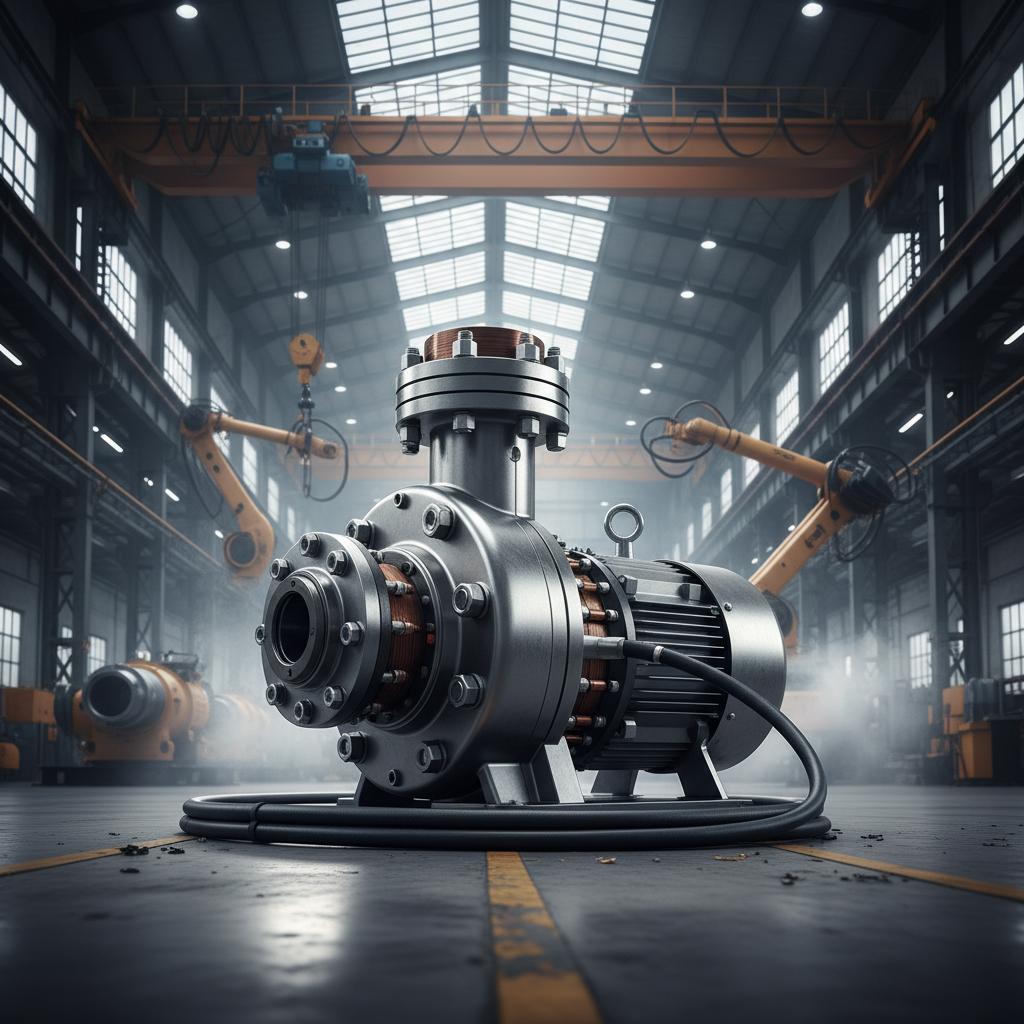 Selecting the ideal fountain submersible pump is crucial for ensuring your fountain operates efficiently and reliably. With a vast range of options available, understanding the key factors – from flow rate and head height to power consumption and durability – is essential. This article will guide you through the process, providing valuable insights to help you make an informed decision. We’ll cover the different types of pumps, how to determine the right size for your fountain, and what to look for in terms of quality and features. Investing in the right pump will not only enhance the aesthetic appeal of your fountain but also minimize maintenance and prolong its lifespan. Fountain pumps generally fall into a few key categories, each suited to different fountain sizes and applications. Magnetic drive pumps are popular for smaller fountains due to their quiet operation and energy efficiency. They utilize magnetic coupling to drive the impeller, eliminating the need for a traditional shaft seal, which reduces the risk of leaks. Direct drive pumps, more powerful and robust, are ideal for larger fountains and those requiring higher flow rates. These pumps use a direct connection between the motor and impeller.Read more
 -
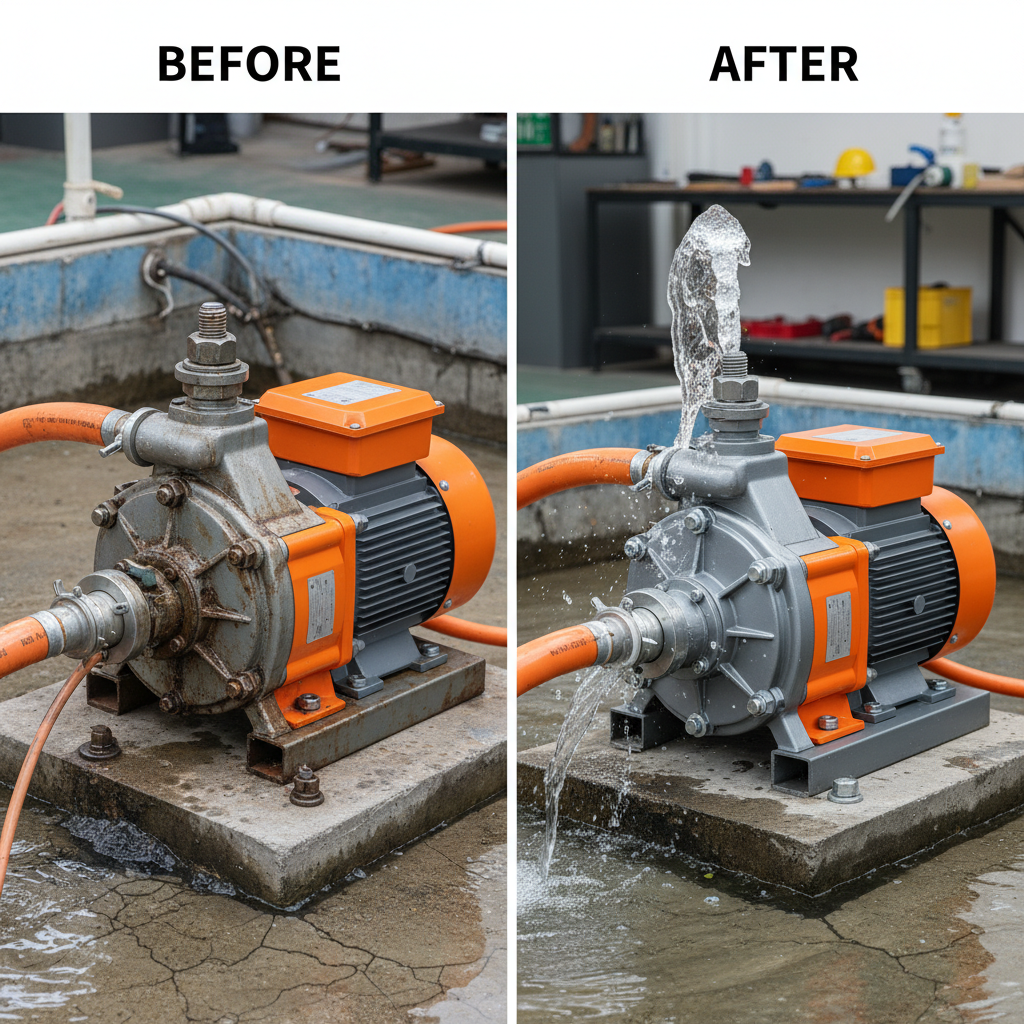 Selecting the appropriate fountain pump non submersible is vital for creating a stunning and reliably functioning water feature. These pumps, designed to operate outside the water, offer unique advantages in terms of maintenance and installation. This guide will explore the key considerations when choosing a non-submersible fountain pump, covering different applications, features, and factors to ensure optimal performance. We’ll delve into the benefits of choosing a quality pump from a reputable supplier like WellPumpAct. Unlike submersible pumps which are immersed in water, a fountain pump non submersible remains dry, typically housed in a protective casing. This design provides several benefits. It simplifies maintenance, as the pump can be easily accessed for inspection and repair without draining the entire fountain. They're also generally easier to install, requiring less plumbing work. The pumps draw water through an intake pipe and discharge it through an outlet pipe, making them ideal for situations where accessing the pump would be difficult with a submerged unit. Consider the lift height – the maximum vertical distance the pump can push water – when choosing a model.Read more
 -
 When selecting a submersible pump for dewatering, irrigation, or other fluid transfer applications, understanding the concept of "dry run" protection is crucial. A dry run submersible pump is designed to operate safely, for a limited time, without being fully submerged in liquid. This capability is invaluable in situations where pump start-up precedes water availability, or where fluctuating water levels might expose the pump. At WellPumpAct, we specialize in providing durable and reliable submersible pumps engineered for diverse applications. Choosing a pump with dry run capabilities can significantly extend its lifespan and reduce maintenance costs. A traditional submersible pump relies on the surrounding water for lubrication and cooling. Running it "dry" – that is, without sufficient liquid coverage – can lead to overheating, accelerated wear of internal components (particularly the impeller and seals), and ultimately, pump failure. A dry run submersible pump, however, is specifically engineered with features to mitigate these risks.Read more
 -
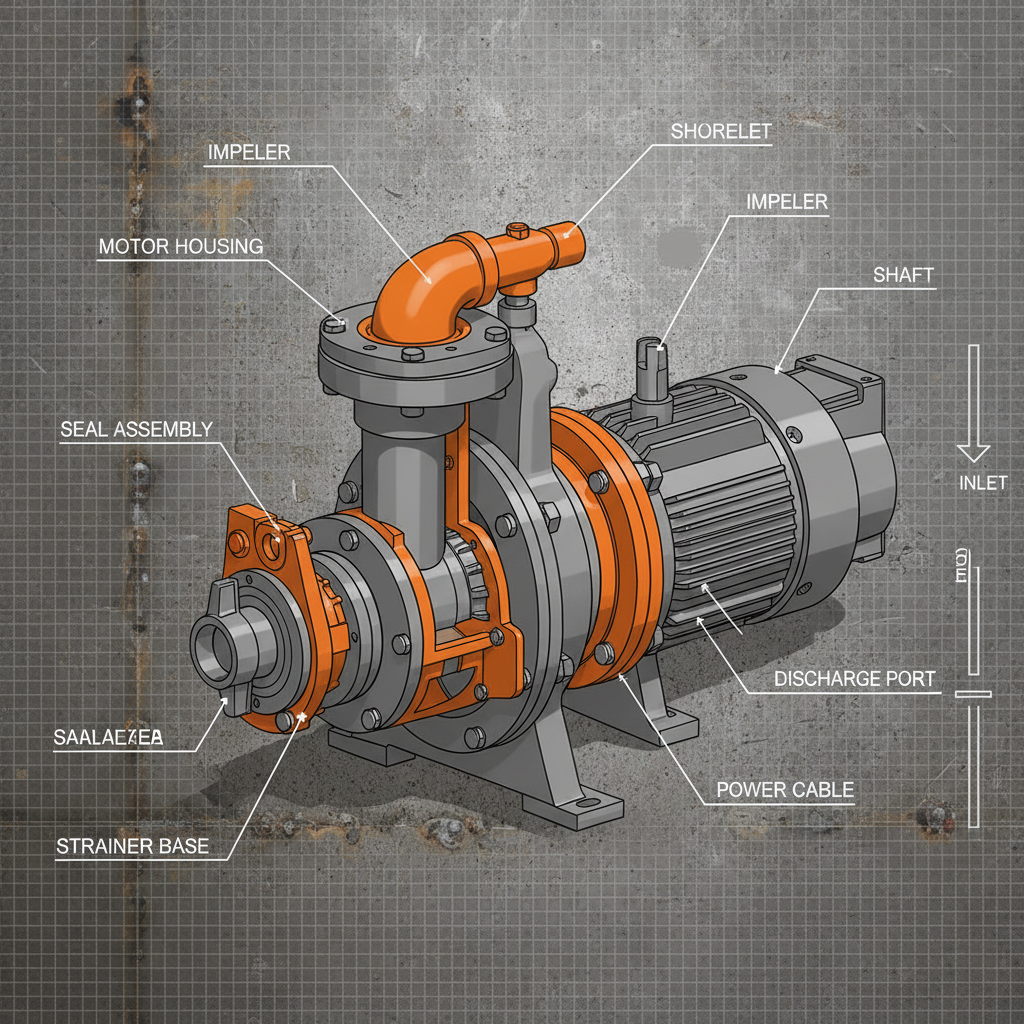 Effective water removal is crucial in numerous applications, from construction sites to agricultural fields. A dewatering pump submersible offers a powerful and efficient solution. This article provides a detailed overview of these pumps, including their types, applications, key features, and how to choose the best one for your needs. We'll explore the benefits of submersible pumps over other dewatering methods and guide you through the selection process to ensure optimal performance and longevity. A dewatering pump submersible is specifically designed to be submerged in the liquid it’s pumping. This design offers several advantages. Firstly, it eliminates the need for priming, as the pump is already surrounded by water. Secondly, it's often more efficient at lifting water from lower levels. These pumps are commonly used in construction, mining, agriculture, and wastewater treatment. Different types cater to varied needs, from handling clean water to dealing with solids-laden fluids. Choosing the right model depends on the application and the characteristics of the water being pumped. Several types of submersible dewatering pumps are available, each designed for specific applications. These include: centrifugal pumps, ideal for high-volume, low-head applications; positive displacement pumps, suited for high-head, low-volume applications and handling viscous fluids; and grinder pumps, which can handle solids-laden water by grinding them into smaller particles.Read more
 -
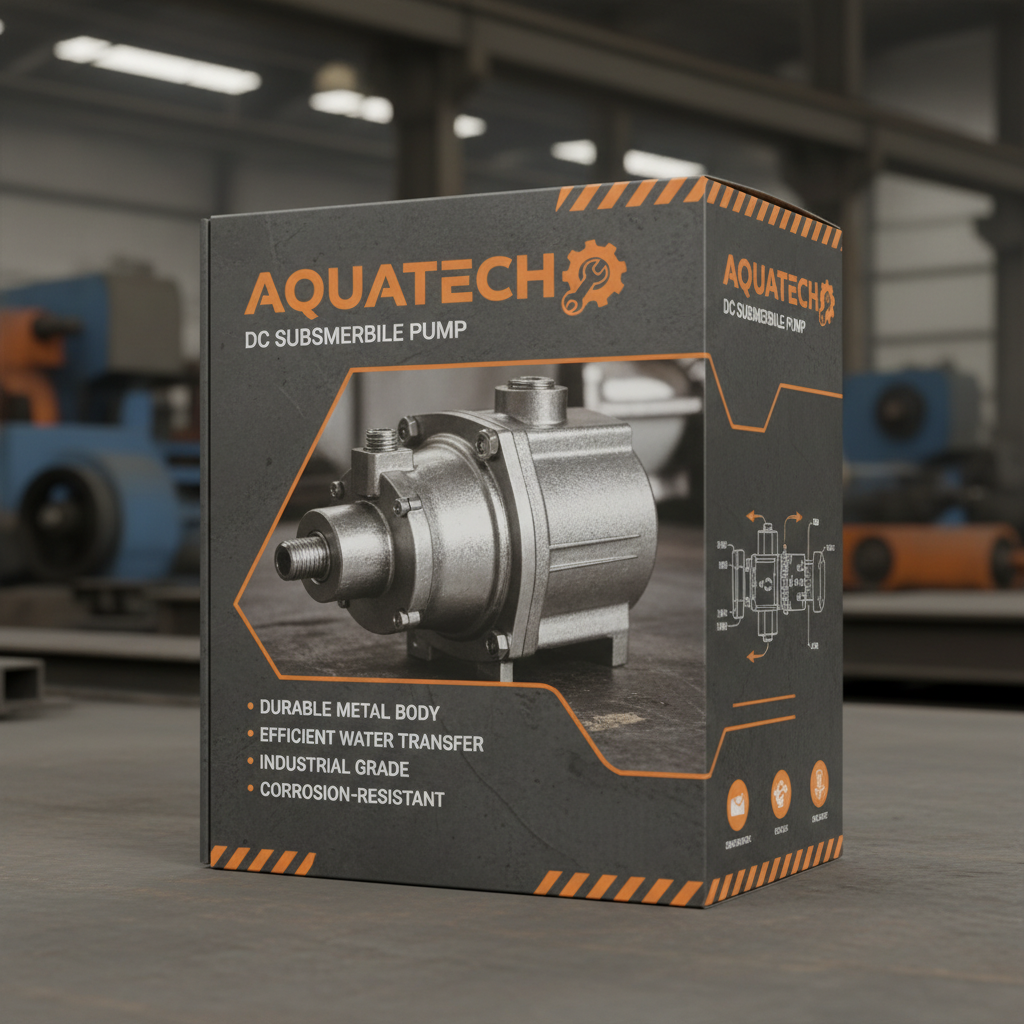 DC submersible water pumps are becoming increasingly popular for a wide range of applications, from irrigation and aquaculture to off-grid water supply and even emergency drainage. These versatile pumps offer numerous advantages over traditional AC-powered pumps, particularly in situations where access to mains electricity is limited or unavailable. This article will explore the functionality, benefits, applications, and important considerations when choosing a DC submersible water pump. We will delve into the technical aspects and practical uses to help you make an informed decision. Unlike AC pumps that require alternating current, DC submersible pumps operate on direct current, making them ideal for use with batteries, solar panels, or DC power supplies. These pumps are designed to be fully submerged in the water they are pumping, eliminating the need for priming and reducing the risk of cavitation.Read more
 -
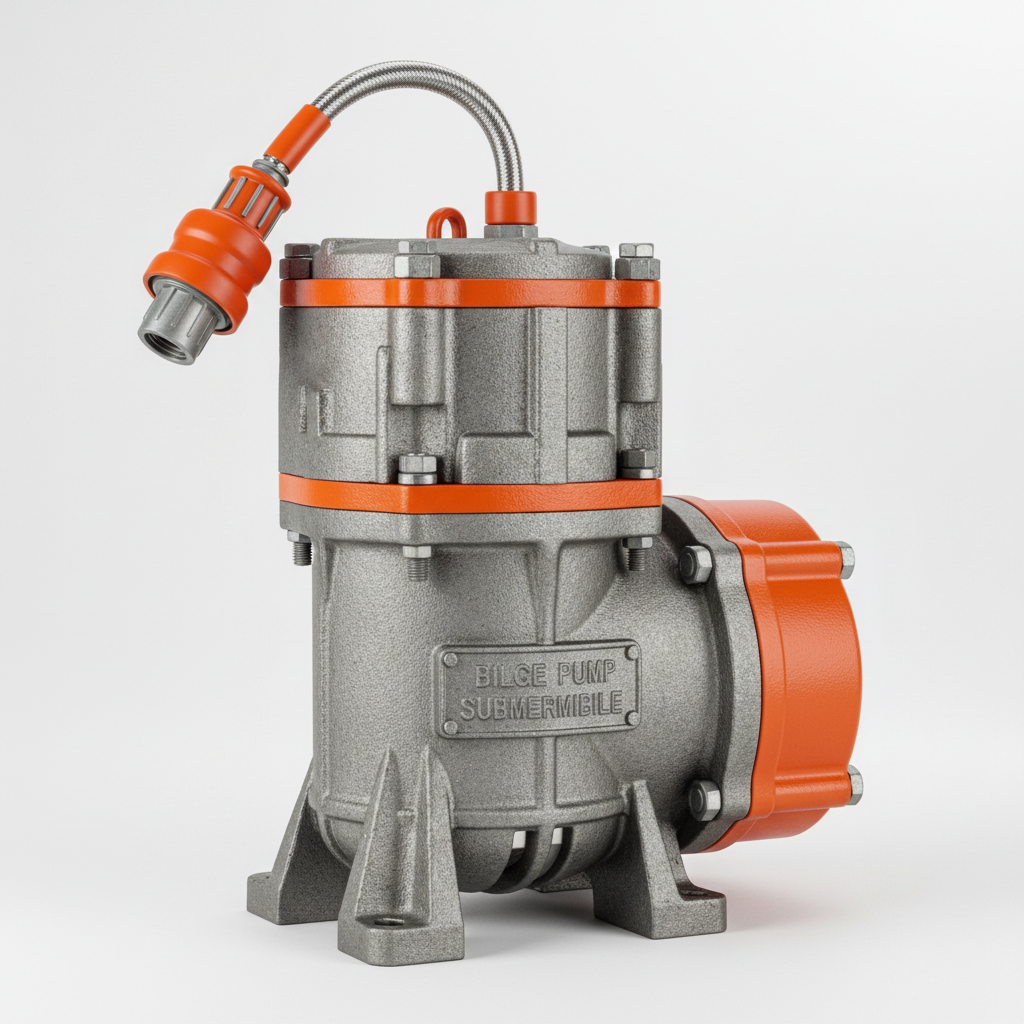 Maintaining a dry bilge is crucial for the safety and longevity of any vessel, from small boats to large ships. A reliable bilge pump submersible effectively removes accumulated water, preventing corrosion, mold growth, and potential sinking hazards. This guide provides a detailed overview of submersible bilge pumps, covering their types, features, selection criteria, and maintenance tips. We'll explore how to choose the right pump for your specific needs and ensure years of dependable operation. Understanding your options is the first step towards protecting your investment and staying safe on the water. Submersible bilge pumps are designed to be fully immersed in water, making them ideal for removing water from the lowest points of a boat's bilge. Unlike surface-mounted pumps, they operate quietly and efficiently, as the water is directly lifted to the discharge outlet. These pumps typically feature a built-in strainer to prevent debris from clogging the impeller. Key features to consider include the pump's flow rate (gallons per hour or GPH), power consumption (amps), discharge hose size, and whether it's automatic or manual. Choosing a pump with the right specifications is essential for effective bilge management.Read more
 -
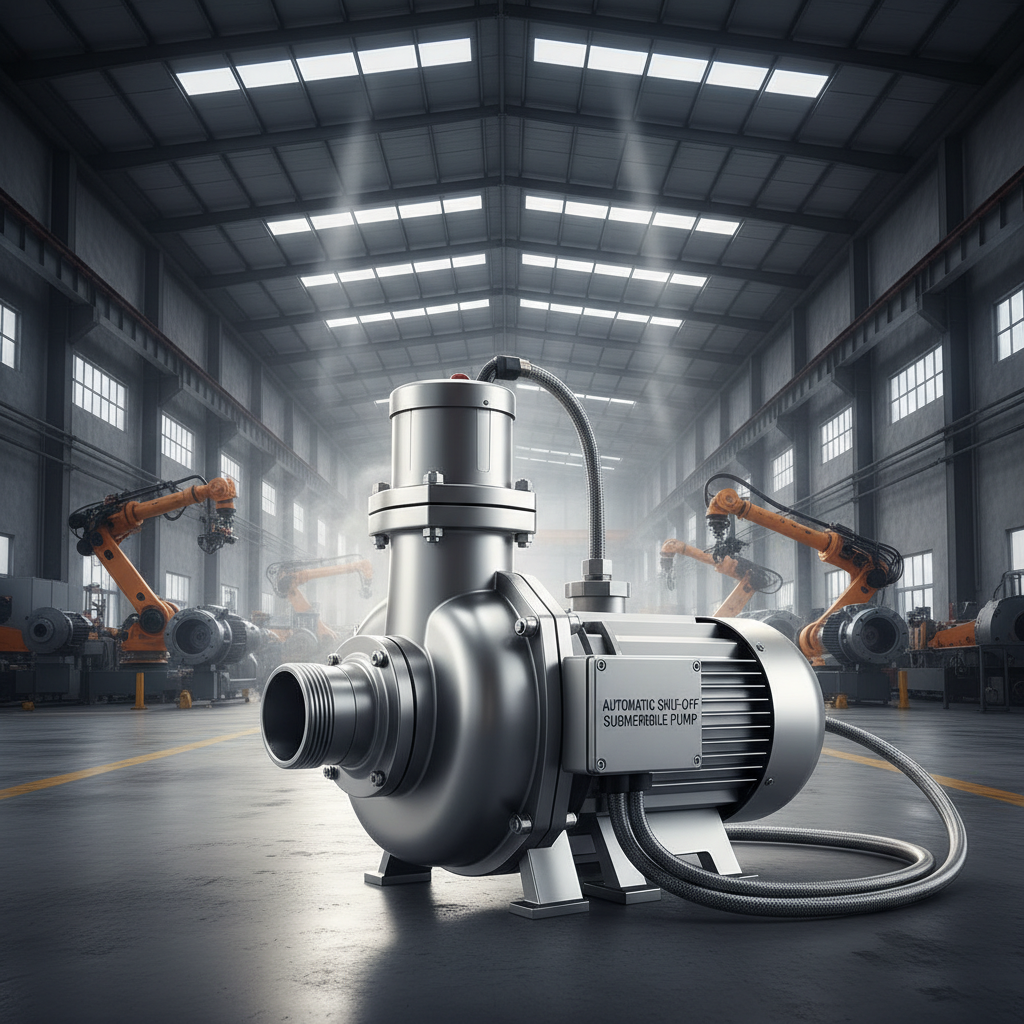 Selecting the appropriate automatic shut off submersible pump is critical for efficient water management and preventing costly damage. These pumps are widely used in various applications, including well water systems, drainage, and irrigation. This article provides a comprehensive guide to understanding the features, benefits, and applications of these pumps, helping you make an informed decision. We'll cover everything from basic functionality to choosing the right specifications for your specific requirements. Investing in a quality pump ensures reliability and peace of mind. The core benefit of an automatic shut off submersible pump lies in its ability to automatically stop operation when the water source is depleted. This crucial feature prevents the pump from running dry, which can cause significant damage to the motor and impeller. Without this protection, a dry run can lead to overheating, wear and tear, and ultimately, pump failure.Read more
 Afrikaans
 Albanian
 Amharic
 Arabic
 Armenian
 Azerbaijani
 Basque
 Belarusian
 Bengali
 Bosnian
 Bulgarian
 Catalan
 Cebuano
 Corsican
 Croatian
 Czech
Czech
 Danish
 Dutch
Dutch
 English
 Esperanto
 Estonian
 Finnish
 French
 Frisian
 Galician
 Georgian
 German
 Greek
Greek
 Gujarati
 Haitian Creole
 Hausa
Hausa
 Hawaiian
 Hebrew
 Hindi
Hindi
 Miao
Miao
 Hungarian
 Icelandic
 Igbo
Igbo
 Indonesian
 Irish
Irish
 Italian
 Japanese
 Javanese
 Kannada
 Kazakh
 Khmer
Khmer
 Rwandese
 Korean
 Kurdish
 Kyrgyz
 Lao
Lao
 Latin
Latin
 Latvian
 Lithuanian
 Luxembourgish
 Macedonian
 Malgashi
 Malay
Malay
 Malayalam
 Maltese
 Maori
Maori
 Marathi
 Mongolian
 Myanmar
 Nepali
 Norwegian
 Norwegian
 Occitan
 Pashto
 Persian
 Polish
 Portuguese
 Punjabi
 Romanian
 Russian
 Samoan
 Scottish Gaelic
 Serbian
 Sesotho
 Shona
Shona
 Sindhi
 Sinhala
 Slovak
 Slovenian
 Somali
 Spanish
 Sundanese
 Swahili
 Tagalog
 Tajik
Tajik
 Tamil
Tamil
 Tatar
Tatar
 Telugu
 Thai
Thai
 Turkish
 Turkmen
 Ukrainian
 Urdu
Urdu
 Uighur
 Uzbek
Uzbek
 Vietnamese
 Welsh
Welsh
 Bantu
Bantu
 Yiddish
 Yoruba
 Zulu
Zulu
 Swedish